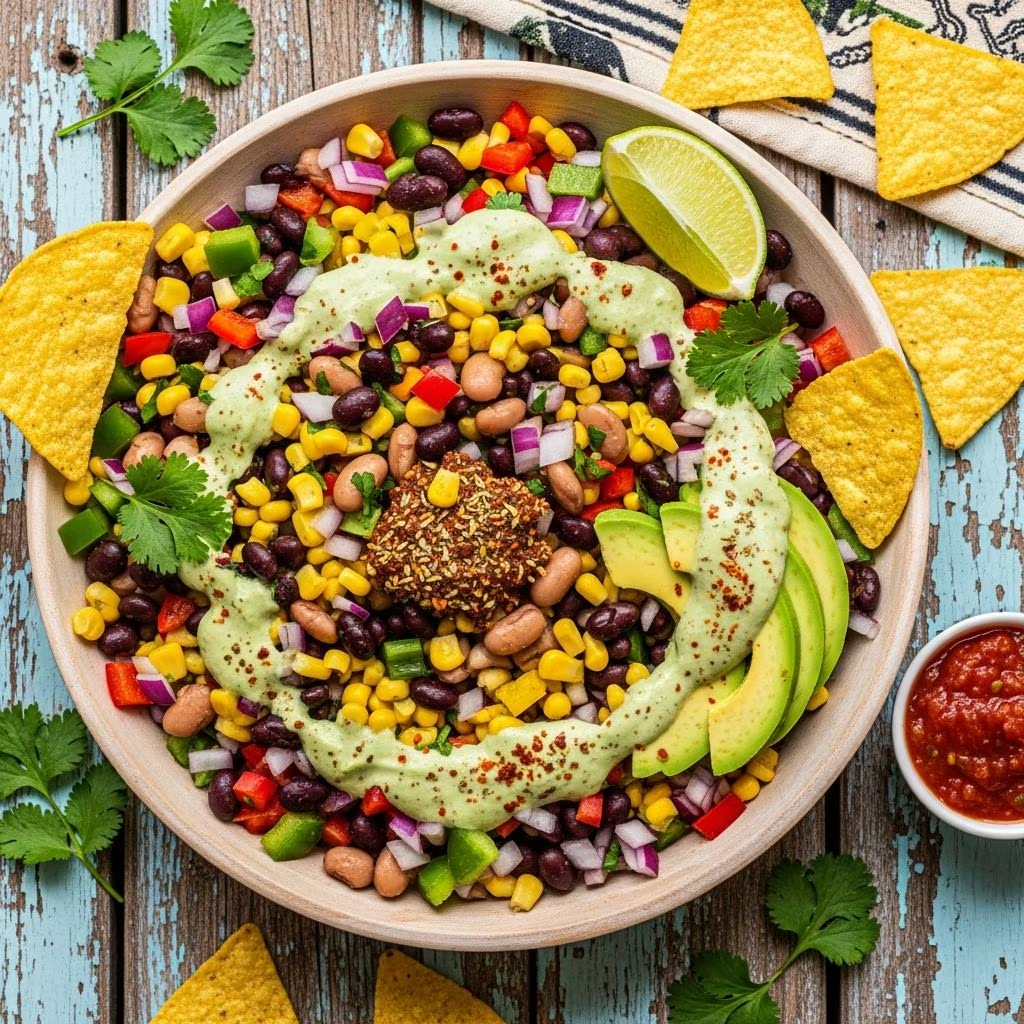
Mexican bean salad represents one of the most versatile and nourishing dishes in contemporary cuisine. This colorful combination brings together legumes, fresh produce, and vibrant seasonings to create a dish that works equally well as a standalone meal, a side accompaniment, or an appetizer dip. Whether you’re planning a weekday lunch or preparing for a gathering, understanding the fundamentals of this dish ensures consistent, delicious results every time.
Understanding the Foundation: Selecting Your Beans
The backbone of any Mexican bean salad lies in choosing quality legumes. Most traditional preparations incorporate three varieties of beans, creating a textured and visually interesting base. Black beans, kidney beans, and cannellini beans form a classic combination, though variations exist depending on regional preferences and ingredient availability.
When selecting beans, you have two primary options: canned or dried. Canned beans offer exceptional convenience, requiring only rinsing and draining before use. This preparation step removes excess sodium and the liquid that beans are packed in, which can otherwise affect the salad’s flavor profile and texture. Dried beans, when properly cooked, deliver superior texture and allow for complete control over sodium content, making them an excellent choice for those monitoring their salt intake.
The nutritional contribution of beans cannot be overstated. These legumes provide substantial amounts of plant-based protein, dietary fiber, and essential minerals including iron and magnesium. This nutritional density makes Mexican bean salad an excellent option for vegetarians, vegans, and anyone seeking protein-rich meal solutions.
Fresh Vegetables: The Colorful Elements
The vegetable component transforms a simple bean mixture into a visually striking and flavorful dish. Traditional preparations include several key vegetables that work in harmony:
- Bell peppers in multiple colors contribute natural sweetness, crunch, and visual appeal. Red and green peppers are most common, though yellow and orange varieties add additional color variation
- Corn provides sweetness and textural contrast. Fresh corn yields the best flavor, though frozen corn works adequately when thawed and properly drained
- Red onions deliver sharpness and a slight bite that balances the sweeter components of the salad
- Cherry or grape tomatoes add freshness and acidity when incorporated whole or halved
- Cilantro functions as an aromatic herb that defines much of the salad’s Mexican character
- Jalapeño peppers introduce heat levels that can be adjusted according to personal preference
These vegetables should be chopped to uniform sizes, typically around one-half inch pieces, ensuring even distribution and consistent eating experience throughout the salad.
Crafting the Dressing: Balancing Flavors
The dressing serves as the unifying element that brings all components together into a cohesive dish. A well-constructed dressing balances acidic, savory, and spiced elements:
Acidic Components: Lime juice and red wine vinegar form the base, providing brightness and acidity that awakens the palate. Fresh lime juice is strongly preferred over bottled varieties, as it delivers superior flavor and prevents the dressing from becoming one-dimensional.
Oil Base: Extra virgin olive oil contributes richness and helps distribute fat-soluble flavors throughout the salad. This component also aids in nutrient absorption from the vegetables.
Spice Profile: Ground cumin forms the signature spice in Mexican bean salad, providing warmth and earthiness. Chili powder adds depth and mild heat, while paprika can introduce subtle smokiness. Some recipes incorporate hot pepper sauce or fresh jalapeños for additional heat.
Sweetness Factor: A modest amount of honey or sugar balances the acidic and spicy elements, creating complexity without overwhelming the dish.
Aromatic Enhancement: Fresh garlic, either minced or pressed, adds pungency that enhances all other flavors.
Step-by-Step Assembly Process
Proper assembly technique ensures that flavors distribute evenly and develop over time:
- Drain and thoroughly rinse all canned beans under cool running water until the liquid runs clear
- Place beans in a large mixing bowl
- Add all prepared vegetables to the bean mixture, including corn, peppers, onions, tomatoes, cilantro, and jalapeños
- In a separate small bowl, combine all dressing ingredients and whisk thoroughly until emulsified
- Pour the dressing over the vegetable and bean mixture
- Stir gently but thoroughly to ensure even distribution of dressing
- Taste and adjust seasonings according to personal preference
- Allow the salad to rest for at least 15 minutes before serving, which permits flavors to meld
Variations and Customization Options
Mexican bean salad welcomes numerous adaptations based on dietary preferences, ingredient availability, and flavor preferences:
| Variation Type | Modifications | Effect on Dish |
|---|---|---|
| Protein Enhancement | Add cooked chicken, grilled shrimp, or crumbled cotija cheese | Transforms into a complete main course |
| Vegetable Additions | Include diced cucumber, radishes, or jicama | Increases crunch and freshness |
| Bean Varieties | Substitute with white beans, pinto beans, or chickpeas | Alters texture and nutritional profile |
| Spice Level | Increase jalapeño quantity or add cayenne pepper | Creates spicier version for heat-lovers |
| Serving Style | Serve over lettuce, in tortillas, or with tortilla chips | Expands serving options and presentations |
Meal Preparation and Storage Considerations
One of Mexican bean salad’s greatest advantages lies in its outstanding make-ahead potential. Proper storage techniques maintain quality and allow flavors to develop further:
Storage Timeline: Mexican bean salad maintains optimal quality for three to four days when refrigerated in an airtight container. The dressing continues to penetrate the vegetables and beans during storage, actually improving flavor development through extended time.
Temperature Management: Always store in the coldest section of your refrigerator, typically the back of the bottom shelf where temperatures remain most consistent.
Container Selection: Glass containers with secure lids prevent flavor absorption and maintain quality better than plastic alternatives.
Pre-Service Adjustments: Before serving, taste the salad and add additional lime juice if flavors have become muted during storage. This quick adjustment restores brightness and prevents the dish from tasting flat.
Nutritional Benefits and Health Considerations
Mexican bean salad delivers impressive nutritional value, making it an excellent choice for health-conscious eating patterns. The combination of legumes and vegetables provides:
- Complete plant-based protein when served with grains or complementary proteins
- High dietary fiber content supporting digestive health
- Essential minerals including iron, zinc, and manganese from beans
- Vitamins and antioxidants from the colorful vegetable components
- Healthy monounsaturated fats from olive oil in the dressing
This nutritional profile makes Mexican bean salad particularly suitable for vegetarian diets, weight management plans, and anyone seeking balanced nutrition without excess calories.
Serving Suggestions and Pairing Ideas
The versatility of Mexican bean salad extends to numerous serving contexts. This dish functions effectively as:
- A standalone light lunch when paired with fresh bread or whole grain crackers
- An accompaniment to grilled proteins like chicken, fish, or steak
- A filling for lettuce wraps or whole wheat tortillas
- A dip component when served alongside tortilla chips
- A contribution to potlucks or picnic gatherings where make-ahead convenience is valued
- A component of grain bowls layered with rice or quinoa
Troubleshooting Common Preparation Issues
Understanding solutions to common challenges ensures consistent success:
Watery Texture: If your salad becomes overly wet, drain off excess liquid before serving. This typically results from vegetables releasing moisture or dressing sitting too long on the salad.
Bland Flavor: Add additional lime juice, salt, or cumin incrementally while tasting between additions. Never add all seasoning at once, as this risks oversalting.
Excessive Heat: If the salad becomes too spicy, add diced avocado or sour cream to temper the heat while adding richness.
Bean Mushiness: Ensure beans are fully drained and avoid overmixing, which can break down bean structures. Gentle stirring maintains bean integrity.
Frequently Asked Questions
Can I prepare Mexican bean salad the night before serving?
Yes, Mexican bean salad actually improves when prepared ahead. Make it up to 24 hours in advance, storing it covered in the refrigerator. The flavors continue developing as the dressing penetrates all components. Refresh with additional lime juice before serving if desired.
What are suitable substitutes for cilantro?
Fresh Italian parsley provides a milder herbal alternative. Culantro, when available, offers similar flavor to cilantro with less of the soapy quality some people perceive. You can also reduce cilantro and add chopped fresh mint for complexity.
Can frozen vegetables be used instead of fresh?
Frozen corn works excellently and should be thawed and drained thoroughly. However, frozen peppers and tomatoes tend to become mushy when thawed, so fresh versions are strongly recommended for these components.
Is this salad suitable for freezing?
Mexican bean salad does not freeze well. The vegetable components become mushy upon thawing, and the dressing separates. Refrigeration remains the best storage method.
How can I make this salad more substantial for a main course?
Add cooked proteins like shredded chicken, grilled shrimp, or seasoned ground turkey. You can also stir in cooked grains like brown rice or quinoa to create a more filling dish.
What quantity does this recipe typically yield?
A standard Mexican bean salad recipe using three cans of beans and the vegetables listed yields approximately 8 servings as a side dish or 4-5 servings as a main course.
Conclusion: Making Mexican Bean Salad Part of Your Routine
Mexican bean salad represents an accessible, nutritious, and delicious addition to any cook’s repertoire. The straightforward preparation process, combined with the dish’s flexibility and outstanding make-ahead qualities, makes it ideal for busy individuals and families seeking healthy options. Whether you’re introducing this dish for the first time or refining your technique, understanding the role each component plays ensures successful and satisfying results consistently. The combination of protein-rich beans, fresh vegetables, and carefully balanced dressing creates a dish that nourishes the body while delivering vibrant, authentic flavors that transport your palate to sunnier climes with every forkful.
References
- Nutritional Composition of Common Beans — United States Department of Agriculture. 2024. https://fdc.nal.usda.gov/
- Health Benefits of Olive Oil and Monounsaturated Fatty Acids — American Heart Association. 2025. https://www.heart.org/