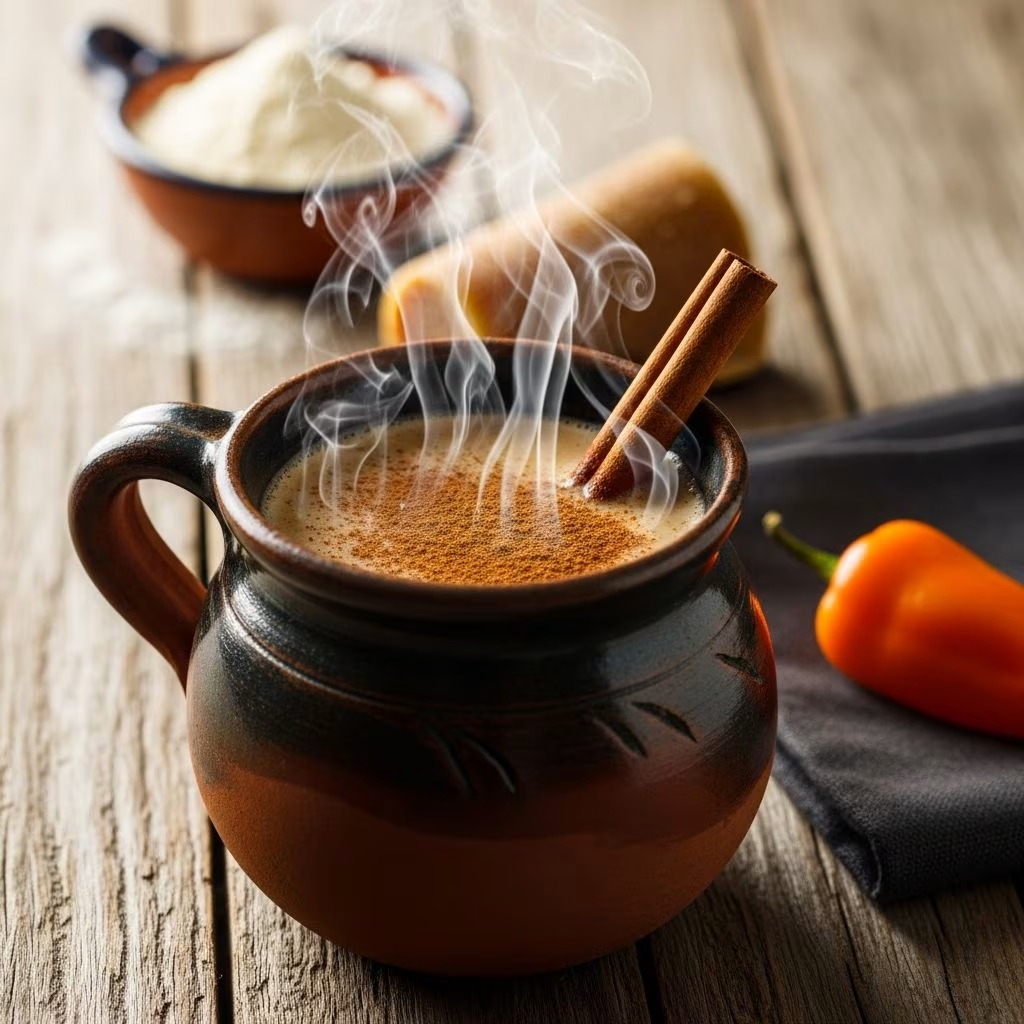
Experience the rich, comforting flavors of Mexican atole, a beloved traditional beverage that has warmed hearts and homes for centuries. This thick, creamy drink, made primarily from masa harina, milk, and natural sweeteners like piloncillo, offers a subtle corn essence infused with aromatic cinnamon and vanilla. Perfect for chilly mornings, festive celebrations, or as a soothing evening treat, atole embodies the essence of Mexican culinary heritage.
The Cultural Legacy of Atole in Mexico
Atole traces its roots deep into pre-Hispanic Mexico, where indigenous peoples crafted similar corn-based drinks from nixtamalized maize long before European influences arrived. Archaeological evidence and historical texts suggest that atole-like beverages were staples among the Aztecs, often prepared for rituals, daily sustenance, and as offerings to deities. The name ‘atole’ derives from the Nahuatl word ‘atolli,’ meaning ‘watered corn,’ highlighting its foundational ingredient of corn masa.
During the colonial era, Spanish ingredients such as milk, cinnamon, and vanilla blended with native techniques, evolving atole into the versions enjoyed today. It became integral to religious festivals like Día de los Muertos and Las Posadas, where families gather to share steaming mugs. In rural communities, atole serves as nutritious fare for laborers, providing sustained energy from its carbohydrate-rich profile. Today, it remains a symbol of hospitality and comfort across Mexico and Latin America, with regional twists reflecting local ingredients and preferences.
Essential Ingredients for Perfect Atole
Crafting authentic atole requires a few key components, each contributing to its signature texture and taste. Here’s a breakdown:
- Masa harina: This finely ground corn flour, treated with lime (nixtamalization), imparts the drink’s subtle corn flavor and thickening power. Unlike regular cornmeal, it’s smooth and essential for authenticity. Use about ½ cup for a standard batch.
- Milk: Whole milk yields the creamiest result, but 2% works for lighter versions. It adds richness and balances the corn’s earthiness. Approximately 4 cups create the base.
- Piloncillo: Unrefined cane sugar in cone form provides deep, caramel-like sweetness. Grate or chop 4 ounces, adjusting to taste. Substitutes like brown sugar or jaggery can work in a pinch.
- Cinnamon stick: Mexican or Ceylon cinnamon infuses warm spice without overpowering. One stick steeps flavor during cooking.
- Vanilla extract: 1-2 teaspoons enhance aroma. Pure Mexican vanilla elevates the drink.
- Salt and water: A pinch of salt brightens flavors; 1½ cups warm water helps dissolve masa harina smoothly.
These ingredients are widely available in Hispanic markets or online, ensuring accessibility for home cooks worldwide.
Step-by-Step Guide to Making Traditional Atole
Preparing atole is straightforward, taking about 40 minutes. Patience and constant whisking prevent lumps and ensure silkiness. Yields 6 servings.
Combine milk, grated piloncillo, and cinnamon stick in a medium saucepan. Heat over low-medium, stirring frequently until sugar dissolves fully, about 10 minutes. This infuses deep flavor.
Remove cinnamon stick (strain if fragmented). In a bowl, whisk masa harina with warm water until lump-free, like a thin paste.
Pour masa mixture into the warm milk, add vanilla and salt. Whisk vigorously to incorporate.
Bring to a gentle simmer on medium heat, then reduce to low. Cook 25-30 minutes, whisking often, until thick enough to coat a spoon. It should be velvety, not runny.
Ladle into mugs, dust with ground cinnamon. Serve immediately for optimal warmth and froth.
Pro Tip: Use a molinillo (traditional wooden whisk) for authentic froth and even blending.
Customizing Your Atole: Flavors and Variations
Atole’s versatility shines in its adaptations. Adjust thickness by adding more liquid for a drinkable consistency or less for porridge-like champurrado.
| Variation | Key Additions | Best For |
|---|---|---|
| Chocolate Atole (Champurrado) | Chocolate tablets, chili powder | Day of the Dead festivities |
| Strawberry Atole | Pureed strawberries, less piloncillo | Spring gatherings |
| Vanilla Atole | Extra vanilla bean, skip cinnamon | Everyday comfort |
| Pinole Atole | Toasted ground corn, nuts | Energizing breakfast |
| Dairy-Free | Plant milk (oat/almond), coconut sugar | Vegan diets |
Experiment with fruits like guava or pineapple for tropical twists, or nuts for heartiness. For holidays, infuse with star anise or cloves.
Nutrition and Health Benefits of Atole
Beyond taste, atole offers nutritional value. A serving provides approximately 200-250 calories, with carbs from masa for energy, protein from milk, and minerals from piloncillo like iron and calcium. Nixtamalization boosts niacin bioavailability, aiding digestion and metabolism.
It’s naturally gluten-free (verify masa harina label) and customizable for low-sugar diets. Studies on corn-based beverages note their role in traditional diets for sustained energy without blood sugar spikes when balanced. Consume moderately as a wholesome alternative to sugary drinks.
Storage, Reheating, and Troubleshooting
Fresh atole tastes best, but leftovers store in the fridge up to 2 days in an airtight container. Reheat gently on stovetop with extra milk to restore creaminess; microwave works but stir often to avoid lumps.
Common Issues:
- Lumpy texture: Whisk masa-water longer before adding; strain if needed.
- Too thick/thin: Dilute with milk or simmer longer.
- Bitter taste: Reduce cinnamon steeping or use fresh sticks.
- Not sweet enough: Stir in more piloncillo at end.
Always refrigerate promptly to prevent spoilage.
Pairing Atole with Mexican Traditions and Foods
Atole pairs beautifully with tamales, buñuelos, or pan dulce during holidays. Its warmth complements spicy fare, cutting richness in mole or barbacoa. Serve at posadas (Christmas reenactments) or All Saints’ Day altars for cultural authenticity.
In modern settings, enjoy with churros for dessert or as a breakfast boost alongside eggs and tortillas. Its comforting nature makes it ideal for family bonding.
Frequently Asked Questions (FAQs)
What is the difference between atole and hot chocolate?
Atole is corn-thickened and milder, while hot chocolate is cocoa-based and richer. Both are Mexican staples.
Can I make atole without masa harina?
Traditional recipes require it for texture; cornstarch substitutes dilute flavor. Stick to masa for authenticity.
Is atole vegan-friendly?
Yes, with plant milk and sugar alternatives. Omit dairy.
How long does atole last?
2 days refrigerated; freeze up to a month, thawing with milk.
What’s piloncillo, and can I replace it?
Unrefined cane sugar; use brown sugar or honey, but flavor changes slightly.
Conclusion: Embrace Atole in Your Kitchen
Mastering atole connects you to Mexico’s vibrant traditions. Simple yet profound, this drink transforms basic pantry items into liquid comfort. Gather ingredients, follow these steps, and savor the warmth—your home will thank you.
References
- Mexican Atole – Isabel Eats — Isabel Eats. 2023-10-15. https://www.isabeleats.com/mexican-atole/
- Mexican Atole de Vainilla with Masa Harina – Muy Bueno blog — Muy Bueno Blog. 2022-12-01. https://muybuenoblog.com/atole-de-vainilla/
- Mexican-Style Atole – Recipes – Goya Foods — Goya Foods. 2024-01-20. https://www.goya.com/en/recipes/mexican-style-atole/
- Mexican Atole (Warm Cornmeal Drink) – Curious Cuisiniere — Curious Cuisiniere. 2023-05-10. https://www.curiouscuisiniere.com/mexican-atole/
- Atole – Recipe – Food Hero — Food Hero. 2023-08-05. https://foodhero.org/recipes/atole