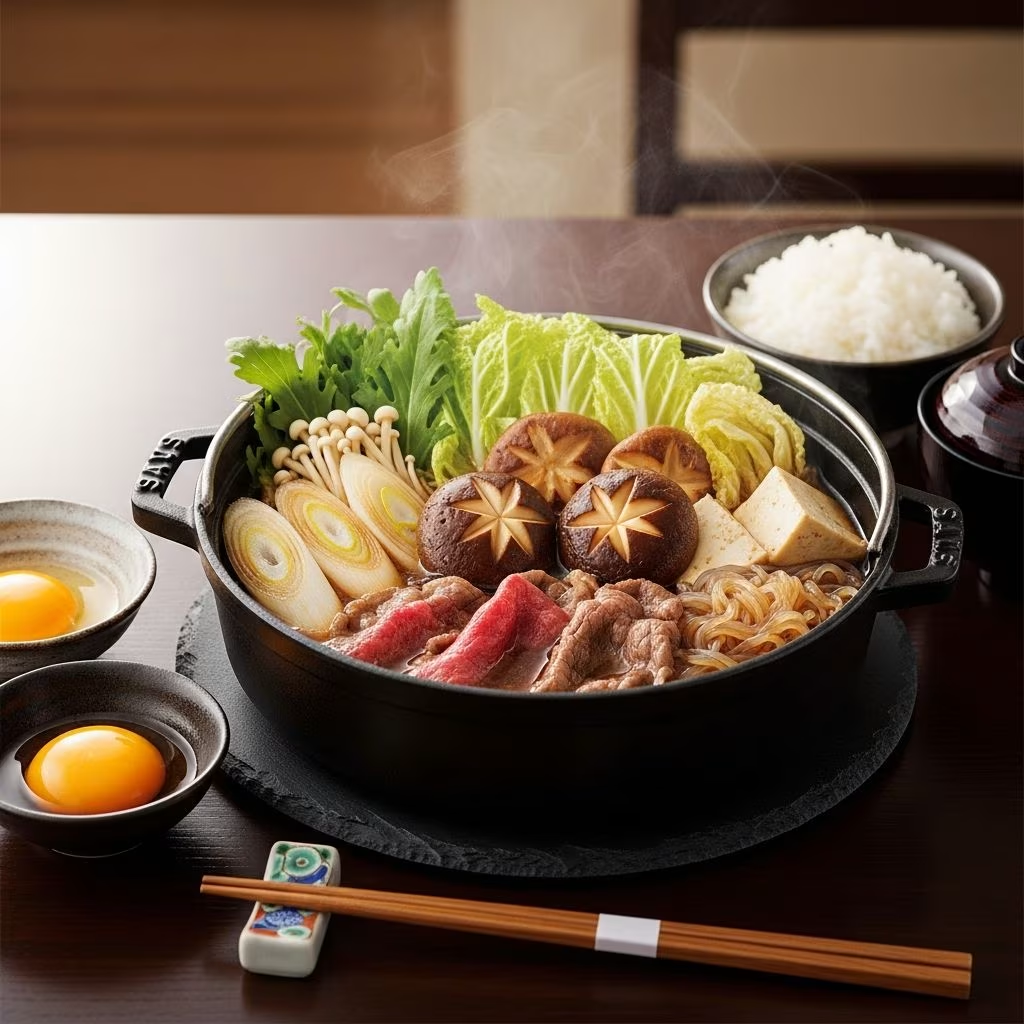
Beef sukiyaki stands as a cornerstone of Japanese comfort cuisine, bringing people together around a bubbling pot of savory-sweet flavors. This interactive dish features thinly sliced, marbled beef quickly seared and simmered alongside an array of fresh vegetables, silky tofu, and chewy noodles in a rich broth known as warishita. Originating from Japan, sukiyaki offers a communal dining ritual where diners cook bites at the table, dipping them into beaten eggs for added richness. It’s not just a meal; it’s a sensory journey that warms the body and soul, especially during chilly evenings.
Understanding the Essence of Sukiyaki
Sukiyaki differs from other hot pots like shabu-shabu by its thicker, sweeter sauce and emphasis on searing the beef first to lock in juices. The name “sukiyaki” derives from the cast-iron pot (suki) used for plowing (yaki), historically repurposed for cooking. Today, it’s prepared in shallow pots over portable burners, allowing everyone to customize their portions. The balance of umami from soy, sweetness from sugar and mirin, and subtle depth from dashi creates a broth that’s addictive when sopped up with rice.
Key to authenticity is high-quality, thinly sliced beef—often ribeye or chuck—marbled for tenderness. Vegetables provide crunch and freshness, while tofu and noodles absorb the flavorful liquid. Many enjoy it with raw egg yolks, a traditional touch that adds creaminess without overpowering the dish.
Essential Ingredients for Perfect Beef Sukiyaki
Gathering the right components ensures your sukiyaki shines. Focus on fresh, seasonal produce and premium beef for the best results. Here’s a breakdown:
- Beef: 1-1.5 lbs thinly sliced ribeye, chuck, or sukiyaki-cut beef (frozen slightly for easier slicing).
- Vegetables: 4 cups napa cabbage (chunked), 2-3 shiitake mushrooms (sliced), 1 bundle enoki mushrooms (trimmed), 1 bunch green onions (chopped), optional bok choy or chrysanthemum greens.
- Tofu: 8-12 oz firm or extra-firm tofu, cubed.
- Noodles: Shirataki, mung bean vermicelli, or udon (8 oz package).
- Broth Base (Warishita): 1/2 cup soy sauce, 1/2 cup mirin, 1/2 cup sake or water, 2-3 tbsp sugar, 1-2 cups dashi stock.
- Other: Vegetable oil or beef fat, beaten eggs for dipping.
Proportions can flex based on servings—scale up for larger groups. Opt for low-sodium soy and high-quality mirin to control flavors.
Step-by-Step Guide to Cooking Beef Sukiyaki
Preparation takes about 20 minutes, with cooking around 20-30 minutes. Use a wide, shallow pot or skillet for even simmering.
- Prepare Warishita: In a bowl, whisk soy sauce, mirin, sake, sugar, and dashi until sugar dissolves. Taste and adjust sweetness—sukiyaki should be mildly sweet.
- Prep Ingredients: Slice beef paper-thin if needed. Chop vegetables into bite-sized pieces. Drain and rinse shirataki noodles. Cube tofu and pat dry.
- Heat the Pot: Over medium heat, add 1 tbsp oil or render beef fat trimmings. Sear beef slices in batches for 10-20 seconds until browned but pink inside. Push to one side.
- Add Broth and Veggies: Pour in warishita, then arrange cabbage, mushrooms, tofu, and noodles around the beef. Cover and simmer 10-15 minutes until veggies soften.
- Simmer and Serve: Uncover, add green onions. Cook until everything is tender. Diners pick items, dip in beaten egg, and eat with rice. Replenish broth as needed.
For table-side cooking, set up a portable burner. This keeps the experience lively and fresh.
Pro Tips for Restaurant-Quality Results
- Beef Slicing: Partially freeze beef for clean cuts. Ask butchers for sukiyaki slices.
- Broth Balance: Start with less sugar; add more during cooking. Dashi from kombu or shiitake adds depth .
- Egg Dipping: Use fresh, pasteurized eggs. Beat lightly for a silky coating that tempers the heat.
- Pot Choice: Cast iron retains heat well, mimicking traditional sukiyaki nabe .
- Don’t Overcook: Beef should melt in your mouth; veggies retain slight crunch.
Customizing Your Sukiyaki: Variations and Substitutions
Sukiyaki adapts easily to preferences or availability. Here’s a comparison table of common tweaks:
| Classic Ingredient | Substitution | Why It Works |
|---|---|---|
| Napa cabbage | Bok choy or spinach | Similar texture, quick-cooking greens. |
| Shiitake mushrooms | Button or oyster | Earthy flavor alternative. |
| Shirataki noodles | Udon or sweet potato noodles | Chewier bite for heartiness . |
| Ribeye beef | Pork or chicken | Lighter protein option. |
| Mirin | Sake + sugar | DIY sweet rice wine effect. |
For vegetarian versions, swap beef for extra tofu or mushrooms. Regional styles vary: Kansai starts with broth, Kanto sears meat first . Experiment to find your favorite.
Pairing Sukiyaki with Sides and Drinks
Complement the rich broth with steamed rice to soak it up. Pickled vegetables cut through sweetness. For drinks, chilled sake or green tea refreshes the palate. Avoid heavy reds; opt for light whites or Japanese beers.
Nutritional Profile and Health Benefits
A serving (about 1/6 of pot) offers balanced macros: high protein from beef/tofu (30g+), fiber from veggies, low carbs if using shirataki. It’s nutrient-dense with vitamins A, C, K from greens, and B12 from beef. Sodium is notable (from soy), so use low-sodium options. Approximately 450-500 calories per serving, making it satisfying yet not overly indulgent .
Benefits include immune-boosting mushrooms and anti-inflammatory properties from cabbage. It’s gluten-free adaptable with tamari.
Common Mistakes to Avoid
- Boiling too vigorously—simmer gently to prevent tough beef.
- Overloading the pot—cook in batches for even heating.
- Skipping the sear—browning builds flavor foundation .
- Ignoring freshness—stale veggies dull the dish.
Storage, Reheating, and Make-Ahead Tips
Leftovers keep 2-3 days in airtight containers. Reheat gently on stovetop with splash of broth. Freezes well for 1 month; thaw overnight. Prep warishita and chop veggies ahead for quick assembly.
Frequently Asked Questions (FAQs)
What is the difference between sukiyaki and shabu-shabu?
Sukiyaki uses a sweet soy broth with seared beef; shabu-shabu is lighter kombu broth with swished-thin beef .
Can I make sukiyaki without a hot pot?
Yes, a large skillet or electric skillet works fine for stovetop or table use.
Is raw egg safe in sukiyaki?
Use fresh, high-quality eggs. Pasteurized options eliminate risk.
How spicy is sukiyaki?
Not spicy traditionally; add chilies if desired.
What’s the best beef cut for sukiyaki?
Marbled ribeye or short rib for tenderness .
Why Sukiyaki Captivates Home Cooks Worldwide
Its simplicity belies the depth of flavor, making it ideal for beginners and pros. The shared cooking fosters connection, turning dinner into an event. Whether for date nights or family gatherings, beef sukiyaki delivers joy in every dip.
References
- How to Make Beef Sukiyaki | Traditional Japanese Recipe — YouTube. 2020-01-15. https://www.youtube.com/watch?v=5sfy-hv0lxo
- Beef Sukiyaki – Japanese Comfort Food — Winnie’s Balance. 2023-05-12. https://winniesbalance.com/beef-sukiyaki-japanese-comfort-food/
- Beef Sukiyaki — Hawaiian Electric. 2022-11-08. https://www.hawaiianelectric.com/recipes/find-a-recipe/beef-sukiyaki
- Sukiyaki: A Japanese One Pot Meal — The Woks of Life. 2024-02-20. https://thewoksoflife.com/sukiyaki/
- Beef Sukiyaki Recipe | Japanese Hot Pot — White on Rice Couple. 2021-10-05. https://whiteonricecouple.com/beef-sukiyaki-hot-pot-recipe/
- Sukiyaki Recipe (Video) — Just One Cookbook. 2023-12-18. https://www.justonecookbook.com/sukiyaki/
- Sukiyaki Recipe — Kikkoman Corporation. 2024-01-10. https://www.kikkoman.com/en/cookbook/recipe/00000155.html