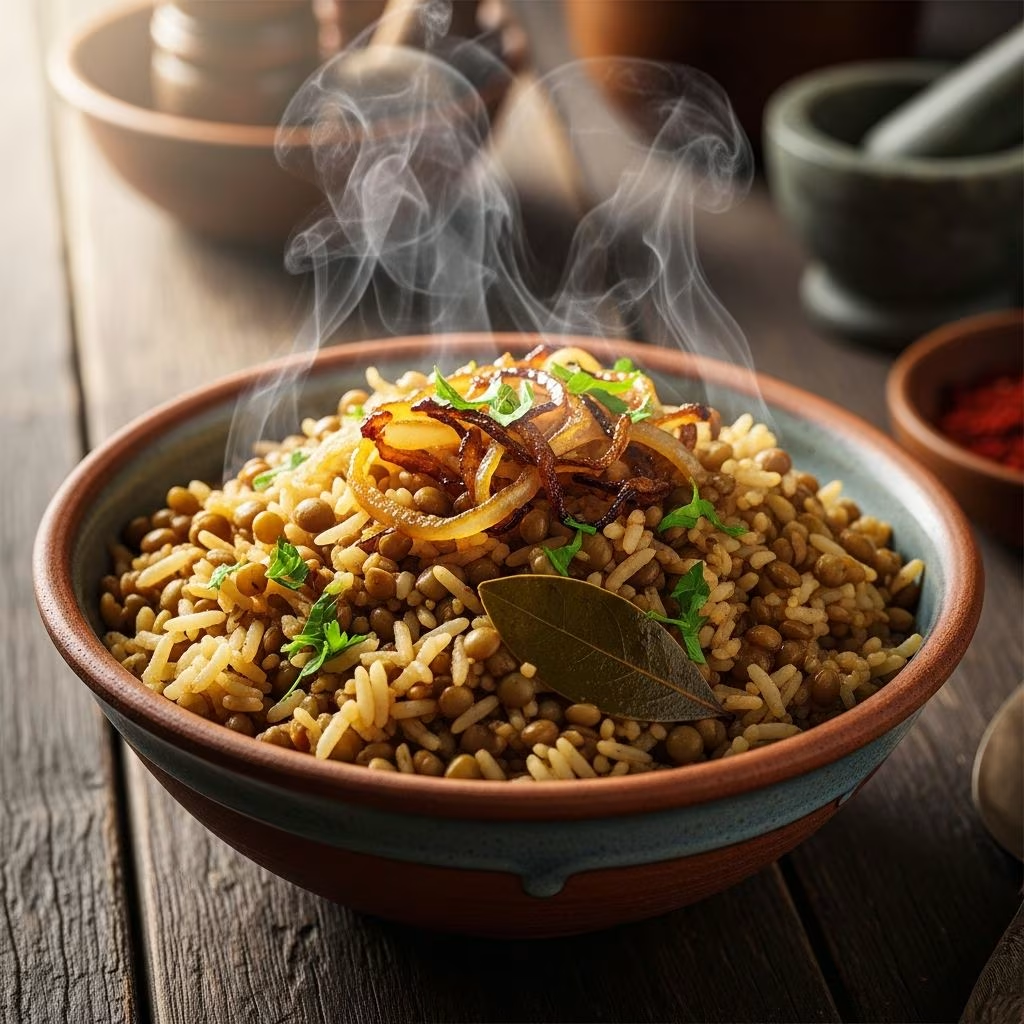
Mejadra, also known as mujaddara or mujadarra, stands as one of the most enduring dishes in Middle Eastern culinary tradition. This simple yet profoundly flavorful combination of lentils, rice, and caramelized onions has nourished generations across diverse communities, from bustling markets in Jerusalem to family tables throughout the Levant. Its appeal lies in its humility—made from pantry staples—paired with bold spices that elevate it to comfort food status.
The Timeless Heritage of Mejadra
Tracing its roots back centuries, mejadra embodies shared culinary heritage among Muslims, Christians, and Jews in the region. Historical accounts suggest it originated as a peasant dish, leveraging affordable ingredients like lentils and grains to create sustenance. Over time, it evolved into a staple mentioned in ancient texts and celebrated in modern cookbooks. The dish’s name derives from Arabic, roughly translating to “pockmarked,” referring to the speckled appearance of lentils amid the rice.
Today, mejadra remains a symbol of resilience and ingenuity. It’s often served during religious observances or as everyday fare, proving that profound taste doesn’t require extravagance. Variations span countries like Lebanon, Syria, and Palestine, each adding local twists while honoring the core formula.
Essential Ingredients for Authentic Mejadra
At its heart, mejadra relies on a handful of key components. High-quality basmati rice provides fluffiness, green or brown lentils add earthiness, and onions—both caramelized and fried—deliver crunch and sweetness. Spices such as cumin, coriander, turmeric, cinnamon, and allspice infuse warmth and depth.
- Lentils: Green or brown varieties hold shape best; avoid red lentils which become mushy.
- Rice: Basmati for its aromatic qualities and separate grains.
- Onions: Sliced thinly for frying into crisp topping; chopped for base flavor.
- Spices: Whole seeds toasted for maximum aroma, ground for even distribution.
- Oil: Neutral vegetable oil for frying; olive for sautéing.
Optional additions like yogurt, greens, or chickpeas enhance without overpowering the classic profile.
Mastering the Step-by-Step Preparation
Preparing mejadra involves layering flavors through distinct stages: cooking lentils, toasting spices, frying onions, and simmering rice. Patience yields the best results, especially with the crispy onion topping.
Step 1: Cook the Lentils
Begin by rinsing 1¼ cups green lentils. Boil in unsalted water for 15-20 minutes until tender but firm. Drain and set aside. This partial cook prevents over-softening later.
Step 2: Fry the Onions
Heat 2 cups vegetable oil to 350°F. Toss 2 thinly sliced onions with 3 tablespoons flour and a pinch of salt. Fry in batches until golden and crisp, about 5 minutes per batch. Drain on paper towels. Reserve some raw slices for caramelizing if desired.
Step 3: Toast and Build the Base
In a large pot, toast 2 teaspoons cumin seeds and 1½ tablespoons coriander seeds over medium heat until fragrant, 1-2 minutes. Add 3 tablespoons olive oil, ½ teaspoon turmeric, 1½ teaspoons each allspice and cinnamon, 1 teaspoon sugar, salt, and pepper. Stir in 1 cup basmati rice, coating grains thoroughly.
Step 4: Simmer to Perfection
Add cooked lentils and 1½ cups water. Bring to boil, reduce to low, cover, and simmer 15 minutes. Remove from heat, drape a tea towel over the pot under the lid, and rest 10 minutes. This technique, known as stuck-pot method, crisps the bottom layer delightfully.
Step 5: Assemble and Serve
Fluff rice, top with fried onions. Serve warm with yogurt, salad, or pickled vegetables for contrast.
Flavor Science: Why Toasting Spices Matters
Toasting unlocks essential oils in cumin and coriander, transforming raw notes into nutty, blooming aromas. This simple step, rooted in ancient practices, intensifies flavor without added ingredients. Grind post-toast for even infusion, or use whole for texture.
| Spice | Role in Mejadra | Toasting Benefit |
|---|---|---|
| Cumin | Earthy warmth | Releases smoky depth |
| Coriander | Citrusy brightness | Enhances floral notes |
| Turmeric | Golden color, mild bitterness | Reduces raw edge |
| Cinnamon/Allspice | Sweet spice | Amplifies cozy profile |
Nutritional Profile and Health Benefits
Mejadra shines as a vegan, gluten-free powerhouse. One serving delivers about 400 calories, 15g protein from lentils, and 70g complex carbs from rice. Lentils provide fiber for digestion, iron for energy, and folate for cell health. Spices offer antioxidants; onions add prebiotics.
- Protein: Complete when rice and lentils combine.
- Fiber: Supports gut health and satiety.
- Low glycemic: Steady energy release.
Customizations like adding greens boost vitamins A and C.
Creative Variations to Elevate Mejadra
While traditionalists stick to basics, innovations abound. Melissa Clark’s version incorporates spring greens for freshness. Add chickpeas or okra for heartiness. For a one-pot twist, sauté everything sequentially. Brown rice extends cook time but adds nuttiness.
- Green Mejadra: Stir in spinach or kale post-simmer.
- Protein Boost: Top with fried eggs or labneh.
- Gluten-Free: Skip flour in onion coating.
- Spicy Kick: Infuse oil with chili flakes.
These keep the dish versatile for modern tables.
Common Pitfalls and Pro Tips
Avoid mushy results by not overcooking lentils or rice. Use a heavy pot for even heat. For ultra-crisp onions, ensure oil is hot and slices are dry. Scale spices conservatively at first—flavors intensify during rest.
- Measure water precisely: 1.5:1 ratio to rice.
- Fry onions in small batches to maintain temperature.
- Resting phase is non-negotiable for texture.
Pairing Suggestions for the Perfect Meal
Mejadra pairs beautifully with cooling yogurt or tzatziki, tangy pickles, and fresh salads like fattoush. For drinks, opt for mint tea, sparkling water with lemon, or light wines like Sauvignon Blanc. It’s ideal for meal prep, reheating well with a steam.
Frequently Asked Questions (FAQs)
What is the difference between mejadra and mujaddara?
They refer to the same dish, with spelling variations by region or transliteration. Mejadra is common in some English adaptations, mujaddara in Arabic contexts.
Can I make mejadra in a rice cooker?
Yes—combine sautéed base with lentils and water, cook on standard setting, then rest.
Is mejadra suitable for meal prep?
Absolutely; it stores 4-5 days refrigerated and flavors deepen over time.
How do I achieve crispy onions without deep-frying?
Air-fry coated slices at 375°F for 10-12 minutes, shaking halfway.
What substitutions work for basmati rice?
Long-grain white or jasmine; adjust water slightly for absorption.
Mejadra’s magic lies in its simplicity and adaptability, making it a go-to for weeknights or gatherings. Experiment confidently to make it your own.
References
- Ottolenghi’s Mejadra Recipe — The View from Great Island. 2023-05-15. https://theviewfromgreatisland.com/mejadra/
- Best Mujaddara Rice | Mejadra Recipe — Tia Clara. 2022-11-20. https://tiaclara.com/rice-mejadra-recipe/
- Stuck-Pot Rice with Lentils and Yogurt — Smitten Kitchen. 2014-02-25. https://smittenkitchen.com/2014/02/stuck-pot-rice-with-lentils-and-yogurt/