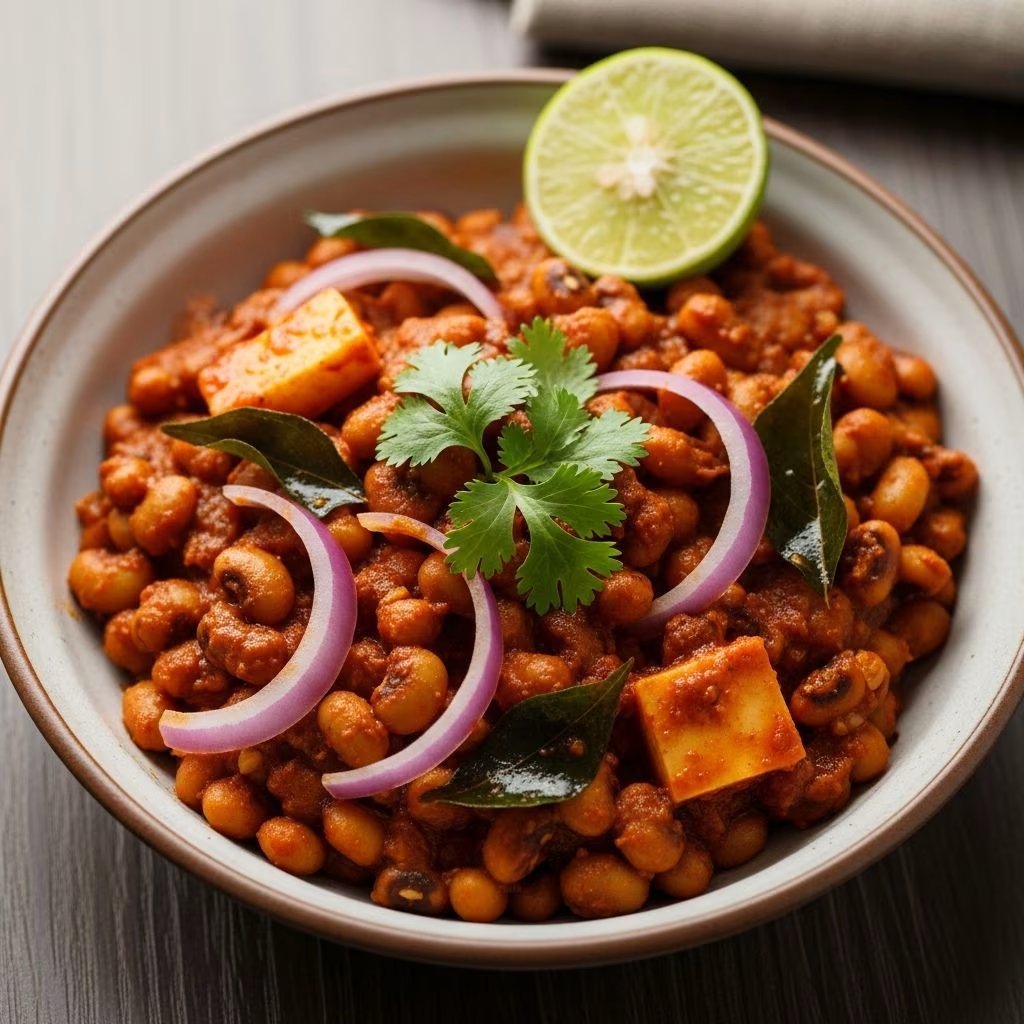
The coastal regions of India have long been celebrated for their distinctive culinary traditions, where seafood, coconut, and bold spice combinations create unforgettable dishes. Among these treasures lies a humble yet deeply satisfying preparation: Konkani lobia, a regional variation of black-eyed peas curry that captures the essence of coastal Indian cooking. This legume-based dish represents the resourcefulness and flavor expertise of the Konkani people, transforming simple ingredients into a complex, layered dish that pairs beautifully with rice, flatbreads, or other Indian staples.
Understanding Konkani Culinary Heritage
Konkani cuisine emerges from the Konkan coast, a narrow strip of land stretching along the Arabian Sea that encompasses parts of Maharashtra, Goa, Karnataka, and Kerala. This region’s food culture reflects centuries of trade, migration, and cultural exchange, resulting in a unique blend of flavors that distinguishes it from other Indian cuisines. The use of coconut, mustard seeds, curry leaves, and tamarind creates a signature taste profile that defines Konkani cooking.
Within this culinary tradition, legumes like black-eyed peas occupy a special place. Known locally as lobia, these small white beans with characteristic black spots have been a staple protein source for generations. Unlike heavier meat-based curries, legume preparations offer versatility, affordability, and nutritional benefits that make them ideal for everyday meals and festive occasions alike.
The Nutritional Profile of Black-Eyed Peas
Black-eyed peas represent a nutritional powerhouse that deserves more recognition in modern cooking. These legumes deliver substantial amounts of plant-based protein, making them an excellent choice for vegetarians, vegans, and anyone seeking to diversify their protein sources. Beyond protein, lobia contains significant quantities of dietary fiber, which supports digestive health and helps maintain stable blood sugar levels throughout the day.
The mineral content in black-eyed peas includes iron, magnesium, phosphorus, and potassium—nutrients essential for bone health, energy production, and cardiovascular function. The spices typically used in Konkani preparations, including turmeric, coriander, and cumin, complement these nutritional benefits by offering anti-inflammatory and digestive properties that enhance the overall wellness value of the dish.
Essential Ingredients for Authentic Konkani Lobia
Creating an authentic Konkani lobia requires understanding how each ingredient contributes to the final flavor profile. The following components form the foundation of this regional classic:
- Black-eyed peas (lobia): The primary ingredient, these legumes should be sorted and rinsed before soaking to ensure quality and remove any debris
- Black mustard seeds: These tiny seeds provide the characteristic sharp, peppery flavor that defines Konkani cooking and should be tempered in hot oil to release their essential oils
- Curry leaves: Fresh curry leaves impart a distinctive aromatic quality and subtle citrus notes that are irreplaceable in this preparation
- Ground cumin and coriander: These warming spices add depth and complexity, balancing the sharpness of mustard seeds and the tanginess of other elements
- Tomatoes: Fresh tomatoes provide acidity and body to the curry, creating a cohesive gravy that binds all flavors together
- Turmeric and red chili powder: These provide color, warmth, and a gentle heat that builds throughout the meal
- Oil: Traditionally mustard oil, though any neutral oil works well for tempering spices and creating the base of the curry
- Onions and garlic: Aromatics that form the flavor foundation and provide sweetness when caramelized
The Art of Preparation: Step-by-Step Technique
Preparing Konkani lobia requires patience and attention to technique, as each step builds upon the previous one to create the final layered flavor profile.
Soaking and Initial Preparation
Begin by measuring out your black-eyed peas and sorting through them carefully to remove any stones or discolored beans. Rinse them thoroughly under cool running water, then submerge them in fresh water and allow them to soak for at least 4 hours, preferably overnight. This soaking process softens the legumes and reduces cooking time while making them more digestible. Before cooking, drain the soaked peas in a colander and rinse once more.
Building the Flavor Base
Heat oil in a heavy-bottomed pot or pressure cooker over medium-high heat. Once the oil shimmers, add black mustard seeds and allow them to crackle and pop for several seconds—this crucial step releases their volatile oils and creates the foundation of the dish’s flavor. Immediately follow with fresh curry leaves, stirring continuously for just a few seconds to prevent burning.
Next, add finely chopped onions to the aromatic oil and reduce heat to medium. Allow the onions to cook slowly, stirring occasionally, until they turn golden brown and develop a sweet, caramelized character. This typically requires 5-7 minutes of patient cooking. The caramelized onions create a sweet counterbalance to the sharp mustard seeds and the tangy elements that will follow.
Spice Tempering and Aromatics
Add minced garlic and grated ginger to the caramelized onions, stirring continuously for approximately one minute to cook out their raw bite. Follow this with your ground cumin and coriander, stirring to coat all ingredients evenly. Add a small splash of water at this point to prevent the spices from sticking to the bottom of the pot and burning—this technique prevents that unpleasant burnt spice flavor while allowing the spices to bloom in the moist environment.
Continue cooking this spice mixture for 45 seconds to 1 minute, until the raw spice aroma transforms into a toasted, fragrant bouquet. This is the moment to add turmeric powder and red chili powder, stirring well to combine thoroughly. Chop fresh tomatoes and add them to the pot, cooking until they soften and begin to break down into the oil, which typically takes 2-3 minutes. The mixture should appear jammy and glistening at this stage, with oil beginning to separate slightly from the sides of the pot.
Cooking the Legumes
Add your drained, soaked lobia to the aromatic base, stirring well to coat each bean with the spiced mixture. Allow the beans and masala to cook together for 1-2 minutes, which helps marry the flavors and allows the legumes to begin absorbing the spice profile. Add approximately 3-4 cups of water (depending on your preferred gravy consistency) and stir thoroughly.
If using a pressure cooker, seal the lid and cook on high pressure for one whistle, then reduce heat to low and continue cooking for 5 additional minutes. Allow the pressure to release naturally before opening. Alternatively, if cooking on the stovetop without pressure, bring the mixture to a boil, then reduce heat and simmer covered for 30-40 minutes, stirring occasionally, until the beans are completely tender and the gravy has thickened slightly.
Flavor Dimensions in Konkani Lobia
The beauty of Konkani lobia lies in its complex interplay of distinct flavor dimensions. The sharp, peppery notes from the mustard seeds and curry leaves create an immediate sensory impact. These are balanced by the warming, earthy qualities of the spices like cumin and coriander, which provide depth and prevent the dish from tasting one-dimensional.
The subtle tanginess emerges from the tomatoes and any souring agents traditionally used in some regional variations. This tartness cuts through the richness of the oil and provides brightness that prevents the curry from feeling heavy. Finally, the natural earthiness of the black-eyed peas themselves adds body and creates a satisfying, substantial dish that feels nourishing rather than insubstantial.
Regional Variations and Adaptations
While Konkani lobia maintains certain consistent characteristics, regional variations exist throughout the Konkan coast. Some preparations incorporate freshly grated coconut or coconut milk to add richness and a subtle sweetness. Others might include tamarind paste for additional tanginess or a touch of jaggery for complexity. The flexibility of the basic recipe allows home cooks to adapt it based on personal preferences, ingredient availability, or family traditions.
Modern adaptations include cooking the dish in an Instant Pot or other electric pressure cooker for convenience, which significantly reduces hands-on cooking time while maintaining the authentic flavor profile. The technique remains essentially the same, simply accelerated by modern technology.
Serving Suggestions and Pairings
Konkani lobia achieves its full potential when paired thoughtfully with complementary dishes. Serve it alongside steamed basmati rice, which provides a neutral canvas that allows the complex curry flavors to shine. Alternatively, pair it with various Indian flatbreads such as:
- Rotis or chapatis for a light, everyday meal
- Parathas, especially those layered with oil or stuffed with vegetables, for a more indulgent presentation
- Poori or bhatura for festive occasions when you desire something more elaborate
- Rice varieties like jeera rice or coconut rice for additional flavor dimension
A fresh vegetable salad featuring tomatoes, cucumbers, and onions dressed with lemon juice and salt provides a refreshing contrast to the rich, spiced curry. Simple yogurt raita with mint offers cooling relief and aids digestion.
Storage and Make-Ahead Strategies
Konkani lobia represents an excellent candidate for batch cooking and meal preparation. The flavor actually improves after a day or two as the spices continue to infuse the legumes and gravy. Store cooled lobia in an airtight container in the refrigerator for up to 4 days. For longer storage, freeze portions in airtight containers or freezer bags for up to 3 months.
When reheating, add a splash of water to restore the gravy consistency, as the curry thickens during storage. Reheat gently over medium heat, stirring occasionally, until warmed through. This make-ahead quality makes Konkani lobia ideal for busy schedules and meal planning.
Frequently Asked Questions
Can I skip soaking the black-eyed peas?
While soaking significantly reduces cooking time and improves digestibility, you may skip it if necessary. Simply increase the pressure cooking time to 7 whistles or extend the stovetop simmer time to 45-50 minutes. Soaking, however, produces superior texture and is recommended for best results.
What if I don’t have fresh curry leaves?
Fresh curry leaves contribute distinctive flavor, but in their absence, you may omit them without completely compromising the dish. Alternatively, use dried curry leaves (though flavor will be less vibrant) or substitute with fresh cilantro for a different but pleasant variation.
How can I adjust the spice level?
Reduce the red chili powder if you prefer milder heat, or add green chilies during the tempering stage for a different type of spiciness. The mustard seeds provide their own sharpness independent of heat, so even with reduced chili powder, the dish maintains character.
Is this dish vegan?
Yes, Konkani lobia is naturally vegan, containing no animal products. It’s an excellent plant-based protein option that satisfies both nutritionally and culinarily.
Can I use canned black-eyed peas instead?
While canned legumes offer convenience, they tend to become mushy when cooked in the traditional manner. If using canned peas, add them during the final 5-10 minutes of cooking rather than at the beginning to maintain their texture.
References
- Lobia Masala – Indian Black Eyed Peas Curry — Profusion Curry. 2024. https://profusioncurry.com/lobia-masala-indian-black-eyed-peas-curry/
- Black-Eyed Peas Curry (Indian Lobia Masala) – Instant Pot/Stovetop — Piping Pot Curry. 2024. https://pipingpotcurry.com/instant-pot-black-eyed-peas-curry-lobhia/
- Konkani Lobia from Instant Indian — CookBook. 2024. https://app.ckbk.com/recipe/clas13853c05s001r007/konkani-lobia