Gumbo represents one of Louisiana’s most celebrated culinary contributions, embodying the region’s rich cultural heritage and diverse flavor profiles. This iconic stew-like dish combines influences from French, Spanish, African, and Native American cooking traditions, resulting in a complex and deeply satisfying meal. Whether you’re a seasoned cook or exploring Louisiana cuisine for the first time, understanding the fundamentals of gumbo preparation opens doors to countless variations and adaptations.
Understanding the Foundation: The Roux
The roux serves as the backbone of any exceptional gumbo, functioning as both a thickening agent and a flavor builder. A proper roux requires equal parts fat and flour, typically combined in a ratio of one cup each for traditional recipes. The cooking process demands patience and attention, as the mixture must cook for approximately 30 to 45 minutes until it achieves a deep brown color resembling chocolate or mud. This extended cooking time allows the flour to develop complex flavors that simply cannot be rushed.
The transformation of a basic flour and fat combination into a rich, flavorful base demonstrates the importance of technique in gumbo preparation. Many cooks prefer using equal parts oil and flour, adjusting the type of oil based on regional preferences and dietary considerations. The heat level remains critical throughout the process; maintaining a steady medium to medium-high temperature prevents burning while ensuring even browning. Experienced gumbo makers often prepare the roux ahead of time, allowing flexibility in meal preparation schedules.
Essential Ingredients Across Gumbo Varieties
While gumbo recipes vary significantly based on regional traditions and ingredient availability, certain components appear consistently across most preparations. The aromatic base, commonly referred to as the “trinity” in Louisiana cooking, comprises celery, onions, and bell peppers. These vegetables provide the foundational flavor profile upon which all other ingredients build. Fresh green bell peppers contribute a subtle brightness, while yellow onions offer sweetness and depth.
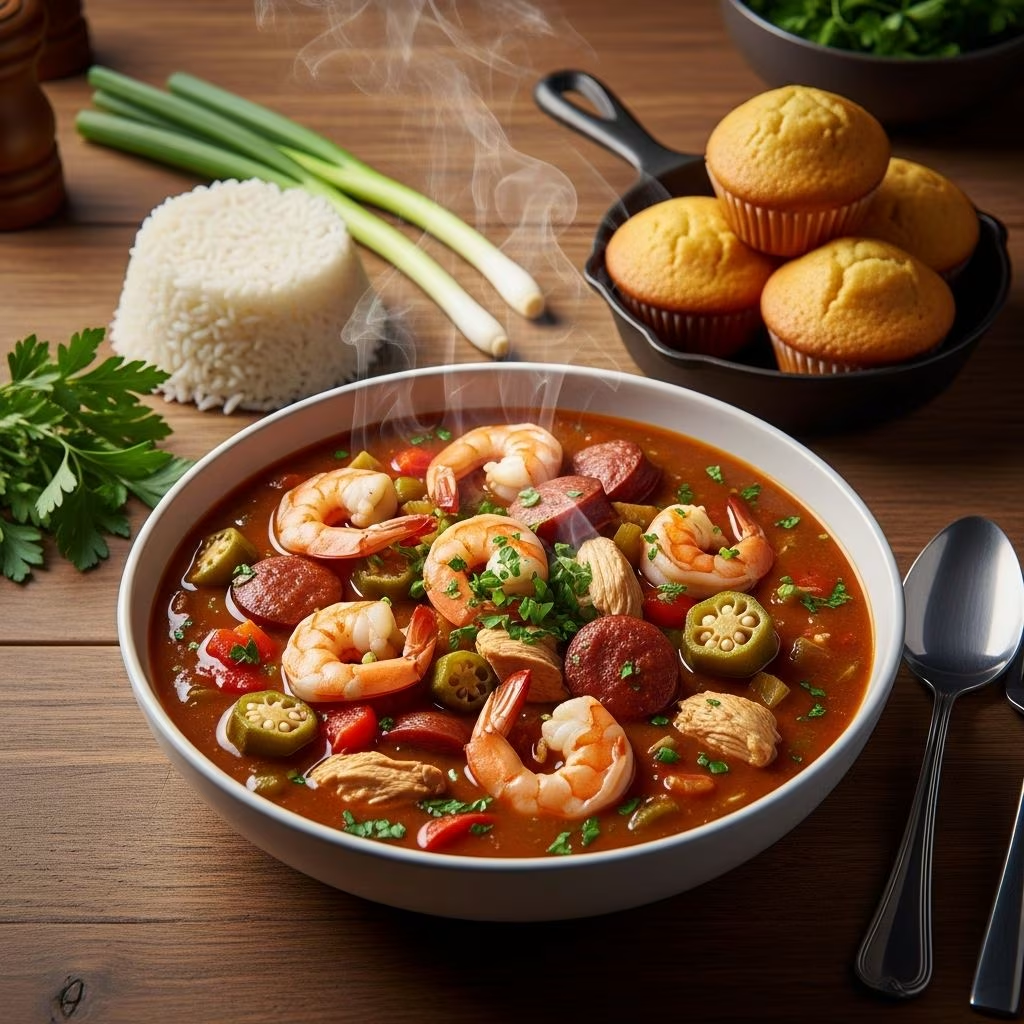
Protein options in gumbo reflect the bounty of Louisiana’s landscape and waterways. Chicken thighs and breasts provide an accessible and affordable protein base, while andouille sausage adds smoky, spiced notes that distinguish Louisiana gumbo from similar dishes in other regions. Seafood variations incorporate shrimp, crab, and oysters, transforming the dish into a more luxurious preparation suitable for special occasions. The choice between meat and seafood proteins often depends on availability, personal preference, and the specific regional style being recreated.
Seasonings elevate gumbo from a simple stew to a complex, multi-layered dish. Cajun seasoning blends, bay leaves, garlic, Worcestershire sauce, and hot sauce work in concert to create depth and complexity. Gumbo filé powder, made from ground sassafras leaves, serves both as a traditional thickener and flavor enhancer, though it remains optional for those preferring alternative textures. Some preparations incorporate okra, another traditional thickening agent that adds textural interest and subtle vegetable notes.
Comparing Cajun and Creole Variations
Understanding the distinction between Cajun and Creole gumbo styles helps clarify the diverse recipes available to home cooks. Cajun gumbo typically features a dark roux base without tomatoes, relying on the depth of the roux and complementary seasonings for its distinctive brown color and rich flavor profile. This version emphasizes the earthiness of the roux and the natural flavors of proteins and aromatics. Conversely, Creole gumbo traditionally incorporates tomatoes, contributing acidity and a reddish hue that distinguishes it visually and flavor-wise from its Cajun counterpart.
The geographical origins of these variations reflect the distinct cultural communities that developed them. Cajun gumbo emerged from rural Acadian settlements in Louisiana’s countryside, while Creole gumbo developed in New Orleans and other urban centers with more diverse ingredient access. Both styles merit exploration and appreciation, as each offers unique culinary insights and flavor experiences that satisfy different palates and occasions.
Step-by-Step Preparation Process
Creating gumbo follows a logical progression that ensures optimal flavor development and texture. The first critical step involves preparing the roux, which can happen before beginning other components. Combining equal parts fat and flour in a heavy-bottomed pot, cooks stir constantly over medium heat, watching carefully as the mixture gradually darkens from blonde to chocolate brown. This foundational step cannot be skipped or rushed without compromising the final product.
Once the roux reaches the desired color, the next phase involves introducing the aromatic vegetables. Adding the diced celery, onions, and bell peppers to the hot roux creates a flavorful base through a process called “sweating” the vegetables. This technique releases the vegetables’ natural juices and allows them to meld with the roux, creating a cohesive flavor base. Fresh parsley and minced garlic join at this stage, further building aromatic complexity.
The protein preparation happens simultaneously with vegetable chopping. Andouille sausage benefits from browning in a separate skillet, developing a caramelized exterior that concentrates its flavors. Chicken pieces can be browned similarly or added directly to the gumbo depending on recipe preferences and time constraints. This browning step creates fond—flavorful browned bits—that contribute additional depth to the finished dish.
Combining all elements represents the next crucial stage. The browned sausage, vegetables, proteins, and any additional components merge with the roux base in a large pot, followed by the addition of chicken broth. Stirring thoroughly ensures even distribution and prevents lumping. At this point, Cajun seasoning and other seasonings are added to taste, allowing cooks to adjust flavors according to personal preferences. Bringing the mixture to a simmer and then reducing heat to medium allows flavors to meld and develop over approximately 20 minutes of gentle cooking.
Regional Recipe Variations
Authentic New Orleans-style gumbo represents perhaps the most widely recognized version, combining chicken, sausage, and shrimp in a deeply flavored dark roux base. This trinity of proteins creates a complex flavor profile that appeals to diverse palates. The combination of meat and seafood proteins distinguishes New Orleans gumbo from simpler single-protein versions found in other regions.
Louisiana seafood gumbo emphasizes shellfish, featuring shrimp and crab as primary proteins. With a focus on fresh seafood, this variation showcases the Gulf of Mexico’s bounty and appeals to those seeking lighter, more delicate flavors than meat-based versions provide. The deep roux remains essential, providing the flavorful foundation that anchors the delicate seafood components.
Chicken and sausage gumbo offers an approachable entry point for newcomers to the cuisine. This straightforward combination of tender chicken and smoky sausage creates a satisfying, hearty dish that pairs perfectly with rice. The simplicity of this variation does not diminish its appeal; rather, it allows the fundamental flavors of a well-made roux and quality ingredients to shine without excessive complexity.
Tips for Storage and Reheating
Gumbo’s flavor profile actually improves over time as ingredients continue melding and developing complexity. Proper storage extends the dish’s usability across multiple meals. Refrigerated gumbo maintains quality for up to three days when stored in airtight containers. For longer storage, freezing preserves gumbo for up to three months, requiring only overnight refrigerator defrosting before reheating.
Reheating gumbo on the stovetop over medium heat allows gentle warming that preserves texture and flavor. If the gumbo thickens excessively during storage, adding ¼ cup water while reheating restores the desired consistency. This flexibility makes gumbo an excellent candidate for meal planning and batch cooking, providing convenient options for busy weeknights.
Serving Suggestions and Accompaniments
Serving gumbo over hot cooked rice represents the traditional and universally accepted presentation method. Long-grain white rice provides the ideal foundation, offering a neutral base that allows gumbo flavors to remain center stage. Some cooks enhance the presentation by sprinkling additional green onions, fresh parsley, or a touch of filé powder over individual servings.
Hot sauce, whether Louisiana-style or according to personal preference, adds an optional layer of heat and flavor. This addition allows diners to customize their experience, adjusting spice levels to individual tolerance. Cajun seasoning sprinkled over the top offers another personalization option, emphasizing the dish’s regional character. Side dishes such as homemade potato salad or cornbread complement gumbo beautifully, rounding out a complete meal.
Common Modifications and Ingredient Substitutions
Gumbo’s adaptability allows for numerous modifications based on dietary restrictions, ingredient availability, or personal preferences. Okra represents an optional addition that some cooks include for its thickening properties and subtle flavor contribution. Vegetable-based gumbo variations substitute mushrooms, squash, or other seasonal produce for traditional proteins, creating satisfying options for vegetarian diets.
The ratio of proteins can be adjusted based on available ingredients or budget considerations. Using primarily chicken reduces costs while maintaining authentic flavor, whereas incorporating seafood elevates the dish for special occasions. Some traditional recipes feature game meats such as andouille made from wild boar or venison sausage, reflecting historical Louisiana hunting practices.
Flavor Development and Seasoning Balance
Achieving perfect seasoning balance in gumbo requires tasting and adjusting throughout the cooking process. Cajun seasoning blends provide convenient flavor foundations, though many cooks prefer building their own combinations from individual spices including cayenne, paprika, garlic powder, and onion powder. Worcestershire sauce adds umami depth and subtle tang, while hot sauce introduces spice and additional complexity.
Bay leaves contribute a subtle but essential aromatic note that develops over time, making them particularly valuable in long-cooking dishes. Removing bay leaves before serving prevents accidental consumption of the tough leaf material. Some cooks prepare special spice blends specifically for gumbo, creating signature versions that distinguish their interpretation from others.
Making Gumbo Ahead for Entertaining
Gumbo’s improved flavor after sitting makes it an excellent dish for entertaining, as preparation can occur days in advance. The roux can be prepared ahead and stored separately, significantly reducing last-minute preparation demands. Completing the gumbo through the simmering stage and then refrigerating ensures that hosts can focus on other menu items or guest interaction rather than last-minute cooking.
This make-ahead quality transforms gumbo into a stress-free entertaining option, particularly valuable for feeding large groups. Gentle reheating on the stovetop while guests arrive creates a warm, inviting presentation without demanding attention during social interaction. The comfort-food nature of gumbo makes it particularly suited to casual entertaining, potluck gatherings, and family celebrations.
References
- Best Gumbo Recipe — The Pioneer Woman. Accessed April 2026. https://www.thepioneerwoman.com/food-cooking/recipes/a63579207/gumbo-recipe/
- Authentic New Orleans Style Gumbo — Tastes Better From Scratch. Accessed April 2026. https://tastesbetterfromscratch.com/authentic-new-orleans-style-gumbo/
- Authentic Cajun Gumbo Recipe — Chef Billy Parisi. Accessed April 2026. https://www.billyparisi.com/gumbo-recipe/
- Authentic Cajun Gumbo — Butter Be Ready. Accessed April 2026. https://www.butterbeready.com/authentic-cajun-gumbo/
- Authentic Louisiana Seafood Gumbo Recipe — The Cagle Diaries. Accessed April 2026. https://thecaglediaries.com/louisiana-seafood-gumbo-recipe/