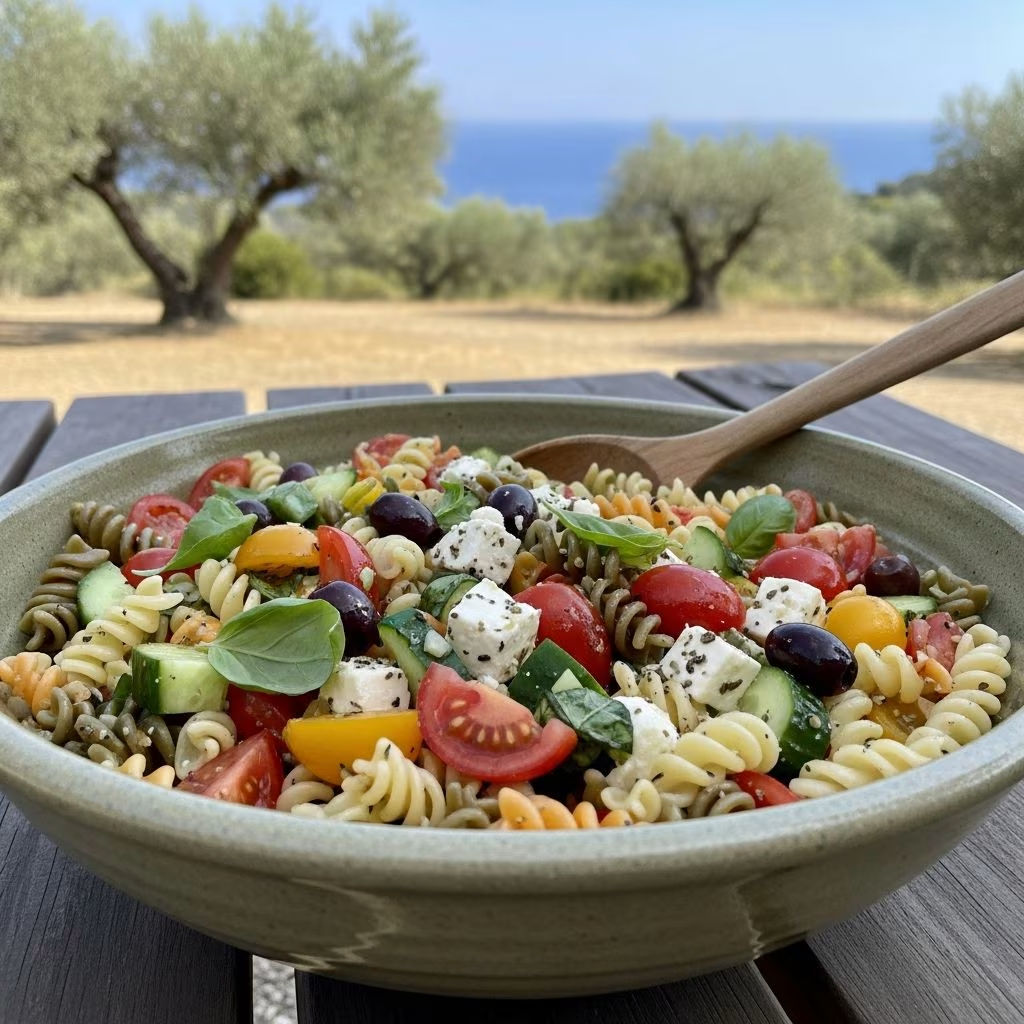
Mediterranean pasta salad represents one of the most versatile and refreshing dishes you can prepare, especially during warmer months when fresh produce reaches peak quality. This type of salad combines tender pasta with crisp vegetables, tangy cheese, and bright dressing to create a dish that works equally well as a side dish, light lunch, or make-ahead meal for gatherings. The beauty of this salad lies in its simplicity and the way it celebrates quality ingredients without requiring complex cooking techniques.
Understanding the Foundations of Mediterranean Pasta Salad
Mediterranean pasta salad draws inspiration from the culinary traditions of countries surrounding the Mediterranean Sea, where fresh vegetables, olive oil, and tangy cheeses form the backbone of everyday cooking. The salad combines cooked pasta with an array of colorful vegetables, creamy cheese, and a well-balanced vinaigrette that ties everything together. What makes this salad particularly appealing is that it improves over time as the flavors meld together, making it an ideal candidate for advance preparation.
The foundation of any successful Mediterranean pasta salad starts with understanding how each component contributes to the overall dish. The pasta serves as the base that absorbs the dressing, the vegetables provide texture and nutritional value, the cheese adds richness and tang, and the dressing brings everything together with bright acidity and herbaceous notes.
Selecting Your Pasta Shape
The choice of pasta shape matters more than many home cooks realize when preparing salads. Different shapes hold dressing and other ingredients differently, affecting both the texture and eating experience. Short pasta varieties work best because they trap dressing and vegetable pieces, ensuring every bite contains a balanced combination of flavors.
- Farfalle (bowtie): The ridged surfaces and distinctive shape catch dressing effectively while providing an appealing presentation
- Rotini: Spiral-shaped pasta curls that naturally cradle vegetables and dressing throughout the salad
- Penne: Tube-shaped pasta that holds creamy dressings well while maintaining a satisfying bite
- Fusilli: Similar to rotini, this twisted shape captures dressing and small vegetable pieces efficiently
- Gemelli: Twin strands twisted together create surface area for dressing absorption
When cooking pasta for salad, achieving the right texture proves crucial. Al dente pasta—cooked until just tender with a slight firmness when bitten—maintains its integrity when tossed with dressing and other ingredients. Overcooking leads to mushy salad, while undercooking results in a grainy, unpleasant texture.
Preparing the Foundation: Cooking Pasta Perfectly
The pasta-cooking process sets the tone for your entire salad. Begin by bringing a large pot filled with water to a rolling boil, then add salt generously to season the cooking water. This step matters because the pasta absorbs salt from the water, distributing flavor throughout rather than applying it superficially after cooking.
Add your chosen pasta to the boiling water and stir occasionally during the first minute to prevent sticking. Follow package directions for cooking time, but begin testing a minute or two before the suggested time to ensure you catch the pasta at its optimal al dente stage. The pasta should resist slightly when bitten but not contain a hard, raw center.
Once the pasta reaches the correct texture, drain it thoroughly to remove excess water. Many recipes suggest rinsing the pasta under cold water to halt the cooking process and prevent the pasta from continuing to soften from residual heat. This quick chill also prevents the pasta from becoming gummy, which can happen if warm pasta sits for extended periods. Transfer the cooled pasta to a large mixing bowl where it awaits the vegetables and dressing.
Vegetable Selection and Preparation Techniques
Fresh vegetables form the colorful heart of Mediterranean pasta salad, providing texture, nutrition, and visual appeal. The key to successful vegetable preparation involves cutting everything into uniform, bite-sized pieces that integrate seamlessly with the pasta. This approach ensures that no single element dominates when eating and allows dressing to coat all surfaces evenly.
Essential Vegetables and How to Cut Them
- English cucumbers: These slender varieties contain fewer seeds than standard cucumbers. Cut lengthwise, scoop out any remaining seeds with a small spoon, then slice into half-moon shapes approximately one-quarter inch thick
- Cherry or grape tomatoes: Halve these smaller tomatoes to prevent them from dominating individual bites while releasing their flavorful juice into the salad
- Bell peppers: Remove seeds and white membranes, then dice into quarter-inch cubes for consistent sizing and texture throughout the salad
- Red onions: Slice thinly or dice finely to distribute their sharp flavor without overwhelming other ingredients; the onion’s intensity mellows slightly as it sits in the dressing
- Fresh herbs: Parsley and oregano add authentic Mediterranean flavor; chop parsley finely and measure dried oregano carefully, as it concentrates during drying
Preparing vegetables while the pasta cooks ensures everything is ready for assembly once the pasta has cooled. This timing strategy prevents unnecessary waiting and keeps the salad-making process efficient.
The Critical Role of Kalamata Olives and Feta Cheese
Kalamata olives and feta cheese represent the signature flavor components that define Mediterranean pasta salad. These ingredients provide the salty, tangy notes that distinguish this salad from its milder cousins. Kalamata olives contribute a deep, fruity flavor and firm texture that contrasts beautifully with tender pasta and crisp vegetables.
When incorporating olives, pit them first if starting with whole varieties, or purchase pre-pitted versions for convenience. Slice them in half to distribute their flavor throughout rather than leaving them whole, which concentrates their intensity into individual bites. A typical salad serves well with between one-half and three-quarter cups of olives, though this can be adjusted based on personal preference for intensity.
Feta cheese, traditionally made from sheep’s milk or a blend of sheep and goat milk, adds a creamy, crumbly texture and distinctive tangy flavor. Rather than mixing the cheese throughout the salad where it might break down excessively, many recipes suggest crumbling the feta directly over the finished salad or tossing it gently at the very end. This approach preserves larger cheese pieces that provide satisfying texture and concentrated flavor in every bite.
Crafting the Vinaigrette: The Heart of Flavor
The vinaigrette transforms individual components into a cohesive whole, so its preparation deserves careful attention. A balanced Mediterranean vinaigrette combines acidic elements, quality oil, aromatics, and seasonings to create brightness and depth.
Core Vinaigrette Components
Start with a quality extra virgin olive oil as your fat base, aiming for approximately three parts oil to one part acid. For acidity, use either red wine vinegar or fresh lemon juice, or combine both for complexity. Red wine vinegar provides deep, slightly sweet notes, while lemon juice contributes brightness and freshness.
Aromatics form the flavor foundation: minced garlic should be very finely minced or even pressed to distribute throughout, and dried oregano adds herbaceous Mediterranean character. Some recipes incorporate a small amount of Dijon mustard, which acts as an emulsifier helping oil and vinegar combine while adding subtle tang.
Season generously with salt and freshly ground black pepper, tasting as you go. The vinaigrette should taste noticeably flavorful and slightly intense on its own, knowing that it will be distributed among pasta and vegetables, diluting its impact.
Mixing and Emulsifying
Combine all dressing ingredients in a mason jar or small bowl and shake vigorously or whisk thoroughly until the mixture becomes emulsified, meaning the oil and vinegar temporarily combine into a unified sauce. This can also be accomplished using an immersion blender if you prefer a smoother consistency and more complete incorporation of all ingredients.
Assembly and Timing: When to Combine Everything
The order of assembly affects how flavors develop and how the salad tastes throughout serving time. Begin by placing your cooled pasta in a large mixing bowl, then drizzle the vinaigrette over it and toss thoroughly to ensure the pasta absorbs the dressing. This step allows the pasta to become well-seasoned and prevents dry spots.
Add your prepared vegetables next, tossing everything together gently but thoroughly. The movement helps the dressing coat all surfaces and distributes vegetables evenly. Finally, scatter the olives and cheese, folding them in gently to preserve their texture and prevent excessive crumbling. If making the salad ahead of time, reserve the feta cheese to add just before serving, as it can become mushy and lose its appealing crumbly texture if it sits in the dressing too long.
Making Ahead and Storage Considerations
Mediterranean pasta salad improves when prepared several hours or even a day in advance, as flavors meld and deepen. However, storing it properly ensures the best results. Keep the salad in an airtight container in the refrigerator, where it will maintain quality for up to three days.
If preparing more than a few hours ahead, consider holding back some of the vinaigrette and adding it just before serving, as the pasta continues absorbing liquid and may become overly soft if drenched from the beginning. Similarly, keeping vegetables that soften easily—like tomatoes and cucumbers—separate until closer to serving time preserves their pleasant crispness and prevents the salad from becoming waterlogged.
Customization and Variations
While the classic Mediterranean pasta salad formula works beautifully as presented, numerous variations allow personalization based on preferences and dietary needs. Adding protein transforms the salad into a complete meal: grilled chicken, seasoned shrimp, or chickpeas all work well. For vegetarian or vegan versions, chickpeas or white beans add heartiness and protein without animal products.
Some recipes incorporate additional vegetables like artichoke hearts, roasted red peppers, or diced zucchini for variety. Fresh mint or basil can supplement or replace parsley for different flavor profiles. A small amount of crumbled sun-dried tomatoes adds concentrated tomato flavor and interesting texture.
Frequently Asked Questions
How long will Mediterranean pasta salad stay fresh?
Stored properly in an airtight container in the refrigerator, this salad maintains quality for up to three days. The pasta may continue softening slightly as it absorbs dressing, which some people prefer. If preparing more than a day ahead, consider holding back half the dressing and adding it just before serving.
Can this salad be made vegetarian or vegan?
Yes, the basic recipe is already vegetarian. For a vegan version, substitute the feta cheese with plant-based alternatives or simply omit it entirely, increasing the quantity of olives for additional saltiness and umami depth.
What if I don’t have English cucumbers?
Regular cucumbers work fine; simply halve them lengthwise and scoop out the extra seeds before slicing to prevent the salad from becoming watery. Japanese or Persian cucumbers are also excellent alternatives.
Should the pasta be completely cooled before mixing?
Yes, warm pasta will make the feta cheese start to melt and can wilt delicate vegetables. Cool the pasta completely under cold running water before mixing with other ingredients.
Can I use different types of olives?
While Kalamata olives provide the traditional flavor, Castelvetrano olives offer a milder, buttery taste, or you can use any olives you prefer. Adjust quantities based on the olive’s intensity.
Serving Suggestions and Occasions
Mediterranean pasta salad adapts beautifully to various serving contexts. As a side dish at summer barbecues or picnics, it provides a refreshing complement to grilled proteins. As a light lunch, it offers satisfying nutrition without feeling heavy. Packed into containers for meal prep, individual portions make convenient grab-and-go lunches throughout the week.
For entertaining, transfer the salad to an attractive serving bowl and garnish the top with additional fresh herbs, a sprinkle of feta cheese, or a drizzle of quality olive oil for visual appeal. This simple presentation makes an ordinary salad feel special enough for dinner parties or potluck gatherings.
References
- Mediterranean Diet Foundation — Mediterranean Diet Foundation. 2024. https://www.fundaciondietemediterranea.com
- Academy of Nutrition and Dietetics: Food Storage and Safety Guidelines — Academy of Nutrition and Dietetics. 2023. https://www.eatright.org
- USDA Guide to Food Safety: Safe Minimum Cooking Temperatures — U.S. Department of Agriculture. 2024. https://www.usda.gov/our-agency/usda-eats
- University of California Cooperative Extension: Preserving Food at Home — University of California. 2023. https://ucanr.edu
- NPR’s Salt: Vinaigrette Science and Emulsification — National Public Radio. 2022. https://www.npr.org/sections/thesalt/
- USDA Dietary Guidelines for Americans — U.S. Department of Agriculture and U.S. Department of Health and Human Services. 2020-2025. https://www.dietaryguidelines.gov