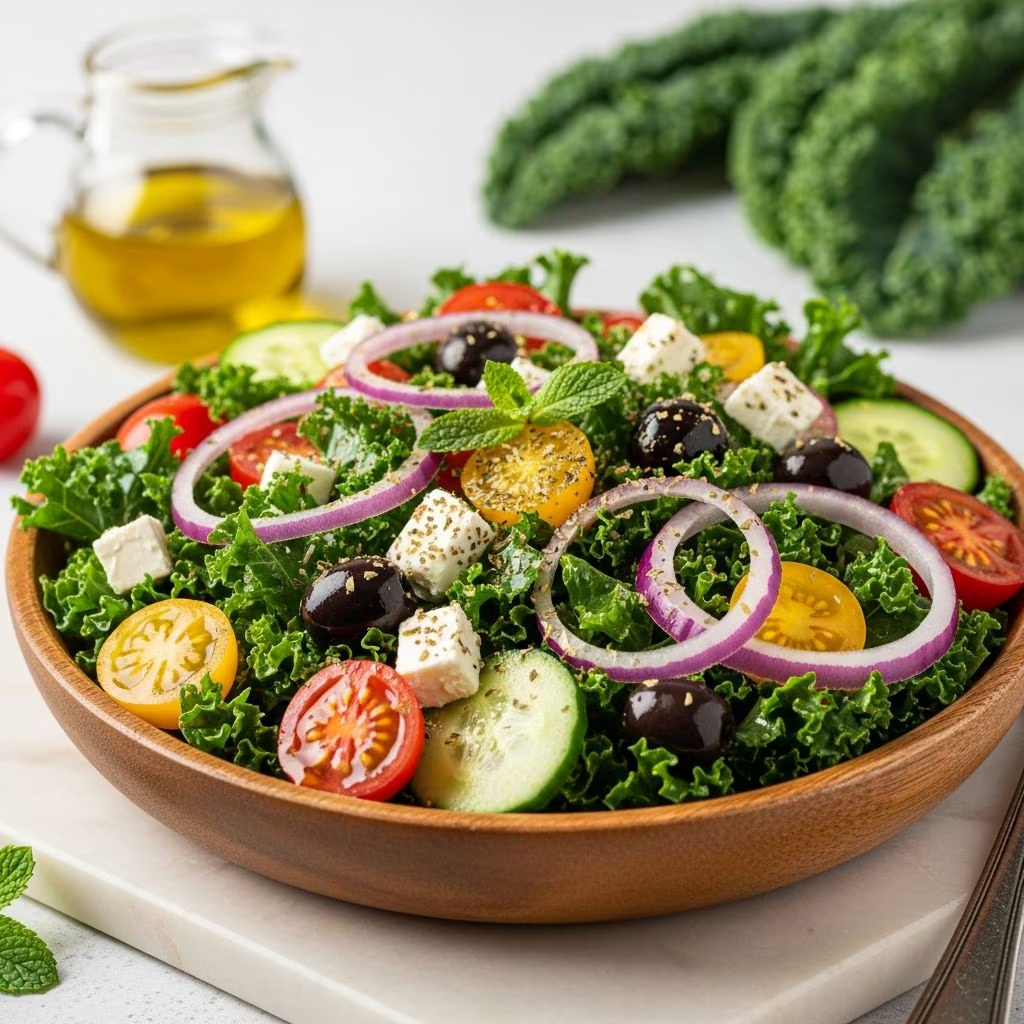
Kale has become a staple ingredient in modern cuisine, valued for its nutritional density and versatility in the kitchen. When combined with Mediterranean flavors and ingredients, this leafy green transforms into satisfying dishes that celebrate regional culinary traditions. Mediterranean cooking emphasizes fresh vegetables, quality olive oil, bright citrus, and herbs that complement kale’s earthy character.
Understanding Kale Preparation Techniques
Before diving into specific recipes, mastering proper kale preparation is essential for achieving the best texture and flavor. Massage kale by stripping leaves from their tough stems and tenderizing them through vigorous rubbing under cold water for approximately one minute. This process breaks down the fibrous structure, making the leaves softer and more palatable without requiring cooking. For recipes involving raw kale, this tenderizing step transforms the eating experience from chewy to pleasantly textured.
When heat is applied to kale, the transformation is equally remarkable. Wilting kale in olive oil over medium heat takes approximately five to seven minutes, allowing the leaves to soften while retaining their nutritional integrity. This gentle cooking method works beautifully in grain-based Mediterranean salads and warm side dishes.
Fresh Mediterranean Kale Salad Combinations
Raw kale salads represent the most straightforward approach to Mediterranean preparation, requiring minimal cooking while maximizing fresh flavors. These compositions typically layer tender kale with complementary vegetables, brined ingredients, and bright dressings that tie everything together harmoniously.
Essential Salad Components
Mediterranean kale salads traditionally feature these key elements working in concert:
- Leafy Foundation: Lacinto or dinosaur kale provides the base, often combined with romaine lettuce for textural contrast and additional lightness.
- Brined Elements: Kalamata olives and capers contribute salty, umami-rich dimensions that deepen overall flavor complexity.
- Fresh Vegetables: Cucumber, tomatoes, roasted red peppers, and scallions add crispness and natural sweetness.
- Protein Components: Feta cheese, goat cheese, or chickpeas introduce creamy or substantial qualities that make the salad satisfying.
- Textural Contrast: Toasted nuts like pine nuts or pistachios, along with seeds, provide crunch and richness.
- Grain Elements: Cooked bulgur, farro, or orzo transform salads into complete meals suitable for lunch or dinner.
Dressing Philosophy
The dressing anchors Mediterranean kale salads, typically built on a foundation of excellent olive oil, fresh lemon juice, and aromatic seasonings. Vinaigrettes should balance acidity with fat, allowing the dressing to coat leaves thoroughly while enhancing rather than masking the salad’s components. Common additions include Dijon mustard for emulsification, minced garlic for pungency, dried oregano for herbal depth, and thyme for subtle earthiness. A touch of honey or agave provides subtle sweetness that rounds out the sharp acidic notes.
Substantial Grain-Based Salad Preparations
Mediterranean cultures have long understood that grains paired with vegetables create nutritionally complete meals. Kale salads incorporating cooked grains transform from light side dishes into hearty entrées capable of satisfying lunch or dinner hunger.
Building Grain Salad Foundations
Begin by cooking your chosen grain according to package directions. Options include orzo pasta, farro, brown rice, or chickpea-based alternatives that provide protein alongside carbohydrates. While grains cool to room temperature, prepare remaining components: wilting kale in olive oil, chopping fresh vegetables, and gathering brined and cheese elements.
Combine all components in a large mixing bowl, tossing thoroughly to distribute dressing evenly. These assembled salads benefit from resting in the refrigerator for several hours, during which flavors meld and soften the kale further through gentle marinating. The salads maintain quality for several days when properly stored, making them excellent meal-preparation options for busy weeks.
Warm Mediterranean Kale Preparations
Beyond raw applications, kale shines when prepared through gentle heating methods that preserve nutritional value while developing deeper flavor dimensions. Mediterranean cooking traditions offer several approaches to incorporating kale into warm dishes.
Braised Kale with Mediterranean Seasonings
Braising represents one of the most flavorful approaches to kale preparation, involving a slow cooking process that melds the vegetable with aromatics and broth. The basic technique begins with slicing garlic and slivering it into thin pieces, then heating extra virgin olive oil in a large pan over medium heat. Add the garlic, allowing it to become fragrant without browning, then introduce stripped and roughly chopped kale leaves.
Toss the kale continuously to coat it evenly with oil, then add chicken or vegetable broth along with fresh lemon juice. Reduce heat to maintain a gentle simmer, allowing the kale to cook for approximately thirty to thirty-five minutes until completely tender. The braising liquid reduces slightly, creating a concentrated sauce that clings to the leaves. Season with sea salt and pepper to taste, then finish with toasted pine nuts for added richness and crunch.
This preparation style yields a Mediterranean side dish that pairs beautifully with grilled proteins, roasted fish, or alongside crusty bread for a vegetable-forward meal.
Ingredient Quality and Selection Guidelines
Mediterranean cooking depends heavily on ingredient quality, as recipes typically feature fewer components than other cuisines, making each element’s character essential. Understanding what to prioritize when shopping ensures successful dishes that celebrate rather than diminish kale’s potential.
| Ingredient Category | Selection Considerations | Impact on Dish |
|---|---|---|
| Olive Oil | Extra virgin varieties for dressings; robust, peppery finish preferred | Carries flavor throughout; quality essential for raw applications |
| Kale Varieties | Lacinto/dinosaur kale preferred; should have vibrant color and firm texture | Tenderness and flavor profile directly affect eating experience |
| Cheese Options | Authentic feta from Greece; goat cheese with creamy texture | Provides salty depth and creaminess complementing bitter kale |
| Citrus | Fresh-squeezed lemon juice; avoid bottled products with preservatives | Brightens flavors and tenderizes raw kale through acidity |
| Nuts | Toasted pine nuts or pistachios with nutty aroma | Adds textural contrast and richness to finished dishes |
| Olives | Kalamata or other Greek varieties; properly brined | Contributes Mediterranean character and salty umami complexity |
Nutritional Benefits of Mediterranean Kale Consumption
Kale represents one of the most nutrient-dense vegetables available, offering exceptional quantities of vitamins, minerals, and phytonutrients. When prepared using Mediterranean methods emphasizing whole ingredients and healthy fats, these dishes become nutritional powerhouses supporting long-term wellness.
The combination of kale with olive oil significantly enhances nutrient absorption, as many beneficial compounds are fat-soluble and require dietary lipids for optimal bioavailability. Pairing kale with lemon juice increases iron absorption through vitamin C, while adding cheese or nuts provides additional minerals supporting bone health and satiety.
Practical Cooking Tips and Techniques
- Prep Ahead: Strip kale from stems and massage several hours before serving to allow tenderizing benefits to develop fully.
- Temperature Control: Keep olive oil at medium heat to prevent degradation of its beneficial compounds and flavor profiles.
- Texture Variation: Combine raw and cooked components in single dishes to maintain interest and varied eating experience.
- Dressing Timing: For raw salads, dress immediately before serving to prevent excessive wilting; for grain salads, allow longer marinating times for deeper flavor integration.
- Storage Solutions: Keep dressed and undressed components separate when possible to maximize freshness across multiple servings.
- Flavor Layering: Add citrus and salt gradually, tasting throughout to achieve balanced seasoning reflecting personal preferences.
Frequently Asked Questions About Mediterranean Kale Preparation
How do you soften raw kale without cooking it?
Massage kale under cold running water for approximately one minute, using your hands to vigorously rub and break down the fibrous structure. This physical manipulation tenderizes leaves while maintaining raw status, making them more palatable without sacrificing nutritional benefits or fresh flavor.
Can Mediterranean kale salads be prepared in advance?
Undressed salads maintain quality in the refrigerator for two to three days when stored in airtight containers. Add dressings immediately before consumption to prevent excessive wilting. Grain-based salads benefit from advance preparation, as overnight refrigeration allows flavors to meld and deepens overall complexity.
What are suitable kale substitutes in Mediterranean recipes?
Collard greens, mustard greens, or other dark leafy varieties can replace kale while maintaining Mediterranean character. Cooking times may vary slightly depending on leaf tenderness and thickness, requiring adjustment based on actual preparation.
How should nuts be prepared for kale dishes?
Toast nuts briefly in a dry skillet over medium heat, stirring frequently until fragrant aromas emerge—typically two to three minutes. This enhances nutty flavor dimensions while improving texture. Use toasted nuts immediately or store in airtight containers for up to one week.
Are there protein options beyond cheese and nuts?
Chickpeas, white beans, grilled chicken, and roasted fish all pair beautifully with Mediterranean kale preparations. These additions transform salads into complete meals while respecting Mediterranean culinary principles emphasizing plant-based and seafood protein sources.
Storing and Extending Dish Longevity
Proper storage extends the enjoyment period for Mediterranean kale preparations. Store components in separate airtight containers when possible, maintaining kale freshness while preventing premature wilting from excess moisture. Grains and vegetables keep effectively for three to four days under refrigeration, while cheese and nuts should remain in original packaging to prevent flavor absorption or oxidation.
When ready to consume stored components, reassemble dishes and refresh dressings to restore brightness and vitality. Adding fresh herbs like parsley or dill during final assembly provides visual appeal and aromatic freshness that captures the Mediterranean spirit.
Embracing Mediterranean Kale in Weekly Meal Planning
Incorporating kale into regular meal rotations becomes effortless when understanding its versatility across Mediterranean preparations. Prepare grains in larger quantities, then transform them throughout the week into different salad variations by changing vegetable components and dressings. Cook a batch of braised kale to accompany various proteins, or massage kale in advance to enable quick salad assembly on busy evenings.
Mediterranean kale dishes celebrate the region’s culinary wisdom emphasizing fresh, whole ingredients prepared simply to let natural flavors shine. Whether choosing raw salads for summer freshness or warm braised preparations for cooler months, these recipes provide delicious, nutritious options supporting varied dietary preferences and lifestyle demands.
References
- Mediterranean Inspired Kale Salad — Supper With Michelle. 2017. https://www.supperwithmichelle.com/2017/01/mediterranean-inspired-kale-salad/
- Hearty Mediterranean Kale Salad with Crispy Chickpeas — Foodie Crush. https://www.foodiecrush.com/mediterranean-kale-salad/
- Mediterranean Kale Salad — Naturally Ella. https://naturallyella.com/mediterranean-kale-salad/
- Kale Salad with Roasted Pistachios and Parmesan — The Mediterranean Dish. https://www.themediterraneandish.com/kale-salad/
- Mediterranean Kale + Grain Salad — Eat Well with Sari. https://eatwellwithsari.com/recipes/mediterranean-kale-grain-salad/
- Greek-Style Braised Kale with Pine Nuts — Amee’s Savory Dish. https://ameessavorydish.com/greek-style-braised-kale/