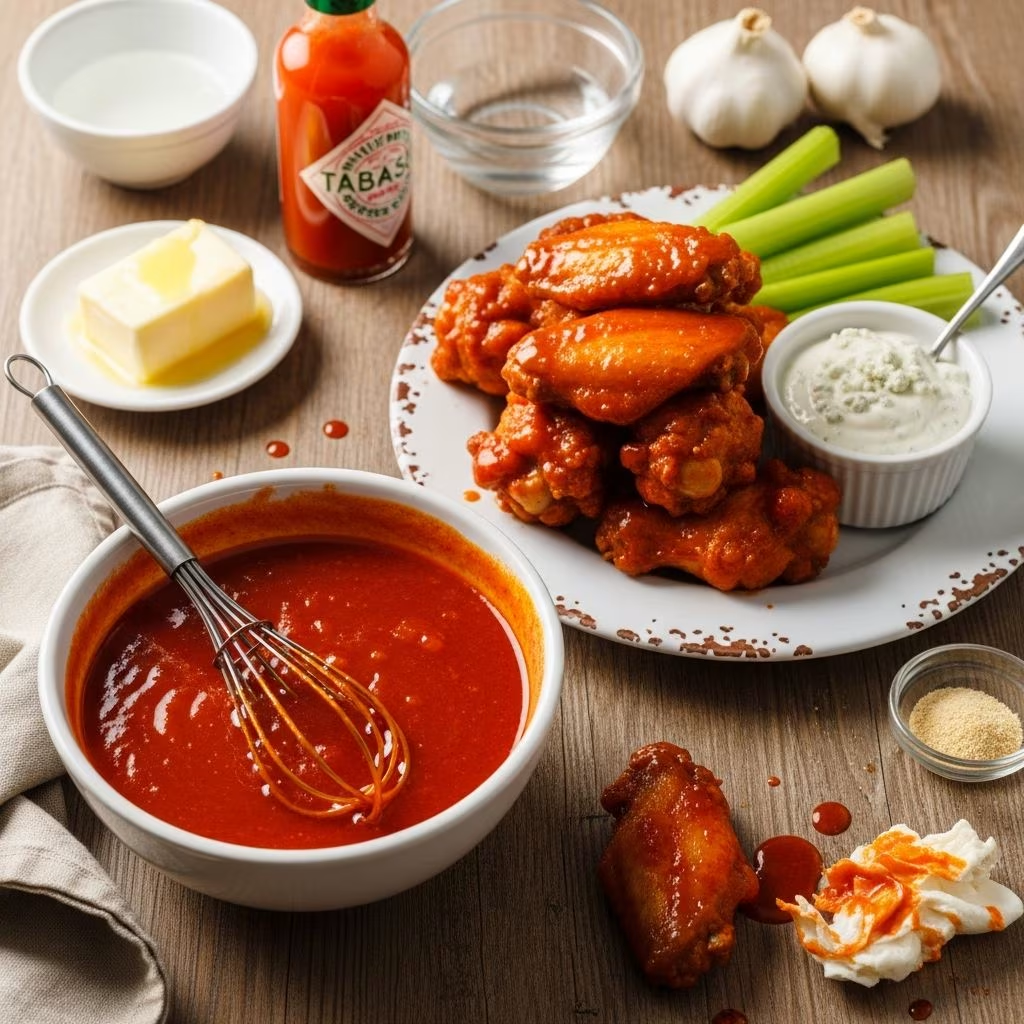
Buffalo sauce has become synonymous with game day gatherings, casual dining experiences, and bold flavor profiles that pack a punch. While many people associate this fiery condiment exclusively with restaurant orders or store-bought bottles, creating your own version at home is surprisingly simple and yields dramatically superior results. This guide walks you through everything you need to know about making authentic Buffalo sauce from your kitchen, exploring ingredient selections, preparation methods, and creative adaptations that elevate your culinary creations.
Understanding the Foundation of Buffalo Sauce
The essence of Buffalo sauce lies in its careful balance of heat, tang, and richness. Traditional recipes combine cayenne-based hot sauce with melted butter, creating a coating that adheres beautifully to protein surfaces while delivering complex flavor layers. The sauce’s origin traces back to Buffalo, New York, where it emerged as a beloved accompaniment to chicken wings during the 1960s. Understanding this foundational composition helps you appreciate why certain ingredient ratios and preparation techniques matter significantly.
The fundamental components remain consistent across most authentic recipes: a quality cayenne pepper hot sauce serves as the spice base, unsalted butter provides richness and helps create proper consistency, and additional seasonings enhance depth and complexity. Many recipes also incorporate sweetening elements like honey, vinegar for tanginess, and aromatics such as garlic powder and paprika. These ingredients work synergistically to create a sauce that tastes far more refined than its simplicity might suggest.
Essential Ingredients for Homemade Buffalo Sauce
Creating exceptional Buffalo sauce begins with selecting quality components. Each ingredient plays a specific role in the final product’s flavor profile and texture.
Primary Components
- Hot Sauce: Frank’s RedHot cayenne pepper sauce stands as the traditional choice, prized for its thin consistency, tangy profile, and moderate heat level. This particular hot sauce contains vinegar and cayenne peppers as primary ingredients, providing the characteristic bite without overwhelming heat that masks other flavors. While other brands work acceptably, Frank’s RedHot’s specific flavor profile has become the benchmark for authentic Buffalo sauce.
- Unsalted Butter: Butter transforms hot sauce from a thin liquid into a clingy, luxurious coating. The fat content creates emulsification with the hot sauce, producing a smooth, cohesive sauce rather than separated, greasy results. Using unsalted butter allows you to control sodium content precisely and prevents over-salting the final product.
- Sweetening Agents: Honey, brown sugar, or agave nectar balance the sauce’s inherent spiciness and vinegar tang. These sweeteners don’t make the sauce dessert-like; rather, they round out sharp edges and create complexity. Honey also contributes to the sauce’s glossy appearance and slightly thicker consistency.
Flavor Enhancers
- Garlic Powder: This aromatic contributes savory, umami undertones that deepen the sauce without introducing moisture. Fresh garlic can work in some variations, though powder integrates more seamlessly.
- Paprika: Whether smoked or standard paprika, this spice adds earthiness, subtle peppery complexity, and visual color to your sauce.
- Worcestershire Sauce: This fermented condiment introduces additional umami complexity and saltiness, though only small amounts are necessary.
- Vinegar: White vinegar or apple cider vinegar sharpens the sauce’s profile and prevents it from becoming one-dimensional. Vinegar also aids in preserving homemade versions longer.
- Cayenne Pepper: For those seeking additional heat beyond what Frank’s RedHot provides, additional cayenne pepper can be incorporated, though restraint prevents the sauce from becoming unbearably hot.
Core Preparation Techniques
The method you choose for combining ingredients significantly impacts your sauce’s final consistency and flavor development. Different approaches suit various preferences and kitchen setups.
Stovetop Method
The traditional stovetop approach begins by melting butter in a small saucepan over medium-low heat. Once melted and bubbling slightly, reduce heat to low to prevent separation. This lower temperature proves crucial—high heat causes butter to break down into separated fat and liquid, destroying the sauce’s silky texture.
Add your chosen seasonings directly to melted butter and whisk constantly for approximately two minutes until fragrant and the spices release their aromatic compounds. This toasting process deepens flavors and prevents raw spice taste in the final product. After this short window, pour in your hot sauce slowly while whisking continuously to incorporate it gradually rather than creating lumps or separation.
The entire process from start to finish requires only 5-10 minutes. Crucially, never allow the sauce to reach a rolling boil, as this breaks the butter emulsion and results in greasiness rather than smoothness. Once combined, remove from heat immediately and season with additional salt and pepper to taste.
No-Cook Microwave Method
For those preferring minimal stovetop time, a microwave approach works equally well. Combine hot sauce, vinegar, and all dry seasonings in a medium bowl and whisk to blend thoroughly. In a separate microwave-safe bowl, melt butter in 30-second intervals, checking frequently to avoid splattering. Once melted, slowly whisk the butter into the hot sauce mixture, pouring gradually while whisking constantly to prevent separation and ensure smooth integration.
Advanced Straining Technique
For the smoothest, most refined sauce, some recipes recommend a straining step. After toasting ground spices in melted butter for approximately two minutes, carefully pour the mixture through a medium-fine mesh sieve into a clean bowl, discarding the solid spice particles. This creates an exceptionally silky texture by removing visible spice bits, though the aromatic compounds remain. Subsequently, whisk hot sauce and vinegar into the strained butter gradually.
Ingredient Ratio Guide
| Recipe Style | Hot Sauce | Butter | Honey/Sugar | Garlic Powder | Best For |
|---|---|---|---|---|---|
| Classic Simple | 1 cup | ½ cup (1 stick) | None | ½ tsp | Purists, traditional wings |
| Balanced Sweet | ⅔ cup | ½ cup (1 stick) | 2½ tbsp honey | ½ tsp | Those preferring less heat |
| Extra Spicy | 1 cup | ¼ cup | 1 tbsp honey | 1 tsp | Heat enthusiasts |
| Garlic-Forward | 1⅓ cups | 1 cup (2 sticks) | None | 10 cloves fresh garlic | Garlic lovers, specialty applications |
Common Mistakes and Solutions
Understanding what goes wrong helps you achieve perfect results consistently. The most frequent challenges involve temperature control and ingredient ratios.
Sauce Separation Issues
If your sauce becomes greasy with visible oil pools, excessive heat has broken the butter emulsion. Recovery is possible by starting fresh with a small amount of butter, removing your broken sauce from heat, and slowly whisking the cooled broken sauce into new butter. Prevention remains easier—maintain low heat throughout the entire process and avoid letting the mixture reach a boil.
Inconsistent Thickness
Sauce that’s too thin typically indicates insufficient butter for the amount of hot sauce used. Add melted butter gradually to reach desired consistency. Conversely, excessively thick sauce responds to careful addition of vinegar or additional hot sauce in small increments. The ideal consistency clings to food without running off or sitting in pools.
Overly Spicy Results
If your batch becomes too fiery, increase honey or brown sugar to balance heat and add perceived sweetness. Additional butter also mellows spiciness and creates a richer mouthfeel. Some recipes offer specific mild and medium variations by adjusting hot sauce quantities.
Flavor Variations and Creative Adaptations
Beyond the classic preparation, numerous variations expand Buffalo sauce applications across different cuisines and taste preferences.
Smoky Variation
Incorporate smoked paprika instead of standard paprika, and consider adding a touch of liquid smoke if desired. This variation pairs beautifully with grilled proteins and barbecue dishes, complementing smoke flavors naturally present in those preparations.
Honey-Sweetened Version
Increase honey content to 3-4 tablespoons for a noticeably sweeter profile that appeals to those sensitive to spice or preferring balanced flavors. This version works exceptionally well for appetizers at mixed-taste-preference gatherings.
Garlic-Intensive Preparation
Fresh garlic cloves can replace garlic powder for a more robust, complex garlic presence. Peel and lightly smash 8-10 garlic cloves to release their natural oils, add them to the butter early in the process, and allow them to infuse the sauce thoroughly. For extra-smooth results, blend with an immersion blender after cooking, which breaks down the soft garlic into the sauce.
Herb-Infused Versions
Blue cheese powder, fresh herbs like dill or cilantro, or a splash of lime juice create interesting flavor profiles suited to specific applications. Experiment with small test batches before committing to larger quantities.
Storage and Make-Ahead Strategies
Homemade Buffalo sauce stores effectively for extended periods when handled properly. Transfer cooled sauce to a glass jar with a tight-fitting lid and refrigerate for up to three weeks. The sauce may separate slightly during storage, which is completely normal; simply whisk vigorously before each use to recombine. For longer storage, freeze in ice cube trays for approximately three months, thawing portions as needed.
Making Buffalo sauce ahead of time actually improves flavors as ingredients meld together. Prepare sauce several hours or even a full day in advance, allowing it to develop deeper complexity before serving.
Optimal Applications and Serving Suggestions
While buffalo wings represent the classic pairing, this versatile sauce enhances numerous dishes. Toss freshly cooked chicken breasts, thighs, or drumsticks for a quick protein preparation. Drizzle over cauliflower florets and roast for a vegetarian appetizer. Use as a topping for burgers, pizza, or nachos. Even fish and shrimp benefit from Buffalo sauce’s bold flavor profile.
For serving, consider your sauce consistency—thinner applications work best for dipping, while thicker versions coat proteins more effectively. Warm sauce clings better to hot foods, so heating your preparation just before serving often yields superior results, provided you avoid the separation-inducing high heat mentioned earlier.
Frequently Asked Questions
Can I make Buffalo sauce without butter?
Vegan butter works as a suitable substitute, maintaining the sauce’s richness and emulsification properties. Coconut oil produces a thinner consistency and imparts subtle coconut notes that may or may not suit your preferences.
How long does homemade Buffalo sauce last?
Refrigerated in a sealed container, Buffalo sauce remains fresh for three weeks. The high salt and vinegar content creates a naturally preserving environment. Frozen portions last approximately three months.
What’s the spiciest possible Buffalo sauce?
Use a hotter hot sauce variety, add additional cayenne pepper, and minimize honey content to intensify spice. Some recipes achieve extreme heat using habanero or ghost pepper-based hot sauces instead of Frank’s RedHot.
Can I use bottled minced garlic instead of powder?
Fresh or bottled minced garlic introduces moisture into your sauce, potentially affecting consistency and promoting separation. Garlic powder remains the preferred choice for consistency and stability, though fresh garlic works in the straining-method recipe where it’s removed before serving.
Is Frank’s RedHot truly necessary?
While Frank’s RedHot represents the traditional choice, any cayenne-based hot sauce works acceptably. Results may vary slightly in heat level and tanginess depending on your selected brand, so adjust other ingredients accordingly.
References
- Buffalo Sauce Recipe – How to Make Buffalo Sauce — The Forked Spoon. 2024. https://theforkedspoon.com/buffalo-sauce/
- Silky Smooth 15 Minute Homemade Buffalo Sauce — Cup of Zest. 2024. https://www.cupofzest.com/buffalo-sauce/
- Buffalo Sauce Recipe – Only 3 Ingredients — Ask Chef Dennis. 2024. https://www.askchefdennis.com/buffalo-sauce-recipe/
- Homemade Buffalo Sauce Recipe — Love and Lemons. 2024. https://www.loveandlemons.com/buffalo-sauce/
- Spicy Sweet Buffalo Sauce — Hey Grill Hey. 2024. https://heygrillhey.com/buffalo-sauce/
- Garlic Buffalo Sauce Recipe — Foodie With Family. 2024. https://www.foodiewithfamily.com/garlic-buffalo-sauce-recipe/
- Easy 5-Minute Homemade Buffalo Sauce — Plays Well With Butter. 2024. https://playswellwithbutter.com/homemade-buffalo-sauce-recipe/