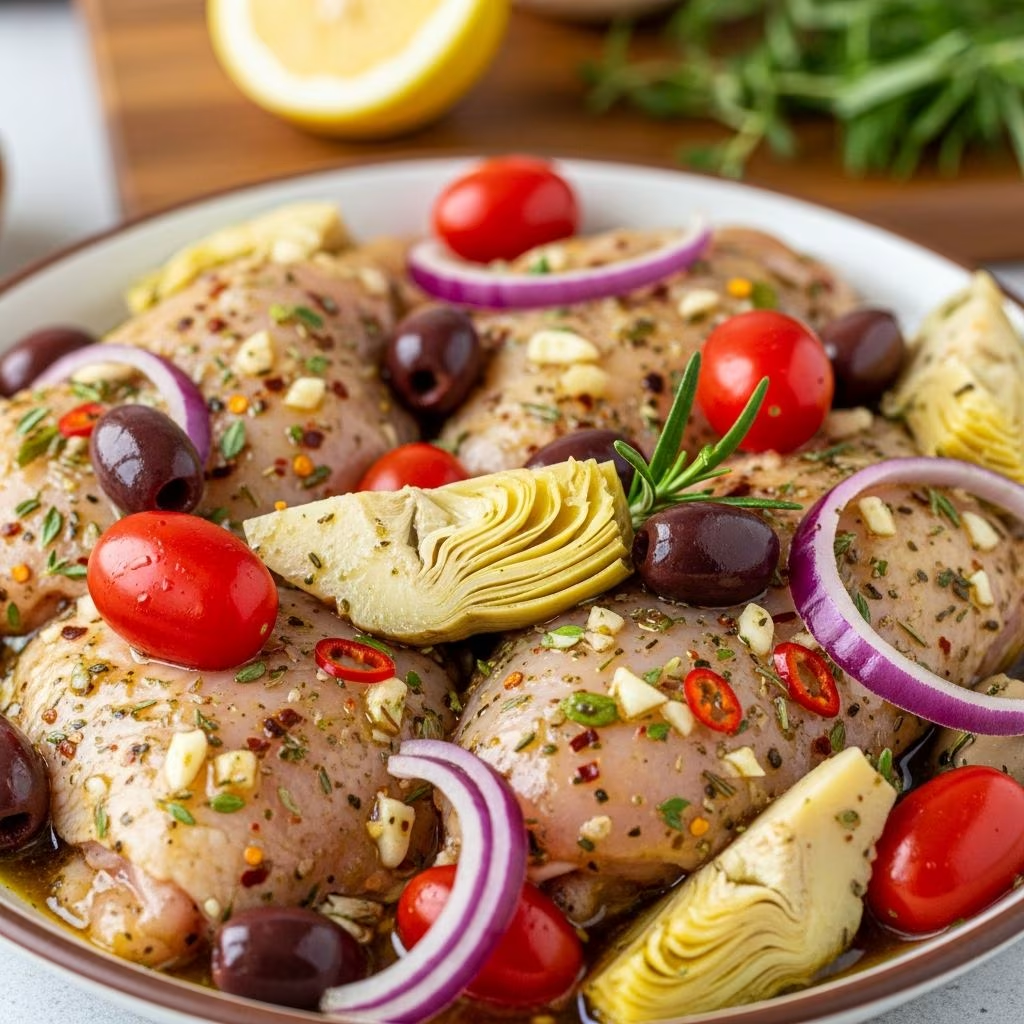
Mediterranean cuisine has captivated home cooks and food enthusiasts for generations, drawing inspiration from the sun-soaked coastlines and rich culinary traditions of countries surrounding the Mediterranean Sea. At the heart of this beloved cooking style lies the art of marinating—a technique that transforms simple poultry into tender, flavorful masterpieces. A well-crafted Mediterranean chicken marinade does more than add taste; it infuses chicken with moisture, tenderness, and the aromatic essence of the region’s most treasured ingredients.
Whether you’re planning a casual weeknight dinner or preparing for a special gathering, understanding how to properly compose and apply a Mediterranean marinade will elevate your chicken dishes to restaurant-quality results. This comprehensive guide walks you through everything you need to know about creating this versatile flavor foundation.
Understanding the Foundation of Mediterranean Marinades
A Mediterranean marinade operates on a simple principle: combining acidic components, healthy fats, aromatic seasonings, and fresh herbs to create a balanced flavor profile. The magic happens when these elements work together to break down muscle fibers in the chicken, allowing flavors to penetrate deeply while moisture is retained during cooking.
The most successful marinades follow a basic ratio that ensures proper flavor distribution and tenderizing action. Traditional Mediterranean versions typically include:
- An acidic base that tenderizes the meat
- Quality fat that carries flavor and prevents drying
- Aromatic ingredients that define the Mediterranean character
- Fresh herbs that provide brightness and complexity
- Seasonings that balance and enhance all other components
Key Ingredients That Define Mediterranean Character
Olive Oil: The Essential Base
Extra virgin olive oil serves as the foundation of any authentic Mediterranean marinade. This ingredient contributes richness, carries fat-soluble flavor compounds, and helps prevent chicken from drying during cooking. When selecting olive oil for marinades intended for high-heat cooking methods like grilling, choose an oil labeled for cooking purposes rather than finishing, as it maintains stability at elevated temperatures.
Citrus Elements: Acidity and Brightness
Fresh lemon juice provides the essential acidic component that tenderizes chicken while adding bright, clean flavors characteristic of Mediterranean cooking. Beyond taste, the citric acid works enzymatically to break down muscle proteins, resulting in more tender finished chicken. Using freshly squeezed lemon juice rather than bottled alternatives ensures maximum flavor impact and optimal tenderizing action.
Lemon zest adds another dimension—the oils in the peel contain concentrated citrus aromatics that provide fragrance and subtle flavor without additional liquid. Some marinade variations incorporate additional citrus elements like lime or orange to create unique flavor variations.
Aromatic Foundations: Garlic and Onion
Garlic forms the aromatic backbone of Mediterranean marinades. When minced finely, garlic releases compounds that provide pungent, savory depth. The amount can be adjusted based on personal preference—typically ranging from two to twelve cloves per marinade batch, depending on desired intensity.
The Herb Triumvirate
Mediterranean cuisine relies heavily on three herbs that define its distinctive character:
- Oregano—the most iconic Mediterranean herb, providing earthy, slightly peppery notes
- Thyme—contributing gentle, slightly minty undertones with herbal complexity
- Rosemary—delivering stronger, more assertive flavors with pine-like qualities
Fresh herbs provide superior flavor compared to dried varieties, though dried herbs work effectively when fresh options aren’t available. The ratio typically changes when substituting dried for fresh: use approximately one-third the amount of dried herb as you would fresh.
Supporting Spices and Flavorings
Beyond the primary herbs, Mediterranean marinades often include complementary spices that add warmth and complexity:
- Paprika contributes subtle sweetness and beautiful color
- Cumin adds earthiness and depth
- Coriander provides warm, slightly citrusy notes
- Red pepper flakes introduce gentle heat
- Black pepper adds sharp, peppery bite
Some recipes incorporate unexpected ingredients like Dijon mustard, which adds sharpness and helps emulsify the marinade for better adhesion to the chicken. Honey or pomegranate molasses can introduce subtle sweetness that balances acidic components.
Creating Your Mediterranean Marinade: Step-by-Step Process
Preparation and Ingredient Combination
Begin by gathering all ingredients and preparing them properly. Mince garlic cloves finely to ensure even distribution throughout the marinade. Chop fresh herbs into small, uniform pieces—this increases surface area and allows flavors to distribute more effectively. Measure dry spices carefully, as their concentrated nature means small variations create noticeable flavor differences.
Combine all marinade components in a mixing bowl or measuring cup, whisking vigorously until fully integrated. This mechanical action helps emulsify the oil and acidic components, creating a more cohesive mixture that adheres better to the chicken’s surface.
Marinating Process and Timeline
Place chicken pieces in a large zip-top bag or shallow container with ample surface area for marinade contact. Pour the prepared marinade over the chicken, ensuring all pieces receive thorough coverage. Seal the container and massage gently to distribute marinade evenly across all surfaces.
Refrigeration duration affects final results significantly. A minimum of 30 minutes allows basic flavor penetration, though 2 to 4 hours produces noticeably more developed taste. For maximum flavor development, marinate overnight, but avoid exceeding 24 hours, as extended acid exposure can degrade meat texture.
Understanding Marinade Components Through a Detailed Comparison
| Component Type | Purpose in Marinade | Typical Examples | Impact on Chicken |
|---|---|---|---|
| Acidic Base | Tenderizes meat through protein breakdown | Lemon juice, vinegar, yogurt | Increased tenderness and moisture retention |
| Healthy Fats | Carries flavor compounds and prevents drying | Olive oil, Greek yogurt | Richer taste and juicier finished product |
| Primary Herbs | Defines flavor profile and regional character | Oregano, thyme, rosemary | Authentic Mediterranean taste development |
| Aromatics | Provides depth and savory foundation | Garlic, onion, shallots | Complex, multi-layered flavor |
| Supporting Spices | Adds warmth, sweetness, or heat | Paprika, cumin, red pepper flakes | Enhanced complexity and taste nuance |
Variations and Adaptations for Different Preferences
Yogurt-Based Alternatives
Traditional Greek or Mediterranean cooking often incorporates yogurt as a marinade base. Whole milk yogurt, particularly Greek varieties, provides richness and tanginess while offering probiotic benefits. Yogurt-based marinades create particularly tender results due to the lactic acid content, which tenderizes through a different mechanism than citric acid alone.
Herb-Forward Variations
For those who prefer bright, herbaceous flavors, increase the proportion of fresh herbs—particularly parsley, dill, and mint. Fresh mint adds unexpected coolness that pairs beautifully with citrus and garlic, creating a more refined flavor profile suitable for lighter preparations.
Heat-Enhanced Versions
Mediterranean cuisine from southern regions often incorporates more prominent heat elements. Increase red pepper flakes, add fresh chili peppers, or incorporate harissa paste for deeper complexity alongside spiciness.
Cooking Methods and Best Practices
Grilling Marinated Chicken
Grilling represents one of the most popular applications for Mediterranean marinated chicken. Before placing chicken on the grill, remove excess marinade by allowing it to drip back into the container or patting lightly with paper towels. This prevents flare-ups while ensuring proper caramelization. Reserve a small portion of marinade before adding raw chicken to use as a finishing sauce—this adds extra flavor and moisture after cooking.
Baking and Pan-Searing
For oven-roasted applications, place marinated chicken in a baking dish with minimal additional liquid, allowing the oven’s heat to create beautiful caramelization. Pan-searing in a hot skillet creates a flavorful crust while keeping interiors moist, particularly effective for chicken breasts and thighs.
Storage and Shelf Life Considerations
Prepared marinade maintains quality in the refrigerator for up to three days when stored in an airtight container. Marinated raw chicken should be used within 24 hours of preparation to ensure food safety and optimal texture. Once chicken has been cooked, refrigerate leftovers in a separate container and consume within three to four days.
Frequently Asked Questions
Can I freeze marinated chicken?
Yes, freezing marinated chicken is an excellent meal-prep strategy. Place chicken and marinade in a freezer-safe bag, removing excess air before sealing. The marinade continues working slowly during freezing and thawing, potentially creating even more tender results. Use within three months for optimal quality.
Is fresh herb usage mandatory, or can I use only dried herbs?
Dried herbs work effectively as substitutes, though flavor intensity differs. Use approximately one-third the amount of dried herbs compared to fresh. While dried versions lack the fresh brightness of fresh herbs, they provide concentrated flavors that can be equally delicious.
What chicken cuts work best with Mediterranean marinades?
Thighs and drumsticks benefit most from marinating due to their higher fat content, which helps retain moisture during cooking. Breasts benefit from marinating but require careful cooking to prevent drying. All cuts marinate successfully and develop improved flavor and texture.
Can I use this marinade for vegetables or other proteins?
Mediterranean marinades work beautifully with vegetables like zucchini, eggplant, bell peppers, and tomatoes. The same formula adapts well to fish, shrimp, and lamb, though marinating times should be adjusted based on protein type and size.
How do I prevent the marinade from burning during cooking?
Pat chicken dry before cooking to remove excess marinade. The oil and herbs can char quickly over high heat. If grilling, oil the grates well and maintain medium-high rather than maximum heat to allow gradual caramelization without burning.
Achieving Restaurant-Quality Results at Home
The difference between good home-cooked chicken and restaurant-quality results often comes down to marinating technique and attention to detail. Investing time in proper preparation—measuring ingredients accurately, using fresh herbs when possible, and allowing adequate marinating time—transforms ordinary chicken into something truly special.
Understanding that marinating serves multiple purposes simultaneously creates better appreciation for the process. Acid tenderizes, fat carries flavor, herbs provide aromatics, and time allows penetration. When all these elements work together, the result is chicken that’s simultaneously juicy, tender, and bursting with Mediterranean character.
Whether you’re a seasoned cook refining technique or someone just discovering Mediterranean cooking, mastering this foundational flavor formula opens countless dinner possibilities. From simple weeknight meals to impressive entertaining dishes, Mediterranean marinated chicken delivers consistent, delicious results that keep people coming back for more.
References
- The Mediterranean Diet Foundation — International Mediterranean Diet Foundation. 2023. https://www.med-diet.org
- Food Science and Cooking: Marinades and Tenderizing — University of California Cooperative Extension. 2022. https://ucanr.edu
- Safe Food Handling Guidelines for Marinating Meat — USDA Food Safety and Inspection Service. 2023. https://www.fsis.usda.gov