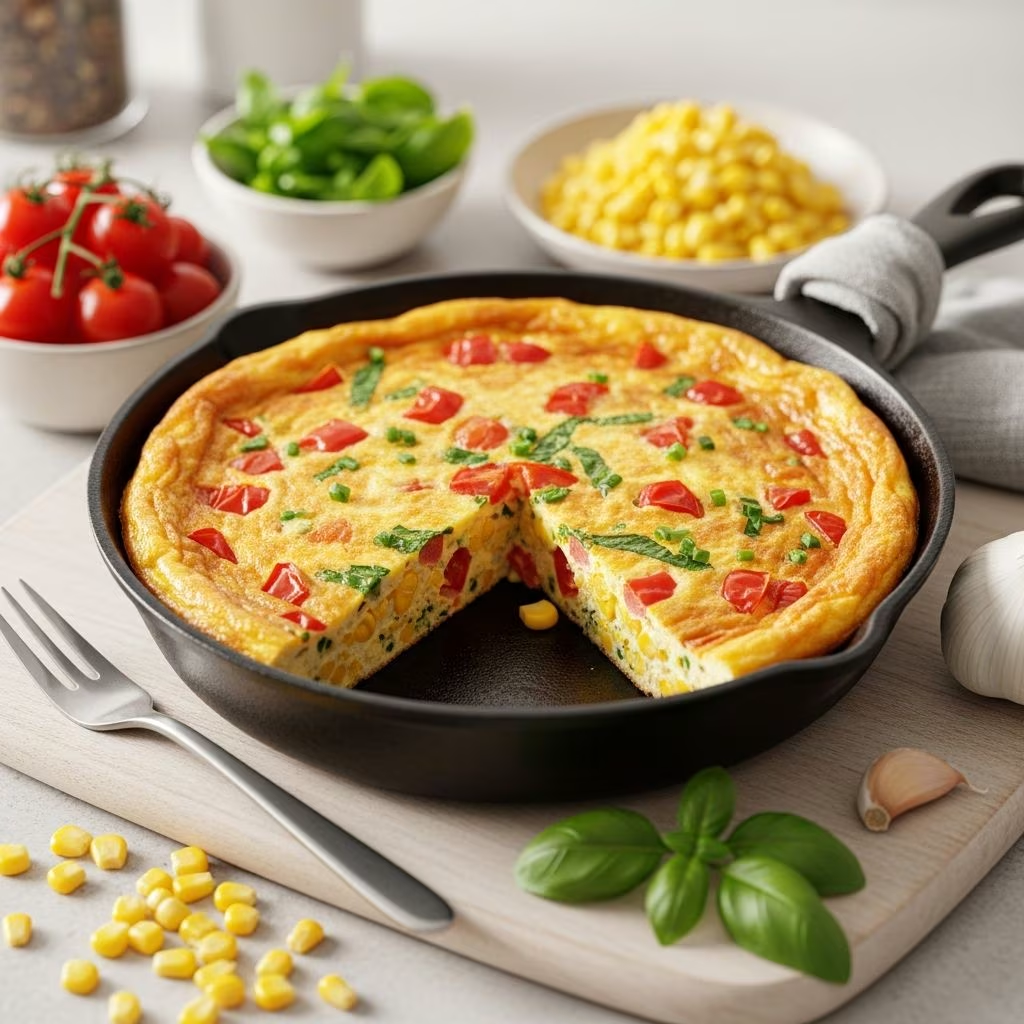
Frittatas represent one of the most versatile and approachable egg-based dishes in contemporary cooking. When combined with seasonal produce like sweet corn and cherry tomatoes, they transform into a satisfying meal suitable for breakfast, brunch, or dinner. This comprehensive guide explores everything you need to know about preparing a stunning corn and tomato frittata, from ingredient selection to cooking techniques and presentation.
Understanding the Frittata: Beyond Basic Eggs
A frittata differs fundamentally from omelets and scrambled eggs in its cooking method and presentation. Rather than folding ingredients into eggs during stovetop cooking, frittatas begin on the cooktop and finish in the oven, creating a dish with a unified texture and elegant appearance. This Italian-inspired preparation allows vegetables to meld thoroughly with the egg base, distributing flavors evenly throughout.
The beauty of frittatas lies in their flexibility. Home cooks can incorporate virtually any combination of vegetables, proteins, and cheeses. However, the corn and tomato pairing holds particular appeal due to the complementary flavor profiles these ingredients offer. Sweet corn provides subtle sweetness and tender texture, while tomatoes deliver brightness and slight acidity that balances the richness of eggs and cheese.
Selecting and Preparing Your Ingredients
Success with any frittata begins with ingredient quality. Fresh, seasonal produce yields superior results compared to off-season alternatives. When shopping for corn, look for ears with bright green husks, moist silk, and kernels that release liquid when pressed. Fresh corn contains natural sugars that haven’t yet converted to starch, providing optimal flavor and texture.
Cherry tomatoes merit equal consideration. Choose tomatoes that feel heavy for their size, indicating juice content rather than air pockets. Varieties like Sungold or heirloom cherry tomatoes deliver complex flavor that elevates the entire dish. If fresh corn proves unavailable, quality frozen corn offers a practical alternative that maintains nutritional value and taste.
Essential Components for Your Frittata
- Eggs: The binding foundation, typically 8-10 large eggs for a standard 10-inch skillet, whisked with cream or milk for additional richness and lightness
- Corn kernels: Fresh kernels cut from cobs or frozen, providing natural sweetness and textural interest
- Cherry tomatoes: Fresh varieties halved or quartered, distributed throughout or reserved for topping
- Aromatics: Garlic, shallots, or onions that form the flavor base when sautéed in oil or butter
- Cheese: Feta, ricotta, parmesan, or a combination that adds savory depth and helps bind the filling
- Fresh herbs: Basil, dill, or cilantro that introduce aromatic complexity and visual appeal
- Seasoning: Quality salt, freshly ground black pepper, and optional spices like red pepper flakes
The Cherry Tomato Compote: A Flavor-Packed Topping
The compote transforms raw tomatoes into a concentrated condiment that introduces substantial flavor without overwhelming the frittata. This component requires minimal ingredients but demands attention during preparation. The technique involves gentle cooking that breaks down tomato flesh while preserving freshness.
Creating the compote begins by heating quality olive oil in a medium skillet over medium heat. Minced garlic joins the oil, cooking briefly until fragrant—approximately one minute of stirring prevents burning while developing nutty undertones. Fresh cherry tomatoes then enter the pan, cooking for two minutes with occasional stirring to ensure even heat distribution.
Dry white wine deglazes the pan, its acidity highlighting tomato flavors while alcohol burns off during reduction. Once the wine reduces by approximately half, fresh basil joins the mixture along with salt and pepper. The combination continues cooking, stirred occasionally, until tomatoes burst and release their juices—typically five to eight minutes. This gentle cooking method concentrates flavors without creating a mushy texture, yielding a compote that maintains some structural integrity while delivering intense tomato essence.
Mastering the Cooking Technique
Stovetop Foundation
Building your frittata requires a cast-iron skillet or oven-safe nonstick pan, as you’ll transfer the dish directly from stovetop to oven. Preheat your oven to 350-375 degrees Fahrenheit, positioning the rack at mid-height to ensure even cooking without excessive browning.
Begin by heating cooking fat—either oil or a combination of oil and butter—over medium heat. Diced white portions of spring onions or minced shallots enter first, cooking until softened and fragrant. Minced garlic follows, cooking for approximately one minute while stirring to prevent browning. Diced potatoes then join the mixture, cooking for eight to ten minutes until they soften but maintain structural integrity.
Fresh corn kernels integrate next, cooking for two to three minutes to warm through and marry flavors with the other vegetables. This aromatic vegetable base becomes the foundation upon which your finished frittata rests, distributing flavors evenly throughout the egg mixture.
Egg Mixture Preparation
While vegetables cook, prepare the egg component. Crack large eggs into a large bowl, adding heavy cream or whole milk—approximately one-quarter cup per eight eggs. Whisk vigorously until the mixture becomes uniform in color and consistency, incorporating air that will contribute to the finished dish’s light texture. Red pepper flakes and half your chosen cheese join the egg mixture, stirring gently to combine.
Combining Components
Once vegetables reach proper tenderness, the egg mixture pours directly over the vegetable base in the skillet. Stir gently to distribute vegetables throughout the egg mixture, then top with remaining cheese and green portions of spring onions if using. This layering ensures even flavor distribution and visually appealing presentation.
Finishing in the Oven
Transfer the skillet to your preheated oven, where the residual heat and consistent temperature finish cooking the frittata. Bake for ten to fifteen minutes, observing carefully as the frittata approaches doneness. The eggs should set around the edges first, creating a visible ring of firm cooked egg, while the center remains slightly jiggly. This ensures a creamy center rather than a rubbery, overcooked texture.
Ingredient Variations and Substitutions
The frittata format accommodates numerous ingredient variations. If fresh corn proves unavailable, thawed frozen corn offers excellent quality and consistent availability. For vegetables, zucchini sliced into half-moons provides complementary texture and subtle flavor. Some preparations include diced potatoes for additional substance, while others omit them for a lighter result.
Cheese selections extend beyond traditional feta. Ricotta dollops scattered throughout create pockets of creamy richness. Grated parmesan introduces sharp, savory notes that balance vegetable sweetness. A combination of cheeses often yields superior results compared to single-cheese preparations.
For those seeking additional protein, prosciutto or pancetta bits contribute salty depth, though the dish remains excellent as a vegetarian preparation. Fresh herbs beyond basil—including dill, cilantro, or tarragon—introduce different flavor profiles while maintaining the dish’s essential character.
Serving Suggestions and Accompaniments
A finished frittata slices cleanly when allowed to cool for three to five minutes after removing from the oven. During this resting period, residual heat continues gentle cooking while the structure stabilizes. Serve wedges warm or at room temperature, topped with a generous spoonful of cherry tomato compote.
Breakfast and brunch presentations pair the frittata with crusty artisanal toast, allowing diners to scoop portions onto bread. A simple green salad tossed with light vinaigrette cleanses the palate between bites. For dinner service, a more substantial salad incorporating mixed greens, additional vegetables, and vinaigrette creates a complete meal. A glass of dry white wine complements the frittata’s flavor profile beautifully, echoing the wine used in the compote.
Storage and Make-Ahead Preparation
Frittatas offer excellent make-ahead potential. Completely cooled frittatas store in the refrigerator for three to four days when wrapped tightly in plastic wrap or stored in airtight containers. Reheat individual wedges in a low oven or microwave just before serving, though room-temperature frittata tastes equally delicious.
The compote similarly stores well, maintaining quality for several days in a covered container. Some cooks prepare compote several hours or even a day in advance, allowing flavors to develop and meld. The frittata’s egg component can be prepared the evening before serving, whisked and refrigerated until ready to combine with vegetables.
Understanding Egg Cooking Science
The transformation of raw eggs to set frittata involves protein denaturation—a fundamental cooking process. Egg proteins exist in coiled, unstructured forms when raw. Heat causes these proteins to unwind and bond with neighboring protein molecules, creating networks that trap moisture. This process occurs at different temperatures for different egg components: egg whites begin setting at approximately 140°F while yolks require higher temperatures for complete coagulation.
Understanding this science explains why timing proves crucial for frittata success. Removing the dish from the oven when the center remains slightly jiggly allows carryover cooking to complete the process as the frittata rests, ensuring a creamy center rather than dry, overcooked eggs throughout.
Seasonal Adaptation and Year-Round Enjoyment
While fresh corn has a limited season in most regions, frozen corn maintains excellent quality year-round. Tomato availability similarly fluctuates, with cherry tomato varieties often available during extended seasons compared to larger slicing tomatoes. Quality frozen or canned tomatoes provide acceptable alternatives when fresh produce proves unavailable.
Seasonal adaptation extends beyond specific vegetables. Spring preparations might incorporate fresh peas and tender asparagus alongside spring onions. Summer versions showcase peak tomato and corn availability. Fall adaptations could include diced butternut squash or caramelized onions. Winter frittatas might feature roasted root vegetables, kale, or mushrooms, proving the versatility of this fundamental cooking format.
Troubleshooting Common Frittata Challenges
Rubbery, overcooked eggs indicate excessive oven time. Remove frittatas when the center still displays slight jiggle, as carryover cooking completes the process. Conversely, runny centers suggest inadequate cooking time or insufficient oven temperature. Ensure your oven has reached the specified temperature before cooking begins, using an oven thermometer if necessary to verify accuracy.
Unevenly cooked sections result from inconsistent heat distribution. Position the oven rack at mid-height for even heating from above and below. Rotating the skillet halfway through cooking helps achieve uniformity in cooking rates.
Sticking problems necessitate proper skillet selection and preparation. Cast-iron skillets, when properly seasoned, rarely develop sticking issues. Newer nonstick pans require minimal additional fat, while traditional steel skillets benefit from adequate oil or butter.
Frequently Asked Questions
Can I prepare frittata without an oven?
Yes, though the technique differs. After cooking the vegetable and egg mixture on the stovetop until edges set, cover the skillet with a lid and reduce heat to low. Cook for eight to ten minutes until the center sets, though this method produces less dramatic browning on top.
How many people does one frittata serve?
A standard 10-inch frittata yields four to six servings depending on portion size and accompanying dishes. Serve it as a main course with salad and bread for four people, or as part of a larger brunch spread for six.
Can I freeze prepared frittata?
Yes, completely cooled frittata wrapped tightly freezes successfully for up to two months. Thaw in the refrigerator overnight before reheating gently in a low oven.
What equipment is essential?
A 10-inch oven-safe skillet constitutes the primary requirement. Cast iron excels but nonstick or stainless steel options work equally well provided they’re oven-safe.
Can I make frittata without dairy?
Absolutely. Replace milk or cream with additional eggs or add plant-based alternatives. The dish remains delicious though slightly less custardy in texture.
Conclusion: Mastering This Versatile Dish
The corn and tomato frittata represents accessible, impressive cooking that showcases fresh ingredients without requiring advanced techniques. By understanding ingredient selection, cooking methods, and the science behind egg transformation, home cooks can create restaurant-quality results. The cherry tomato compote elevates the dish from simple to special, introducing concentrated flavor that transforms each bite. Whether preparing breakfast for family or an impressive dish for entertaining, this frittata delivers consistent, satisfying results that celebrate seasonal produce and fundamental cooking principles.
References
- The Science of Cooking: Understanding Maillard Reactions and Protein Denaturation — McGill University Department of Food Science. 2024. https://www.mcgill.ca
- Egg Cookery and Food Safety Guidelines — U.S. Department of Agriculture Food Safety and Inspection Service. 2023. https://www.fsis.usda.gov/food-safety
- Seasonal Produce Selection and Quality Assessment — United States Department of Agriculture Agricultural Marketing Service. 2024. https://www.ams.usda.gov