Understanding Blondies: The Butterscotch Alternative to Brownies
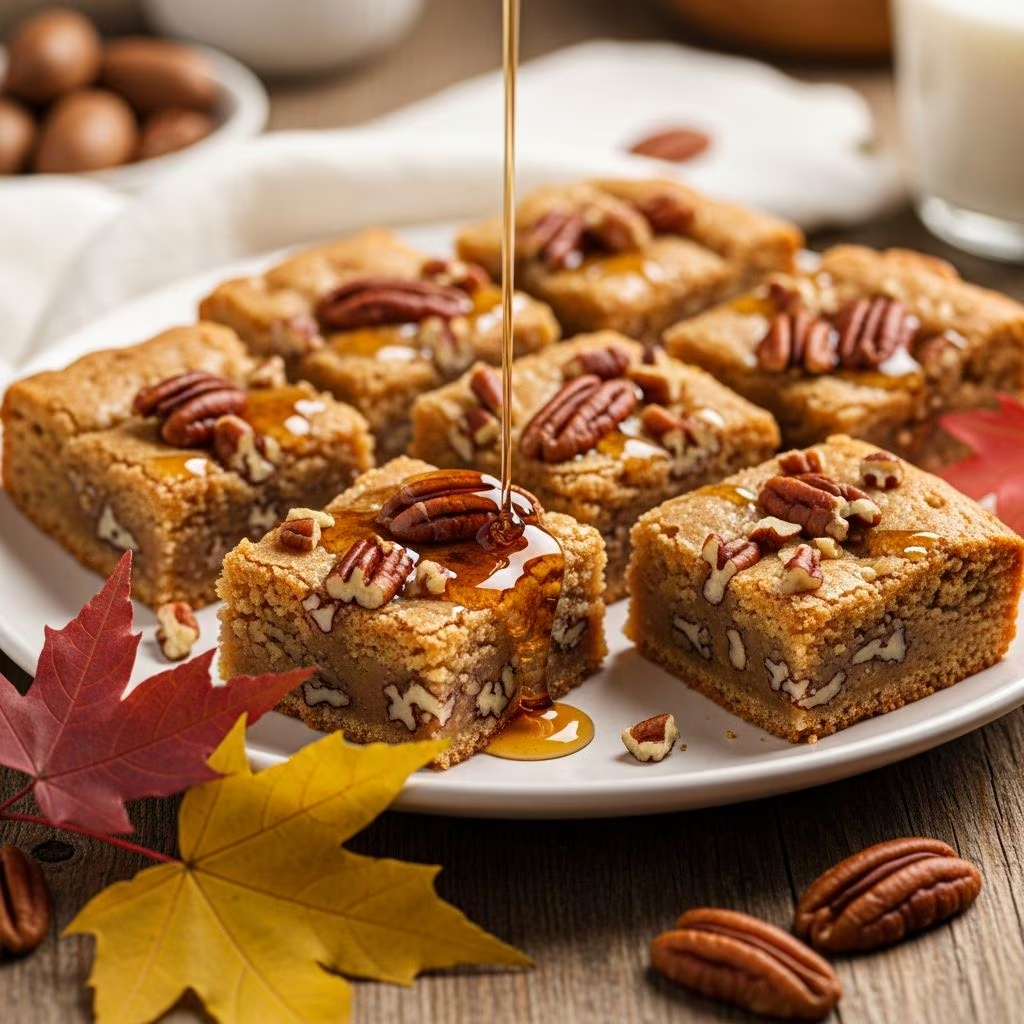
Blondies represent a distinct category within the brownie family, distinguished by their absence of chocolate and their reliance on brown sugar for depth and complexity. Unlike their darker counterparts, blondies showcase rich butterscotch and caramel notes that develop naturally through the combination of brown sugar and butter. The maple pecan variant elevates this classic formula by introducing the warm, woodsy essence of pure maple syrup alongside the satisfying crunch of toasted nuts.
The fundamental appeal of blondies lies in their textural versatility. They can range from cake-like and dense to remarkably chewy and gooey, depending on ingredient ratios and baking duration. Maple pecan blondies specifically benefit from this flexibility, as the maple component adds moisture while the pecans contribute structural contrast.
Essential Ingredients and Their Roles in the Recipe
Creating exceptional maple pecan blondies requires understanding how each ingredient contributes to the final product:
- Brown Butter: The foundation of sophisticated flavor development. Browning butter intensifies its nutty characteristics while creating a golden-brown solids base that enriches the entire batch. This ingredient transforms ordinary blondies into something with genuine depth.
- Dark Brown Sugar: This variety contains more molasses than light brown sugar, delivering deeper caramel and butterscotch undertones essential to the blondie’s identity.
- Real Maple Syrup: Grade A or Grade B pure maple syrup provides authentic flavor that cannot be replicated by artificial extracts alone. The syrup adds moisture, subtle complexity, and genuine maple character.
- Toasted Pecans: Toasting develops the pecans’ natural oils and creates a more pronounced nutty flavor profile. This step separates mediocre blondies from exceptional ones by adding textural contrast and depth.
- All-Purpose Flour: Provides structure without overwhelming gluten development that would create a tough crumb.
- Eggs: Binds ingredients while contributing moisture and richness without creating excessive density.
- Vanilla and Maple Extracts: These aromatics complement and amplify the primary maple flavor without introducing new taste profiles.
Step-by-Step Preparation: Building Layers of Flavor
Preparing Your Workspace
Begin by preheating your oven to 350 degrees Fahrenheit. Line a 9-by-9-inch square baking pan with parchment paper, allowing the paper to slightly overhang the edges for easy removal later. This preparation prevents sticking and ensures clean edges on your finished blondies. Some bakers prefer using 9-by-13-inch rectangular pans, which will produce thinner bars requiring slightly reduced baking time.
Browning the Butter
Cut three-quarters cup of unsalted butter into tablespoon-sized pieces and place them in a medium saucepan over medium heat. As the butter melts, whisk continuously to promote even browning. The butter will transition through several stages: foaming, then gradually developing golden-brown solids at the bottom. Continue whisking until it reaches a rich, nutty aroma—typically three to five minutes depending on your heat source. The residual browning will continue after removal from heat, so avoid over-browning. Transfer the browned butter to a bowl and allow it to cool slightly.
Combining Dry Ingredients
In a separate bowl, whisk together one-and-a-half cups of all-purpose flour, one-half teaspoon of baking powder, and one-half teaspoon of salt. This combination provides structure while allowing moisture to penetrate throughout the blondies evenly. Set this mixture aside for later incorporation.
Creating the Wet Base
Beat one large egg in your mixing bowl for approximately one minute until slightly frothy. Add one cup of dark brown sugar and continue beating until the mixture becomes noticeably lighter in color and fluffy—this process typically requires two to three minutes of vigorous beating. The goal is incorporating air while distributing the sugar evenly.
Pour your cooled brown butter into the egg-sugar mixture along with two teaspoons of vanilla extract, one teaspoon of maple extract, and three tablespoons of real maple syrup. Beat until the combination becomes smooth, creamy, and glossy. This stage develops a cohesive base that will carry all the flavors throughout the baked product.
Bringing Everything Together
Gently fold the dry ingredients into the wet mixture using a rubber spatula, stirring only until the flour disappears. Overmixing at this stage develops gluten unnecessarily, resulting in a tough crumb. Fold in one-half cup of toasted, chopped pecans, reserving the remaining one-half cup for topping.
Baking Process
Spread the batter evenly into your prepared pan, smoothing the top with an offset spatula or the back of a spoon. Sprinkle the reserved toasted pecans over the surface, pressing them gently into the batter. Bake for thirty to thirty-five minutes, until a toothpick inserted into the center emerges with just a few moist crumbs attached. The blondies should appear set around the edges while maintaining slight jiggle in the center—this residual cooking continues as the pan cools, resulting in chewy rather than cake-like texture.
Mastering Texture and Moisture Control
| Desired Texture | Baking Time | Toothpick Test | Cooling Approach |
|---|---|---|---|
| Chewy and Gooey | 28-32 minutes | Moist crumbs throughout | Cool 10 minutes in pan, then transfer |
| Fudgy | 32-35 minutes | Few moist crumbs in center | Cool 15 minutes in pan, then transfer |
| Dense and Cake-like | 35-40 minutes | Nearly clean toothpick | Cool completely in pan |
Creative Variations and Flavor Combinations
Sweet and Savory Balance
For an elevated flavor profile, finish your cooled blondies with a sprinkle of flaked smoked salt or fleur de sel. This addition creates an intriguing contrast between sweetness and savory notes, enhancing the natural maple character while adding sophistication.
Glaze Enhancement
Prepare a simple maple glaze by whisking together powdered sugar, milk or half-and-half, and additional maple extract until smooth. Once the blondies have cooled completely, drizzle this glaze over the surface using a fork or pastry bag. The glaze adds moisture, visual appeal, and another layer of maple intensity.
Nut Substitutions
While pecans provide the classic pairing, walnuts, macadamia nuts, or even a combination offer interesting alternatives. Toast any nuts before incorporation to maximize flavor development.
Caramel Swirl Innovation
Dollop caramel sauce over the batter before baking and swirl it gently through using a knife. This creates pockets of intense caramel distributed throughout the blondies.
Storage and Make-Ahead Strategies
Maple pecan blondies maintain quality for three to four days when stored in an airtight container at room temperature. For extended storage, wrap individual blondies in plastic wrap and freeze for up to three months. Thaw at room temperature before serving to preserve their chewy texture.
For make-ahead convenience, prepare the batter up to twenty-four hours in advance by storing it in the refrigerator. Bake directly from the cold state, adding two to three minutes to the baking time to account for the lower starting temperature.
Frequently Asked Questions
What causes blondies to become too cakey rather than chewy?
Excessive flour, over-mixing, or extended baking time produces cake-like results. Measure flour by spooning into a measuring cup rather than scooping, which can compact the flour. Mix only until dry ingredients disappear, and remove blondies from the oven when a toothpick still shows moist crumbs in the center.
Can I substitute pure maple syrup with maple extract alone?
While maple extract provides flavor, it cannot fully replace the moisture and subtle complexity of real maple syrup. However, you may use more maple extract as a supplement rather than a complete substitute, though the results will differ noticeably.
Why is browning the butter important?
Brown butter develops nutty, caramelized flavors that deepen the overall taste profile of the blondies. This extra step creates complexity impossible to achieve with regular melted butter, making it worth the minimal additional effort.
How do I know when the blondies are perfectly baked?
The edges should appear slightly firm and golden, while the center shows slight movement when the pan is gently shaken. A toothpick should emerge with moist crumbs rather than appearing completely clean. This balance ensures chewy blondies that are cooked enough to hold their shape.
Can this recipe be doubled successfully?
Yes, doubling works well when using a 9-by-13-inch pan. The blondies will be slightly thinner and may bake one to two minutes faster, so monitor carefully. Alternatively, use two separate 9-by-9-inch pans and bake simultaneously if your oven accommodates them.
Troubleshooting Common Issues
Blondies spreading too much: This indicates insufficient flour or too much butter. Verify your measurements using the spoon-and-level method rather than scooping directly into flour. Also ensure you’re using the correct pan size specified in your recipe.
Burnt pecans or edges: Lower your oven temperature by twenty-five degrees and extend the baking time accordingly. Some ovens run hot, making this adjustment necessary for optimal results. Using an oven thermometer confirms accurate temperature calibration.
Dense, sunken center: This typically results from underbaking combined with insufficient cooling time. The blondies need several minutes in the baking pan to set properly before removal. Additionally, reduce sugar slightly if this persists, as excess sugar can cause excessive moisture.
Serving and Presentation Ideas
Serve maple pecan blondies at room temperature for optimal texture and flavor perception. Cut into squares using a sharp knife wiped clean between cuts. Pair with coffee, tea, or milk for a classic accompaniment. For entertaining, arrange blondies on a wooden board with complementary items like candied pecans, maple-infused nuts, or aged cheddar cheese cubes to create an interesting charcuterie-style dessert board.
For gift-giving, wrap individual blondies in parchment paper and place them in small boxes or bags. Include a simple tag noting ingredients for recipients with allergies or dietary restrictions.
References
- The Food Lab: Better Home Cooking Through Science — J. Kenji López-Alt. W.W. Norton & Company, 2015. Information on browning butter and its effects on baked goods.
- King Arthur Baking Company: Baking Ingredient Science — King Arthur Baking Company. 2024. https://www.kingarthurbaking.com/learn
- USDA FoodData Central: Maple Syrup Nutritional Information — United States Department of Agriculture. 2024. https://fdc.nal.usda.gov/
- Pecans: Nutrition and Health Benefits — American Pecan Council. 2024. https://www.americanpecans.org/
- Baker’s Handbook: Professional Formulas and Techniques — Joseph Amendola and Donald E. Ley. John Wiley & Sons, 2003. Guidance on baking ratios and texture development.