Maple cookies represent a delightful intersection of comfort and sophistication in the world of homemade baking. These treats capture the warm, woodsy essence of pure maple syrup in a cookie form that appeals to both casual bakers and seasoned pastry enthusiasts. Whether you’re looking to create a simple weeknight dessert or impress guests with sophisticated flavors, maple cookies offer versatility and consistent results when you understand the fundamental techniques.
Understanding Maple as a Primary Flavor Component
Maple syrup serves as more than just a sweetener in cookie recipes—it functions as a primary flavor driver that influences the entire character of the finished product. The distinct molasses undertones and caramel notes inherent in pure maple syrup create depth that granulated sugar alone cannot achieve. When maple syrup is incorporated into cookie dough, it introduces additional moisture that affects both texture and baking behavior.
The choice between pure maple syrup and imitation varieties significantly impacts the final flavor profile. Pure maple syrup delivers authentic, nuanced sweetness with subtle complexity, while commercial alternatives provide straightforward sweetness without the botanical complexity. For optimal results, bakers should prioritize pure maple syrup, though quality imitation versions can work acceptably in recipes that don’t rely solely on maple flavor distinction.
Essential Ingredients and Their Functions
Creating successful maple cookies requires understanding how each ingredient contributes to the final product:
- Unsalted butter: Provides richness, helps structure the cookie, and allows for flavor control through salting
- Brown sugar: Adds moisture, creates chewiness, and contributes molasses notes that complement maple flavor
- Granulated sugar: Promotes spread and crispness at edges while balancing brown sugar’s molasses intensity
- Maple syrup: Delivers signature flavor and additional moisture that affects texture development
- Eggs: Bind ingredients together and contribute to structure and rise
- Vanilla extract: Enhances overall flavor complexity and rounds out maple notes
- All-purpose flour: Provides structure and controls spread during baking
- Leavening agents: Baking powder and baking soda create lift and influence texture
- Salt: Balances sweetness and amplifies flavor complexity
The Critical Role of Dough Chilling
One of the most important yet frequently overlooked steps in maple cookie preparation is chilling the dough. Because maple syrup introduces significant moisture to the dough mixture, proper chilling becomes non-negotiable for achieving the desired texture. Without adequate chilling time, cookies will spread excessively during baking, resulting in thin, greasy pools rather than chewy discs with distinct edges.
Typically, maple cookie dough requires a minimum of two hours of chilling at refrigerator temperature. This resting period allows gluten to relax, flavors to meld, and moisture to distribute evenly throughout the dough. Many experienced bakers recommend overnight chilling for even better results, as this extended time allows for more complete hydration and flavor development.
Mixing Methods and Techniques
The order and method of combining ingredients influences both the texture and consistency of the final cookies. Professional bakers typically employ a structured approach:
- Whisk dry ingredients together in a separate bowl to ensure even distribution of leavening agents and salt
- Cream butter with sugars until the mixture becomes light and fluffy, typically requiring two minutes of beating
- Incorporate eggs and liquid ingredients (maple syrup, vanilla extract) until fully combined
- Gradually add dry ingredients on low speed to avoid overdeveloping gluten
- Fold in optional mix-ins like nuts or chocolate chips by hand
This gradual approach prevents tough cookies resulting from excessive gluten development while ensuring even distribution of all components throughout the dough.
Baking Temperature and Timing Considerations
Maple cookies bake most successfully at temperatures between 350°F and 375°F. These moderate temperatures allow the cookies to set properly without burning the delicate maple flavors or creating overly crispy textures. Baking time typically ranges from 10 to 14 minutes, depending on your oven’s characteristics and the desired level of crispness.
The visual cues for doneness include edges turning slightly golden while centers remain relatively pale. Removing cookies at this point ensures they finish setting with carryover baking while maintaining soft, chewy centers. Overbaking converts the pleasant chewiness into undesirable dryness and can cause maple flavors to become burnt or harsh.
Creating the Perfect Maple Icing
A simple three-ingredient maple icing complements maple cookies beautifully and requires minimal preparation:
| Ingredient | Quantity | Function |
|---|---|---|
| Unsalted butter | 2 tablespoons | Creates richness and smooth texture |
| Pure maple syrup | 1/3 cup | Provides signature flavor and sweetness |
| Confectioners’ sugar | 1 cup (sifted) | Creates spreadable consistency and sweetness |
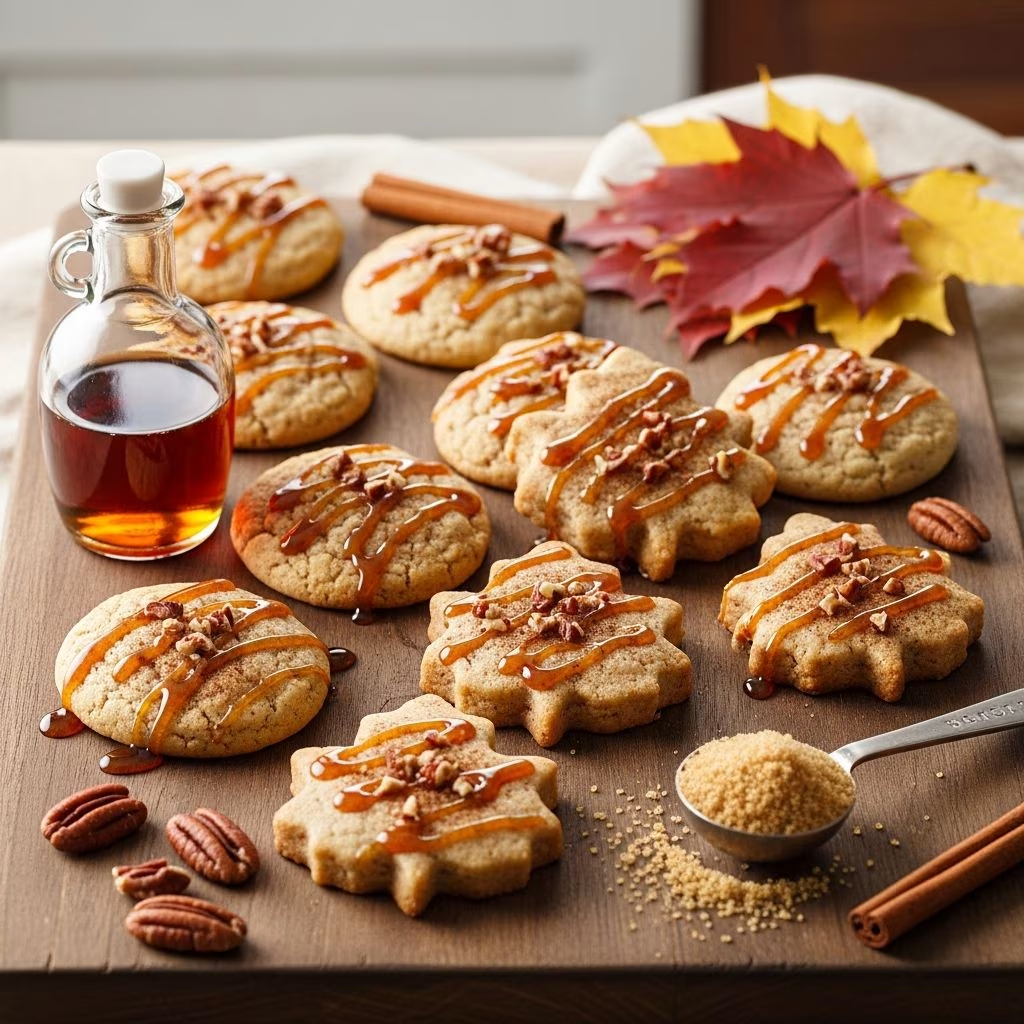
Combine butter and maple syrup in a small pot over low heat, whisking until smooth. Remove from heat and add sifted confectioners’ sugar, stirring until the mixture reaches drizzling consistency. A pinch of salt enhances flavor complexity and balances sweetness. This icing eventually sets, eliminating concerns about sticky cookies during storage.
Incorporating Optional Flavor Enhancements
While maple syrup provides the signature flavor, additional ingredients can elevate cookies in unexpected directions. Ground cinnamon adds warming spice that complements maple’s natural notes. Nutmeg and allspice introduce complexity similar to traditional fall spice blends. Toasted nuts like walnuts or pecans contribute textural contrast and earthy flavors that balance maple’s sweetness.
Some innovative recipes incorporate apple butter—particularly spiced varieties—which adds subtle tartness and complexity without overwhelming the maple profile. This ingredient works especially well in brown sugar-based cookies where additional depth enhances the overall flavor experience.
Storage and Shelf Life Guidelines
Properly stored maple cookies maintain quality for up to one week in an airtight container at room temperature. Layering cookies with parchment paper prevents sticking and damage. For extended storage, maple cookies freeze successfully for up to three months when placed in freezer-safe containers with parchment separation between layers.
The maple icing stabilizes over time, making iced cookies less susceptible to stickiness than some frosted varieties. This characteristic makes maple cookies excellent candidates for advance preparation before serving at gatherings or gift-giving occasions.
Troubleshooting Common Baking Challenges
Cookies spreading too thin: This typically indicates insufficient dough chilling. Ensure dough rests for the recommended time before scooping. If spreading occurs despite chilling, consider adding an additional 1/4 teaspoon of baking soda to help with structure.
Overly dry or cakey texture: This often results from overbaking or excessive flour. Measure flour by weight when possible for accuracy, and remove cookies when edges just begin turning golden.
Icing remains too thin or runny: Add additional sifted confectioners’ sugar in small increments until reaching desired consistency. Conversely, if icing becomes too stiff, warm it gently over low heat or add milk drop by drop.
Burnt or harsh maple flavor: This suggests baking at too high a temperature or for too long. Reduce oven temperature by 25°F and monitor closely during baking.
Creative Variations and Adaptations
Maple cookies provide an excellent foundation for creative experimentation. Consider these variations:
- Spiced maple versions: Add cinnamon, nutmeg, and clove for autumnal appeal
- Maple walnut combination: Incorporate ground or chopped walnuts for nutty complexity
- Brown butter enhancement: Use browned butter instead of standard butter for deeper, more complex sweetness
- Maple glaze alternative: Combine maple syrup with cream cheese frosting for tanginess
- Shaped varieties: Use maple leaf-shaped cutters for special occasions or decorative presentations
Frequently Asked Questions
Can I use imitation maple syrup instead of pure maple syrup?
While imitation maple syrup provides sweetness and some maple flavor, recipes specifically designed around maple flavor perform noticeably better with pure syrup. Imitation alternatives work acceptably in cookies with multiple flavor components but deliver less sophisticated results in simple, maple-focused recipes.
How far in advance can I prepare maple cookie dough?
Maple cookie dough can be refrigerated for up to two days or frozen for up to three months. Frozen dough requires additional thawing time but maintains quality. This makes advance preparation ideal for busy schedules.
Why does my icing look grainy?
Grainy icing typically results from unsifted confectioners’ sugar or inadequate mixing. Always sift confectioners’ sugar before adding to icing, and whisk thoroughly to dissolve any lumps.
Should cookies be soft or crispy?
Traditional maple cookies achieve a soft, chewy center with slightly crisp edges. If you prefer crispier cookies, bake an additional 2-3 minutes, though this may compromise the characteristic chewiness that defines quality maple cookies.
Can maple cookies be made dairy-free?
Substituting dairy butter with plant-based alternatives works reasonably well, though results may vary slightly. The maple flavor remains prominent regardless, making this substitution viable for dietary restrictions.
Conclusion: Mastering Maple Cookie Baking
Creating exceptional maple cookies involves understanding how maple syrup influences dough behavior, respecting the critical chilling step, and executing proper baking techniques. By following these guidelines and remaining attentive to visual cues during baking, home bakers can consistently produce cookies that capture maple’s complex, warming flavor in an accessible, shareable form. Whether serving to family, friends, or as personal treats, maple cookies reward proper technique with delicious results.
References
- Maple Brown Sugar Cookies — Sally’s Baking Addiction. Accessed April 2026. https://sallysbakingaddiction.com/maple-brown-sugar-cookies/
- Maple Brown Sugar Cookies — Sugar Spun Run. Accessed April 2026. https://sugarspunrun.com/maple-brown-sugar-cookies/
- Chewy Brown Sugar Maple Cookies — Half Baked Harvest. Accessed April 2026. https://www.halfbakedharvest.com/chewy-brown-sugar-maple-cookies/
- Maple Cookies Recipe — Chelsea’s Messy Apron. Accessed April 2026. https://www.chelseasmessyapron.com/maple-cookies/
- Spiced Maple Butter Cookies — Butternut Bakery Blog. Accessed April 2026. https://butternutbakeryblog.com/spiced-maple-butter-cookies/
- Best Glazed Maple Leaf Cookies Recipe — Delish. Accessed April 2026. https://www.delish.com/cooking/recipe-ideas/a62354305/glazed-maple-leaf-cookies-recipe/