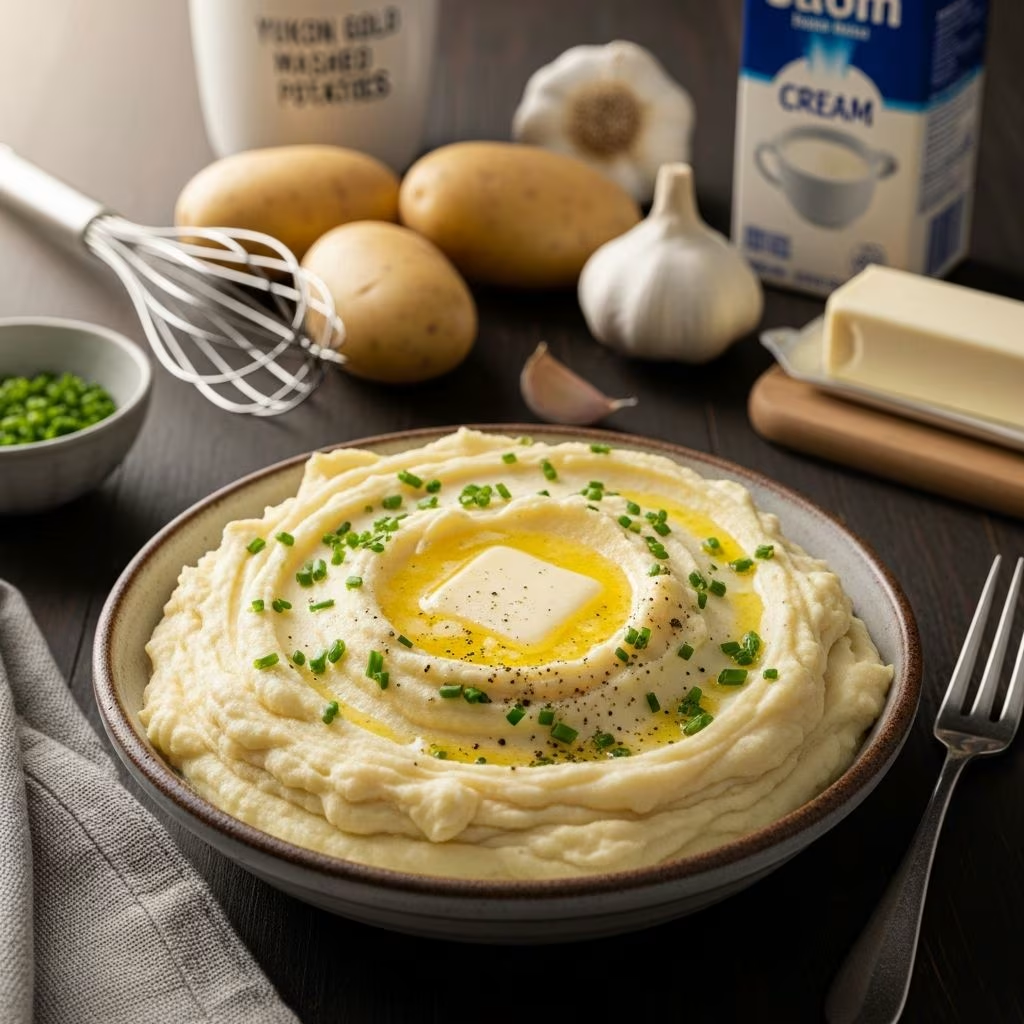
Preparing mashed potatoes ahead of time transforms busy holiday meals or weeknight dinners into manageable events. These versatile sides maintain their creamy texture and rich flavor when stored and reheated properly, freeing up your kitchen space and time.
Why Prepare Mashed Potatoes in Advance?
Making mashed potatoes days before serving eliminates last-minute chaos, especially during gatherings like Thanksgiving or Christmas. Recipes allow refrigeration for up to 48 hours, with some variations supporting freezing for longer storage. The key lies in balancing moisture and fats to prevent drying out upon reheating.
Common benefits include consistent creaminess, as pre-cooking firms the starches, and the ability to add toppings like cheese or bacon just before serving for freshness.
Selecting the Best Potatoes for Mashing
Choose starchy varieties for optimal fluffiness. Yukon Gold potatoes offer buttery flavor and smooth texture, while Russet potatoes provide light, airy results due to high starch content. Cut into 1-2 inch chunks for even cooking.
- Yukon Gold: Creamy, golden hue, ideal for rich dishes.
- Russet: Fluffy, absorbent, perfect for dairy-heavy recipes.
- Maris Piper: Excellent all-rounder for European-style mashes.
Avoid waxy potatoes like red or fingerlings, as they resist breaking down.
Essential Ingredients for Superior Creaminess
Build flavor layers with quality dairy and seasonings. Butter provides richness, while half-and-half or milk ensures smoothness. Cream cheese or goat cheese elevates texture and tang.
| Ingredient | Quantity (5 lbs Potatoes) | Role |
|---|---|---|
| Unsalted Butter | 1-2 cups | Richness and flavor base |
| Half-and-Half or Milk | 1-2 cups | Creamy consistency |
| Cream Cheese or Goat Cheese | 8 oz (optional) | Tangy smoothness |
| Salt & Pepper | To taste | Seasoning |
For cheesy versions, incorporate Parmesan or garlic-herb goat cheese post-mashing.
Step-by-Step Cooking Method
- Peel and uniformly cube potatoes to ensure even doneness.
- Place in a large pot, cover with cold water by 2-3 inches, and add 1 tablespoon salt.
- Boil, then simmer 15-20 minutes until fork-tender.
- Meanwhile, gently heat butter, half-and-half, and milk until steaming.
- Drain potatoes thoroughly, return to hot pot to evaporate steam (1-2 minutes).
- Mash with a ricer or masher for lump-free results, then stir in warm dairy mixture gradually.
- Season and adjust consistency; for make-ahead, make slightly looser with extra dairy.
Use a potato ricer for the smoothest texture, minimizing gumminess from overworking.
Storage Techniques for Maximum Freshness
Transfer cooled mash to a greased 9×13-inch baking dish. Dot with butter, cover tightly with plastic wrap then foil to prevent drying. Refrigerate up to 2 days. For freezing, portion into airtight containers for up to 2 months.
- Fridge: Up to 48 hours; let sit at room temp 1-2 hours before reheating.
- Freezer: Thaw overnight in fridge; extra moisture may be needed post-thaw.
Reheating to Perfection
Preheat oven to 350°F. Bake covered 25-35 minutes (longer if cold), uncover last 10 minutes for browning. Stir midway and add milk if needed. Microwave in batches for smaller portions, covered with damp towel.
For casseroles, top with cheese and bacon before final bake at 400°F for 20-35 minutes.
Flavor Variations to Elevate Your Mash
Customize for any occasion:
- Cheesy Garlic: Add roasted garlic, goat cheese, and Parmesan.
- Bacon Cheddar Casserole: Mix in sour cream, top with bacon and cheese.
- Herb-Infused: Fresh chives, rosemary, or garlic-herb butter.
- Vegan Option: Use plant-based butter, coconut milk, and nutritional yeast.
Common Mistakes and Fixes
| Mistake | Fix |
|---|---|
| Watery texture | Drain well, dry over low heat before mashing |
| Gummy lumps | Use ricer; avoid electric mixer |
| Dry after reheating | Add extra dairy pre-storage, cover tightly |
| Undercooked chunks | Uniform cuts, test with fork |
Scaling for Crowds
For 10-12 servings, use 5 lbs potatoes. Double dairy accordingly. Bake in multiple dishes if needed to ensure even heating.
Pairing Suggestions
Complement roasts, turkeys, or ham. Add gravy for moisture, or serve au gratin-style with toppings.
FAQs
Can I make mashed potatoes 3 days ahead?
Best within 2 days for optimal texture; freezing extends viability.
Why add extra milk for make-ahead?
Mash firms in fridge; extra liquid compensates for perfect post-reheat creaminess.
Is a ricer necessary?
No, but it yields superior smoothness over hand mashing.
Can I use a slow cooker to reheat?
Yes, on low for 2-3 hours, stirring occasionally with added milk.
How do I make dairy-free versions?
Substitute olive oil or vegan butter, almond milk, and cashew cream.
Nutritional Snapshot (Per Serving, 5 lbs Yield ~12 Servings)
| Nutrient | Amount |
|---|---|
| Calories | ~250 |
| Carbs | 35g |
| Fat | 10g |
| Protein | 5g |
Values vary by ingredients; rich in potassium from potatoes.
References
- Make-Ahead Mashed Potatoes — Erren’s Kitchen. 2023-11-15. https://www.errenskitchen.com/make-ahead-mashed-potatoes
- Ina Garten Make Ahead Mashed Potatoes — The Food Charlatan. 2023-10-20. https://thefoodcharlatan.com/make-ahead-mashed-potatoes-recipe/
- Make-ahead Mashed Potato Casserole — RecipeTin Eats. 2024-01-10. https://www.recipetineats.com/make-ahead-mashed-potato-casserole/
- Make-Ahead Mashed Potatoes — Family Around the Table. 2023-09-05. https://familyaroundthetable.com/make-ahead-mashed-potatoes/