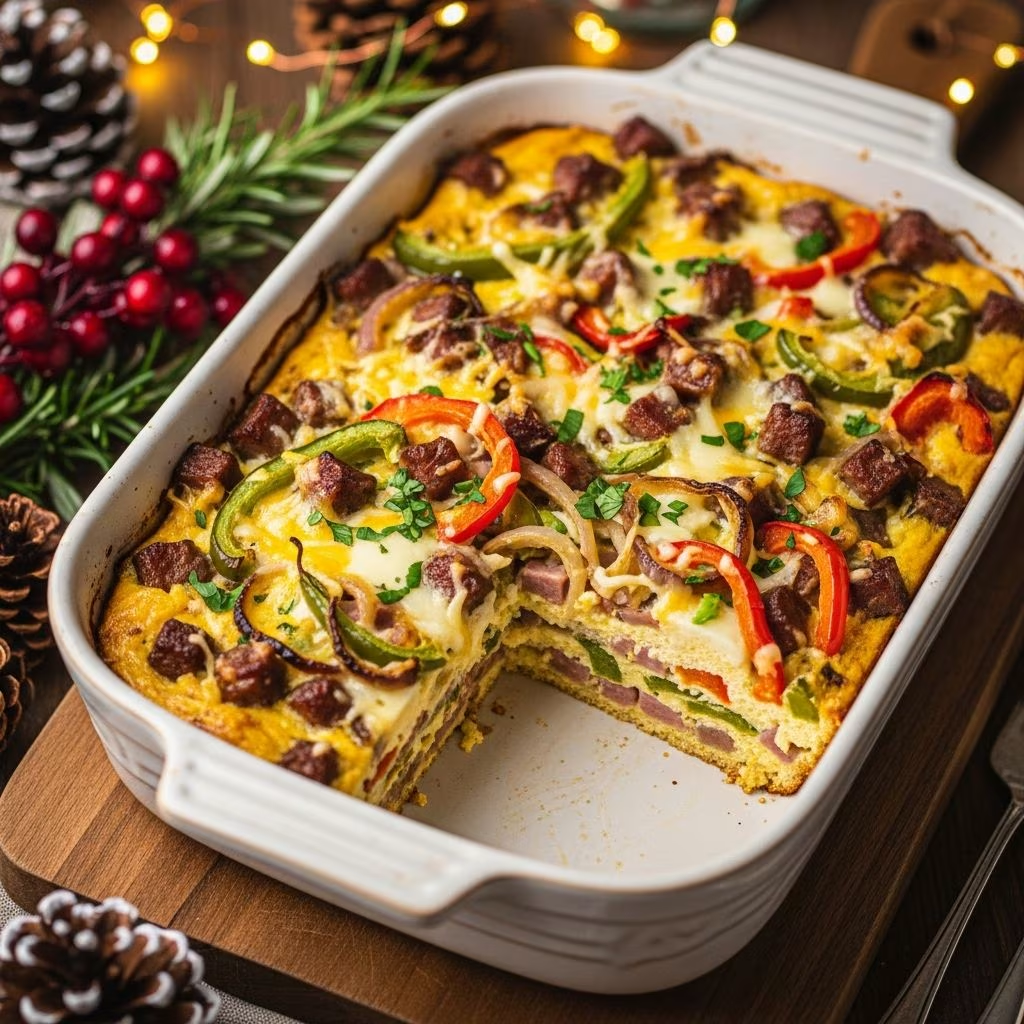
During the holiday season, mornings can become hectic as families gather to celebrate together. Rather than spending hours in the kitchen when guests arrive, savvy hosts turn to make-ahead casseroles that deliver impressive results with minimal morning effort. A hearty breakfast casserole filled with savory ingredients offers the perfect solution, allowing you to prepare the entire dish the evening before and simply pop it into the oven when you wake. This approach transforms your Christmas morning from stressful to serene, giving you more time to enjoy quality moments with loved ones.
Why Breakfast Casseroles Work for Holiday Gatherings
Breakfast casseroles have become staples at holiday tables because they address several practical needs simultaneously. First, they accommodate large groups effortlessly, as a single 9×13-inch dish can serve 8 to 10 people comfortably. Second, their make-ahead nature eliminates last-minute cooking stress. Third, they combine multiple food groups into one balanced meal, offering proteins, vegetables, starches, and dairy in each serving. When guests arrive at your home during the holidays, having a substantial, delicious breakfast already planned and prepared demonstrates thoughtful hospitality while allowing you to remain relaxed and present with your company.
Essential Components of a Successful Breakfast Casserole
The Protein Foundation
The protein element forms the backbone of any satisfying breakfast casserole. While bacon remains a classic choice, offering smoky richness and crispy texture, the beauty of this dish lies in its flexibility. Ham provides a milder, slightly sweet profile that pairs beautifully with cheese and vegetables. Sausage, whether in bulk form or crumbled from links, delivers robust seasoning and hearty substance. Some cooks prefer combining multiple proteins to create complexity in flavor. The key is cooking your chosen protein until fully rendered and properly seasoned before incorporating it into the casserole base.
The Starch Layer
Potatoes serve as the foundation upon which all other ingredients rest. Hash browns, whether homemade by shredding fresh potatoes or using convenient frozen varieties, create a naturally gluten-free base with excellent texture. The starchy foundation absorbs moisture and custard while maintaining structural integrity throughout baking. When using frozen hash browns, ensure they are completely thawed and excess moisture is squeezed out to prevent a watery final dish. Some variations incorporate bread cubes or croissant pieces instead of potatoes, offering a more European interpretation of the breakfast casserole.
Aromatic Vegetables
Onions and mushrooms transform a simple casserole into something special by adding umami depth and sophisticated flavor complexity. Diced onions, cooked until translucent and soft, sweeten slightly through caramelization while releasing their natural sugars. Fresh mushrooms contribute earthiness and a meaty texture that complements the protein components. Bell peppers add vibrant color, subtle sweetness, and nutritional value. Asparagus, broccoli florets, or artichoke hearts can be incorporated for additional vegetable nutrition. These vegetables should be cooked briefly before assembly to remove excess moisture and concentrate flavors.
The Custard Binding
Eggs mixed with milk create the custard that holds all components together while baking. This mixture, typically comprising 4 to 5 eggs per 9×13-inch casserole dish, bonds the ingredients while creating a tender, slightly creamy texture. The ratio of eggs to milk matters; too much milk creates a soupy result, while too many eggs yields a dense, rubbery texture. Whole milk, half-and-half, or a combination provides the ideal consistency. Some cooks add a pinch of hot sauce or Worcestershire sauce to the custard mixture for subtle depth and seasoning complexity.
The Cheese Component
Cheese provides both flavor and richness while creating an appetizing golden crust during baking. Cheddar varieties work beautifully due to their meltability and distinct flavor profile. White cheddar offers a sharper taste than orange varieties. Some recipes combine cheddar with pepper jack for heat, or incorporate Swiss cheese for nuttiness. Shredding your own cheese from blocks rather than using pre-shredded varieties ensures better melting and creamier texture. Reserve a portion of grated cheese to sprinkle on top before baking, creating that desirable cheese crust that signals a properly executed casserole.
Detailed Assembly and Preparation Process
Cooking the Protein
Begin by cooking your chosen protein in a large skillet over medium-high heat. If using bacon, lay strips individually in the pan and allow them to render slowly, achieving even browning and crispness. Once fully cooked, transfer to a paper towel-lined plate, allowing excess grease to drain. Once cooled slightly, crumble into bite-sized pieces. If using sausage, break it into small chunks in the skillet, stirring frequently to achieve even browning throughout. Drain any excess fat before proceeding. This step builds foundational flavor that infuses the entire casserole.
Sautéing Aromatics
In the same skillet with residual fat from the cooked meat, add your prepared vegetables. Start with diced onions, cooking over medium heat for approximately 5 minutes while stirring occasionally, until edges become translucent and the onions soften. Add mushroom slices and continue cooking for another 5 minutes until the mushrooms release their moisture and begin browning slightly. If incorporating bell peppers, add them during this phase. The vegetables should be tender but not mushy. Season lightly with salt and pepper, remembering that additional seasoning occurs when you make the egg custard and with the cheese topping.
Building the Casserole Layers
Lightly grease your baking dish with butter or oil, ensuring even coverage on all surfaces to prevent sticking. Spread the thawed hash browns evenly across the bottom, pressing gently to create a compact layer. Sprinkle this layer with salt, garlic salt, and black pepper, distributing seasonings evenly. Scatter the crumbled cooked protein over the potatoes, followed by the sautéed onion and mushroom mixture. Distribute ingredients as uniformly as possible to ensure every serving contains balanced flavors and textures. This layered approach creates natural pockets that capture the egg custard during baking.
Preparing and Adding the Custard
In a separate mixing bowl, crack eggs and beat them thoroughly until yolks and whites are fully incorporated. Add milk or half-and-half, stirring well to combine. Add dried parsley, salt, and any other seasonings you’re incorporating. The mixture should be homogeneous and slightly frothy from beating. Carefully pour this custard mixture over the prepared layers, doing so slowly to ensure even distribution. Use a fork to gently lift corners of the casserole ingredients, allowing the custard to flow beneath the surface layers. This ensures the egg mixture penetrates thoroughly rather than remaining only on top.
Final Assembly Steps
Sprinkle grated cheese evenly across the entire surface of the casserole, using approximately three-quarters of your prepared cheese. Reserve the remaining quarter for additional topping if desired. At this point, cover the casserole tightly with plastic wrap or foil and refrigerate overnight or for up to 24 hours. Refrigeration allows the bread or potatoes to fully absorb the custard mixture while flavors meld and develop. The overnight rest period is not merely convenient; it actually improves the final texture and flavor profile significantly.
Baking Instructions and Timing
On the morning you plan to serve your casserole, remove it from the refrigerator and allow it to sit at room temperature for 15 to 20 minutes before baking. This resting period allows the center to come closer to room temperature, promoting more even baking throughout. Preheat your oven to 400 degrees Fahrenheit. Place the casserole on the middle rack and bake for approximately 1 hour. The casserole is finished when the top is golden brown, the cheese is melted and bubbling around the edges, and a knife inserted into the center comes out clean. If the top browns too quickly, tent loosely with foil during the final 15 to 20 minutes of baking. Allow the finished casserole to rest for 5 to 10 minutes before cutting and serving.
Customization and Flavor Variations
Protein Alternatives
The beauty of this casserole lies in its adaptability to different preferences and dietary needs. Substitute bacon with smoked ham for a different flavor profile. Turkey sausage offers a leaner option while maintaining robust seasoning. Vegetarians can omit meat entirely and increase vegetables such as spinach, kale, sun-dried tomatoes, and roasted red peppers. Chorizo brings Spanish spice and smokiness, while andouille sausage provides Cajun flair. Ground turkey mixed with Italian seasonings creates a lighter interpretation while maintaining substance and flavor.
Vegetable Combinations
Move beyond basic onions and mushrooms by incorporating seasonal vegetables. Roasted red peppers and caramelized onions create sweetness and depth. Blanched broccoli florets add nutrition and vibrant green color. Sautéed asparagus tips contribute elegance and sophistication. Fresh spinach, wilted gently before incorporating, adds nutrition without overpowering delicate flavors. Sun-dried tomatoes provide concentrated flavor intensity and visual interest. Artichoke hearts contribute tender texture and mild earthiness. Jalapeño peppers can be incorporated for those who enjoy heat and spice.
Cheese Variations
While cheddar remains classic, exploring cheese options transforms the casserole’s character. Swiss cheese imparts nutty sophistication. Fontina offers creamy richness with subtle earthiness. Gruyère delivers complex flavor and excellent melting properties. Pepper jack provides heat and boldness. Combining multiple cheeses creates greater complexity and more interesting flavor development. Smoked cheddar emphasizes the meat components’ smokiness. Fresh mozzarella, added only during the final 10 minutes of baking, provides creamy pockets of mild flavor.
Seasoning Enhancements
Beyond salt, pepper, and parsley, numerous seasonings elevate this dish. Fresh thyme or rosemary contribute herbaceous notes that complement holiday traditions. Nutmeg, used judiciously, adds warmth without becoming obvious. Dijon mustard stirred into the egg mixture imparts subtle sophistication. Hot sauce provides heat and depth. Worcestershire sauce adds umami complexity. Smoked paprika emphasizes smokiness from the protein components. Garlic powder or fresh minced garlic strengthens the savory profile considerably.
Storage and Make-Ahead Timeline
Preparation Timeline
Optimal results occur when the casserole is prepared the evening before serving. This allows the potatoes and bread to fully absorb the custard mixture overnight, resulting in superior texture and integration of flavors. The casserole can be prepared up to 24 hours in advance, though testing for freshness is advisable beyond this window. If preparing 2 to 3 days ahead, freeze the assembled casserole after the eggs are poured but before baking. When ready to bake, thaw in the refrigerator overnight before proceeding with baking instructions.
Freezing Instructions
Should you wish to prepare this casserole further in advance, freezing is entirely feasible. Assemble the casserole completely through the custard-pouring stage but do not bake. Cover tightly with plastic wrap followed by foil to prevent freezer burn. Label clearly with contents and date prepared. Freeze for up to 3 months. When ready to bake, thaw in the refrigerator overnight, then proceed with standard baking instructions, adding 10 to 15 minutes to the baking time to account for the colder initial temperature.
Serving and Leftover Management
Cut the finished casserole into square portions using a sharp knife or dedicated casserole server. The casserole holds well for several hours at room temperature, making it ideal for buffet-style service. Refrigerate leftover portions in airtight containers for up to 3 days. Reheat individual portions in the microwave or the entire dish in a 350-degree oven, covered, for approximately 20 minutes or until heated through. The casserole does not freeze well after baking due to texture changes in the eggs and potatoes.
Common Questions About Breakfast Casseroles
Can I prepare this casserole without overnight refrigeration?
While overnight refrigeration produces optimal results by allowing ingredients to meld and absorb custard fully, the casserole can be assembled in the morning and baked immediately. Allow it to sit at room temperature for 30 to 45 minutes before baking to allow some absorption to occur. Baking time may remain approximately the same, though the final texture may be slightly different.
What should I do if my casserole seems watery after baking?
Excess moisture typically results from vegetables releasing too much liquid or from excessive milk in the custard mixture. Ensure vegetables are cooked until tender before assembly to reduce residual moisture. Additionally, verify your milk-to-egg ratio matches the recipe precisely. Bake for the full recommended time; sometimes casseroles require the entire baking period to set properly.
How can I adapt this recipe for dietary restrictions?
Dairy-free versions can be created using plant-based milk alternatives and dairy-free cheese. Gluten-free preparations substitute bread with additional vegetables or certified gluten-free bread cubes. Vegetarian versions simply omit meat and increase vegetables substantially. Keto variations use cauliflower rice instead of potatoes and increase cheese and protein portions.
Is it necessary to cook vegetables before assembly?
Cooking vegetables before assembly ensures they become tender and release excess moisture that would otherwise create a watery casserole. Additionally, cooking brings out natural sugars and flavors through light caramelization. Raw vegetables will become tender during baking but may impart excess moisture to the finished dish.
What baking dish size works best for this recipe?
A standard 9×13-inch baking dish accommodates the ingredient quantities recommended and bakes evenly. Smaller dishes create thicker casseroles requiring extended baking time. Larger dishes create shallower layers that may bake too quickly on top before the center sets properly. Stick to the standard size for best results.
References
- Easy Make-Ahead Christmas Brunch Casserole Recipe — Little House Living. https://www.littlehouseliving.com/christmas-brunch-casserole.html
- Best Christmas Breakfast Casserole Recipe — The Pioneer Woman. https://www.thepioneerwoman.com/food-cooking/recipes/a37859079/christmas-breakfast-casserole-recipe/
- Christmas Breakfast Casserole {Make Ahead!} — Lil’ Luna. https://lilluna.com/christmas-breakfast-casserole/
- Not-Just-For-Christmas Christmas Breakfast Casserole — Stone Gable Blog. https://stonegableblog.com/christmas-breakfast-casserole-2/