Guacamole’s creamy texture and zesty flavor make it a crowd favorite, but its rapid browning ruins the appeal. Oxidation from air exposure triggers enzymes in avocados to produce unattractive discoloration. Effective strategies focus on limiting oxygen contact while preserving taste.
The Science Behind Avocado Discoloration
Avocados contain polyphenol oxidase, an enzyme that reacts with oxygen upon exposure, leading to melanin formation and browning. This process starts immediately after mashing, especially if the flesh contacts air. Factors like temperature and pH accelerate it, turning vibrant green dip murky within hours.
Essential Ingredients for Long-Lasting Guac
Start with ripe Hass avocados for optimal creaminess. Balance with finely diced onions, tomatoes, cilantro, garlic, and spices. Citrus juices not only season but also combat oxidation by lowering pH, creating an acidic environment that slows enzyme activity.
- 3 medium avocados: Provide the base; choose firm yet yielding to gentle pressure.
- 1/2 onion, diced: Adds crunch and mild sharpness.
- 2 tomatoes, seeded and chopped: Brings juiciness without excess water.
- 1/4 cup cilantro: Fresh herbal notes.
- 2 garlic cloves, minced: Depth of flavor.
- Juice of 1 lime + 1/2 lemon: Acidity for taste and preservation.
- Salt, cumin, pepper to taste: Enhances overall profile.
Step-by-Step Guacamole Recipe
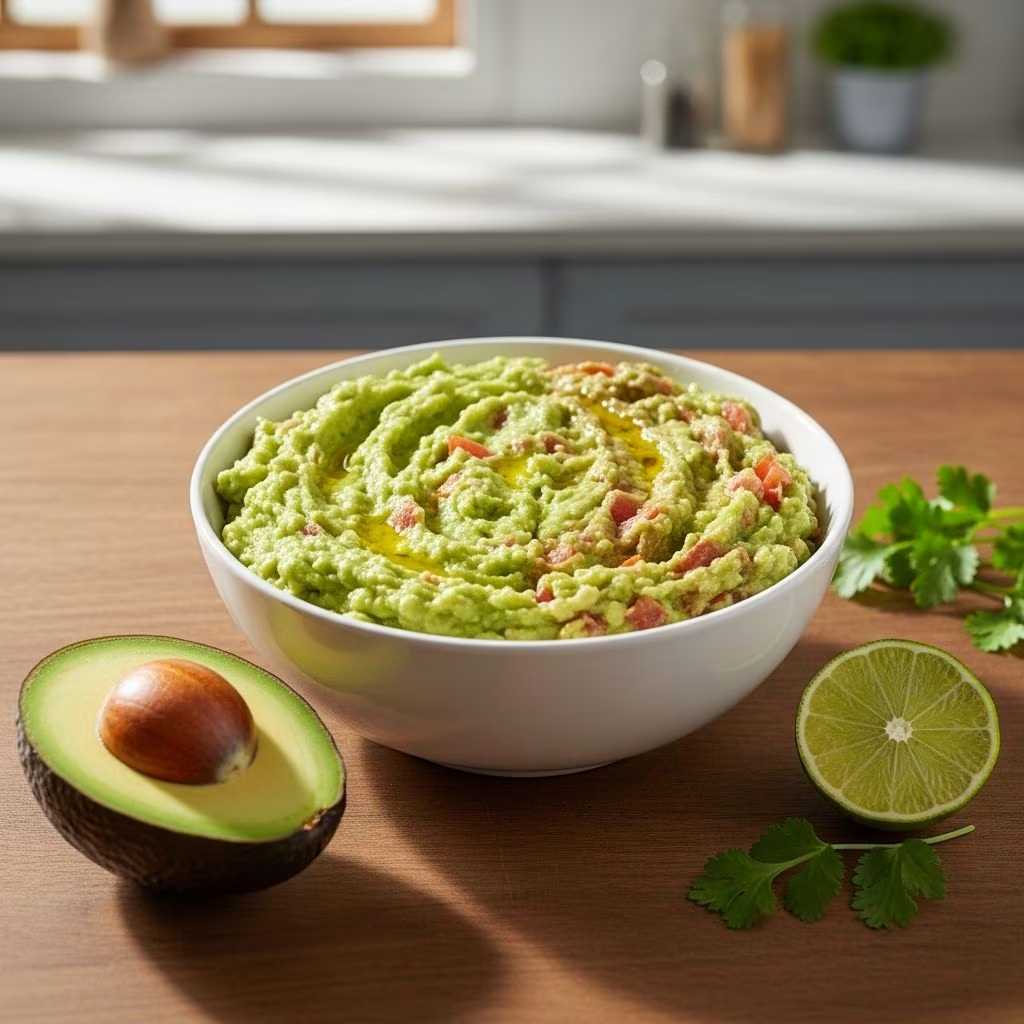
Halve avocados, remove pits, and scoop flesh into a bowl. Mash coarsely with a fork for desired chunkiness. Fold in vegetables, herbs, and citrus juices. Season gradually, tasting as you go. This yields about 2 cups, perfect for immediate serving or storage testing.
Top Techniques to Block Oxygen Exposure
Success hinges on minimizing air pockets. Here are reliable methods ranked by effectiveness and ease.
| Method | How It Works | Duration | Pros | Cons |
|---|---|---|---|---|
| Plastic Wrap Press | Smooth wrap directly on surface, expelling air | 2-3 days in fridge | Simple, no extra tools | Manual effort needed |
| Citrus Boost | Extra lime/lemon juice forms protective layer | 1-2 days | Flavor enhancement | May overpower taste |
| Water Barrier | Thin water layer poured over, drained before use | 1-2 days | Quick | Can dilute if absorbed |
| Vacuum Sealing | Removes all air from container or bag | Weeks in fridge, months frozen | Superior preservation | Requires equipment |
Plastic Wrap Mastery
Spoon guacamole into a shallow container. Cover with plastic wrap, pressing firmly until it molds to every contour, creating an airtight seal. Snap on the lid and refrigerate. This method excels for short-term storage, keeping dip pristine for gatherings.
Citrus as a Natural Shield
Increase lime or lemon juice by 50% in your recipe. The ascorbic acid inhibits enzymes. Stir well and store conventionally. Ideal for flavor-forward dips, though monitor for tartness buildup.
Water Layer Trick
After preparation, gently pour cool water over the surface to about 1/4 inch depth. Cover and chill. Before serving, pour off water and stir. Effective but requires careful draining to avoid sogginess.
Advanced Preservation: Vacuum Sealing Guide
For bulk prep or freezing, vacuum sealing removes nearly all oxygen. Transfer guac to a jar or bag, leaving headspace. Use a jar sealer attachment to extract air, or for freezing, partially firm the mixture first (45-60 minutes in freezer), then seal. Fridge storage lasts weeks; frozen portions maintain quality up to 6-8 months. Thaw overnight in fridge for best results.
Storage Best Practices for Maximum Freshness
- Fridge Immediately: Cool to 40°F (4°C); avoid room temperature.
- Portion Control: Divide into small units to limit air entry upon opening.
- Airtight Containers: Glass jars or rigid plastics prevent odor absorption.
- Label Dates: Track freshness; consume within 3-5 days for peak taste.
- Freezer Tips: Flatten bags for quick thawing; avoid refreezing.
Freezing Guacamole Without Quality Loss
Freeze in ice cube trays for single servings, then transfer to bags. Or use vacuum bags post partial freezing. Upon thawing, a slight texture change may occur, but flavor remains intact. Perfect for meal prep or surprise guests.
Common Mistakes and How to Avoid Them
Over-mashing leads to faster oxidation due to more exposed surface area—keep it chunky. Skipping seeds or peels wastes natural antioxidants; consider blending a bit of onion water for extra protection. Storing in metal bowls reacts with acids, imparting off-flavors—opt for non-reactive materials.
Pairing Ideas for Your Fresh Dip
Serve with tortilla chips, tacos, or as a burger topper. For variety, mix in roasted corn, mango, or pomegranate seeds. These additions not only diversify but some offer natural preservatives like vitamin C from fruits.
Frequently Asked Questions
Why does guacamole brown so fast?
Enzymatic oxidation from polyphenol oxidase reacting with oxygen; limit air contact to slow it.
Can I freeze store-bought guacamole?
Yes, but homemade preserves better flavor. Use vacuum methods for both.
Does onion juice help prevent browning?
Its sulfur compounds mildly inhibit enzymes; blend onions with water and strain for a splash.
How long does sealed guac last in the fridge?
2-5 days with plastic wrap; up to 2 weeks vacuum-sealed.
Is browned guac safe to eat?
Yes, if no off smell or mold; trim discolored top if needed.
Troubleshooting Storage Issues
If browning persists, check seal integrity—air bubbles mean failure. For watery results, reduce tomatoes or drain before mixing. Experiment with ratios to suit your climate; humid areas may need drier ingredients.
References
- How to Keep Guacamole From Turning Brown — FoodSaver. 2023. https://www.foodsaver.com/blogs/How-to-Keep-Guacamole-From-Turning-Brown.html
- Classic Guacamole (+ pro tip so it lasts longer) — Veggie Chick. 2022-10-15. https://veggiechick.com/almost-famous-guacamole/
- The only way to keep your guacamole from turning brown — YouTube. 2023. https://www.youtube.com/shorts/kHRKA5Cubxk