Mahi-mahi stands out among white fish varieties for its firm texture, delicate flavor profile, and remarkable versatility in the kitchen. When paired with the vibrant bounty of spring vegetables, this Hawaiian staple transforms into a refined yet approachable dish that elevates any weeknight dinner or special occasion gathering. The combination of tender, flaky fish with crisp seasonal greens creates a balanced meal that appeals to both health-conscious diners and those seeking culinary sophistication.
Understanding Mahi-Mahi: Characteristics and Culinary Applications
Mahi-mahi belongs to the family of firm white fish that maintains its structure during cooking, making it an ideal protein for various preparation methods. The fish features a mild, slightly sweet taste that does not overpower delicate accompaniments. Its dense flesh allows it to withstand bold seasonings and robust sauce pairings without becoming dry or flavorless. The meat contains beneficial omega-3 fatty acids and serves as an excellent source of lean protein, making it a nutritionally complete foundation for a main course.
When selecting mahi-mahi at the market, look for flesh that displays a bright color and firm consistency. The fish should emit a clean oceanic aroma rather than a strong fishy smell, which indicates freshness. Frozen mahi-mahi fillets have become increasingly popular for home cooks seeking convenience without sacrificing quality, as proper freezing preserves the nutritional profile and flavor characteristics of fresh specimens.
Spring Produce Selection and Preparation Fundamentals
Spring delivers an extraordinary array of vegetables that showcase unique flavors and nutritional benefits unavailable during other seasons. Tender lettuces, peppery arugula, delicate spring onions, and vibrant asparagus represent just a portion of the seasonal offerings available during this time. These vegetables contain higher water content than their fall and winter counterparts, resulting in naturally crisp textures and bright, fresh flavors that complement the subtle taste of mahi-mahi.
The foundation of your salad should include a variety of greens that offer different textural contrasts. Combine soft butterhead lettuce varieties with peppery micro-greens and robust arugula to create visual interest and layered flavor complexity. Radishes add a crisp bite and vibrant color, while thinly sliced spring onions contribute a mild onion flavor that does not overpower the delicate fish.
Cooking Techniques That Preserve Mahi-Mahi’s Delicate Nature
Successful mahi-mahi preparation depends on understanding how heat affects the fish’s proteins and moisture content. Unlike fattier fish such as salmon, mahi-mahi benefits from careful attention to cooking temperature and duration to prevent drying. Several methods yield excellent results when executed with precision.
Oven-Roasting Method
Roasting mahi-mahi in a preheated 425-degree oven creates an evenly cooked fillet with a gentle exterior. Begin by patting the fish dry with paper towels, as moisture on the surface prevents browning and can result in steaming rather than roasting. Brush the fillets lightly with oil and season both sides with kosher salt and freshly ground black pepper. Arrange the fish on a rimmed baking sheet and roast for approximately 12 to 15 minutes, depending on the thickness of your fillets. The fish is done when it flakes easily with a fork and reaches an internal temperature of 145 degrees Fahrenheit.
Pan-Searing Technique
Pan-searing delivers a golden crust while maintaining a moist interior, creating textural contrast that enhances the dining experience. Heat a skillet over medium-high heat and add a small amount of oil with a high smoke point. Once the oil shimmers, carefully place the seasoned mahi-mahi fillets in the pan, skin-side down if the skin remains attached. Sear undisturbed for three to four minutes, allowing a flavorful crust to develop, then flip and cook the second side for an additional two to three minutes. This method allows you to control the cooking process visually and ensures precise doneness.
Building Complementary Flavor Profiles
The delicate nature of mahi-mahi allows it to pair beautifully with acidic elements that brighten the overall dish composition. Citrus-based vinaigrettes featuring lemon, lime, or grapefruit juice complement the fish without overwhelming its subtle sweetness. Light herb infusions using fresh dill, tarragon, or chervil enhance rather than mask the natural flavors of the protein.
Vinaigrette Components
A well-balanced vinaigrette begins with quality oil and acid in proportions that create harmony rather than dominance. Traditional ratios suggest three parts oil to one part acid, though personal preference may guide adjustments. Incorporate Dijon mustard as an emulsifier that helps bind the oil and vinegar while adding subtle depth. Fresh herbs, minced shallots, and a touch of honey or maple syrup round out the flavor profile, creating a dressing that clings to the delicate greens and complements the fish without creating an oily residue.
Textural Elements and Finishing Touches
Layering textures throughout the dish elevates the dining experience beyond simple flavors. Incorporate toasted nuts such as sliced almonds or walnut pieces for crunch that contrasts with the soft fish and tender greens. Crispy breadcrumbs or homemade croutons add another textural dimension while introducing subtle toasted flavors. Fresh fruit elements such as sliced strawberries, orange segments, or diced pineapple introduce natural sweetness and acidity that balances the savory components of the plate.
Nutritional Benefits of the Complete Dish
This combination of mahi-mahi and spring greens creates a nutritionally dense meal that supports various health objectives. Mahi-mahi provides high-quality protein essential for muscle maintenance and tissue repair, while spring vegetables contribute fiber, vitamins, and minerals that support overall wellness. The healthy fats from olive oil-based dressings and nutrient-rich fish work together to promote satiety and sustained energy throughout the day.
Seasonal Variations and Ingredient Swaps
While spring produces offer distinctive characteristics, this dish adapts beautifully to seasonal transitions and ingredient availability. Early summer additions might include fresh corn kernels or heirloom tomatoes, while late spring offers peas and fava beans. The cooking method and flavor profiles remain adaptable to whatever fresh ingredients your local market provides, ensuring year-round enjoyment of this elegant preparation.
Plating and Presentation Strategies
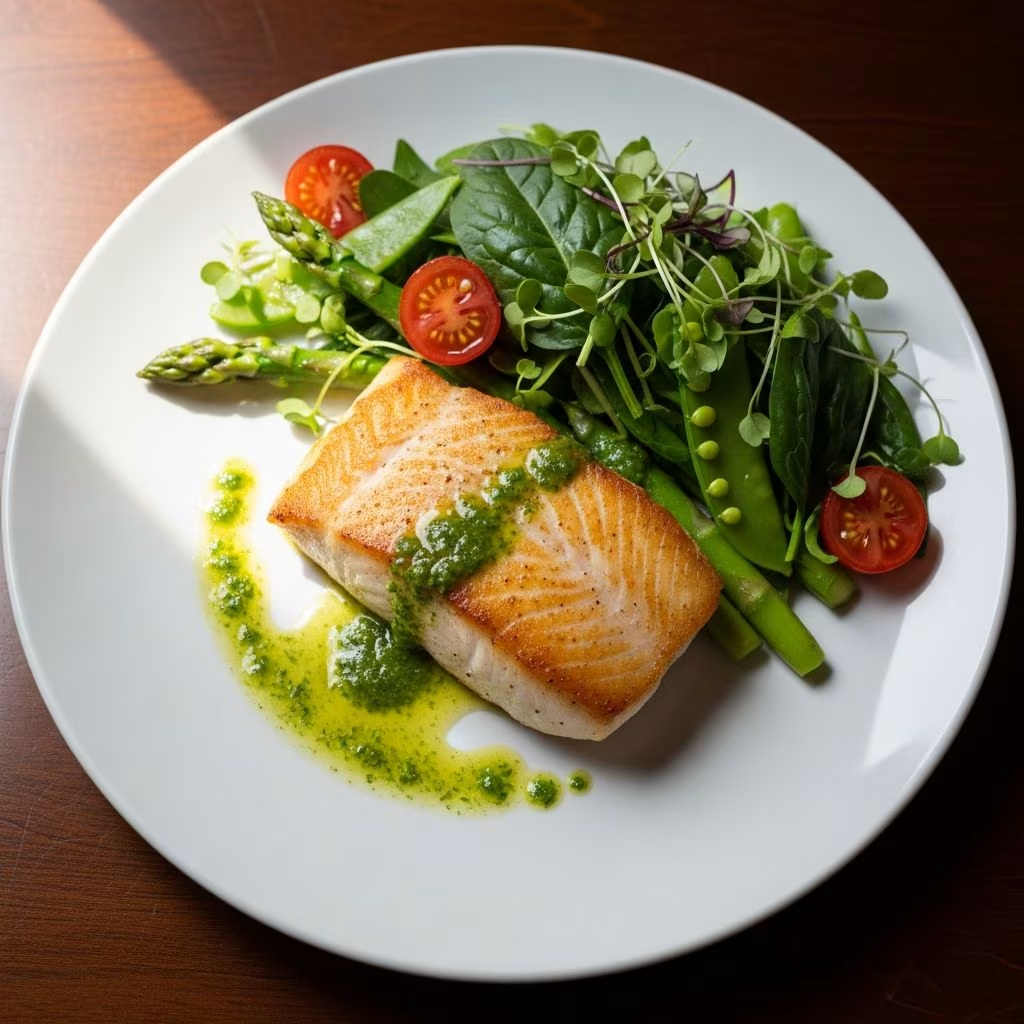
Visual presentation significantly impacts the dining experience and sets the tone for the meal. Arrange the salad greens on the plate first, creating a base that anchors the composition. Position the warm mahi-mahi fillet atop the greens, allowing its color and texture to serve as a focal point. Drizzle any remaining vinaigrette artfully around the plate, and scatter any garnishing elements such as toasted nuts or microgreens to complete the presentation. This thoughtful arrangement transforms a simple combination of ingredients into restaurant-quality plating that impresses both visually and culinarily.
Frequently Asked Questions
How can I prevent mahi-mahi from becoming dry during cooking?
Pat the fish dry before cooking to promote even heat transfer, avoid cooking at excessively high temperatures that shock the proteins, and remove the fish from heat just as it reaches the safe internal temperature of 145 degrees Fahrenheit. Residual heat will continue cooking the fish after removal, so slight undercooking is preferable to overcooking.
What oil works best for the vinaigrette?
Extra virgin olive oil provides a fruity, complex flavor that complements both the fish and vegetables beautifully. For those seeking a more neutral base, light avocado oil or grapeseed oil works equally well, allowing other flavor components to shine.
Can I prepare components in advance?
Vegetables may be washed and stored separately up to several days before assembly. Prepare the vinaigrette ahead of time, as the flavors meld and develop when allowed to sit. Cook the mahi-mahi just before serving to ensure optimal texture and temperature at the table.
What wine pairs well with this dish?
Light, crisp white wines such as Sauvignon Blanc or Pinot Grigio complement the delicate fish and fresh vegetables without overwhelming the palate. The acidity in these wines echoes the citrus elements in the vinaigrette, creating harmonious flavor alignment.
Serving Suggestions and Menu Integration
This refined preparation works equally well as a weeknight dinner solution or an impressive main course for entertaining guests. Pair with crusty bread for soaking up residual vinaigrette, or serve alongside roasted potatoes for a more substantial meal. The lightness of the dish makes it ideal for spring and early summer menus, bridging the gap between hearty winter fare and the ultra-light offerings of peak summer season.
Conclusion: Mastering Elegant Seafood Preparation
The combination of properly cooked mahi-mahi with vibrant spring greens and carefully balanced vinaigrette represents accessible sophistication that home cooks of varying skill levels can master. By understanding the unique characteristics of the fish, respecting the delicate nature of spring produce, and executing fundamental cooking techniques with precision, anyone can create restaurant-quality meals at home. This dish serves as a foundation for countless variations while remaining true to principles of balance, simplicity, and respect for quality ingredients that define memorable dining experiences.
References
- Seafood: A Collection of Recipes from the World’s Great Cuisines — United States Department of Commerce, National Oceanic and Atmospheric Administration (NOAA). 2024. https://www.fisheries.noaa.gov/insight/sustainable-seafood
- Dietary Guidelines for Americans 2020-2025 — U.S. Department of Agriculture and U.S. Department of Health and Human Services. 2020. https://www.dietaryguidelines.gov/
- Fish and Shellfish Nutritional Analysis — Food and Agriculture Organization of the United Nations (FAO). 2023. https://www.fao.org/nutrition/
- Safe Minimum Internal Temperature Chart — United States Department of Agriculture Food Safety and Inspection Service. 2024. https://www.fsis.usda.gov/food-safety/safe-food-handling-and-preparation/food-safety-basics/safe-minimum-internal-temperature-chart