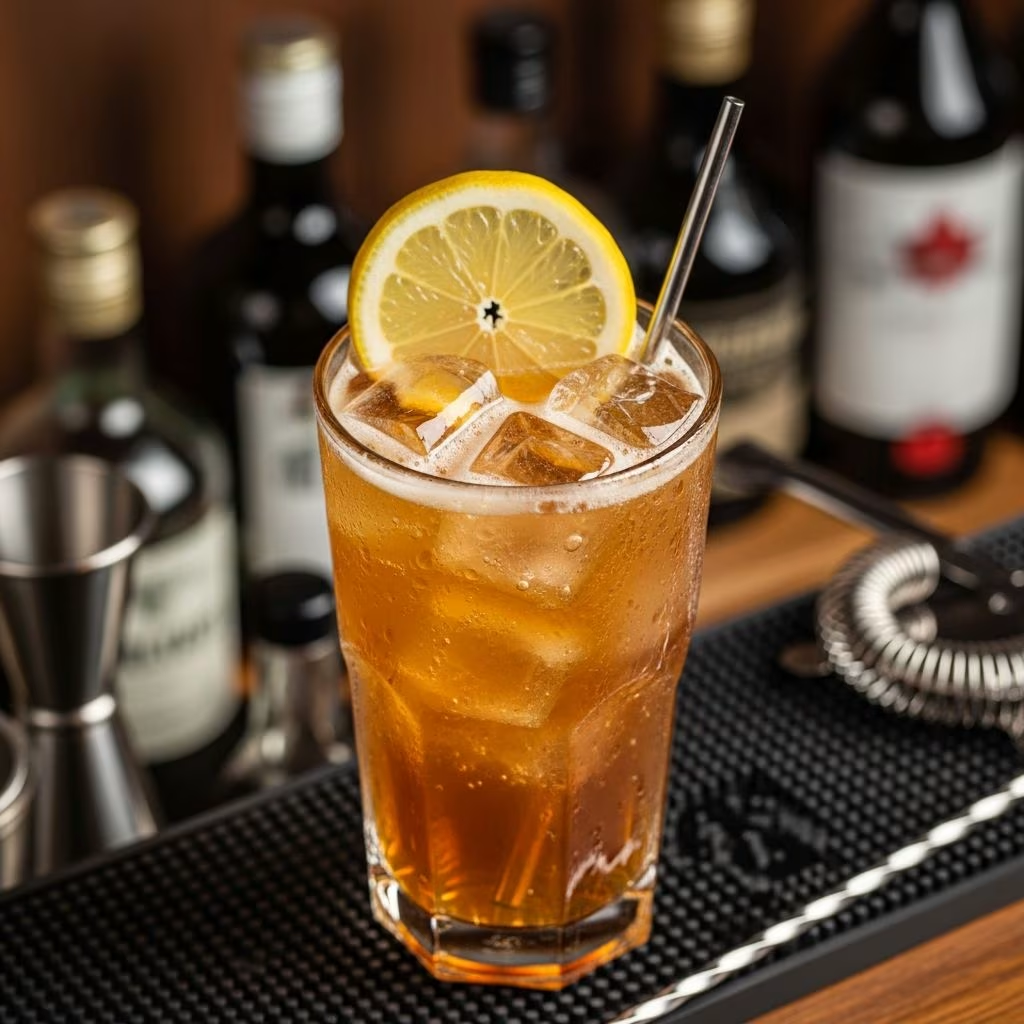
Few cocktails command as much respect and intrigue in the drinking world as the Long Island Iced Tea. This formidable libation has earned its reputation not through subtlety, but through its bold declaration of mixed-spirit bravado. Combining five distinct distilled spirits into a single glass, this drink represents both a technical challenge for bartenders and an unforgettable experience for those brave enough to order it. Understanding its construction, heritage, and endless variations transforms this powerful cocktail from a simple drink order into a gateway for exploring advanced mixology.
Understanding the Legendary Origins
The true birthplace of the Long Island Iced Tea remains a subject of spirited debate among cocktail historians and bartending enthusiasts. Several competing narratives claim credit for this iconic drink, each with its own supporting evidence and passionate advocates. The first substantial theory traces the drink’s ancestry to the Prohibition era, when a bourbon-centric creation known as the Old Man Bishop circulated among speakeasies. This precursor laid foundational principles that would eventually evolve into the modern interpretation we recognize today.
However, the most widely documented and accepted origin story credits Robert Butt, a New York bartender, with developing the contemporary version in 1972. According to this account, Butt created the cocktail while participating in a mixology competition at the Oak Beach Inn, where participants were required to incorporate triple sec as a mandatory ingredient. His innovative combination of five spirits quickly became the signature drink at his establishment and subsequently spread throughout Long Island’s bar scene during the mid-1970s. By the following decade, the cocktail had achieved global recognition, becoming synonymous with spirited celebration and adventurous drinking.
A third theory suggests Prohibition-era origins in a small Tennessee community, where an individual known as the Old Man Bishop supposedly combined whiskey, vodka, gin, tequila, and rum with maple syrup. This earlier iteration differs substantially from the modern formulation, highlighting how cocktails evolve over time through bartender innovation and regional preferences.
Deconstructing the Components
The Long Island Iced Tea defies conventional cocktail architecture through its sheer complexity. Rather than balancing a single spirit with supporting ingredients, this drink orchestrates a symphony of five distinct distilled beverages, each contributing unique flavor characteristics to the final composition.
The Five-Spirit Foundation
The essential base comprises equal parts of five spirits, typically measured at half-ounce increments, though variations exist across different establishments and bartender preferences:
- Vodka — Provides a neutral backbone that allows other flavors to emerge
- Gin — Contributes botanical complexity and subtle herbal notes
- White Rum — Delivers tropical sweetness and vanilla undertones
- Blanco Tequila — Adds peppery agave characteristics and mineral qualities
- Triple Sec — Introduces orange citrus flavor and additional sweetness
Acidic and Bitter Counterbalances
Despite containing 2.5 ounces of pure alcohol, the Long Island Iced Tea remains remarkably drinkable due to carefully calibrated acidic and bitter components. Fresh lemon juice provides essential brightness and cuts through the spirit intensity, while a splash of cola at the finish introduces caramel notes and carbonated lightness. Simple syrup acts as a sweetening agent that smooths harsh alcohol edges without overwhelming the palate.
Building Your First Perfect Serving
Proper technique distinguishes a professionally crafted Long Island Iced Tea from a carelessly mixed version. Following structured procedures ensures consistent flavor profiles and optimal spirit integration.
Essential Equipment and Preparation
Gather the following tools before beginning: a cocktail shaker with sufficient capacity for multiple spirits and ice, a jigger for precise measurement, a bar spoon for gentle stirring, and appropriate glassware such as a tall pint glass or highball vessel. Begin by cutting fresh lemon wedges for garnish, using fruit with thin, uniform peel thickness. Prepare your workspace with all ingredients within arm’s reach to maintain workflow efficiency.
Step-by-Step Mixing Procedure
The construction process follows this sequence for optimal results:
- Fill your cocktail shaker approximately halfway with ice cubes, preferably made from filtered water to minimize any chlorine or mineral aftertaste
- Measure and pour half-ounce portions of vodka, gin, white rum, blanco tequila, and triple sec directly into the shaker
- Add three-quarters ounce of freshly squeezed lemon juice, emphasizing juice extracted immediately before mixing rather than pre-squeezed varieties
- Include one-half ounce of quality simple syrup, as this ingredient significantly impacts final sweetness levels
- Cap the shaker securely and shake vigorously for approximately fifteen seconds, ensuring thorough chilling and complete spirit integration
- Prepare your serving glass by filling it generously with fresh ice cubes
- Strain the mixed spirits carefully into the prepared glass, capturing the chilled liquid while leaving ice behind in the shaker
- Top with one ounce of cola, pouring gently to preserve carbonation and create visual separation
- Position a lemon wedge on the glass rim as both garnish and aromatic element
Ingredient Selection and Quality Considerations
The Long Island Iced Tea’s complex nature magnifies the impact of individual ingredient quality. Each spirit contributes distinctly to the final profile, making thoughtful selection essential for superior results.
Selecting premium tequila made from pure agave rather than mixto varieties ensures smoother integration with other spirits. For rum, choosing white rum produced from pure sugar cane offers superior flavor compared to industrial alternatives. Gin selection should emphasize botanical balance, avoiding overly juniper-forward expressions that might dominate the delicate flavor equilibrium. Triple sec varieties range significantly in quality and orange intensity, with premium expressions providing superior citrus character. Vodka quality matters less since this neutral spirit primarily provides alcohol volume, though higher-grade options still contribute subtle refinement.
Fresh lemon juice represents a non-negotiable requirement; bottled juice cannot replicate the bright acidity and aromatic qualities of freshly squeezed fruit. For cola, major brands deliver consistent flavor profiles, though switching to ginger ale creates an entirely different sensory experience worth exploring.
Exploring Creative Variations and Modifications
Bartenders and home mixologists have developed numerous interpretations that maintain the Long Island Iced Tea’s essential character while introducing distinctive modifications. These variations demonstrate the drink’s inherent flexibility and capacity for creative reinvention.
Regional and Creative Interpretations
| Variation Name | Primary Modification | Key Ingredient Swap |
|---|---|---|
| Tokyo Tea | Asian-inspired citrus twist | Melon liqueur replaces triple sec; lime juice substitutes lemon; 7-Up tops instead of cola |
| Long Beach Iced Tea | Fruit-forward alternative | Cranberry juice replaces cola for deep red color and tart berry notes |
| Adios Motherfucker | Vibrant blue presentation | Blue Curacao substitutes triple sec; 7-Up or Sprite replaces cola |
| Long Island from Odessa | Liqueur-forward expression | Five different fruit liqueurs replace base spirits; fruit juices feature prominently |
Custom Modifications for Personal Preference
Home bartenders can tailor the Long Island Iced Tea to individual taste preferences through several adjustments. Reducing the alcohol intensity appeals to those intimidated by the drink’s potency; accomplish this by decreasing each spirit from half-ounce to quarter-ounce measurements while maintaining other ingredients unchanged. Increasing fresh lemon juice to one full ounce creates a more citrus-forward profile that appeals to sour-cocktail enthusiasts. Substituting ginger ale for cola produces a spicier, less sweet alternative suited to those preferring drier flavor expressions.
Common Preparation Mistakes and Solutions
Several pitfalls frequently undermine Long Island Iced Tea quality. Using pre-squeezed or bottled lemon juice produces flat, oxidized sourness lacking the brightness of fresh fruit. Neglecting adequate ice ensures insufficient chilling and dilution, resulting in a warm spirit-heavy drink. Shaking for insufficient time prevents proper spirit integration and flavor development. Selecting low-quality liquor, while economical, produces harsh, unbalanced results that intensify any morning-after effects. Using tap water ice introduces chlorine and mineral flavors that muddy the carefully balanced spirit profile.
Professional Bartending Insights
Expert bartenders employ specific techniques that distinguish professionally prepared Long Island Iced Teas from casual home versions. Chilling all ingredients before combining them extends the drink’s optimal serving temperature throughout consumption. Using a cocktail shaker with sufficient capacity prevents overflow and ensures thorough mixing without compromising technique. Measuring ingredients by weight rather than volume provides greater precision, particularly important when combining five distinct spirits. Straining through a julep strainer removes ice while capturing any lemon pulp or herb fragments that might compromise visual clarity.
Frequently Asked Questions
- Does the Long Island Iced Tea actually taste like iced tea?
- Despite its name, this cocktail contains no tea whatsoever. The name derives from its appearance and the drink’s refreshing, sweetened quality rather than any tea component.
- How strong is a Long Island Iced Tea?
- Containing 2.5 ounces of distilled spirits in a single serving, this cocktail ranks among the most potent mixed drinks. Consumption requires appropriate caution and responsible pacing.
- Can I prepare a Long Island Iced Tea in advance?
- These drinks should be mixed to order immediately before consumption. Advance preparation allows oxidation and flavor degradation, particularly in the fresh lemon juice component.
- What’s the best glassware for serving?
- Tall vessels such as highball glasses, pint glasses, or Tom Collins glasses work optimally, allowing adequate space for ice and providing comfortable hand hold without excessive heat transfer.
- Should I use top-shelf spirits?
- While premium spirits certainly improve the final product, mid-range options deliver satisfactory results. Vodka quality matters less than other spirits since it contributes primarily volume; prioritize quality for gin, rum, and tequila.
Serving Suggestions and Occasions
The Long Island Iced Tea suits warm weather gatherings, resort environments, and spirited celebrations where guests appreciate bold flavor profiles and potent libations. This cocktail works particularly well as part of tiki-themed events, tropical vacation settings, or lively social gatherings where adventurous drinkers congregate. Summer afternoons and evening beach events provide ideal contexts for enjoying this refreshing yet powerful drink.
However, responsible service practices demand that bartenders and hosts ensure adequate food availability, proper hydration, and safe transportation arrangements for guests consuming these powerful cocktails. The deceptive drinkability masks the significant alcohol content, making moderation essential.
Mastering Advanced Techniques
Experienced bartenders employ several advanced techniques that elevate Long Island Iced Tea preparation beyond basic execution. Dry-shaking certain ingredients before adding ice allows better spirit integration without excessive dilution. Flash-chilling glasses in the freezer moments before service extends optimal serving temperature. Expressing lemon peel oil directly over the drink’s surface by twisting the garnish creates aromatic complexity that enhances the drinking experience. Layering spirits with varying specific gravities produces visual separation that makes the drink particularly striking.
References
- Long Island Iced Tea Recipe — A Bar Above. Retrieved from https://abarabove.com/recipe/long-island-iced-tea-recipe/
- Long Island Iced Tea (4 variations) — Dr. Cork. Retrieved from https://www.dr-cork.com/cocktails/long-island-iced-tea-4/
- Long Island Iced Tea — Preppy Kitchen. Retrieved from https://preppykitchen.com/long-island-iced-tea/
- Long Island Iced Tea Cocktail — Dishes Delish. Retrieved from https://dishesdelish.com/long-island-iced-tea-cocktail/
- 9 Long Island Iced Teas You Should Know How to Make — The Real Barman. Retrieved from https://therealbarman.com/9-long-island-iced-teas-you-should-know-how-to-make/