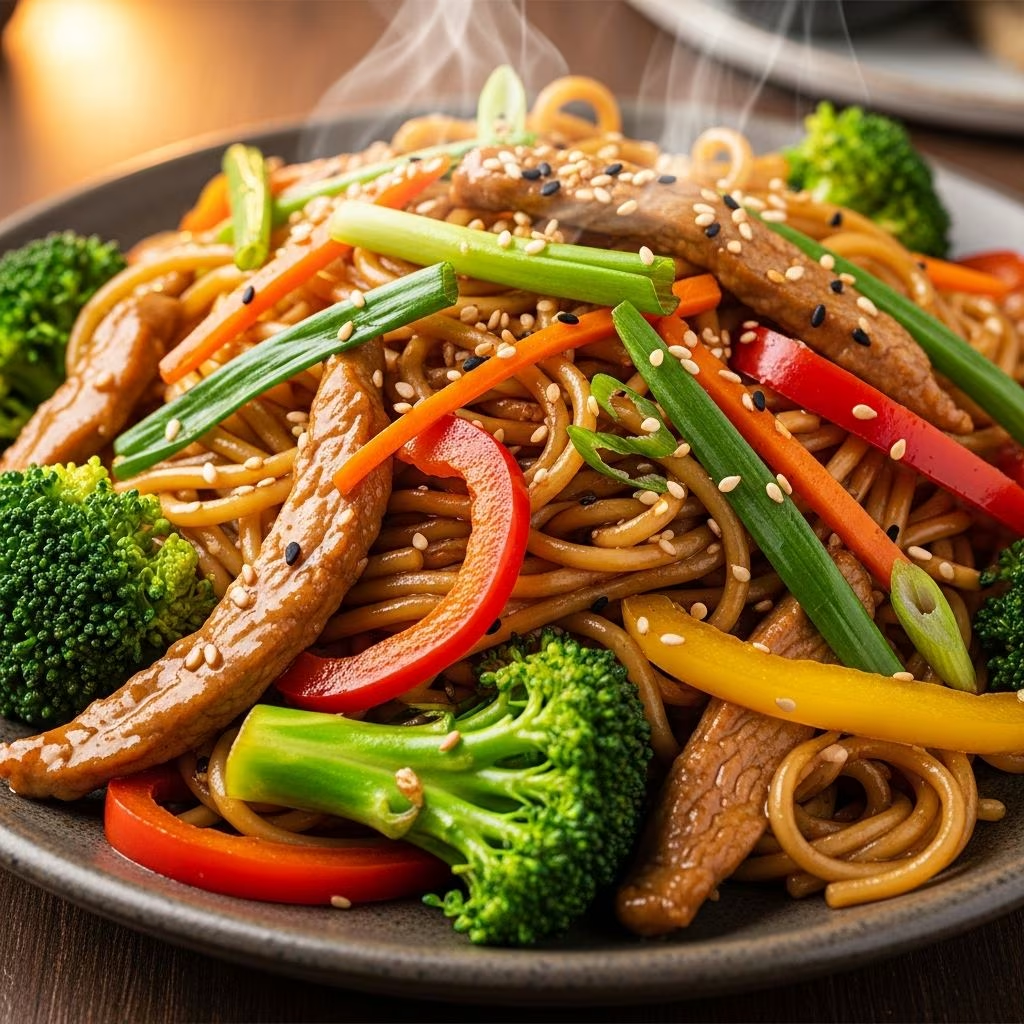
Lo mein noodles represent a cornerstone of Chinese-American cuisine, offering a versatile canvas for bold flavors and fresh ingredients. These stir-fried noodles combine chewy pasta with savory sauces, crisp vegetables, and optional proteins, creating dishes that are both comforting and exciting. Whether you’re craving a quick weeknight meal or aiming to impress guests, mastering lo mein opens up endless culinary possibilities.
Understanding Lo Mein: Noodles and Essentials
At its core, lo mein features wheat-based egg noodles that provide the ideal texture—soft yet resilient after a quick blanch. Fresh lo mein noodles, often found in the refrigerated section of Asian markets, cook in under a minute, preserving their springy bite. Dry spaghetti or linguine can substitute in a pinch, but they lack the same chewiness.
Key to success is the sauce: a balance of soy sauce for umami, oyster sauce for depth, and sesame oil for aroma. Neutral oils like vegetable or peanut withstand high wok heat without burning, while aromatics such as garlic, ginger, and scallions form the flavor base.
Selecting and Preparing Your Noodles
Choose fresh lo mein noodles for authenticity; they typically weigh 8-16 ounces per package, serving 4-6 people. Loosen clumped strands before cooking to ensure even exposure to boiling water.
- Bring a pot of water to a rolling boil—medium-sized works since cook time is brief.
- Submerge noodles and stir immediately to prevent sticking; blanch 45-60 seconds for fresh types or per package for dried.
- Drain promptly and rinse under cold water to halt cooking and remove excess starch, which can make noodles gummy.
- Toss with a touch of oil if not using right away, though immediate stir-frying is best.
This quick prep keeps noodles al dente, ready to absorb sauce without over-softening.
Classic 5-Ingredient Lo Mein Recipe
For beginners, a minimalist approach yields restaurant-worthy results using pantry staples. This version highlights the noodles’ natural flavor enhanced by caramelized sauces.
Ingredients (Serves 6)
- 1 pound fresh lo mein noodles
- 3 scallions, cut into 2-inch lengths
- 3 tablespoons neutral oil
- 2 tablespoons light soy sauce
- 3 tablespoons oyster sauce
Step-by-Step Directions
- Boil water while prepping scallions and measuring sauces.
- Loosen noodles, blanch 45-60 seconds, drain, and set aside.
- Heat wok over medium-high until smoking; add oil and scallions, tossing briefly.
- Push scallions aside, add soy sauce to sizzle and caramelize, then oyster sauce; fry 20 seconds.
- Add noodles, toss to coat evenly, and serve hot.
Total time: 10 minutes. The sauce’s quick fry intensifies flavors, clinging perfectly to each strand.
Vegetarian Lo Mein: Veggie Powerhouse
Elevate the basic recipe with colorful vegetables for nutrition and crunch. Mushrooms, bell peppers, and leafy greens add earthiness and vibrancy.
Ingredients (Serves 4)
- 8 ounces lo mein noodles
- 1 tablespoon olive oil
- 2 garlic cloves, minced
- 2 cups sliced cremini mushrooms
- 1 red bell pepper, julienned
- 1 carrot, julienned
- ½ cup snow peas
- 3 cups baby spinach
- Sauce: ¼ cup soy sauce, 2 tablespoons sugar, 1 teaspoon sesame oil, 1 teaspoon ginger, 1 teaspoon Sriracha
Instructions
Whisk sauce ingredients. Cook noodles, drain. Sauté garlic, mushrooms, pepper, and carrot 3-4 minutes. Add snow peas and spinach until wilted. Toss in noodles and sauce; heat through.
This dish balances tender veggies with slick noodles, offering a light yet satisfying meal.
Protein-Packed Chicken Lo Mein
Incorporate thinly sliced chicken for heartiness. Marinate briefly to tenderize and infuse flavor.
Ingredients (Serves 4)
- 1 pound chicken breast or thigh, sliced thin
- 10 ounces lo mein noodles
- 1 carrot, julienned
- 1 bell pepper, sliced
- 2 tablespoons minced garlic
- 4 scallions, chopped
- Marinade: 1 tablespoon light soy, ½ tablespoon cornstarch, 1 tablespoon oil
- Sauce: 2 tablespoons oyster, 1 tablespoon light soy, 1.5 tablespoons dark soy, ½ teaspoon sugar, ½ teaspoon pepper, 2 teaspoons cornstarch, ¼ cup broth
Steps
- Marinate chicken 15 minutes.
- Cook and rinse noodles; oil lightly.
- Stir-fry chicken until cooked; remove.
- Sauté veggies and garlic; return chicken.
- Add sauce to thicken, then noodles; toss with sesame oil finish.
Ready in 20-25 minutes, this version mimics takeout classics.
Sauce Mastery: Building Flavor Layers
The sauce defines lo mein. Start with umami bases like oyster and soy, then layer sweetness from sugar, heat from Sriracha or ginger, and gloss from cornstarch slurry.
| Sauce Component | Purpose | Typical Amount (4 servings) |
|---|---|---|
| Oyster Sauce | Rich umami | 2-3 tbsp |
| Soy Sauce (light/dark mix) | Saltiness, color | 1-3 tbsp |
| Sesame Oil | Aroma | ½-1 tsp |
| Cornstarch + Water | Thickening | 1-2 tsp slurry |
| Sugar/Ginger/Sriracha | Balance | To taste |
Whisk ahead and adjust for preference—darker soy adds visual appeal.
Pro Techniques for Wok Perfection
High heat is crucial: a smoking wok sears ingredients quickly, creating wok hei—that elusive smoky essence. Use carbon steel or cast iron for best results.
- Prep mise en place: chop everything beforehand.
- Stir-fry in stages: proteins first, then veggies by cook time (hard like carrots before soft spinach).
- Toss noodles last to avoid mushiness.
- Finish with scallions or sesame oil for freshness.
Customizations and Variations
Adapt lo mein endlessly:
- Seafood: Shrimp or scallops cook in 2 minutes; pair with bok choy.
- Beef: Flank steak slices; marinate with baking soda for tenderness.
- Vegan: Skip oyster sauce for mushroom-based alternative; add tofu.
- Spicy: Chili oil or fresh chilies.
- Gluten-Free: Rice noodles and tamari.
Experiment with seasonal produce for variety.
Common Mistakes and Fixes
Avoid sogginess by not overcooking noodles or crowding the wok. If sauce separates, ensure cornstarch is fully dissolved. Rinse noodles post-cook to remove starch.
Storage and Reheating Tips
Leftovers keep 2-3 days in the fridge. Reheat in a hot skillet with a splash of water to loosen; microwave works but softens texture. Freeze up to a month; thaw before reheating.
Nutritional Snapshot
A basic serving (without protein) offers ~400 calories, high carbs for energy, and veggies boost fiber/vitamins. Chicken adds lean protein.
Frequently Asked Questions
What noodles are best for lo mein?
Fresh egg lo mein noodles; spaghetti as substitute.
Can I make lo mein noodles from scratch?
Yes, mix flour, eggs, salt; knead, rest, roll, and cut.
How do I prevent sticky noodles?
Rinse after cooking and toss with oil.
Is lo mein vegan-friendly?
Easily—use vegan oyster sauce and no egg noodles.
What’s the difference between lo mein and chow mein?
Lo mein is soft stir-fried; chow mein is crisp-fried.
Pairing Suggestions
Serve with egg rolls, fried rice, or hot and sour soup. Beverages: iced green tea or light beer.
References
- 5-Ingredient Lo Mein (Easy Side Dish) — The Woks of Life. 2023-05-15. https://thewoksoflife.com/5-ingredient-lo-mein-recipe/
- Easy Lo Mein — Damn Delicious. 2014-10-03. https://damndelicious.net/2014/10/03/easy-lo-mein/
- Easy Vegetable Lo Mein — The Comfort of Cooking. 2022-08-10. https://www.thecomfortofcooking.com/easy-vegetable-lo-mein/
- Lo Mein Noodles — RecipeTin Eats. 2020-11-20. https://www.recipetineats.com/lo-mein-noodles/
- Best Chicken Lo Mein Recipe Ever! — YouTube (Break the Spice). 2023-02-14. https://www.youtube.com/watch?v=jnJ2N32MW50
- Lo Mein Noodles — Chew Out Loud. 2019-07-25. https://www.chewoutloud.com/lo-mein-noodles/
- How to Make Lo Mein with Jet Tila — YouTube (Food Network). 2021-06-12. https://www.youtube.com/watch?v=SFeChtLaHy4