A truly exceptional peppercorn sauce represents one of the most elegant and versatile additions to any home chef’s repertoire. This sophisticated condiment transcends simple accompaniment status, transforming ordinary proteins into memorable dining experiences. Whether you’re preparing a special occasion dinner or simply elevating weeknight meals, understanding the fundamentals of sauce construction empowers you to create consistently excellent results. This comprehensive guide explores every aspect of crafting the perfect peppercorn sauce, from foundational ingredients through advanced technique refinement.
Understanding the Foundation: Essential Ingredients Explained
The beauty of peppercorn sauce lies in its elegant simplicity combined with complex flavor development. Each ingredient serves a specific purpose in achieving the final product’s distinctive character and texture.
The Role of Peppercorns
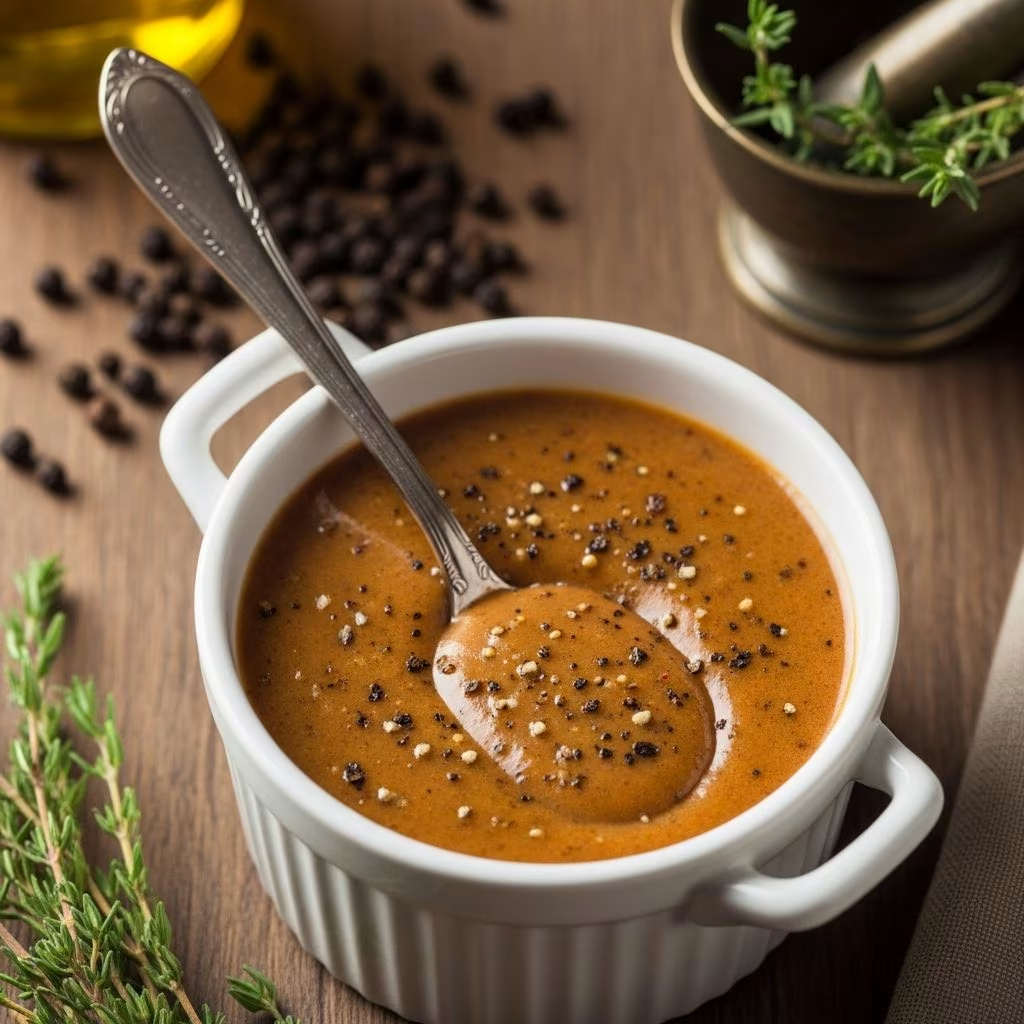
Black peppercorns form the aromatic cornerstone of this sauce, providing both heat and profound depth. Rather than using pre-ground pepper, whole peppercorns deliver superior flavor intensity and allow you to control the coarseness level. The crushing process matters significantly—aim for a texture between coarsely cracked and finely ground, as whole peppercorns won’t dissolve effectively while powder risks overshadowing other components. The crushing action releases essential oils and volatiles, creating the fresh, vibrant pepper character that distinguishes homemade versions from bottled alternatives. Some preparations incorporate green peppercorns as a milder alternative, offering fruity and slightly floral notes rather than sharp heat.
Selecting Premium Cream
Heavy whipping cream with 36% milk fat content remains non-negotiable for achieving proper sauce consistency and richness. Lower-fat dairy products fail to thicken adequately during cooking, resulting in thin, watery sauces that lack the luxurious mouthfeel essential to the preparation. The fat content provides both textural foundation and acts as a carrier for fat-soluble flavor compounds, ensuring maximum taste development. When shopping, check labels carefully to confirm adequate fat percentage, as some products labeled “heavy cream” contain additives that interfere with thickening properties.
Alcohol Selection and Function
The traditional spirit choice—cognac or premium brandy—serves purposes beyond mere flavor contribution. These aged spirits bring caramel notes, vanilla undertones, and subtle complexity that raw alcohol cannot provide. The rapid reduction process (evaporating 50-75% of the liquid) concentrates flavors while allowing alcohol volatiles to dissipate, leaving behind sophisticated depth. However, quality bourbon, rye, or marsala offer equally valid alternatives that create distinctive variations while maintaining sauce integrity. The alcohol’s function involves far more than seasoning; it acts as a solvent for extracting and concentrating flavor compounds from peppercorns and other ingredients.
Stock Considerations
Beef broth or stock provides savory foundation and body to the sauce composition. Homemade stock consistently outperforms commercial alternatives, delivering more nuanced flavors and superior mouthfeel due to higher gelatin content. If purchasing prepared stock, select low-sodium varieties, as reduction concentrates salt content and risks overseasoning. Frozen bone broth offers excellent quality and convenience for those unable to prepare stock from scratch. The choice between stock types affects final flavor profile—beef concentrates on savory umami characteristics while chicken stock creates lighter, more delicate preparations.
Supporting Ingredients
Unsalted butter provides richness and serves as a cooking medium for aromatics, while shallots or garlic contribute subtle depth and complexity. Dijon mustard, when included, adds subtle sharpness and emulsifying properties that enhance sauce stability. Worcestershire sauce brings umami intensification and subtle tanginess that rounds out flavors. These supporting players work together harmoniously, each element supporting rather than dominating the peppercorn’s starring role.
Technique Mastery: Constructing Sauce Excellence
Initial Aromatic Development
Begin by melting butter in your skillet over medium heat, then add minced garlic or shallots, stirring constantly until fragrant but intentionally avoiding browning. This brief cooking phase develops subtle sweetness and mellows harsh raw vegetable flavors. The timing here proves critical—overcooked aromatics turn bitter and unpleasant, fundamentally compromising the final product.
Peppercorn Activation
Once aromatics reach optimal fragrance, introduce your crushed peppercorns, stirring gently for approximately one minute until the kitchen fills with peppery aroma. This dry-toasting effect releases essential oils and develops flavor intensity that raw peppercorns cannot achieve. The visual signal indicating completion involves watching the spice darken slightly while maintaining vibrant color—burnt peppercorns produce acrid, unpleasant notes that ruin sauce character.
Spirit Reduction Process
Add your selected spirit (approximately 1/2 cup for standard sauce portions) and bring the mixture to an active simmer. Allow the liquid to reduce by half to three-quarters over two to three minutes, depending on your heat level and pan width. The reduction process concentrates flavors dramatically while evaporating harsh alcohol volatiles. The sauce should no longer smell primarily of raw spirits; instead, you’ll detect caramel and subtle oak undertones characteristic of properly reduced alcohol.
Stock Integration
Pour in your prepared stock (typically 1/2 to 1 cup) and return the mixture to an active boil. Maintain this boil for approximately five minutes, allowing the liquid to reduce by nearly half again. This reduction intensifies savory components and allows flavors to marry and develop complexity. The sauce should darken noticeably as water evaporates and flavor compounds concentrate.
Cream Incorporation
Reduce heat to low before adding cream, stirring gently and continuously to ensure smooth incorporation. Adding cream to excessively high heat risks curdling; maintaining a gentle simmer prevents textural problems while allowing the cream to warm through and thicken. The mixture should transform from dark and thin to light and luxuriously thick over the next minute or two, as the cream fat coats the liquid and creates the characteristic silky texture.
Finishing and Seasoning
Taste the finished sauce and adjust seasoning as needed, adding salt, fresh cracked pepper, or additional mustard according to preference. The sauce should taste bold and peppery without any individual ingredient dominating—it represents a balanced composition where each element contributes to the whole.
Strategic Variations for Diverse Applications
Green Peppercorn Adaptation
Substituting canned green peppercorns creates a noticeably milder sauce with fruity and herbal undertones. This variation suits those preferring subtler heat or pairs beautifully with fish and lighter proteins where black peppercorn intensity might overwhelm. The softer texture of canned peppercorns means they’ll partially disintegrate during cooking, creating a slightly different mouthfeel than black peppercorn versions.
Mushroom Integration
Incorporating sautéed mushrooms—particularly cremini or portobello varieties—adds earthy depth and textural interest. Sauté mushrooms separately until they release their moisture, then add them to the finishing sauce. The umami compounds in mushrooms complement peppercorn heat beautifully, creating complex flavor layering.
Herb Enhancement
Fresh thyme and rosemary contribute aromatic sophistication when added during the stock reduction phase. Use minimal quantities (approximately 1 teaspoon thyme and 1/2 teaspoon rosemary) to avoid overwhelming the peppercorn profile. These herbs release their essential oils during heating, infusing the sauce with subtle herbal complexity.
Alcohol Alternatives
Beyond traditional cognac and brandy, marsala wine creates a sweeter, slightly different flavor profile while maintaining sophistication. Sherry brings dry, nutty characteristics that develop differently than grape-based spirits. Experimenting with these alternatives allows personalization while maintaining core sauce structure and technique.
Alcohol-Free Versions
For those preferring or requiring non-alcoholic preparations, eliminate the spirit entirely and extend stock reduction time to concentrate flavors adequately. Adding mustard and Worcestershire sauce becomes increasingly important in alcohol-free versions, as these ingredients provide depth traditionally contributed by aged spirits.
Professional Presentation Guidelines
| Protein Type | Recommended Application | Serving Quantity | Temperature Consideration |
|---|---|---|---|
| Beef Steak | Drizzle over top or serve alongside | 2-3 tablespoons per portion | Serve piping hot immediately |
| Chicken Breast | Pool sauce on plate base beneath protein | 1/4 to 1/3 cup per portion | Warm but not extremely hot |
| Pork Chops | Spoon sauce over top or alongside | 2-4 tablespoons per portion | Serve hot for maximum flavor |
| Vegetables | Drizzle lightly or serve for dipping | 1-2 tablespoons per portion | Room temperature acceptable |
Temperature management proves crucial for sauce presentation. Peppercorn sauce reaches peak flavor intensity when served hot, as warmth activates volatile aromatic compounds and prevents cream from solidifying. When plating, consider timing—prepare sauce just before serving to maximize temperature and prevent skin formation on the surface.
Troubleshooting Common Challenges
Excessively Thin Consistency
If your finished sauce remains too runny, return it to medium heat and simmer gently without cream for an additional two to three minutes, allowing more water to evaporate. Alternatively, whisk in a small quantity of cornstarch slurry (cornstarch mixed with cold water) to thicken immediately, though this approach slightly dulls pepper flavors compared to reduction.
Separated or Curdled Cream
Separation occurs when cream is added to excessively high temperatures. Prevent this by reducing heat to low before cream incorporation and maintaining gentle movement throughout. If separation does occur, remove the pan from heat and whisk vigorously; adding a tablespoon of cold cream or stock often helps re-emulsify the mixture.
Overpowering Peppery Flavor
Should pepper intensity become unpleasant, dilute by adding additional stock or cream gradually while tasting. The ratio of peppercorns to liquid can be adjusted in subsequent preparations; start with slightly smaller quantities than recipes suggest if you prefer milder results.
Insufficient Flavor Development
Bland sauce typically results from insufficient reduction or inadequate seasoning. Extend reduction time during both alcohol and stock phases; extended heating concentrates flavors dramatically. Additionally, confirm you’re using freshly crushed peppercorns rather than pre-ground pepper, as the latter loses volatile compounds during storage.
Storage and Make-Ahead Strategies
Peppercorn sauce stores effectively in the refrigerator for three to four days in airtight containers. Reheat gently over low heat, adding small quantities of cream or stock as needed to restore desired consistency, since cooling causes fat solidification. The sauce also freezes successfully for up to three months, though cream-based preparations sometimes separate slightly upon thawing—gentle reheating and vigorous whisking typically restore texture completely.
Frequently Asked Questions
Can I make peppercorn sauce without cream?
Yes, though the result differs significantly in character. Butter-based preparations create lighter sauces with different mouthfeel but sacrifice the luxurious richness cream provides. Stock reduction alone creates flavorful but thin sauce; thickening agents like cornstarch or egg yolk offer alternatives.
How far in advance can sauce be prepared?
Prepare sauce up to four hours ahead, storing in the refrigerator. Reheat gently before serving, adjusting consistency with additional liquid as needed. Preparing more than several hours ahead risks flavor degradation and separation.
What serves as an adequate substitute for cognac?
Quality brandy, bourbon, rye whiskey, marsala, or even dry sherry work effectively. Each creates slightly different flavor profiles while maintaining sauce integrity. The key involves using spirits of reasonable quality; bargain-bin options produce harsh, unpleasant results.
Should peppercorns be filtered from finished sauce?
Traditionally, peppercorn sauce contains visible crushed peppercorns throughout, providing texture and visual interest. However, personal preference determines this choice—straining through fine mesh creates smoother sauce for those preferring less textural variation.
Does sauce work with fish or seafood?
Absolutely, particularly when prepared with chicken stock and green peppercorns for milder intensity. The sauce pairs beautifully with mild white fish, salmon, and shellfish when adjusted for delicate protein requirements.
Elevating Your Culinary Confidence
Mastering peppercorn sauce construction provides foundation for countless other cream-based preparations. Understanding how individual ingredients function, how technique affects outcome, and how to troubleshoot problems transforms this single recipe into a launching point for culinary creativity. Begin with classic proportions and traditional preparation methods, then experiment gradually with variations as confidence develops. Each successful batch builds intuitive understanding of how heat, timing, and ingredient quality interact to produce exceptional results. With practice, preparing restaurant-quality peppercorn sauce becomes automatic, elevating every meal it accompanies.
References
- Creamy Peppercorn Sauce — Get Inspired Everyday. Accessed April 2026. https://getinspiredeveryday.com/food/peppercorn-sauce/
- Easy Creamy Peppercorn Mushroom Sauce Recipe — An Edible Mosaic. Accessed April 2026. https://www.anediblemosaic.com/easy-creamy-peppercorn-mushroom-sauce-recipe/
- Peppercorn Sauce — Nicky’s Kitchen Sanctuary. Accessed April 2026. https://www.kitchensanctuary.com/peppercorn-sauce/
- Peppercorn Sauce Recipe — Add a Pinch. Accessed April 2026. https://addapinch.com/peppercorn-sauce-recipe/
- Steak with Creamy Peppercorn Sauce — RecipeTin Eats. Accessed April 2026. https://www.recipetineats.com/peppercorn-sauce/
- Creamy Peppercorn Sauce Recipe for Steak — Sunkissed Kitchen. Accessed April 2026. https://sunkissedkitchen.com/creamy-black-peppercorn-sauce-recipe/
- Creamy Peppercorn Sauce without Brandy — Don’t Go Bacon My Heart. Accessed April 2026. https://www.dontgobaconmyheart.co.uk/creamy-peppercorn-sauce/
- Perfect Steak with Peppercorn Sauce Recipe — Simple Home Edit. Accessed April 2026. https://simplehomeedit.com/recipe/perfect-steak-with-peppercorn-sauce/