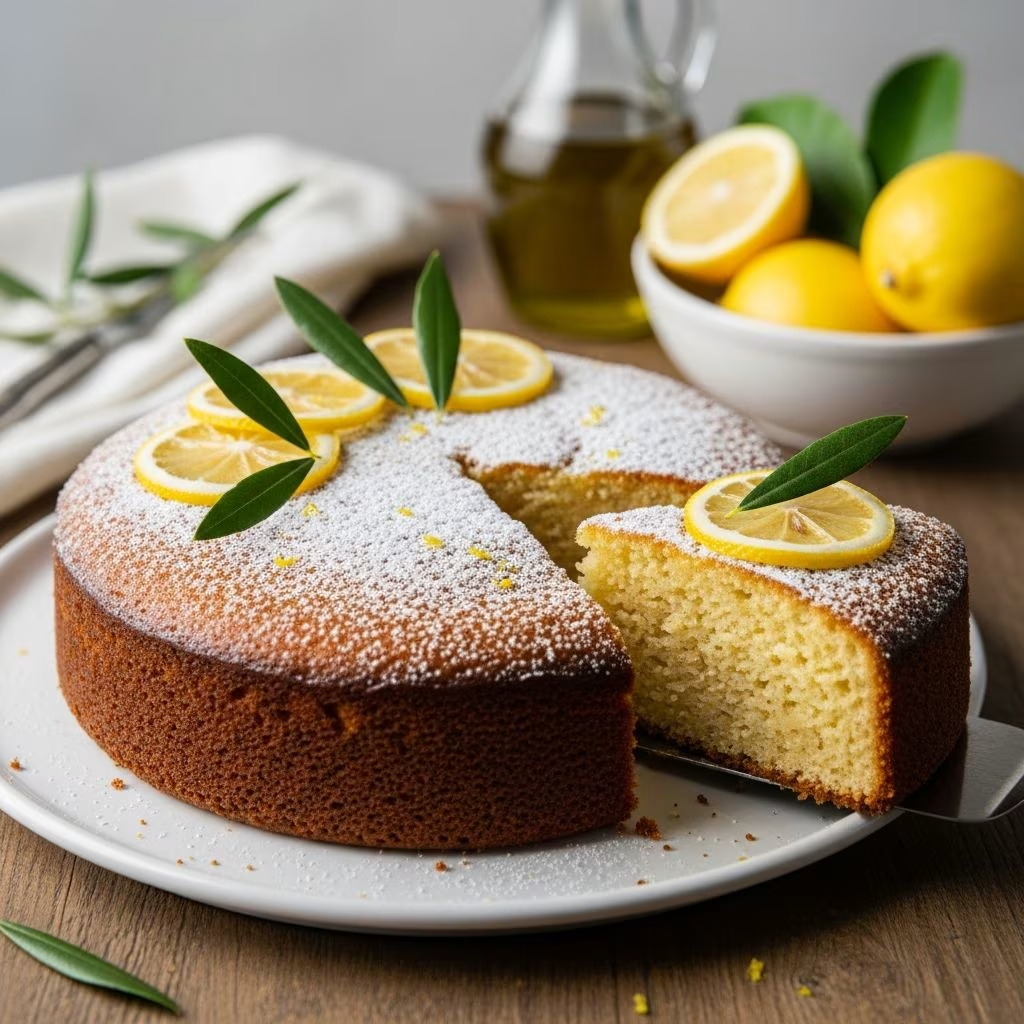
Experience the delightful harmony of tangy lemon and rich olive oil in this standout dessert. This cake offers a tender crumb that stays fresh for days, making it a versatile choice for gatherings or everyday indulgence. Unlike traditional butter-based cakes, this version relies on high-quality olive oil for moisture and subtle fruity undertones, paired with fresh lemon for a refreshing twist.
Why Choose Olive Oil Over Butter?
Olive oil imparts a unique silkiness to baked goods, keeping them hydrated without the need for refrigeration. Its healthy monounsaturated fats contribute to a lighter feel compared to butter, which can make cakes denser. Research from the University of Massachusetts highlights olive oil’s stability in baking, preventing the gumminess sometimes associated with oil-based recipes. For best results, select extra-virgin olive oil with mild fruitiness to complement the lemon without overpowering it.
Essential Ingredients for Success
Gathering the right components ensures your cake achieves optimal flavor and texture. Focus on fresh, high-quality items to maximize taste.
- Flour: All-purpose flour provides structure; spoon and level to avoid density.
- Leavening agents: Baking powder and soda create lift, reacting with acidic lemon juice.
- Lemons: Zest from 2-3 lemons releases essential oils; fresh juice adds brightness.
- Olive oil: 3/4 cup extra-virgin for moisture and flavor.
- Sugar: Granulated cane sugar balances acidity.
- Eggs: 2-3 large eggs bind and aerate.
- Milk or alternative: Adds tenderness; whole milk works best.
- Vanilla or almond extract: A touch enhances aroma.
These elements combine to yield a batter that’s pourable yet stable, baking into a golden loaf or round.
Step-by-Step Baking Guide
Preparation is straightforward, often in one bowl for minimal cleanup. Preheat your oven to 350°F (175°C) to ensure even rising.
- Prepare the pan: Grease an 8- or 9-inch round or loaf pan. Line with parchment for easy release.
- Infuse sugar with zest: Rub lemon zest into sugar using fingertips. This technique extracts oils, intensifying citrus notes throughout the cake.
- Mix wet ingredients: Whisk in olive oil, eggs, lemon juice, milk, and extract until smooth and emulsified.
- Combine dry ingredients: Sift flour, baking powder, soda, and salt over the wet mixture. Fold gently to prevent toughness.
- Bake: Pour batter into pan. Bake 35-50 minutes, depending on pan size, until a toothpick tests clean and edges pull from sides.
- Cool: Rest in pan 10 minutes, then transfer to rack. Dust with powdered sugar once fully cooled.
Baking times vary: 8-inch rounds take about 45 minutes, while 9-inch may need 30-35. Rotate midway for uniformity.
Mastering Texture and Flavor
Achieving the signature moist crumb involves balance. Overmixing develops gluten, leading to chewiness—fold just until flour disappears. The emulsion of oil and eggs creates stability, while leaveners provide lift. For extra fluffiness, some methods separate eggs, whipping whites to soft peaks before folding in, as noted in advanced recipes.
Flavor peaks when using ripe, juicy lemons. Varieties like Meyer offer milder sweetness. Olive oil choice matters: buttery types from Italy pair well with citrus.
Customization Ideas
Adapt this base for variety while preserving essence.
| Variation | Additions/Substitutions | Bake Time Adjustment |
|---|---|---|
| Berry Swirl | Fold in 1 cup blueberries or raspberries | +5 minutes |
| Herbal Twist | 1 tsp rosemary or thyme with zest | No change |
| Gluten-Free | 1:1 GF flour blend | Check at 30 min |
| Layered | Divide into 2×8-inch pans | 25-30 min per layer |
| Chocolate Chip | 3/4 cup dark chips | +3-5 min |
Toppings like lemon glaze (juice + powdered sugar) or cream cheese frosting amplify appeal.
Storage and Make-Ahead Tips
This cake’s oil base ensures longevity. Wrap tightly and store at room temperature up to 4 days or refrigerate 1 week. Freeze slices up to 3 months; thaw overnight. For events, bake 1-2 days ahead—flavors meld beautifully.
Pairing Suggestions
Serve with espresso or herbal tea to cut richness. For dessert, pair with vanilla gelato or Greek yogurt. At brunches, slice alongside fresh fruit salad.
Common Troubleshooting
- Sunken center: Oven too hot or underbaked; test doneness accurately.
- Dry texture: Overbaked or low-quality oil; measure precisely.
- Bitter taste: Excess zest pith; use microplane on outer peel only.
- Sticky top: High humidity; tent foil if browning too fast.
Nutritional Insights
Per slice (1/12th): ~300 calories, emphasizing heart-healthy fats from olive oil. The USDA notes olive oil’s antioxidants support baking health claims, though moderation applies to sugar content.
FAQ
Can I use regular vegetable oil?
No, it lacks olive oil’s flavor and moisture benefits. Stick to extra-virgin for authenticity.
Is this dairy-free?
Yes, substitute plant-based milk for fully vegan (use egg replacer).
How do I know when it’s done?
Toothpick clean, edges retracted, light bounce when pressed.
Best pan type?
Light metal conducts heat evenly; dark absorbs more, reducing time by 5 min.
Can I double the recipe?
Yes, for sheet cake; adjust bake to 25-30 min in 9×13 pan.
Historical Roots of Citrus Cakes
Lemon olive oil cakes trace to Mediterranean traditions, where olive oil and citrus were staples. Italian torta all’olio evolved similarly, prized for simplicity and longevity. Modern adaptations emphasize one-bowl ease for home bakers.
This recipe’s appeal lies in its foolproof nature and crowd-pleasing taste. Whether for a sunny picnic or cozy evening, it delivers joy in every bite. Experiment confidently—these tips ensure bakery-quality results at home.
References
- Olive Oil in Baking Applications — University of Massachusetts Amherst. 2023-05-15. https://www.umass.edu/agriculture-food-environment/olive-oil-baking
- Monounsaturated Fats and Health — USDA Agricultural Research Service. 2024-02-10. https://www.ars.usda.gov/nutrient-data/
- Mediterranean Diet Baking Traditions — Harvard T.H. Chan School of Public Health. 2022-11-01. https://www.hsph.harvard.edu/nutritionsource/healthy-fats/
- Baking Science: Leavening Agents — Institute of Food Technologists. 2023-08-20. https://www.ift.org/news-and-publications