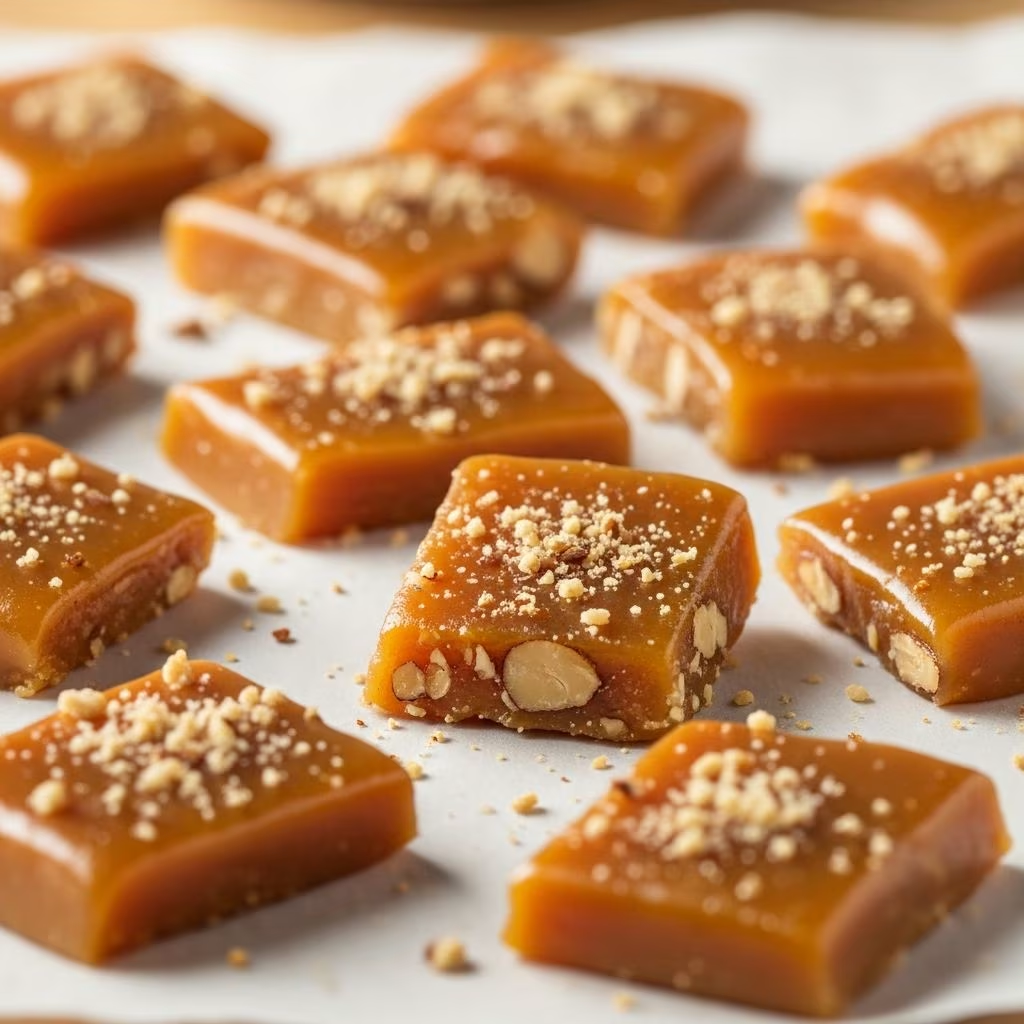
Creating confections at home might seem intimidating, but toffee stands as one of the most forgiving candies to make. With just a handful of ingredients and a basic understanding of temperature control, anyone can produce professional-quality toffee that rivals commercial varieties. This guide walks you through everything needed to transform simple pantry staples into an elegant, crunchy treat that impresses friends and family alike.
Why Toffee Deserves a Place in Your Kitchen
Toffee occupies a special position in the candy world. Unlike some confections that require specialized equipment or extensive experience, toffee rewards patience and attention with consistently delicious results. The magic lies in the interplay of three elements: rich butter, caramelized sugar, and precise heat management. When these components come together correctly, the result is a candy with an irresistible texture—crispy yet slightly yielding, with deep caramel undertones that taste far more complex than the ingredient list suggests.
Beyond its taste, homemade toffee offers practical advantages. It stores well in airtight containers, making it an ideal gift option for holidays or special occasions. A small batch requires minimal kitchen space and dishes. Perhaps most importantly, homemade toffee costs a fraction of what you’d pay for artisanal varieties, while tasting demonstrably better due to superior ingredient quality and freshness.
Essential Ingredients: Building Your Foundation
Quality toffee begins with quality ingredients. The traditional recipe calls for remarkably few components, each playing a crucial role in the final product.
The Core Components
- Butter: Use unsalted butter to control the salt content precisely. One cup (two sticks) serves as the fat base that gives toffee its luxurious mouthfeel and rich flavor.
- Sugar: Granulated white sugar caramelizes predictably and creates the candy’s structure. Some recipes incorporate brown sugar for additional depth and molasses notes.
- Salt: A modest amount (typically half to one teaspoon) balances sweetness and enhances the butter’s flavor. Kosher salt works best due to its larger crystals and pure composition.
- Vanilla Extract: Added after cooking, vanilla provides aromatic complexity without interfering with the candy’s texture.
- Chocolate Topping: Milk chocolate, semi-sweet chocolate, or dark chocolate chips create the signature layer that transforms toffee into something truly special.
- Optional Garnishes: Chopped pecans, almonds, toasted nuts, or flaky sea salt add textural contrast and visual appeal.
Understanding Temperature: The Key to Success
Temperature control separates successful toffee from disappointing batches. A candy thermometer becomes your most valuable tool, transforming guesswork into precision. The target temperature range is 290°F to 300°F—a range professional candy makers call the “hard crack” stage. At this temperature, the sugar has caramelized fully while the mixture maintains the proper crystalline structure that creates toffee’s distinctive crunch.
Why this specific range matters: Below 290°F, the toffee remains too soft, resulting in a chewy texture instead of the desired crispness. Above 300°F, the sugar burns, creating bitter flavors and a darker color than intended. A reliable candy thermometer eliminates this uncertainty. Digital thermometers respond quickly to temperature changes, while traditional glass thermometers work equally well with slightly longer response times.
Step-by-Step Preparation: From Raw Ingredients to Finished Candy
Setting Up Your Workspace
Advance preparation prevents mishaps during cooking. Line a nine-inch square baking dish with parchment paper, then coat with cooking spray to prevent sticking. If using nuts, spread them in a single layer on the parchment before cooking the toffee. This staging ensures smooth transitions during the quick final assembly steps.
The Cooking Process
Combine butter, sugar, and salt in a heavy-bottomed saucepan—the weight matters because it distributes heat evenly and prevents hot spots that cause burning. Place the pot over medium-low heat, stirring frequently as the mixture comes to a boil. The sugar won’t dissolve immediately; continued stirring gradually breaks down the crystals and creates a uniform mixture.
Once boiling, increase heat slightly to medium and stir occasionally but not constantly—vigorous stirring can cause crystallization. The mixture will gradually darken from pale cream to light amber as the sugar caramelizes. This visual progression indicates flavor development. Continue cooking, monitoring the thermometer closely, until reaching 290°F to 300°F. The entire cooking process typically takes 10 to 15 minutes.
Remove from heat immediately upon reaching the target temperature. Working quickly but carefully, stir in vanilla extract—the mixture may bubble slightly as the liquid vaporizes. Pour the hot toffee over the waiting nuts, then spread it evenly using the back of a spoon or an offset spatula. Work efficiently as the toffee hardens rapidly as it cools.
The Cooling and Assembly
Allow the toffee base to cool for approximately 5 to 10 minutes until it reaches room temperature and hardens completely. Meanwhile, melt chocolate chips using a double boiler method or microwave, stirring in 15-second intervals to prevent scorching. Pour the melted chocolate over the cooled toffee, spreading it evenly. Immediately sprinkle with additional nuts, coconut, or flaky sea salt while the chocolate remains soft enough to accept toppings.
Refrigerate for at least two hours, or until the chocolate sets completely. Breaking into irregular pieces creates an elegant presentation far more appealing than cutting into uniform squares.
Critical Techniques for Reliable Results
Heat Management
Cook over consistent, moderate heat rather than high heat. Rapid temperature increases encourage burning and uneven caramelization. If the mixture begins darkening too quickly, reduce heat slightly. Patience yields better results than speed.
Preventing Crystallization
Avoid stirring once the mixture reaches a full boil, as vigorous stirring can cause unwanted crystallization that creates a grainy texture. Instead, allow the mixture to simmer gently, stirring only occasionally and gently.
Equipment Considerations
Invest in a quality candy thermometer with a clear face and reliable readings. Test its accuracy by placing it in boiling water—it should register 212°F at sea level. A heavy-bottomed saucepan prevents hot spots and burning. Non-stick surfaces are unnecessary; stainless steel works perfectly.
Flavor Variations and Creative Additions
The basic recipe provides an excellent foundation for experimentation. Consider these variations:
- Spiced Toffee: Add 1/4 teaspoon cayenne pepper, cinnamon, or cardamom to the hot mixture just before pouring for warm, complex flavors.
- Brown Sugar Depth: Replace half the granulated sugar with packed brown sugar for increased molasses notes and deeper caramel color.
- Alternative Toppings: Crushed candy canes, toasted coconut, sprinkles, or chopped cookies create different textural and flavor profiles.
- Dark Chocolate Version: Use dark chocolate chips and top with sea salt for sophisticated, less-sweet results.
- Coffee-Infused: Mix instant espresso powder into the melted chocolate topping for mocha-inspired flavor.
Storage and Shelf Life
Store finished toffee in an airtight container at room temperature for up to two weeks. Layer pieces with parchment paper to prevent sticking. Refrigeration extends shelf life slightly but may cause the chocolate to develop bloom—a harmless whitish coating caused by cocoa butter crystalization. Freezer storage maintains quality for several months when wrapped tightly.
Common Problems and Solutions
| Problem | Cause | Solution |
|---|---|---|
| Grainy texture | Crystallization during cooking | Avoid stirring after boiling; use clean utensils; add corn syrup next time |
| Too soft/chewy | Insufficient cooking temperature | Ensure thermometer reaches 290-300°F; use candy thermometer for accuracy |
| Burnt taste | Excessive heating | Remove at first sign of reaching 300°F; use moderate heat |
| Chocolate won’t set | Insufficient cooling or warm environment | Refrigerate for full two hours; ensure room temperature is below 75°F |
| Uneven chocolate coverage | Poured too thickly or unevenly | Use offset spatula to spread chocolate uniformly; work quickly while still soft |
Frequently Asked Questions
Can I make toffee without a candy thermometer?
While possible using visual cues—the mixture reaches hard crack stage when a drop in cold water snaps cleanly—a thermometer eliminates guesswork and significantly improves reliability. They cost under $15 and last indefinitely.
Why is my toffee sticky instead of crispy?
This typically indicates the mixture didn’t reach a high enough temperature. The hard crack stage around 295°F is essential for proper texture. Also ensure the environment isn’t excessively humid, as moisture affects chocolate and toffee setting.
How long does toffee stay fresh?
Properly stored toffee remains excellent for two weeks at room temperature in an airtight container. Refrigeration extends this slightly, though it may affect chocolate texture.
What’s the difference between toffee and brittle?
Toffee incorporates butter and is typically coated with chocolate, creating a richer flavor. Brittle relies on caramelized sugar with nuts mixed throughout, usually without chocolate.
Can I double the recipe?
Yes, but maintain proportions carefully and use a larger heavy-bottomed pot. The cooking time may increase slightly due to larger volume.
Making Toffee a Regular Practice
Once familiar with the basic technique, homemade toffee becomes accessible enough for regular preparation. The investment of 30 minutes yields impressive results suitable for gifts, entertaining, or personal enjoyment. Each batch builds confidence and familiarity with how the mixture behaves, leading to intuitive refinements and successful variations.
The true charm of homemade toffee lies not merely in its superior taste compared to commercial alternatives, but in the satisfaction of creating something genuinely impressive from humble ingredients. Whether shared with others or savored privately, homemade toffee represents a small luxury worth pursuing.
References
- The Science of Candy: Understanding Sugar Crystallization and Caramelization — Cook’s Illustrated Magazine. 2024. https://www.cooksillustrated.com
- Candy Making Equipment and Best Practices — Serious Eats. 2023. https://www.seriouseats.com/candy-making-guide
- Heat Management in Confectionery Arts — Culinary Institute of America. 2024. https://www.ciachef.edu