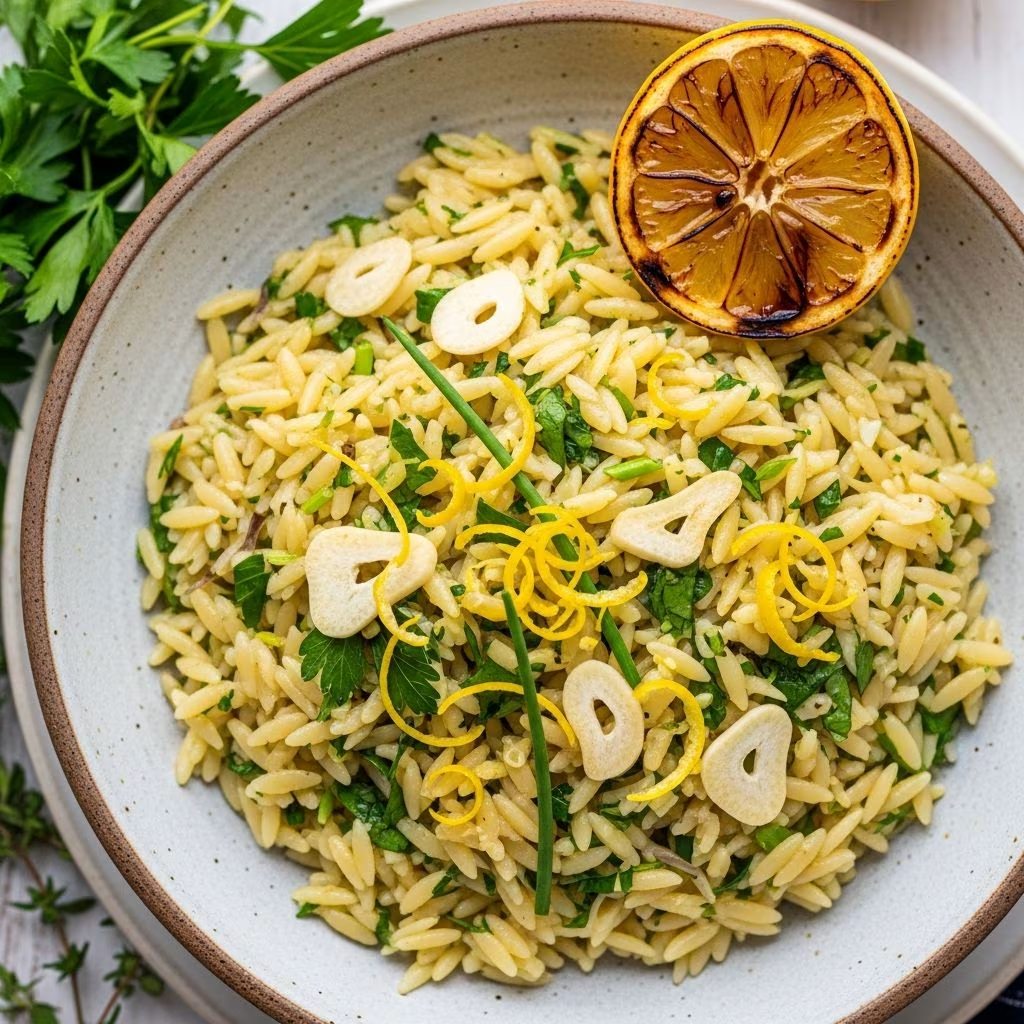
Understanding Orzo and Its Culinary Potential
Orzo, a rice-shaped pasta that measures approximately the size of a grain of rice, represents one of the most versatile yet frequently overlooked ingredients in contemporary cooking. This Italian-inspired pasta variety transcends the traditional role of a mere side dish, offering creative cooks an impressive foundation for both sophisticated entrees and humble weeknight meals. The unique shape and texture of orzo create opportunities for flavor absorption that larger pasta shapes simply cannot replicate. When combined with the right ingredients—particularly bright citrus elements and aromatic components—orzo transforms into a showstopping dish that impresses dinner guests while remaining remarkably simple to execute.
The appeal of orzo lies in its ability to provide comfort while maintaining an elegant aesthetic on the plate. Unlike traditional long pasta varieties that require twirling and precise plating techniques, orzo naturally arranges itself into an attractive presentation. This characteristic makes it ideal for both casual family dinners and formal entertaining scenarios. The grain-like appearance and gentle flavor profile make orzo an excellent vehicle for showcasing complementary ingredients like garlic, lemon, and fresh herbs.
The Flavor Profile: Balancing Brightness and Richness
The magic of this particular preparation stems from the thoughtful combination of contrasting flavor elements. Lemon juice and zest provide a sharp, acidic brightness that cuts through the richness of butter and olive oil, creating a harmonious balance on the palate. Garlic adds depth and aromatic complexity without overwhelming the citrus notes. Fresh herbs contribute freshness and textural interest, preventing the dish from becoming one-dimensional or heavy. This careful orchestration of flavors creates a dish that feels simultaneously light and satisfying—a difficult balance to achieve in pasta preparations.
The technique of searing lemon halves introduces an additional layer of complexity to the flavor profile. When lemon flesh comes into contact with direct heat, natural sugars caramelize and the acidity mellows slightly, creating a more nuanced citrus flavor than raw lemon juice alone. This gentle charring process adds subtle smokiness and sweetness that elevate the dish beyond straightforward lemon-butter combinations found in simpler recipes.
Essential Ingredients and Their Roles
Pantry Staples
- Dried orzo pasta: The foundation of this dish, requiring approximately one pound for four servings. This quantity ensures sufficient texture and enough surface area for sauce absorption.
- Unsalted butter: Six tablespoons of high-quality unsalted butter allows for precise seasoning control and creates the luxurious mouthfeel essential to this preparation.
- Extra-virgin olive oil: Three tablespoons total—one tablespoon for preventing the cooked pasta from sticking, and two tablespoons for searing the lemon halves. Quality olive oil contributes fruity notes that complement the citrus elements.
- Kosher salt and freshly ground black pepper: These basic seasonings enhance all other flavors without introducing any artificial notes.
Fresh Components
- Fresh garlic cloves: Four medium cloves, quartered rather than minced, infuse the butter gently without becoming bitter. This approach creates subtle garlic flavor rather than assertive pungency.
- Fresh lemons: Two whole lemons, halved, provide both juice and textural interest through searing. Using whole lemons rather than bottled juice ensures superior flavor and allows for the charring technique.
- Fresh herbs: Two-thirds cup chopped parsley, one-quarter cup chopped basil, and three tablespoons chopped chives provide brightness, visual appeal, and varied herbaceous notes.
Technical Execution: A Step-by-Step Approach
Preparing Your Foundation
Begin by bringing a large pot of lightly salted water to a rolling boil. The water should taste pleasantly salty—approximately one tablespoon of salt per gallon represents the general guideline. This creates properly seasoned pasta rather than requiring excessive salt addition afterward. Add the dried orzo and cook according to package instructions until achieving an al dente texture. The pasta should maintain slight firmness when bitten, never becoming mushy or overcooked.
Once the orzo reaches the desired texture, drain it thoroughly in a colander. Return the warm pasta to the now-empty pot and immediately toss with one tablespoon of olive oil. This prevents the orzo from clumping together during cooling, ensuring each grain remains separate and distinct. The residual heat from the pot will help the oil distribute evenly throughout the pasta.
Infusing the Butter
While the orzo cooks, prepare the garlic-infused butter. In a small saucepan over low heat, melt the six tablespoons of butter slowly and gently. Once melted, add the four quartered garlic cloves. Maintain low heat and allow the garlic to warm gently for approximately five minutes. This gentle infusion process extracts garlic flavor without cooking the garlic until it becomes brown, bitter, or harsh. The butter will gradually absorb the aromatic compounds, creating a subtle garlic-flavored base for your sauce.
Resist the temptation to increase heat or rush this process. Gentle infusion over low heat creates delicate flavors, while aggressive cooking produces unpleasant burnt-garlic notes. The goal involves extracting just enough flavor to be perceptible without dominating the finished dish.
Achieving the Perfect Sear
Simultaneously with the butter infusion, heat the remaining two tablespoons of olive oil in a small cast-iron skillet over medium-high heat until it shimmers slightly. Cast iron, with its superior heat retention and distribution properties, proves ideal for this step, though a heavy stainless steel skillet works well too. Place the lemon halves cut-side down in the hot oil and allow them to sear undisturbed for approximately five minutes.
During this time, the exposed lemon flesh will contact the hot surface and begin caramelizing. You’ll observe the flesh transform from pale yellow to golden brown, with darker caramelized spots developing across the surface. This visual transformation indicates that sugars have begun to break down and caramelize, creating more complex flavors than raw lemon provides. The aroma will intensify as well, filling your kitchen with a warm, inviting citrus fragrance.
Assembly and Final Touches
Once the lemon halves have achieved the desired caramelization, remove them from the skillet and allow them to cool slightly. Squeeze the juice into the warm orzo, stirring well to distribute the precious liquid throughout. The juice will be noticeably more mellow and complex than fresh lemon juice, with subtle caramelized notes that add sophistication to the finished dish.
Remove the now-infused butter from heat. Using a slotted spoon, remove and discard the cooked garlic cloves. The butter now contains the desired garlic flavor without any solid pieces that might distract from the eating experience. To this garlic-infused butter, add the two-thirds cup of chopped parsley, one-quarter cup of chopped basil, three tablespoons of chopped chives, one and one-half teaspoons of kosher salt, and a generous amount of freshly ground black pepper. Stir these ingredients together thoroughly, ensuring even distribution of herbs and seasonings.
Pour this herb-butter mixture over the lemon-dressed orzo and stir well, coating every grain with the fragrant butter. The combination of fresh herbs, garlic-infused butter, and caramelized lemon juice creates a cohesive sauce that clings to the orzo without being wet or heavy.
Serving Suggestions and Variations
As a Side Dish
This preparation serves four people as an elegant side dish accompanying grilled chicken, roasted fish, or pan-seared beef. The bright citrus and fresh herbs complement virtually any protein without competing for attention. The lemon notes particularly shine alongside seafood preparations, while the garlic and herb components pair beautifully with poultry.
As a Main Course Enhancement
To transform this side dish into a more substantial main course, incorporate additional proteins and vegetables. Crumbled feta cheese, tangy and salty, provides a traditional Mediterranean topping that converts the orzo into a complete meal. Alternatively, top the finished dish with crispy breadcrumbs, toasted nuts, or shaved Parmesan to add textural contrast and richness.
Customization Possibilities
While the classic preparation provides exceptional flavor, several modifications allow for personalization based on dietary preferences or ingredient availability. Substitute butter with high-quality olive oil for a dairy-free preparation that maintains the essential flavor profile. Replace some or all of the fresh herbs with alternatives like dill, tarragon, or oregano depending on your preferences. Add roasted vegetables such as asparagus, sun-dried tomatoes, or caramelized onions to increase nutritional density and visual interest.
Frequently Asked Questions
Can I prepare this dish in advance?
This preparation achieves optimal flavor and texture when served immediately after assembly. However, you can prepare the components in advance and combine them just before serving. Cook the pasta ahead, store it separately, prepare the garlic butter ahead, and sear the lemons when ready to assemble. This approach allows for efficient meal planning without sacrificing quality.
What if I don’t have fresh herbs available?
While fresh herbs contribute superior flavor and brightness, dried herbs can substitute in proportional amounts—approximately one-third the fresh quantity. However, add dried herbs to the butter during the infusion process rather than at the end to allow them time to rehydrate and release their flavors.
How do I prevent the garlic from burning?
Maintaining low heat throughout the infusion process proves essential. The butter should never sizzle aggressively or smoke. If your burner runs hot, consider placing the saucepan on a heat diffuser or moving it to an adjacent cooler burner. The goal involves gentle warming rather than active cooking.
Can I use bottled lemon juice instead of fresh lemons?
Fresh lemons provide superior flavor, particularly because the searing process creates nuanced caramelized notes impossible to achieve with bottled juice. Bottled juice lacks both the complexity and the ability to be seared effectively, significantly diminishing the dish’s appeal.
Nutritional Considerations
This preparation emphasizes quality fats from butter and olive oil alongside fresh herbs and vegetables, creating a balanced composition. Each serving contains complex carbohydrates from the pasta, complemented by beneficial fats and vitamin-rich herbs. The combination of garlic, lemon, and fresh herbs provides aromatic compounds with potential health benefits beyond basic nutrition. While not a low-calorie preparation, the intense flavors mean smaller portions satisfy, promoting natural portion control through satiety rather than restriction.
Storage and Reheating Guidelines
Store leftover orzo in an airtight container in the refrigerator for up to three days. The butter and oil will congeal slightly during cooling, which is perfectly normal. To reheat, gently warm the orzo in a saucepan over low to medium heat, stirring occasionally. Add a splash of vegetable broth, pasta water, or additional olive oil to loosen the mixture and restore the sauce’s fluidity. The reheated version will taste delicious, though the fresh herb notes will mellow slightly with time and temperature cycles.
Conclusion: Elevating Simple Ingredients
This lemon garlic butter orzo demonstrates how thoughtful technique transforms humble, everyday ingredients into restaurant-quality cuisine. The combination of seared citrus, infused butter, and fresh herbs creates a sophisticated dish that contradicts its simple ingredient list. Whether served as an elegant side dish at a dinner party or as a quick weeknight component alongside rotisserie chicken, this preparation proves that exceptional food doesn’t require complicated procedures or exotic ingredients—only attention to technique, quality ingredients, and intentional flavor combinations.
References
- Orzo with Seared Lemon, Garlic Butter & Herbs — North End Nosh. Retrieved from https://northendnosh.weebly.com/orzo-with-seared-lemon-garlic-butter–herbs.html
- Lemon Butter Orzo — The Endless Meal. Retrieved from https://www.theendlessmeal.com/lemon-butter-orzo/
- Garlic Lemon Orzo — Savor the Best. Retrieved from https://savorthebest.com/garlic-lemon-orzo/
- Everyday Herb Butter Orzo Pasta — Familystyle Food. Retrieved from https://familystylefood.com/herb-butter-orzo-pasta/