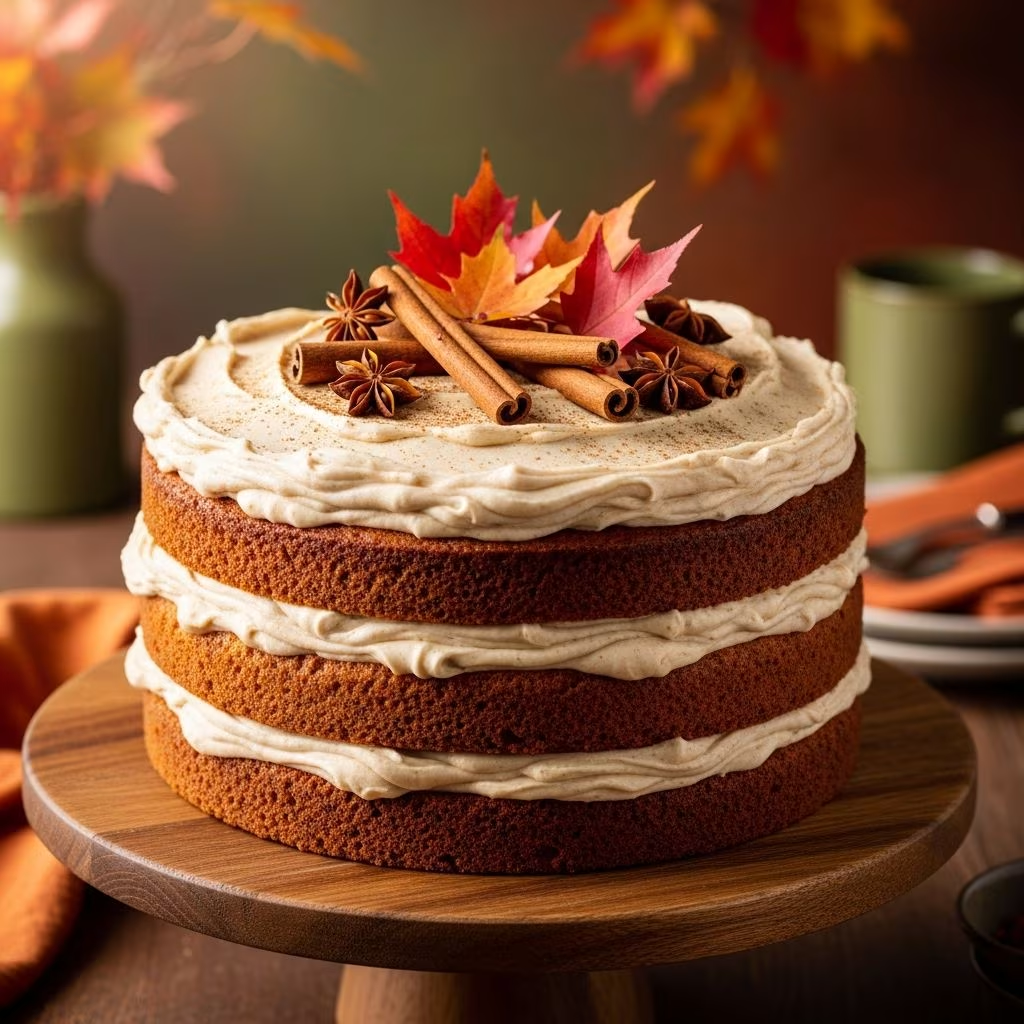
There’s something inherently comforting about the combination of pumpkin, warm spices, and rich cream cheese frosting. This classic autumn dessert brings together simple pantry staples to create a show-stopping cake that rivals any bakery offering. Whether you’re planning a holiday gathering, celebrating a special occasion, or simply craving that cozy seasonal flavor, this layered pumpkin cake with silky cinnamon cream cheese topping delivers impressive results that seem far more complicated than they actually are.
Understanding the Cake Foundation
The foundation of an exceptional pumpkin cake begins with understanding how the key ingredients work together. Unlike light, airy sponge cakes, this dessert relies on pumpkin puree to add moisture and create a dense, tender crumb structure. The pumpkin doesn’t just contribute flavor—it fundamentally changes the cake’s texture, making each bite moist and slightly substantial.
The spice profile is equally important. Rather than relying solely on commercial pumpkin pie spice blends, incorporating individual warm spices like cinnamon, nutmeg, ginger, and cloves allows you to control the intensity and customize the flavor to your preferences. These spices work synergistically to create depth and complexity that elevates the cake beyond ordinary.
Ingredient Selection and Preparation
Quality ingredients make a significant difference in the final result. For the cake, you’ll need:
- All-purpose flour as your base structure
- Pure canned pumpkin puree, not pumpkin pie filling which contains added sugars and spices
- Eggs that bind the ingredients and provide structure
- Both granulated and brown sugar for balanced sweetness and moisture
- Vegetable oil for tender crumb and moisture retention
- Buttermilk to add tang and improve tenderness
- Leavening agents including baking soda and baking powder for proper rise
- Sour cream to enhance moisture and create subtle tang
- Vanilla extract to round out the flavor profile
Preparing ingredients matters more than most bakers realize. Room temperature eggs blend more thoroughly with wet ingredients, creating a smoother batter. Taking eggs and dairy products out thirty minutes before baking allows them to incorporate properly, resulting in a more uniform texture.
Mastering the Mixing Method
The technique you use to combine ingredients directly impacts cake texture. This recipe benefits from a proper creaming method followed by careful ingredient folding.
The Wet Ingredient Foundation
Begin by combining butter and both sugars. Beating these together for one to two minutes at medium speed allows the sugar crystals to aerate the butter, incorporating tiny air pockets that create a lighter crumb. This creaming process is essential for proper cake rise.
Add eggs one at a time, beating briefly after each addition. This gradual approach prevents the batter from breaking or becoming curdled. Once fully combined, fold in vanilla extract and your pumpkin puree. The mixture should appear slightly lighter in color as it becomes thoroughly incorporated.
Combining Dry and Wet Components
Whisk together your dry ingredients—flour, baking soda, baking powder, cinnamon, nutmeg, ginger, cloves, and salt—in a separate bowl. This pre-mixing ensures even spice distribution throughout the cake.
Alternate adding dry and wet ingredients, beginning and ending with dry components. Adding buttermilk or sour cream in portions while interspersing flour prevents overmixing and ensures even hydration. Mix just until combined after each addition, taking care not to overdevelop gluten which would result in a tough, dense cake.
Baking Strategy and Timing
Success depends on proper oven temperature and bake time monitoring. Preheat your oven to 325-340°F (163-170°C), slightly lower than standard cake temperatures. This gentler heat allows the cake to bake through completely without over-browning the exterior.
Prepare three 8-inch round cake pans with parchment paper and cooking spray for easy removal. Divide batter evenly among pans, filling each approximately two-thirds full. Place pans in the oven, ensuring adequate air circulation between them.
Baking typically requires 25-35 minutes depending on your oven’s particular characteristics. Rather than relying solely on a timer, perform the toothpick test around the 25-minute mark. Insert a toothpick in the center of the thickest layer. It should emerge with moist crumbs but no wet batter clinging to it.
Remove cakes from the oven and allow them to rest in their pans for 5-10 minutes. This resting period lets the crumb structure set slightly, making removal less likely to cause crumbling. Turn out onto cooling racks and cool completely before frosting. This step cannot be rushed—warm cake will melt frosting and compromise your finished appearance.
Crafting the Cinnamon Cream Cheese Frosting
The frosting elevates this cake from good to exceptional. This isn’t a light, whipped frosting—it’s a substantial, creamy topping with pronounced cinnamon flavor that complements the warm spices in the cake itself.
Essential Frosting Components
You’ll need room-temperature cream cheese and unsalted butter as your base. Cold or firm cream cheese can be beaten directly, while spreadable varieties won’t provide the necessary structure and stability. Using unsalted butter allows you to control the salt level precisely.
- Unsalted butter—softened but not melted
- Cream cheese—two 8-ounce packages at room temperature
- Powdered sugar—sifted to eliminate lumps
- Ground cinnamon—adjust quantity based on personal preference
- Vanilla extract—for subtle flavor depth
- Heavy whipping cream—optional, for adjusting consistency
Frosting Preparation Technique
Begin by beating softened butter alone for 1-2 minutes at medium speed. This aerates the butter, creating a lighter base. Add room-temperature cream cheese gradually, beating for one minute after addition until completely smooth. This gradual incorporation prevents overmixing while ensuring thorough combination.
Add powdered sugar slowly, mixing on low to medium speed. Rather than dumping all sugar at once, add it in portions and mix for 30-60 seconds between additions. This controlled approach prevents powdered sugar clouds and ensures even distribution.
Fold in vanilla extract and cinnamon. The amount of cinnamon depends on personal preference—some prefer subtle undertones while others want pronounced cinnamon flavor. Start with one teaspoon and adjust to taste. If the frosting becomes too thick, incorporate heavy whipping cream by the tablespoon until reaching your desired consistency.
The finished frosting should be smooth, spreadable, and maintain peaks when lifted with a spatula. Avoid overbeating, which can result in grainy texture and broken appearance.
Assembly and Presentation
Assembling a three-layer cake requires patience and a level surface. Place the first cake layer on your serving plate, securing it with a small dollop of frosting underneath to prevent sliding.
Spread a thick layer of frosting evenly across the top of the first layer, leaving a small border around the edges. Add the second layer and repeat. Top with the final cake layer, then frost the top and sides with remaining frosting.
For rustic elegance, leave frosting rough and textured. For a polished appearance, smooth frosting with an offset spatula dipped in warm water. Some bakers enjoy garnishing with candied pumpkin pieces, toasted pecans, or a light dusting of cinnamon.
Storage and Serving Suggestions
Refrigerate the finished cake for at least two hours before serving, allowing frosting to set and flavors to meld. The cake keeps well refrigerated for up to four days in an airtight container. Allow slices to come to room temperature for 15 minutes before eating for optimal texture and flavor.
This cake serves approximately 12-16 people depending on slice size. Pair it with coffee, tea, or hot spiced cider for an authentic autumn experience. The rich, spiced cake contrasts beautifully with these warm beverages.
Troubleshooting Common Issues
| Problem | Likely Cause | Solution |
|---|---|---|
| Cake is dry | Overbaking or too much flour | Reduce bake time by 2-3 minutes; use sour cream or buttermilk |
| Cake sinks in center | Underbaking; opening oven door too early | Extend bake time; avoid opening oven door before 20 minutes |
| Frosting is grainy | Overbeating or overly cold cream cheese | Mix gently; ensure all ingredients are room temperature |
| Frosting slides off cake | Cake not completely cooled; frosting too warm | Allow cake to cool completely; refrigerate frosting slightly |
| Spice flavor is muted | Using old spices | Purchase fresh spices; increase quantities slightly |
Variations and Customizations
While the classic version is delicious, several variations allow you to customize this cake to your preferences. Substitute a portion of all-purpose flour with whole wheat flour for added nuttiness and nutrition. Add finely shredded apple to increase moisture and complexity. Incorporate ground cardamom along with traditional spices for an unexpected flavor dimension.
For the frosting, some bakers prefer adding pumpkin puree for intensified fall flavor and subtle color shift. Others include cream liqueur or bourbon for adult versions. Chopped toasted pecans or walnuts folded into frosting add textural interest and complement pumpkin beautifully.
Frequently Asked Questions
Can I make this cake ahead of time?
Yes, unfrosted cake layers wrap well and freeze for up to two months. Thaw at room temperature before frosting. Frosting also freezes successfully for up to three weeks.
What if I don’t have three round pans?
Bake in a 9×13-inch rectangular pan for 35-40 minutes. Reduce ingredients proportionally if using smaller pans. Calculate volume and adjust baking time accordingly.
Is there a dairy-free option?
Substitute vegetable oil for butter in both cake and frosting. Use dairy-free cream cheese alternative and plant-based milk for buttermilk. Results vary—test-bake before serving to guests.
Can I use fresh pumpkin puree?
Fresh pumpkin puree contains more water than canned. Use canned varieties for consistent results. If using fresh, reduce other liquids by 2-3 tablespoons and increase flour by 2 tablespoons.
How far ahead can I assemble the cake?
Assemble up to 24 hours ahead. Refrigerate covered to prevent frosting from absorbing odors. Allow 30 minutes room temperature rest before serving for optimal texture.
References
- Professional Baking — Wayne Gisslen. Culinary Institute of America, 2016. Fifth Edition, pp. 124-156.
- The Flavor Bible: The Essential Reference for More Than 500 Ingredients and 13,000 Flavor Combinations — Karen Page and Andrew Dornenburg. Little, Brown, 2008. pp. 89-95.
- Food Science and Traditional Foods — International Journal of Gastronomy and Food Science. Peer-reviewed research on pumpkin applications in baking, 2023.
- USDA Food Data Central — U.S. Department of Agriculture. Accessed April 2026. https://fdc.nal.usda.gov
- King Arthur Baking Company Ingredient Guide — King Arthur Baking Company. Educational resources on baking ingredients and techniques. https://www.kingarthurbaking.com