Understanding the Essence of Kuku Paka
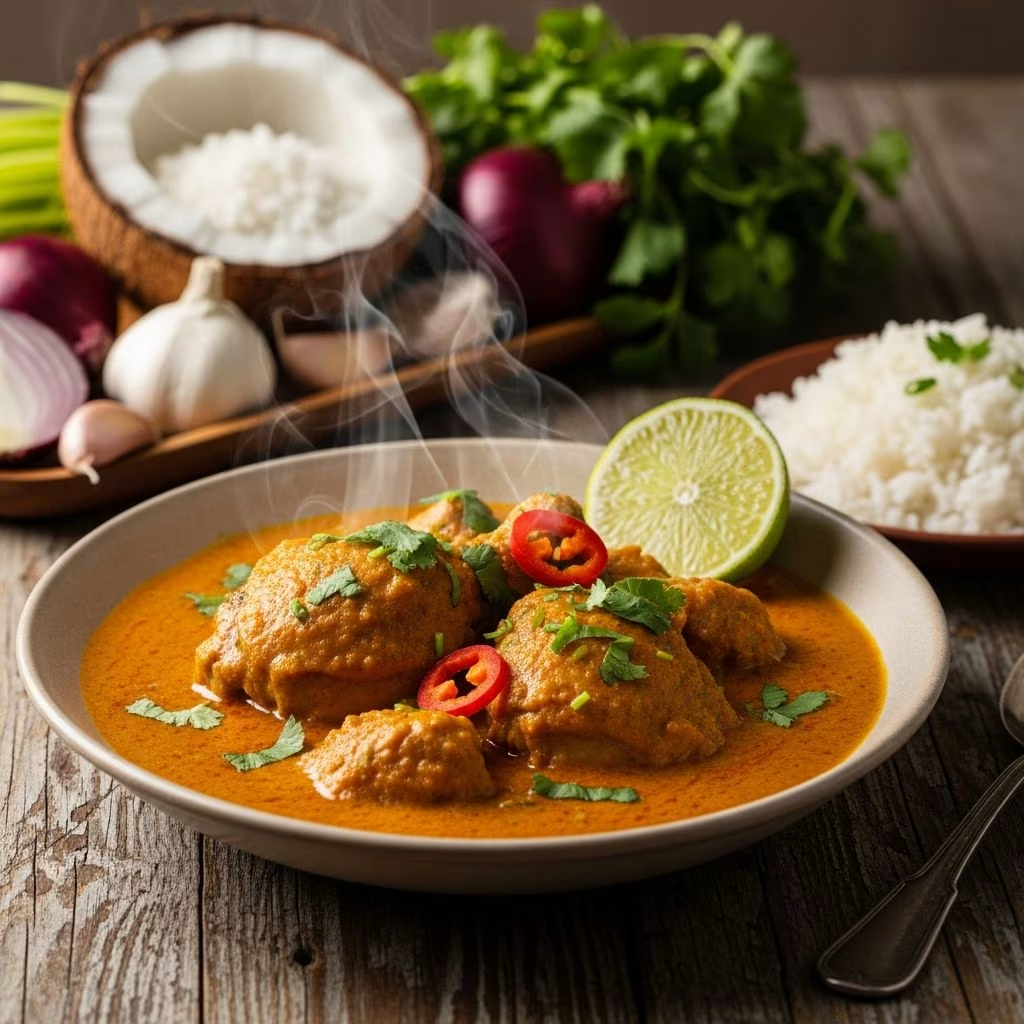
Kuku Paka represents a fascinating culinary intersection where African, Indian, and Arab influences converge on the Swahili coast. The name itself tells a story: “Kuku” means chicken in Swahili, while “Paka” translates to delicious in Punjabi, reflecting the dish’s multicultural heritage. This coconut-based chicken curry has become a beloved staple in East African nations, particularly Kenya and Tanzania, where it graces both home tables and restaurant menus.
What distinguishes Kuku Paka from other global curry preparations is its unique flavor profile. Unlike intensely spiced Indian curries, this African interpretation emphasizes fragrance and subtle complexity, allowing each ingredient to shine while maintaining harmony on the palate. The dish achieves its signature character through a carefully balanced combination of warm spices, fresh aromatics, and rich coconut milk, creating a sauce that is simultaneously mild yet deeply satisfying.
Essential Ingredients for Authentic Preparation
Creating an authentic Kuku Paka begins with understanding which components form the foundation of this dish. The beauty of this recipe lies in using ingredients readily available at most grocery stores, eliminating the need for exotic specialty items.
Protein Selection
Chicken serves as the primary protein, and while various cuts work effectively, the choice influences both texture and cooking time. For traditional preparation, a whole chicken jointed into eight pieces provides optimal results, as the bones contribute depth to the dish. However, boneless, skinless chicken breasts offer convenience for weeknight cooking, requiring less preparation time.
Aromatic Foundation
- Fresh ginger root provides warming spice and aids in digestion
- Garlic cloves deliver pungency that develops complexity during cooking
- Onions, either quartered or finely diced, create the base layer of flavor
- Fresh tomatoes or canned tomato products contribute acidity and body
Spice Blend Essentials
The spice profile remains relatively modest compared to Indian curry standards, relying on ground cumin, coriander, and turmeric as primary flavor drivers. These warm spices create the distinctive aromatic character without overwhelming heat. Additional heat comes from chillies or cayenne pepper, adjusted according to personal spice tolerance.
Coconut and Liquid Components
Coconut milk forms the luxurious base of the sauce, transforming simple spices into a silky, enveloping sauce. Full-fat canned coconut milk provides the richest texture, though fresh coconut milk can be used when available. Lemon juice brightens the final dish while balancing the richness of coconut.
Step-by-Step Preparation Method
Marinating the Chicken
Preparation begins by creating a fragrant spice paste that penetrates the chicken’s surface. A food processor combines fresh tomatoes, onion, ginger, garlic, chillies, and ground spices into a rough paste. Scoring each chicken piece with shallow cuts allows this marinade to penetrate deeper into the flesh, ensuring maximum flavor absorption.
The marinated chicken requires refrigeration for a minimum of one hour, though extended marinating up to five hours develops more intense flavors. This waiting period allows the spices to permeate the protein and begin the flavor development process.
Building the Sauce Foundation
In a large pan, coconut oil or vegetable oil heats to medium temperature. The reserved spice paste gets added to this hot oil, where it cooks for approximately twenty minutes as moisture gradually evaporates. This cooking phase is critical, as it concentrates flavors and eliminates excess liquid that would otherwise dilute the final sauce.
As the paste darkens and thickens, heat increases slightly for three to five minutes until the mixture achieves a rich, concentrated consistency. This technique, known as blooming spices, activates their essential oils and enhances their flavor contribution to the dish.
Protein Cooking Technique
Traditional Kuku Paka calls for grilling the chicken to develop charred, caramelized exterior surfaces before adding to the sauce. A preheated grill set to its highest setting creates deep browning and smoky notes that add complexity. Chicken pieces cook skin-side up for approximately fifteen minutes until well-colored, then flip for five additional minutes.
For modern convenience, pan-searing achieves comparable results on a stovetop. This step creates a flavorful crust through the Maillard reaction, developing savory notes that enhance the finished dish.
Final Assembly and Simmering
Once the spice paste achieves its concentrated consistency, coconut milk gets stirred into the mixture, creating the characteristic creamy sauce. The sauce simmers for twenty-five to thirty minutes, allowing flavors to meld and the sauce to achieve proper thickness.
The grilled or seared chicken then transfers into the coconut mixture along with any accumulated juices. The combined pot simmers gently for five minutes, permitting flavors to integrate fully. Hard-boiled eggs, when included, add textural contrast and traditional authenticity.
Fresh lemon juice and chopped coriander provide finishing touches, brightening the dish and adding aromatic freshness that balances the richness of the coconut-based sauce.
Flavor Development and Cooking Techniques
The Role of Slow Cooking
Kuku Paka’s development depends heavily on gentle, extended cooking rather than high-heat rapid preparation. This approach allows spices to fully hydrate and activate, developing their complete flavor potential. The mild intensity of this curry benefits from patience, as rushing the cooking process results in flat, underdeveloped flavors.
Balancing Heat and Flavor
Unlike fiery Indian curries, Kuku Paka maintains a relatively gentle heat level, allowing the subtle spice nuances to shine without overwhelming the palate. For those preferring milder preparations, chillies can be reduced or omitted, with heat adjusted incrementally during cooking.
The warm spices—cumin, coriander, and turmeric—provide the primary flavor base, creating an inviting aromatic quality rather than intense heat. This balance makes the dish accessible to various spice preferences while maintaining its authentic character.
Ingredient Variations and Substitutions
| Component | Primary Option | Suitable Substitute |
|---|---|---|
| Fresh Coriander | Chopped cilantro leaves | Baby spinach or flat-leaf parsley |
| Chilli Heat | Fresh serrano chillies | Cayenne pepper or red pepper flakes |
| Protein | Whole chicken, jointed | Boneless chicken breasts or thighs |
| Coconut Milk | Full-fat canned | Fresh coconut milk or coconut cream |
| Oil | Coconut oil | Vegetable oil or olive oil |
Serving Suggestions and Accompaniments
Kuku Paka pairs beautifully with several starch options that absorb and complement the rich coconut sauce. Steamed white or jasmine rice provides a neutral canvas highlighting the curry’s spice profile. Traditional flatbreads such as naan, chapatis, or injera offer textural contrast while facilitating sauce absorption.
For lighter meals, serving over cauliflower rice or alongside quinoa provides nutritional balance while maintaining authentic flavor combinations. The sauce’s richness means relatively modest portions satisfy completely, making this dish economical for serving larger gatherings.
Frequently Asked Questions
How does Kuku Paka differ from Indian chicken curries?
While sharing some spice components with Indian preparations, Kuku Paka maintains a distinctive character through its coconut-forward sauce and milder overall heat level. The flavor emphasis falls on fragrant aromatics rather than intense spice complexity, creating a more approachable curry experience for diverse palates.
Can Kuku Paka be prepared in advance?
This dish actually improves with time as flavors continue developing. Preparation one or two days ahead allows ingredients to fully meld, intensifying the final result. Store in an airtight container in the refrigerator, then gently reheat before serving.
What determines the sauce’s final consistency?
Extended simmering reduces moisture content, concentrating flavors and thickening the sauce naturally. For thinner sauce, reduce cooking time or add additional coconut milk. Those preferring a more concentrated sauce should allow extra simmering time.
How can dietary restrictions be accommodated?
Vegetarian versions substitute chickpeas or cauliflower for chicken, using vegetable broth instead of chicken-based liquids. Dairy-free preparation works naturally since the recipe relies on coconut milk as the primary rich ingredient.
What storage methods preserve Kuku Paka’s quality?
Refrigeration in sealed containers maintains quality for three to four days. Freezing works well for up to three months, though some spice intensity may diminish slightly. Thaw in the refrigerator overnight and reheat gently to restore optimal flavor and texture.
Conclusion
Kuku Paka represents accessible sophistication, delivering restaurant-quality results through straightforward techniques and readily available ingredients. The dish’s appeal lies in its balance of aromatic spices, tender protein, and rich coconut sauce—a combination that satisfies while remaining gentle enough for varied palates. Whether serving weeknight family dinners or impressing guests, this East African classic bridges culinary traditions while remaining surprisingly simple to execute successfully.
References
- African Chicken Curry – Kuku Paka — RecipeTin Eats. Accessed 2026. https://www.recipetineats.com/african-chicken-curry-kuku-paka/
- Aysha Bora’s Coconut Chicken Curry (Kuku Paka) — The Happy Foodie. Accessed 2026. https://thehappyfoodie.co.uk/recipes/aysha-boras-coconut-chicken-curry-kuku-paka/
- East African Kuku Paka Recipe — We Eat At Last. Accessed 2026. https://weeatatlast.com/east-african-kuku-paka-recipe/
- Kuku Paka – East African-Style Chicken Curry — Afropolitan Mom. Accessed 2026. https://www.theafropolitanmom.com/kuku-paka-african-style-chicken-curry/
- You’ve Never Had Coconut Chicken Like This — Backyard Chef. YouTube video. Accessed 2026. https://www.youtube.com/watch?v=EGomyqK8HoA
- Kuku Paka ~ Grilled Chicken in Creamy Coconut Curry — Cook with Lerato. Accessed 2026. https://cookwithlerato.substack.com/p/kuku-paka-grilled-chicken-in-creamy