Understanding the Appeal of Spicy and Creamy Slaw
Spicy and creamy slaw represents one of the most adaptable side dishes in modern cuisine, bridging the gap between traditional coleslaw and contemporary flavor profiles that demand both heat and richness. This dish has evolved from simple cabbage preparations into a sophisticated accompaniment that complements everything from casual backyard gatherings to more refined dining occasions. The combination of crispy vegetables with a bold, multifaceted dressing creates textural and flavor contrasts that engage the palate in meaningful ways.
The appeal of this particular variation lies in its ability to satisfy multiple sensory preferences simultaneously. The cooling creaminess of the dressing provides comfort, while the spice element adds excitement and complexity. This interplay makes spicy and creamy slaw an excellent choice for those seeking balance in their meals, as it prevents monotony while remaining approachable for a wide range of tastes.
Selecting Your Vegetable Base
The foundation of any exceptional slaw begins with thoughtful vegetable selection. While traditional recipes rely primarily on cabbage, expanding your vegetable palette elevates the final dish significantly.
Cabbage Varieties and Their Characteristics
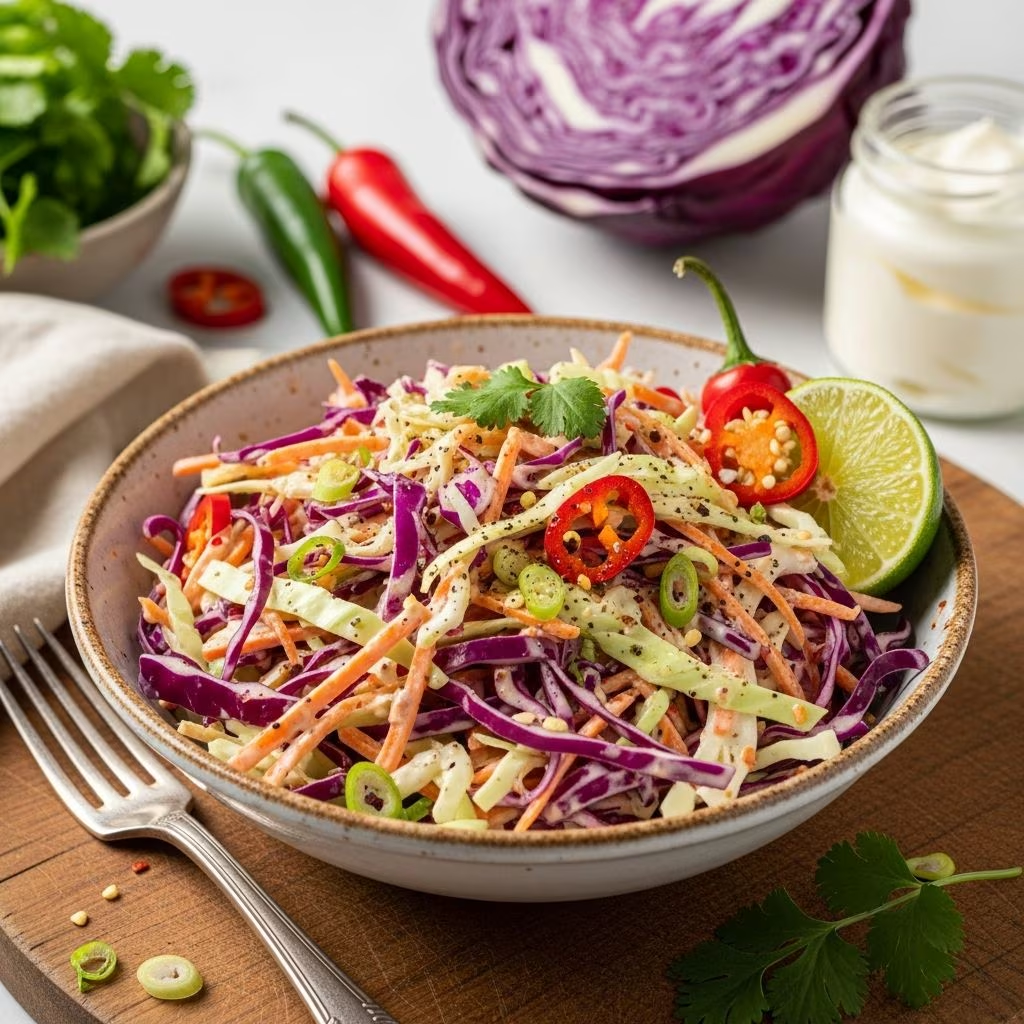
Green cabbage serves as the classic base, offering a mild flavor and sturdy texture that holds up well to dressing and time. Its pale color provides a neutral canvas that allows dressing colors and ingredients to shine. Red cabbage introduces visual appeal and a slightly sweeter note, while maintaining similar textural properties. Many cooks prefer combining both varieties for aesthetic diversity and subtle flavor layering.
When selecting cabbage, look for heads that feel dense and heavy for their size, with crisp outer leaves and no signs of browning or wilting. A quarter to half head typically yields sufficient volume for most gatherings, though recipes can be easily scaled based on crowd size.
Complementary Vegetables
Carrots add natural sweetness and vibrant color contrast. Julienned or shredded into thin matchsticks, they integrate seamlessly with cabbage while providing subtle textural variation. Some preparations incorporate grated apple for additional sweetness and a slightly different crunch factor that distinguishes the dish from standard coleslaw.
Fresh jalapeños represent the primary heat component in most recipes. Seeding these peppers reduces their intensity while retaining flavor complexity, making them more accessible to heat-sensitive palates. Alternatively, keeping seeds intact for those who prefer maximum spice levels allows for customization.
Additional vegetables like scallions, cilantro, and broccoli florets can enhance nutritional content and introduce fresh, herbaceous notes that complement the dressing’s richness.
Crafting the Perfect Creamy Dressing
The dressing transforms basic vegetables into a cohesive, flavorful dish. Several approaches exist for building this component, each offering distinct characteristics.
Mayo-Based Dressing Foundation
Mayonnaise provides the creamy base that defines this category of slaw. Using quality mayonnaise ensures smoothness and richness that cheap alternatives cannot replicate. Approximately three-quarters to one cup of mayo typically suffices for a half head of cabbage and accompanying vegetables, though this ratio can be adjusted based on personal preference for sauciness.
Acid Components for Balance
Acidic ingredients are essential for cutting through the richness of mayo and brightening the overall flavor profile. White wine vinegar offers sharp acidity with neutral flavor, while apple cider vinegar brings subtle fruity undertones. Lime juice introduces citrus brightness that pairs particularly well with jalapeño heat, creating a tropical quality to the dish.
These acid components should be balanced carefully—too much overwhelms the palate, while too little results in a one-dimensional, heavy dish. Starting with conservative amounts and adjusting to taste ensures optimal results.
Heat and Spice Integration
Multiple pathways exist for introducing spice into the dressing. Sriracha brings reliable, consistent heat with subtle garlicky undertones. Red chili powder or custom chili blends offer more nuanced flavor profiles that reflect regional preferences. Horseradish creates a different type of heat—a penetrating, sinus-clearing intensity rather than mouth-coating spice—that some find more appealing than traditional peppers.
The quantity of spice should align with your audience’s preferences, remembering that spice intensity can increase as the dish sits and flavors meld. Conservative initial proportions with opportunities for post-tasting adjustments prevent overly spicy batches.
Sweetness and Supporting Flavors
Honey or sugar tempers spice while creating complexity and depth. These ingredients shouldn’t create an obviously sweet dish but rather provide subtle balance that makes other flavors more pronounced. Celery seeds add an earthy, subtle character that enhances the overall profile without dominating.
Dijon mustard contributes tangy depth and emulsifies the dressing, improving texture and cohesion. A small amount—typically one to two teaspoons—suffices for most batch sizes.
Dressing Techniques and Considerations
Preparation method significantly impacts both texture and flavor development in the final dish.
Whisking and Combining Methods
Whisking dressing components together in a small bowl ensures even distribution of spices and proper emulsification. This approach, though slightly more involved than shaking in a jar, produces superior texture and prevents settling of spice particles that can create uneven heat distribution.
Alternative methods include using a fork to combine ingredients in a measuring cup or employing a mason jar for vigorous shaking. Each method produces acceptable results, with personal preference and available equipment determining choice.
Adjustment and Tasting Protocol
Dressings should be tasted before combining with vegetables, allowing for adjustments without affecting the full batch. This practice prevents discovering excessive salt or overwhelming spice levels after mixing everything together. A small spoon reserved specifically for tasting maintains hygiene while allowing proper evaluation of flavor balance.
Vegetable Preparation Techniques
How vegetables are cut affects both texture and eating experience, making preparation method an important consideration.
Shredding Versus Chopping
Shredding produces thin, uniform pieces that integrate seamlessly with dressing and create consistent texture throughout the dish. Box graters, mandolines, and food processor shredding attachments all accomplish this task efficiently. The resulting thin pieces allow dressing to coat thoroughly while maintaining crispness.
Chopping with a chef’s knife produces slightly thicker, more rustic pieces that some prefer for their more pronounced texture. This method requires more careful, consistent technique to ensure relatively uniform sizing, but many cooks find the hands-on approach meditative and rewarding.
Size Consistency Importance
Regardless of chosen method, consistent sizing ensures even dressing distribution and uniform eating experience. Large pieces alongside tiny fragments create uneven texture and may result in some vegetables remaining inadequately dressed while others become oversaturated.
Assembly and Integration Process
Bringing all components together requires careful technique to ensure every vegetable piece receives adequate dressing coverage.
Layering and Distribution
Combining all vegetables in a large mixing bowl before adding dressing allows for thorough incorporation. Adding dressing gradually rather than all at once permits visual assessment of coverage and prevents over-saturation. Using salad tongs or two large spoons to toss repeatedly ensures comprehensive mixing that distributes flavors evenly.
Flavor Melding and Resting Periods
Allowing the completed slaw to rest for fifteen to thirty minutes before serving permits flavors to meld and vegetables to soften slightly while maintaining crispness. This resting period also allows excess moisture to distribute evenly throughout the dish rather than pooling at the bottom of the container.
Some preparations benefit from longer resting periods of several hours or even overnight storage, as flavors continue developing and intensifying. However, extended storage may result in progressively softer vegetables as they continue absorbing liquid from the dressing.
Customization and Variation Approaches
This basic framework accommodates numerous modifications tailored to personal preferences and dietary requirements.
Alternative Creamy Bases
While mayonnaise dominates traditional recipes, sesame-based dressings using tahini offer creaminess without mayo. Grinding sesame seeds into a fine paste and combining with complementary ingredients creates a distinctly different flavor profile that remains creamy and satisfying. Greek yogurt provides a lighter alternative with similar consistency and added protein benefits.
Regional and Ethnic Adaptations
Asian-inspired versions incorporate sesame oil, rice vinegar, and mirin alongside typical vegetables, creating an entirely different eating experience. Mexican-influenced preparations might emphasize lime, cilantro, and cotija cheese for tanginess and richness. These cultural interpretations demonstrate the framework’s flexibility while honoring diverse culinary traditions.
Storage and Make-Ahead Considerations
Understanding how spicy and creamy slaw behaves over time enables strategic preparation planning.
Short-Term Storage
Properly stored slaw maintains quality for three to four days when kept in an airtight container in the refrigerator. Vegetables gradually soften while flavors continue intensifying, with most people preferring consumption within the first two days for optimal crispness.
Component Preparation Strategy
Many cooks prefer preparing vegetables and dressing separately, combining them only hours before serving. This approach preserves vegetable crispness while allowing flavor development. Vegetables can be shredded and stored in sealed containers for up to two days, while dressing maintains quality for similar timeframes.
Serving Suggestions and Pairing Applications
Spicy and creamy slaw’s versatility extends to numerous serving contexts and applications.
BBQ and Outdoor Entertaining
This slaw serves as an ideal accompaniment to grilled meats, pulled pork sandwiches, and traditional BBQ fare. The cooling creaminess complements smoky, charred flavors while the spice adds complexity that prevents palate fatigue.
Taco and Mexican-Inspired Dishes
Fresh, bright slaw provides textural contrast and flavor balance atop tacos, whether filled with carnitas, grilled fish, or vegetarian proteins. The creamy dressing melds with taco fillings while the spice amplifies existing heat elements.
International Cuisine Integration
Appropriately adapted versions complement Asian cuisine, adding crunch and brightness to richer dishes. The dish works equally well alongside Mediterranean proteins and preparations, demonstrating cross-cultural appeal.
Nutritional Considerations
Understanding the nutritional profile enables informed choices for various dietary needs and preferences.
Raw vegetables provide fiber, vitamins, and minerals without significant calories. Mayonnaise contributes fat and calories that provide satiety and richness. While traditionally not considered a health-focused food, moderate portions of creamy slaw contribute meaningfully to vegetable intake while adding satisfaction to meals. Those seeking lighter versions can substitute Greek yogurt or tahini-based dressings for conventional mayo.
Troubleshooting Common Challenges
Several issues occasionally arise during preparation, each with straightforward solutions. Excessively watery slaw often results from vegetables releasing moisture into the dressing—using a salad spinner to thoroughly dry shredded vegetables before mixing prevents this issue. Insufficient spice can be remedied by adding more sriracha, chili powder, or jalapeños to the dressing before combining with vegetables. Overly thick dressing responds to thinning with additional vinegar or a small amount of water, which also brightens flavors.
Seasonal Adaptations and Ingredient Sourcing
Seasonal ingredient availability suggests timing for optimal freshness and flavor. Spring and fall cabbage harvests provide peak crispness, though modern distribution ensures year-round availability. Fresh jalapeños peak during late summer and early fall, though they remain accessible year-round in most markets. Sourcing vegetables from farmers’ markets when possible ensures superior quality and supports local agriculture.
Equipment Recommendations
While this dish requires minimal specialized equipment, certain tools facilitate preparation. A box grater or mandoline accelerates vegetable shredding while ensuring consistency. A large mixing bowl accommodates vegetables and thorough tossing. Salad tongs or two large spoons enable efficient, even mixing. A whisk helps combine dressing components smoothly. These common kitchen items likely already exist in most home kitchens.
Frequently Asked Questions
Can spicy and creamy slaw be prepared in advance?
Yes, though timing affects the final result. Vegetables and dressing can be prepared separately up to two days ahead and combined hours before serving. Fully assembled slaw maintains quality for three to four days with progressive softening and flavor intensification.
How can I reduce the spice level?
Use fewer jalapeños, reduce sriracha or chili powder quantities, or seed jalapeños to eliminate the hottest component. You can also balance spice with additional mayo or sweetener, which tempers heat perception.
What dressing can replace mayonnaise?
Tahini combined with water and lemon juice creates a creamy, mayo-free dressing. Greek yogurt offers a lighter alternative that remains creamy while adding protein. Coconut cream provides richness in dairy-free preparations.
How should I store leftover slaw?
Transfer to an airtight container and refrigerate for up to four days. The dish gradually softens as vegetables absorb additional moisture, though flavor continues developing during storage.
Can this slaw be frozen?
Freezing is not recommended, as vegetables become mushy upon thawing and the creamy dressing separates. Fresh preparation provides superior results.
References
- Classic Creamy Coleslaw Recipe — Chili Pepper Madness. 2024. https://www.chilipeppermadness.com/recipes/spicy-creamy-coleslaw/
- Spicy Cabbage Slaw — Whip & Wander. 2024. https://whipandwander.com/spicy-cabbage-slaw/
- Spicy Sesame Coleslaw — 101 Cookbooks. 2024. https://www.101cookbooks.com/spicy-sesame-coleslaw/
- Joe’s Simple Crunchy Spicy Coleslaw — The Genetic Chef. 2024. https://www.thegeneticchef.com/spicy-coleslaw/
- Spicy Coleslaw with a Kick — Hey Nutrition Lady. 2024. https://www.heynutritionlady.com/spicy-coleslaw-with-a-kick/