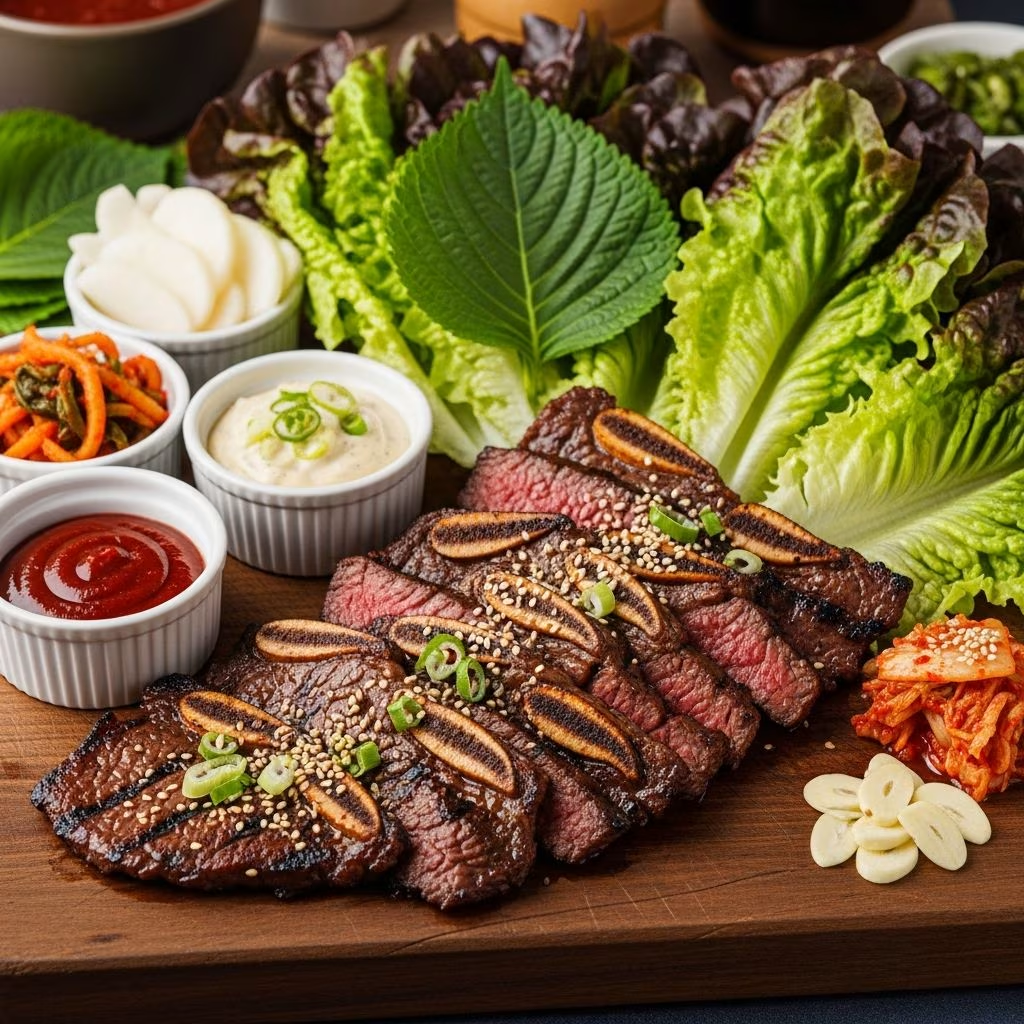
Korean cuisine has captivated food enthusiasts worldwide with its complex flavor profiles and innovative cooking techniques. Among the most celebrated dishes is kalbi, a traditional grilled meat preparation that showcases the art of marinating and cooking tender beef. While kalbi is traditionally served as grilled meat strips, a contemporary interpretation transforms this beloved dish into an interactive, customizable lettuce wrap experience. These Korean kalbi-style beef lettuce wraps combine the essence of authentic Korean cooking with the lightness and freshness of a vegetable-based serving vessel, making them an ideal choice for health-conscious diners and those seeking a more casual dining presentation.
Understanding the Kalbi Marinating Tradition
The foundation of exceptional kalbi-style beef begins with understanding the marinating process that defines this Korean cooking method. Kalbi marinades traditionally blend sweet, savory, and umami elements to create a balanced flavor profile that penetrates the meat while maintaining its natural tenderness. The marinade typically combines soy sauce for saltiness and depth, sesame oil for aromatic richness, and sweetening agents such as brown sugar or Asian pear juice.
Asian pears or Bosc pears serve as more than mere sweetening agents; they contain natural enzymes that work to break down the muscle fibers in beef, resulting in exceptionally tender meat even when using firmer cuts. This enzymatic action is particularly important when working with cuts like flank steak or skirt steak, which benefit significantly from the tenderizing process. Additionally, fresh garlic and ginger contribute antimicrobial properties and complex flavors that enhance the overall marinade composition.
Selecting the Ideal Beef Cut
Choosing the appropriate beef cut determines both the texture and cooking time of your lettuce wraps. Flank steak stands out as an excellent choice for this preparation, offering a good balance between tenderness and flavor development. This cut comes from the abdominal muscles of the cow, which gives it a lean profile while maintaining enough fat content for flavor.
When preparing flank steak for kalbi-style wraps, slicing the meat against the grain becomes essential. This technique breaks up the muscle fibers and creates smaller segments that not only cook more quickly but also provide more surface area for the marinade to penetrate. The thickness of your slices should remain relatively thin, typically around one-quarter to one-half inch, allowing for rapid cooking and easy consumption within the lettuce cups.
Alternative cuts that work well include rib eye steak for additional marbling and richness, or skirt steak for enhanced beef flavor. Each cut brings its own characteristics, allowing you to customize the dish according to your preferences.
Building the Perfect Marinade
The marinade serves as the flavor backbone of kalbi-style beef lettuce wraps. A well-balanced marinade incorporates multiple flavor dimensions:
- Salty Elements: Low-sodium soy sauce or tamari provides the primary salt content along with umami compounds from naturally fermented soybeans, creating depth and complexity.
- Sweet Components: Brown sugar, honey, or maple syrup adds sweetness that caramelizes during cooking, while grated Asian pear provides natural sweetness alongside its enzymatic tenderizing properties.
- Aromatic Ingredients: Fresh minced garlic and ginger add pungency and warmth, creating aromatic layers that complement the meat.
- Fat and Oil: Sesame oil contributes a distinctive nutty flavor and helps distribute fat-soluble flavors throughout the marinade.
- Optional Heat: Gochugaru (Korean red chili flakes) or sriracha can be added for those who prefer spicy variations.
Combine all dry and wet marinade ingredients in a large mixing bowl before introducing the beef. This ensures even distribution of flavors and prevents lumps of sugar or spices from concentrating in certain areas. The marinade should fully coat all beef pieces, allowing each segment to absorb the flavor profile uniformly.
The Marinating Timeline
While a minimum marinating time of one hour allows the flavors to develop, overnight marination produces superior results. Extended marinating time permits the enzymatic action to work more thoroughly, the soy sauce to penetrate deeper into the muscle fibers, and the aromatics to infuse more completely. If marinating overnight, ensure the beef remains covered and refrigerated to maintain food safety standards. Bringing the marinated beef to room temperature for fifteen minutes before cooking allows for more even browning and cooking throughout.
Preparing the Vegetable Components
While the beef represents the star ingredient, the supporting vegetables create textural contrast and nutritional balance. Oyster mushrooms provide a meaty texture and subtle earthiness that complements the beef without overwhelming the palate. Tear oyster mushrooms into appropriately sized pieces rather than slicing them, which maintains their delicate structure and creates interesting texture variations.
Sauté the mushrooms and onions separately from the beef to develop their flavors independently. Using medium-high heat, cook these vegetables until the onions become translucent and the mushrooms develop golden-brown edges. This caramelization creates complex flavors that enhance the overall dish. Add a pinch of kosher salt during cooking to draw out moisture and concentrate flavors.
Fresh carrots provide sweet crunch and visual appeal. Thinly slicing carrots allows them to maintain their crisp texture while becoming tender enough to bite through easily. Some preparations include julienne-cut carrots for added elegance and improved integration into the lettuce cups.
Executing the Perfect Sear
After marinating, remove excess marinade from the beef before placing it in the hot skillet. Pat the beef dry with paper towels to promote optimal browning through the Maillard reaction, a chemical process that creates complex flavors and appealing color. Heat your skillet over medium-high heat with a high-smoke-point oil such as vegetable or peanut oil.
Add the beef to the skillet in a single layer, resisting the urge to crowd the pan. Overcrowding reduces heat distribution and causes the beef to steam rather than sear, resulting in less flavorful, less textured meat. Work in batches if necessary to maintain proper spacing. Allow the beef to develop a golden-brown crust before stirring, which typically requires two to three minutes per side depending on thickness.
Assembling Your Lettuce Wraps
The lettuce cup itself provides the foundation for your creation. Romaine lettuce and butter lettuce both work exceptionally well, offering structural integrity while remaining tender enough to bite through. Choose individual leaves that are large and unblemished, providing adequate surface area for fillings without becoming unwieldy.
Building your wrap requires strategic layering. Begin by placing a spoonful of the sautéed mushroom and onion mixture at the base of the lettuce leaf. This creates a moisture barrier and prevents the lettuce from becoming overly wet. Top with warm marinated beef, arranging it to distribute weight evenly across the wrap. Add sliced carrots for textural contrast, followed by fresh green onions and cilantro for brightness and aroma.
Sesame seeds provide a finishing touch, adding crunch and nutty flavor that ties the entire composition together. Toasting the sesame seeds before using them intensifies their flavor and adds complexity.
Customization and Variation Strategies
| Component | Original Option | Alternative Options |
|---|---|---|
| Protein Cut | Flank Steak | Skirt Steak, Rib Eye |
| Sweetener | Brown Sugar | Honey, Maple Syrup |
| Liquid Umami | Soy Sauce | Tamari, Coconut Aminos |
| Tenderizer | Asian Pear | Kiwi, Papaya, Apple |
| Vegetables | Oyster Mushrooms | Shiitake, Cremini |
| Lettuce Base | Romaine | Butter, Bibb, Iceberg |
These wraps offer tremendous flexibility for dietary preferences and ingredient availability. Vegetarian adaptations can replace beef with marinated tofu or tempeh, maintaining the same marinade and preparation techniques. Individuals avoiding soy can substitute coconut aminos for soy sauce while preserving the umami quality. Those seeking additional heat can incorporate gochugaru or sriracha into the marinade or create a spicy condiment for drizzling.
Frequently Asked Questions
How far in advance can I prepare the marinade?
The marinade can be prepared up to two days in advance and stored in an airtight container in the refrigerator. This advance preparation allows you to quickly combine ingredients with beef when ready to marinate.
What if I don’t have Asian pears available?
While Asian pears provide ideal enzymatic action, you can substitute with regular Bosc pears, kiwi fruit, or papaya, which contain similar natural enzymes. If substituting with honey or maple syrup, add an extra tablespoon or two to maintain adequate sweetness and marinating time should extend to at least two hours.
Can I prepare these wraps in advance?
The individual components can be prepared several hours ahead, but assembly should occur just before serving to maintain lettuce crispness and prevent the wraps from becoming soggy. Store the beef and vegetables in separate containers, and assemble when ready to eat.
What beverage pairings work well with these wraps?
The sweet and savory marinade pairs beautifully with crisp white wines such as Riesling or Sauvignon Blanc, or with light lagers and pilsner beers. For non-alcoholic options, serve with cold tea or sparkling water with citrus.
Mastering the Technique
Creating exceptional Korean kalbi-style beef lettuce wraps requires attention to several technical details. First, ensure your knife remains sharp when slicing beef against the grain, as a dull knife crushes the meat fibers rather than cutting cleanly through them. Second, maintain consistent heat throughout the cooking process to develop proper caramelization without burning the marinade residue.
The balance between preparation time and flavor development represents another crucial consideration. While marinating overnight produces superior results, even a two-hour marination creates acceptable flavor development. If time constraints exist, increasing the heat slightly and ensuring thin, even slicing compensates somewhat for reduced marinating time.
Conclusion
Korean kalbi-style beef lettuce wraps represent an accessible entry point into Korean cooking techniques while delivering restaurant-quality results in a home kitchen. By understanding the marinating process, selecting appropriate ingredients, and executing precise cooking techniques, home cooks can create memorable dishes that impress guests and satisfy personal cravings. The interactive nature of lettuce wraps, where each diner customizes their creation, adds an engaging social element to mealtime, transforming a simple dinner into an experience.
References
- Korean-Inspired Beef Lettuce Wraps — Healthienut. Accessed April 2026. https://healthienut.com/korean-inspired-beef-lettuce-wraps/
- How to Make Korean Beef Lettuce Wraps — YouTube. Accessed April 2026. https://www.youtube.com/watch?v=47h-6kkVsoc
- Korean Style Teriyaki Beef Lettuce Wraps — Foodie With Family. Accessed April 2026. https://www.foodiewithfamily.com/korean-style-teriyaki-beef-lettuce-wraps-and-a-giveaway/