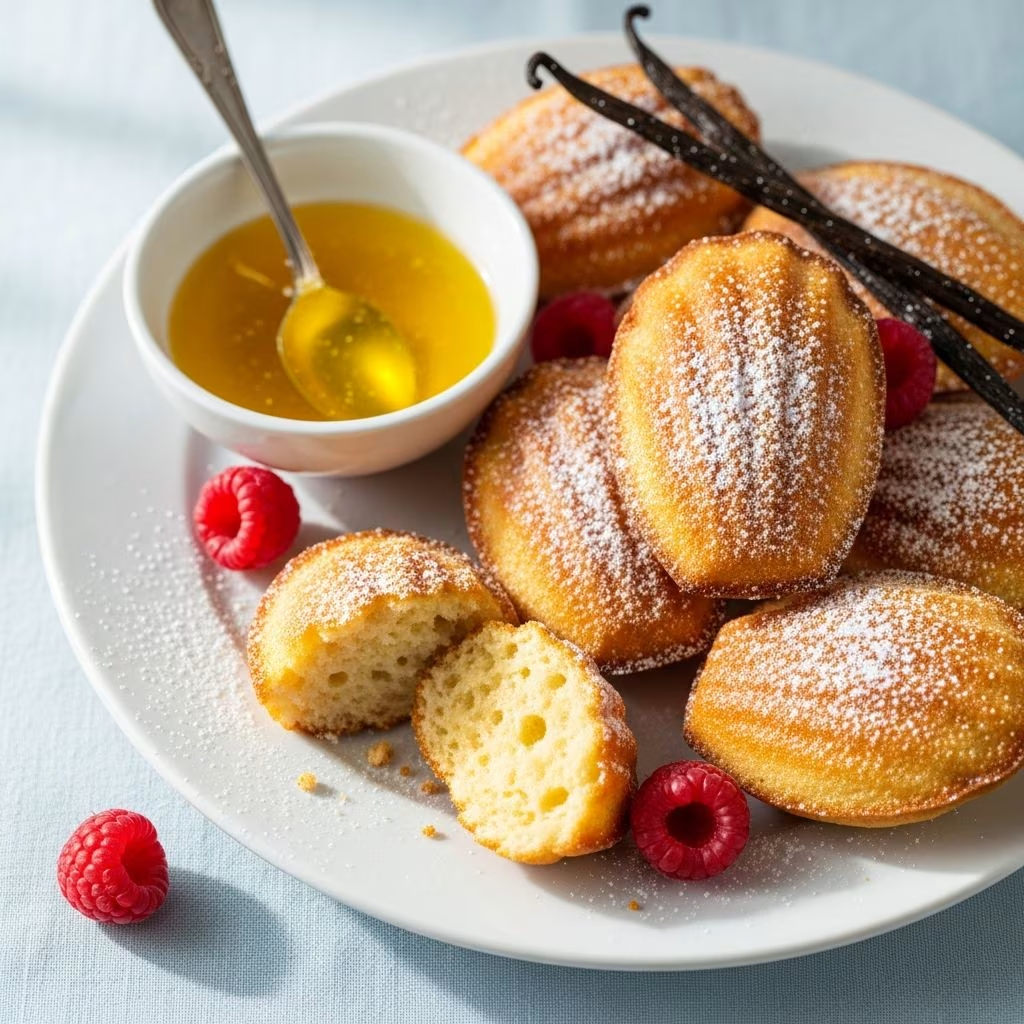
French madeleines are elegant, shell-shaped pastries renowned for their tender crumb, rich butter flavor, and distinctive hump. These bite-sized treats originated in the Lorraine region of France and have captivated bakers worldwide with their simplicity and sophistication. Perfect for tea time, desserts, or gifting, madeleines rely on a few key techniques like proper batter chilling and pan preparation to achieve their signature look.
The Allure of Madeleines in Baking History
Madeleines embody classic French patisserie, blending sponge-like texture with intense buttery notes. Traditionally baked in special molds that create their scalloped shell design, these cakes puff up during baking to form a beautiful dome. Their popularity surged through literary fame, notably in Marcel Proust’s writings, where they evoke deep nostalgia. Today, home bakers recreate this magic using accessible ingredients and methods that yield professional results.
Unlike denser cakes, madeleines strike a balance between lightness and richness, thanks to whipped eggs and browned butter. Mastering them requires attention to details like room-temperature ingredients and precise oven temperatures, but the reward is a batch of golden pastries that melt in your mouth.
Essential Ingredients for Authentic Flavor
The beauty of madeleines lies in their short ingredient list, which amplifies quality components. High-quality unsalted butter forms the backbone, providing moisture and flavor. Eggs contribute structure and lift through aeration, while sugar adds sweetness and tenderness.
Flour and a touch of leavener ensure the proper rise without toughness. Citrus zest or vanilla enhances aroma, preventing a flat taste. Here’s a breakdown of a reliable base recipe serving 24 madeleines:
| Ingredient | Quantity | Purpose |
|---|---|---|
| Unsalted butter, melted and cooled | 1/2 cup (113g) | Richness and tenderness |
| Large eggs, room temperature | 2-3 | Structure and aeration |
| Granulated sugar | 2/3 cup (133g) | Sweetness and moisture |
| All-purpose flour | 1 cup (120g) | Body and crumb |
| Baking powder or baking soda | 1 tsp or 1/2 tsp | Lift for the hump |
| Lemon or orange zest | 1 tsp | Bright flavor |
| Vanilla extract | 1 tsp | Aromatic depth |
Variations might include honey for subtle floral notes or brown sugar for caramel undertones. Always use fresh eggs at room temperature to maximize volume when whipping.
Step-by-Step Guide to Perfect Madeleine Batter
Creating the batter is a precise process that builds lightness and incorporates fat evenly. Start by browning the butter for nutty depth: melt it over medium heat until golden flecks appear, then cool completely to avoid deflating the batter.
- Whip eggs and sugar: Beat until pale, thick, and tripled in volume (ribbon stage, 3-5 minutes). This incorporates air essential for rise.
- Fold in dry ingredients: Sift flour and leavener over the egg mixture. Gently fold in three additions to preserve air without overmixing.
- Incorporate flavors and butter: Stir in zest, vanilla, then gradually add cooled butter. The batter should be smooth but thick enough to hold shape.
- Chill thoroughly: Refrigerate 1-4 hours (or overnight) to relax gluten and chill the batter, promoting the signature hump.
A pro tip: Rub zest into sugar first to release oils, intensifying citrus notes.
Preparing and Filling the Madeleine Pan
A nonstick madeleine pan is crucial for easy release and defined shells. Generously grease with melted butter and dust with flour, tapping out excess. For silicone pans, butter alone suffices.
Preheat oven to 350-375°F (175-190°C). Spoon or pipe heaping tablespoons of chilled batter into each mold, filling 3/4 full—do not spread. The batter spreads naturally during baking. For even results:
- Chill filled pan 10-15 minutes before baking.
- Bake immediately after preheating to capture steam for lift.
- Rotate halfway if your oven has hot spots.
Baking takes 8-12 minutes: initial high heat for hump, then lower if needed. Madeleines are done when edges are golden and centers spring back.
Baking Techniques for the Iconic Hump
The coveted hump forms from thermal shock: cold batter hits a screaming-hot pan, causing rapid expansion. Key factors include:
- Resting time: 30+ minutes chill post-filling contracts batter surface.
- Oven temp: Start at 375°F, drop to 325°F midway.
- Butter quality: Browned butter aids structure.
Freezing filled molds briefly enhances this effect, mimicking professional methods. Cool in pan 5 minutes, then unmold onto a rack. Dust with powdered sugar for elegance.
Storage, Freezing, and Make-Ahead Tips
Fresh madeleines are best within 2 days, stored airtight at room temp. For longer storage:
- Freeze batter: Up to 1 month; thaw overnight before baking.
- Freeze baked: Up to 3 months; thaw and crisp in 350°F oven 3 minutes.
- Room temp: Avoid refrigeration to prevent sogginess.
Make batter ahead for spontaneous baking—flavor deepens overnight.
Creative Variations to Elevate Your Madeleines
While classic lemon-vanilla shines, experiment responsibly:
- Chocolate: Fold in 2 tbsp cocoa and chopped chocolate.
- Matcha: 1 tsp matcha powder in dry ingredients.
- Almond: Add 1/4 tsp extract and almond flour swap (20%).
- Dipped: Melt chocolate for half-dip post-baking.
- Honey-lavender: Infuse butter with herbs.
Adjust sugar/leavener minimally to maintain texture.
Troubleshooting Common Madeleine Mishaps
Even seasoned bakers face issues. Here’s how to fix them:
| Problem | Cause | Solution |
|---|---|---|
| No hump/flat | Insufficient chill or low oven heat | Chill longer; preheat fully |
| Sticking | Poor greasing | Butter + flour generously |
| Dense texture | Overmixed or hot butter | Fold gently; cool butter fully |
| Bitter edges | Browned too long | Watch butter closely |
| Spread too much | Overfilled molds | 3/4 full max |
Test one batch first if new to madeleines.
Pairing Madeleines with Beverages and Desserts
Madeleines pair exquisitely with tea—earl grey complements citrus notes—or coffee for contrast. In desserts, crumble into trifles, ice cream topper, or alongside fruit compote. Dip in chocolate ganache for indulgence.
Frequently Asked Questions (FAQs)
Can I bake madeleines without a special pan?
Yes, use a mini muffin tin, but the shell shape won’t form. Results will be cake-like bites.
Why chill the batter?
Chilling hydrates flour and chills fat, ensuring rise and tender crumb without spreading.
Gluten-free possible?
Substitute 1:1 gluten-free flour blend; add xanthan gum if not included. Test small batch.
How to clean madeleine pans?
Hand wash with warm soapy water; avoid dishwasher to preserve nonstick coating.
Vegan version?
Use aquafaba for eggs, plant butter, and oat milk. Results approximate but lighter.
Nutrition Snapshot (Per Madeleine, Approx.)
Calories: 90 | Fat: 6g | Carbs: 9g | Protein: 1g. Varies by recipe; enjoy in moderation.
References
- Madeleines Recipe: How to Make French Butter Cakes — Mon Petit Four. 2023. https://www.monpetitfour.com/madeleines-recipe/
- Classic French Madeleines Recipe — Baker by Nature. 2022-10-15. https://bakerbynature.com/classic-french-madeleines/
- Classic French Madeleines — Molly J Wilk. 2024. https://www.mollyjwilk.com/classic-french-madeleines/
- Madeleines — RecipeTin Eats. 2023-05-20. https://www.recipetineats.com/madeleines/
- Madeleines (French Butter Cakes) — Just One Cookbook. 2023. https://www.justonecookbook.com/madeleines/
- Madeleines (the Best, Easiest Recipe) — Sugar Spun Run. 2022. https://sugarspunrun.com/madeleines/