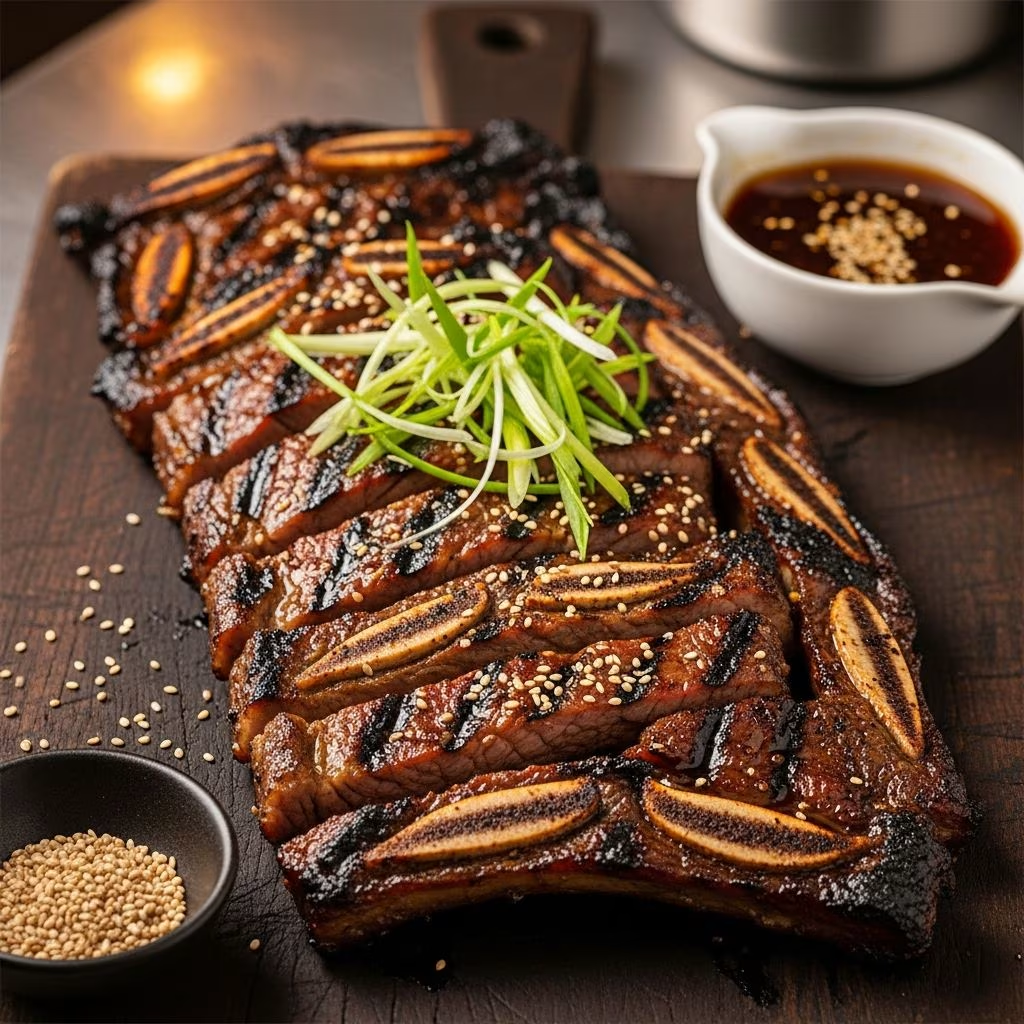
Korean kalbi short ribs represent one of the most beloved preparations in Korean barbecue cuisine, celebrated for their tender texture and complex sweet-savory flavor profile. This dish has become a staple at Korean restaurants worldwide and increasingly popular in home kitchens. The success of kalbi depends on understanding the proper cut of meat, mastering the marinade composition, and employing correct cooking techniques that create a caramelized exterior while maintaining a juicy interior.
Understanding the Proper Meat Selection
The foundation of exceptional kalbi begins with selecting the correct cut of beef. The flanken cut, also known as the cross-cut short rib, is the traditional choice for this preparation. This cut is sliced thin, typically between one-half to three-quarters of an inch thick, which allows the meat to cook quickly while the marinade penetrates effectively. The flanken cut differs from traditional bone-in short ribs used in braising preparations, as it includes the bone running perpendicular through the meat, creating individual rib sections when properly butchered.
Quality beef selection significantly impacts the final dish. Look for meat with good marbling, which indicates fat distribution throughout the muscle. This intramuscular fat bastes the meat during cooking and contributes to tenderness and flavor development. A reputable butcher can provide properly cut flanken-style short ribs, though some specialty markets and Korean grocers often stock pre-cut versions specifically prepared for kalbi.
The Foundation: Crafting the Perfect Marinade
The marinade distinguishes authentic kalbi from simple grilled beef. Traditional Korean kalbi marinade combines several essential components that work synergistically to tenderize the meat and develop complex flavors.
Core Marinade Components
- Soy Sauce: Typically one cup serves as the primary flavor base, providing umami depth and saltiness that seasons the meat throughout the marinating process.
- Brown Sugar: Approximately two-thirds to three-quarters cup adds sweetness and promotes caramelization during grilling. The sugar also helps create a glossy exterior.
- Sesame Oil: Three tablespoons contribute a distinctive nutty aroma and subtle flavor characteristic of Korean cuisine.
- Fruit Enzymatic Components: Asian pears, kiwis, and apples contain natural enzymes that break down protein structures, dramatically accelerating meat tenderization.
- Aromatics: Five to eight cloves of garlic and fresh ginger add pungency and complexity to the flavor profile.
- Additional Seasonings: Rice wine vinegar, honey, salt, and cracked black pepper round out the marinade composition.
The use of fruit in Korean marinades represents a key difference from other grilling preparations. Asian pears, in particular, are traditional in Korean cuisine and contain powerful proteolytic enzymes that soften connective tissue. However, extended marinating with these fruits can over-tenderize the meat, resulting in a mushy texture. Recommendations suggest limiting marinade time to overnight or twenty-four hours maximum when fruit is included.
Preparation Techniques and Marinating Process
Proper marinade preparation ensures even distribution of flavors and optimal enzyme activity. Most modern recipes recommend blending all marinade components until completely smooth, eliminating any chunks or pulp that could cause uneven marinating.
Steps for Marinading Success
- Rinse and thoroughly pat dry all short ribs with paper towels to remove surface moisture.
- Combine all marinade ingredients in a blender and process on high speed until achieving a completely smooth consistency.
- Transfer the finished marinade into a large gallon-sized zip-top bag or flat container.
- Add short ribs individually, ensuring each piece receives adequate marinade coating.
- Remove air from the bag and seal securely.
- Marinate at room temperature for thirty minutes minimum, or refrigerate for several hours to overnight.
- For extended marinating beyond two hours, refrigeration prevents bacterial growth and maintains meat quality.
The thickness of the flanken cut allows relatively quick marinating compared to thicker cuts. Even thirty minutes of marinating imparts noticeable flavor, though longer marinating times develop deeper complexity. The enzymatic action of fruit components peaks around the twelve to twenty-four hour mark before beginning to deteriorate meat texture quality.
Cooking Methods and Temperature Control
Korean kalbi can be prepared using several cooking methods, each producing slightly different results. The choice depends on available equipment and desired flavor outcomes.
Grilling Method
Traditional Korean barbecue restaurants prepare kalbi on tabletop grills, allowing diners to cook their meat while dining. Home grilling produces similar results when proper technique is employed. Preheat the grill to medium-high or high heat, creating an environment that generates immediate caramelization. Remove ribs from the marinade, allowing excess liquid to drain away. Place ribs directly on grates without overlapping, maintaining adequate spacing for even heat exposure. Grill for approximately three to four minutes per side, developing visible char marks and caramelization on both surfaces. Internal temperature should reach one hundred thirty degrees Fahrenheit for medium-rare doneness, though personal preference and thickness variations may require adjustment.
Oven Broiling Method
For those without grill access, oven broiling produces comparable results. Preheat the oven broiler to five hundred fifty degrees Fahrenheit, positioning the oven rack approximately six inches below the heating element. Line sheet pans with aluminum foil and place wire racks on top. Arrange marinated ribs in single layers on the racks, ensuring they do not overlap. Broil for four to six minutes per side, monitoring closely to prevent excessive charring while developing the desired caramelization.
Pan-Searing Method
A cast-iron skillet or heavy-bottomed pan can prepare kalbi when grill or broiler options are unavailable. Heat the pan over medium-high heat with a high flash-point oil such as grapeseed oil. Remove ribs from marinade and pat dry. Sear ribs for three to four minutes per side, developing a golden crust while maintaining a pink center.
Achieving the Perfect Crust and Caramelization
The hallmark of well-prepared kalbi is the caramelized exterior contrasting with the juicy, tender interior. Achieving this requires understanding the Maillard reaction and proper heat management.
The Maillard reaction occurs when proteins and sugars in the marinade interact under high heat, creating hundreds of new flavor compounds and developing the characteristic brown color. The brown sugar and honey in the marinade provide additional substrate for this reaction. However, excessive heat can char the exterior before the interior cooks adequately. Medium-high to high heat typically provides the optimal balance, with cooking times between three and six minutes per side depending on thickness and heat intensity.
Pat marinated ribs dry before cooking to remove surface moisture that interferes with browning. The enzymatic action in the marinade may have loosened surface tissue, creating additional browning potential. Allow the meat to rest for two to three minutes after cooking, allowing residual heat to continue cooking the interior while the exterior sets.
Complementary Side Dishes and Serving Suggestions
Korean kalbi pairs well with numerous accompaniments that balance its richness and enhance the overall dining experience. Grilled vegetables such as zucchini, mushrooms, and Korean perilla leaves (if available) provide textural contrast. A simple sesame glaze prepared with sesame oil, soy sauce, and a touch of sugar complements grilled vegetables effectively.
Serve finished kalbi with steamed white or brown rice, kimchi for fermented complexity, and pickled vegetables for refreshing acidity. Green onions and sesame seeds provide traditional garnishes that add visual appeal and subtle flavor notes.
Troubleshooting Common Issues
Overly Tender or Mushy Texture
Extended marinating with fruit enzymes, particularly beyond twenty-four hours, can over-tenderize the meat. Limit marinating time and monitor the condition of the meat during preparation.
Insufficient Caramelization
Inadequate heat or insufficient cooking time prevents proper browning. Ensure grills reach medium-high to high temperatures before adding meat. Pat ribs dry to facilitate browning.
Uneven Cooking
Ribs of significantly different thicknesses cook at different rates. Arrange similarly-sized pieces together and adjust cooking times as needed.
Nutritional Considerations
A typical serving of Korean kalbi short ribs contains approximately five hundred to six hundred calories, depending on portion size and marbling content. The dish provides substantial protein, iron, and B vitamins from the beef, with additional micronutrients from the aromatics and sesame oil. The relatively high fat content contributes to flavor and tenderness but should be considered in overall dietary planning.
Frequently Asked Questions
- Can kalbi be prepared in advance?
- Yes, marinated kalbi can be refrigerated for up to twenty-four hours before cooking. Remove from refrigeration thirty minutes before grilling to approach room temperature, which promotes even cooking.
- What if Asian pears are unavailable?
- While traditional, Asian pears can be substituted with regular pears, kiwis, or finely grated apples. Each fruit provides slightly different enzymatic properties but achieves similar tenderizing results.
- How should leftover cooked kalbi be stored?
- Refrigerate cooked ribs in an airtight container for up to three days. Reheat gently in a low oven or briefly on a grill to avoid further drying.
- Is marinading overnight necessary?
- No, though it develops more complex flavors. Thirty minutes of marinating produces good results; longer times intensify the sweet-savory profile.
- Can kalbi be frozen?
- Yes, marinated ribs can be frozen in a zip-top bag for up to three months. Thaw overnight in the refrigerator before cooking.
References
- Korean Short Ribs with Ginger Soy Marinade — White on Rice Couple. 2024. https://whiteonricecouple.com/korean-short-ribs-recipe/
- Kalbi Korean BBQ Short Ribs with Video — Hey Grill Hey. 2024. https://heygrillhey.com/kalbi-korean-bbq-short-ribs/
- Oven Braised Korean Beef Short Ribs — Oh Sweet Basil. 2024. https://ohsweetbasil.com/korean-oven-braised-short-ribs-recipe/
- Korean Style Beef Short Ribs — Nut Free Wok. 2024. https://nutfreewok.com/beef-short-ribs/
- Korean BBQ Flanken Short Ribs with Grilled Vegetables — With the Woodruffs. 2024. https://withthewoodruffs.com/korean-bbq-flanken-short-ribs-with-grilled-vegetables/