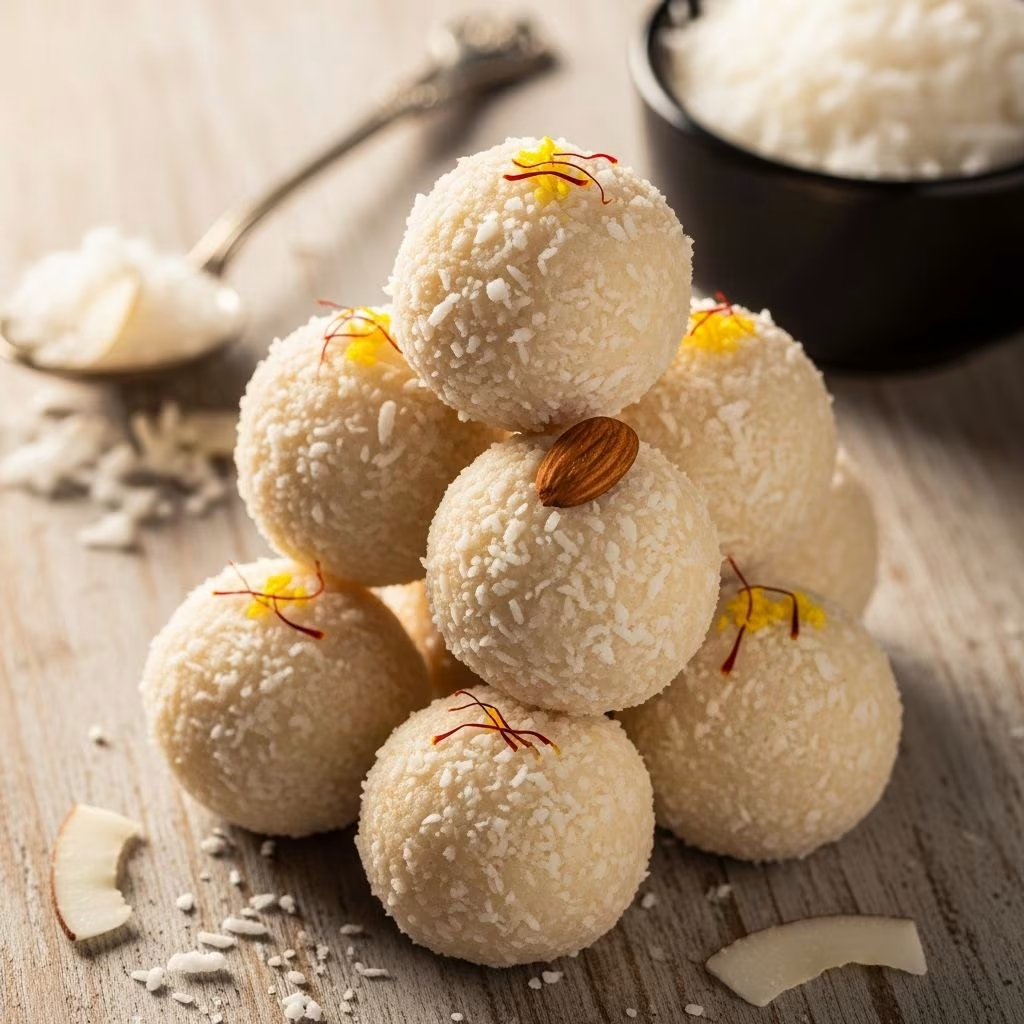
Coconut ladoo represents one of the most cherished confections in Indian cuisine, celebrated across countless festivals and family gatherings throughout the year. These delightful spheres of sweetness combine the tropical essence of coconut with a texture that melts delicately on the palate. What makes these treats particularly appealing to both novice and experienced cooks is their straightforward preparation process, which requires minimal culinary expertise yet yields impressive results. Whether you’re seeking a dessert for a special occasion or simply craving an authentic Indian sweet, coconut ladoo offers an accessible entry point into traditional confectionery.
Understanding Coconut Ladoo: Origins and Cultural Significance
Ladoo, also spelled laddu or laddoo, encompasses a broad category of Indian spherical sweets with roots stretching back centuries. The coconut variant specifically celebrates the tropical ingredient’s versatility and natural sweetness. These confections appear regularly during significant celebrations including Diwali, Navratri, and various religious ceremonies across India and among diaspora communities worldwide. The preparation of ladoo holds cultural weight, often involving family members working together to create batches for distribution among friends and relatives. Beyond their ceremonial importance, coconut ladoos serve as everyday indulgences, requiring no special occasion to justify their preparation.
Essential Ingredients: Building Blocks of Perfection
Creating exceptional coconut ladoo depends fundamentally on selecting quality ingredients and understanding their roles in the final product. The recipes available today span multiple approaches, each with distinct ingredient profiles that yield varying textures and flavor intensities.
Primary Components
- Desiccated Coconut: Fine, dried shredded coconut forms the foundation of these sweets. This ingredient provides both structural integrity and the authentic coconut flavor that defines the confection. Approximately 1.5 to 3.75 cups of desiccated coconut serves as the base for most recipes, depending on the batch size and desired consistency.
- Sweetening Agents: Modern recipes employ multiple sweetening approaches. Condensed milk has emerged as a popular choice for its convenience, eliminating the need for precise sugar syrup preparation. Alternatively, traditional methods utilize granulated sugar combined with milk to achieve the desired sweetness and binding properties. Some recipes incorporate jaggery, an unrefined sugar product that imparts a distinctive depth of flavor while supporting the ladoo’s structural integrity.
- Binding Elements: Milk or condensed milk acts as the critical binding component that unites the dry ingredients into a cohesive mixture. This element ensures the ladoo maintains its shape rather than crumbling apart during storage or handling.
- Fat Component: Ghee or butter contributes richness and aids in shaping the individual ladoos. A small amount applied to hands during molding prevents sticking without introducing excessive moisture.
Optional Flavor Enhancers
- Green cardamom powder adds aromatic complexity and traditional spice notes
- Chopped nuts including almonds, cashews, and pistachios introduce textural contrast and nutritional value
- Dried fruits such as raisins and dates contribute natural sweetness and chewy texture variations
- Pumpkin seeds offer an unexpected crunch and nutritional boost
Preparation Methods: Choosing Your Approach
Contemporary coconut ladoo recipes employ several distinct methodologies, each with particular advantages depending on available equipment and time constraints. Understanding these variations empowers cooks to select the approach best suited to their circumstances.
The Condensed Milk Method
This simplified approach has gained prominence for its forgiving nature and consistency of results. The technique eliminates guesswork surrounding sugar syrup preparation, making it ideal for beginners. The process begins by lightly toasting desiccated coconut in a pan over medium heat for two to three minutes until moisture evaporates. The toasting step proves essential, as it develops coconut flavor and prepares the ingredient for moisture absorption. Once toasting completes, the coconut transfers to a mixing bowl where condensed milk combines gradually, ensuring even distribution throughout the mixture. The resulting blend cooks briefly until reaching a texture that holds together without excessive wetness. The entire mixture preparation typically requires 15 minutes from start to finish.
The Milk and Sugar Method
This traditional approach provides complete control over sweetness levels while producing exceptionally soft ladoos. The technique begins identically with toasting two cups of desiccated coconut until aromatic, taking care to maintain low heat and prevent browning. Four cups of milk heats separately to boiling point, after which the toasted coconut enters the milk. Continuous stirring becomes essential as the mixture cooks, ensuring even milk absorption and preventing burning. The cooking continues until milk is completely absorbed, at which point 3/4 cup sugar incorporates into the mixture. The sugar initially causes the mixture to become watery as moisture releases, but continued stirring over medium heat gradually thickens the preparation. The ladoo mixture eventually pulls away from the pan sides and assumes a shiny, firm appearance, signaling completion.
The Jaggery Variation
This method celebrates traditional sweetening while introducing complex flavor notes absent from refined sugar approaches. After toasting desiccated coconut, chopped jaggery combines with the coconut and softens within approximately two minutes as heat releases. The jaggery gradually melts and combines with the toasted coconut, creating a naturally cohesive mixture. Supplementary moisture proves necessary with dried desiccated coconut, requiring one to two tablespoons of water to achieve proper binding consistency. After incorporating water and achieving proper moisture balance, toasted nuts, raisins, and pumpkin seeds distribute throughout the mixture, followed by ghee for additional richness and moldability.
Preparation Timeline and Equipment Needs
| Preparation Method | Total Time | Active Cooking Time | Cooling Time | Difficulty Level |
|---|---|---|---|---|
| Condensed Milk Method | 20-25 minutes | 10-15 minutes | 5-10 minutes | Beginner-Friendly |
| Milk and Sugar Method | 30-40 minutes | 25-35 minutes | 10-15 minutes | Intermediate |
| Jaggery Variation | 25-35 minutes | 20-30 minutes | 10-15 minutes | Intermediate |
Minimal equipment requirements make coconut ladoo accessible to any home cook. A heavy-bottomed pan or skillet prevents uneven heating and burning. A wooden spoon or silicone spatula facilitates stirring and mixture manipulation. Some cooks find microwave preparation expedient for initial coconut toasting, though stovetop methods offer superior flavor development through heat exposure.
Shaping and Finishing Techniques
The transformation from mixture to finished ladoo requires specific technique to achieve the desired form and texture. After cooking completes, the mixture must cool sufficiently to handle comfortably without causing burns. Patience during this cooling stage proves invaluable, as attempting to shape overly hot mixture results in burned hands and improperly formed ladoos.
Once the mixture reaches a manageable temperature, a light ghee coating on the palms prevents sticking during molding. Taking small portions of the mixture, the cook forms tight, smooth spheres through gentle pressure and rolling motions. The size remains flexible, with most recipes yielding 10-36 individual ladoos depending on portion size and recipe proportions. Some cooks prefer rolling the freshly shaped ladoo in additional desiccated coconut for enhanced presentation and textural contrast. Others leave them plain to showcase the mixture’s natural color and texture.
Storage and Shelf Life Considerations
Properly stored coconut ladoos maintain quality for extended periods, making them practical for advance preparation. Airtight containers placed in cool, dry locations preserve ladoo integrity for up to two weeks at room temperature. For extended storage spanning months, refrigeration or freezing proves effective, though texture modifications occur gradually during cold storage. Many cooks prefer consuming ladoos within one week of preparation when texture and flavor remain optimal.
Troubleshooting Common Challenges
Excessive Dryness
When finished ladoos crumble or feel dry, inadequate binding moisture caused the problem. Future batches benefit from slightly increased milk or condensed milk quantities. Additionally, removing the mixture from heat slightly earlier, while still maintaining adequate coherence, prevents over-drying through extended cooking.
Excessive Stickiness
Overly sticky mixtures that resist proper molding indicate surplus moisture. This commonly results from insufficient cooking time or excessive condensed milk addition. Resolving sticky batches requires returning the mixture to gentle heat for additional cooking until proper thickness develops. Additionally, liberal ghee application to hands eases shaping even with slightly sticky preparations.
Uneven Flavor Distribution
When optional ingredients like nuts or cardamom fail to distribute evenly, thorough mixing immediately after addition prevents this issue. Ensuring all mixture reaches consistent color and texture before molding guarantees uniform flavor in finished ladoos.
Creative Variations and Modern Adaptations
While traditional recipes emphasize coconut’s pure flavor, contemporary variations expand possibilities. Incorporating almond powder creates a sophisticated nuttiness. Coconut extract intensifies tropical notes for those favoring bold coconut flavor. Mango powder or rose water introduces unexpected flavor dimensions. Dark chocolate coating transforms plain ladoos into more decadent confections suitable for special presentations. Experimenting with these variations allows cooks to personalize recipes while maintaining the essential preparation methodology.
Nutritional Considerations and Dietary Adaptations
Coconut ladoos derive calories primarily from coconut fat, with additional sugars from sweetening agents. One standard-sized ladoo typically contains 80-120 calories depending on size and specific recipe. For health-conscious preparations, reducing sugar quantities or incorporating sugarless sweetening agents offers alternatives, though texture modifications may occur. Those avoiding dairy can experiment with coconut milk substitutions, though results differ substantially from traditional preparations.
Frequently Asked Questions
How many ladoos does a typical recipe yield?
Recipe yields vary significantly, ranging from 10 to 36 individual ladoos depending on ingredient quantities and desired portion size. Smaller ladoos proportionally produce higher quantities from identical mixture volumes.
Can coconut latoos be made in advance for events?
Yes, ladoos prepare well in advance when stored properly in airtight containers. Making them several days before events allows cooks to manage preparation time more effectively during busy periods.
What texture should the finished mixture possess?
The completed mixture should feel moist yet cohesive, holding together when pressed without excessive wetness that causes stickiness. If properly cooked, the mixture should hold its shape when squeezed gently.
Is condensed milk essential for successful preparation?
While condensed milk simplifies preparation significantly, traditional recipes using milk and sugar produce equally successful results. The condensed milk method offers convenience particularly valued by beginners.
How should cardamom be incorporated?
Cardamom powder adds most effectively when stirred into the mixture immediately after cooking completes or during the cooling phase, ensuring even distribution and preventing texture disruption.
References
- Coconut Ladoo Recipe with Condensed Milk — Spice Up The Curry. Accessed April 2026. https://www.spiceupthecurry.com/coconut-ladoo-recipe-with-condensed-milk/
- Easy Coconut Ladoo — Shivani Loves Food. Accessed April 2026. https://shivanilovesfood.com/coconut-ladoo/
- Soft Coconut Ladoo | J Cooking Odyssey — J Cooking Odyssey. Accessed April 2026. https://www.jcookingodyssey.com/coconut-ladoo-recipe/
- Coconut Ladoo Recipe (With Jaggery, No Syrup) — Sinfully Spicy. Accessed April 2026. https://sinfullyspicy.com/coconut-ladoo-recipe-with-jaggery-no-need-to-make-syrup/
- Coconut Ladoo (Microwave & Stovetop Recipe) — Spice Cravings. Accessed April 2026. https://spicecravings.com/coconut-ladoo-microwave-coconut-fudge
- Coconut Ladoo with Dried Coconut & Condensed Milk — Yellow Thyme. Accessed April 2026. https://www.yellowthyme.com/coconut-ladoo/