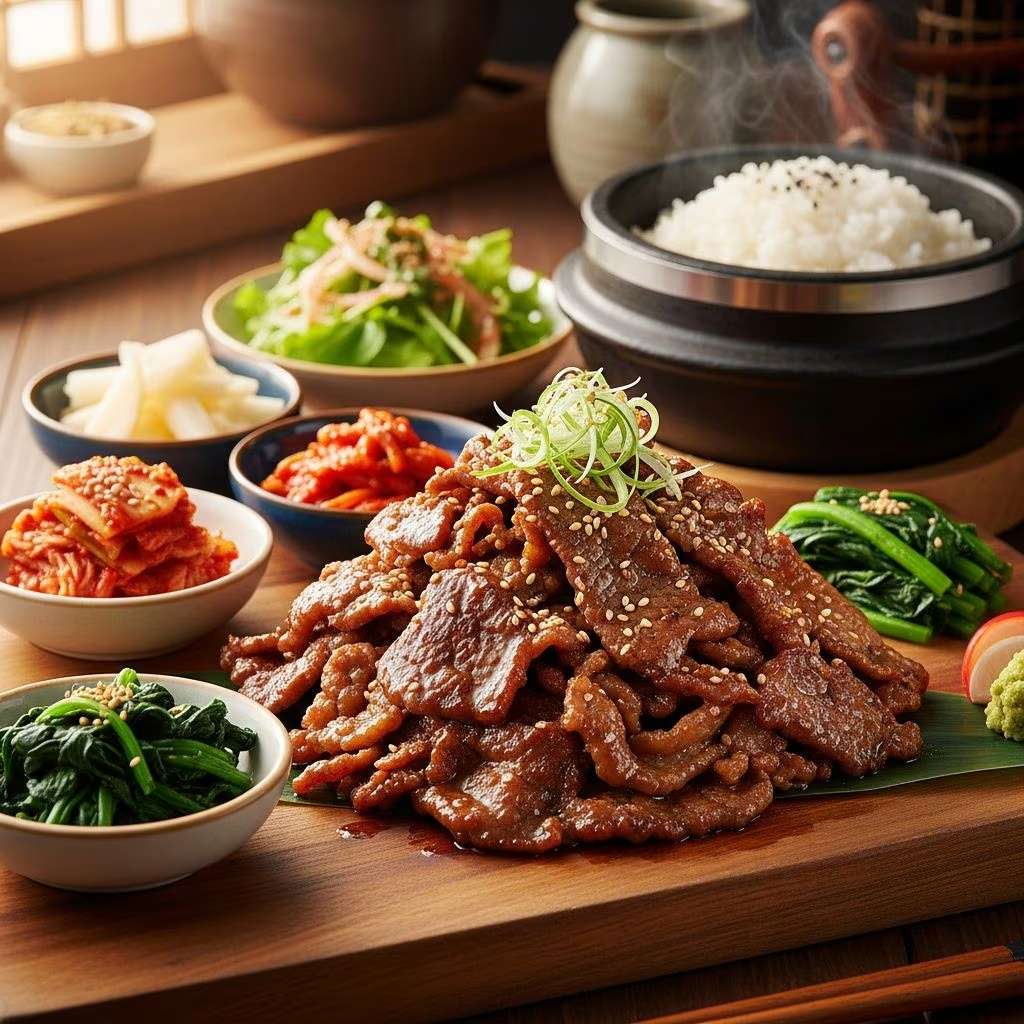
Korean beef bulgogi represents one of the most beloved dishes in Korean cuisine, celebrated for its perfect balance of sweet, savory, and umami flavors combined with tender, succulent meat. This iconic grilled beef preparation has become a staple at Korean BBQ restaurants worldwide, yet with proper technique and understanding of the fundamentals, you can recreate this restaurant-quality dish in your own kitchen. The key to exceptional bulgogi lies not in complicated procedures, but in understanding how each component—from meat selection to marinade composition to cooking temperature—works together to create a harmonious final dish.
Understanding Bulgogi: The Foundation
Bulgogi, which translates to “fire meat” in Korean, is a preparation method rather than a specific cut of beef. The dish features thinly-sliced meat that has been marinated in a carefully balanced sauce before being cooked quickly over high heat or on a grill. The cooking method creates a caramelized exterior while maintaining a tender, juicy interior—a textural contrast that defines excellent bulgogi.
The beauty of this dish extends beyond taste; it represents an efficient cooking method where thin slicing allows the marinade to penetrate the meat quickly, reducing prep time while maximizing flavor absorption. Understanding this principle helps explain why bulgogi differs from other marinated beef preparations and why specific techniques produce superior results.
Selecting the Optimal Beef Cut
Beef selection fundamentally impacts your bulgogi outcome. The ideal cuts are premium, tender options that can be sliced thinly without crumbling or falling apart during cooking. The most commonly recommended cuts include ribeye, top sirloin, and tenderloin, each offering distinct advantages.
Ribeye provides excellent marbling, which contributes fat content that keeps the meat moist during the quick cooking process. The intramuscular fat also enhances flavor development when exposed to high heat. Top sirloin offers a leaner option while maintaining adequate tenderness, making it suitable for those preferring less fat. Tenderloin represents the most tender option, though it contains less marbling than ribeye, requiring careful attention during cooking to avoid drying out.
Purchase beef in quantities appropriate for your gathering—typically 1.5 to 2 pounds serves four people generously. Request that your butcher slice the meat to approximately 2-3mm (roughly 1/8 inch) thickness, or purchase a whole steak and slice it yourself after partial freezing for easier cutting.
The Freezing Technique
If slicing meat yourself, wrap the beef steak in plastic wrap and place it in the freezer for approximately 30 minutes. This partial freezing firms the meat just enough to enable clean, uniform slices without fully freezing the interior. Remove the steak from the freezer, unwrap it, and slice across the grain using a sharp knife, maintaining consistent thickness throughout.
Crafting the Perfect Marinade
The marinade forms the flavor foundation of bulgogi, combining sweet, salty, savory, and aromatic elements in proportions that create balance rather than overwhelming any single flavor. While recipes vary, the core components remain relatively consistent across authentic preparations.
Marinade Components and Their Functions
| Ingredient | Primary Function | Typical Quantity (for 1.5-2 lbs beef) |
|---|---|---|
| Soy Sauce | Provides umami depth and saltiness | 1/4 to 1/3 cup low-sodium |
| Brown Sugar | Adds sweetness and aids caramelization | 2 to 3 tablespoons |
| Sesame Oil | Contributes nutty aroma and richness | 2 to 3 tablespoons |
| Garlic | Adds pungent savory notes | 3 to 4 cloves, minced |
| Pear or Apple | Provides sweetness and natural enzymes for tenderization | 1/2 medium fruit, grated |
| Fresh Ginger | Adds warmth and subtle spice | 1 to 2 tablespoons, grated |
| Gochujang (optional) | Introduces heat and fermented complexity | 1 tablespoon |
Soy sauce serves as the marinade’s backbone, providing salt and deep umami compounds that penetrate the meat fibers. Low-sodium varieties offer better control over final salt levels. Brown sugar contributes sweetness that balances the sauce’s savory elements while creating the characteristic caramelized crust during cooking. Sesame oil, used in toasted form, imparts a distinctive nutty aroma that defines Korean beef preparations. This ingredient should never be heated directly but rather added to the room-temperature marinade or mixed with beef separately to preserve its aromatic qualities.
The addition of Asian pear or red apple serves a dual purpose: it adds subtle sweetness while containing natural enzymes that gently break down muscle fibers, promoting tenderness. Fresh ginger introduces warming spice notes that complement the other flavors, while gochujang (Korean red pepper paste) adds heat and fermented complexity for those preferring spicier preparations.
Preparation Method
Combine all marinade components in a medium bowl, whisking thoroughly until the brown sugar dissolves completely. Some cooks prefer blending the marinade—particularly if using fresh pear—to create a smoother consistency that coats the meat more evenly. If blending, use a food processor to achieve a uniform texture, then transfer to your marinating vessel.
Pour the prepared marinade over the thinly sliced beef in a large bowl or resealable plastic bag. Using your hands (optionally wearing food-prep gloves), massage the marinade into the meat, ensuring all surfaces receive even coverage. This hands-on approach helps break down muscle fibers slightly while distributing flavors uniformly.
The Marinating Process
After coating the beef thoroughly with marinade, transfer the mixture to the refrigerator. Minimum marinating time is approximately 30 minutes to 2 hours, depending on your timeline and flavor intensity preferences. Two hours represents the sweet spot for most home cooks, allowing sufficient flavor penetration without over-marinating, which can cause the meat to become mushy.
For enhanced flavor development, marinate overnight, which intensifies the taste while maintaining meat texture. During marinating, occasionally turn the bag or stir the mixture with a spoon to ensure even flavor distribution. The cold temperature slows enzymatic breakdown while allowing salt and other compounds to diffuse into the meat structure.
Do not add sesame oil to the marinade if you prefer maximum sauce absorption into the meat. Instead, add it directly to the beef after marinating, just before cooking. This approach prevents the oil from creating a barrier that inhibits marinade penetration.
Cooking Techniques for Superior Results
Cooking bulgogi requires high, direct heat and quick cooking times to achieve the characteristic caramelized exterior while preserving the tender, moist interior. Multiple cooking methods produce excellent results, each with distinct advantages.
Cast-Iron Skillet Method
Preheat a cast-iron skillet or grill pan over high heat until it reaches smoking temperature, approximately 2-3 minutes. Add a thin layer of neutral oil (canola, vegetable, or rice bran) to prevent sticking. Working in single-layer batches to avoid overcrowding, carefully place marinated beef slices onto the hot surface. Allow them to cook undisturbed for approximately 2-3 minutes, developing a caramelized crust, then flip and cook the opposite side for another 1-2 minutes until the meat reaches your preferred doneness.
The high heat causes the marinade’s sugar content to caramelize, creating flavorful browning while the thin slices cook through quickly, preventing moisture loss. If your pan becomes too crowded, meat steams rather than sears, yielding pale, less flavorful results.
Outdoor Grill Method
Preheat your outdoor grill to high heat, approximately 400-450°F. Oil the grill grates to prevent sticking. Place marinated beef slices directly on the hot grates, cooking 2-3 minutes per side for medium doneness. The grill’s intense heat and smoke circulation create exceptional flavor development through the Maillard reaction, producing the smoky notes characteristic of traditional Korean BBQ restaurants.
Temperature and Doneness
Bulgogi is typically served medium-rare to medium, where the meat remains pink inside while the exterior develops a rich brown crust. Cooking beyond medium risks drying out the thin slices, as their reduced mass means residual heat quickly brings interior temperatures past your target. Use a meat thermometer if desired—medium-rare registers approximately 130-135°F, while medium reaches 135-145°F.
Finishing and Serving
Once cooked, transfer bulgogi to a serving plate and immediately garnish with toasted sesame seeds and finely chopped green onions or scallions. These garnishes add textural contrast and fresh onion brightness that complements the rich, caramelized beef.
Serve bulgogi immediately while still warm, traditionally accompanied by steamed white rice and lettuce leaves. The classic serving method involves wrapping small portions of bulgogi and rice in a lettuce leaf, adding a dollop of ssamjang (Korean dipping sauce), and folding before eating. This interactive serving style creates customizable flavor combinations while adding textural variety through the crisp, fresh lettuce.
Common Questions About Bulgogi
Frequently Asked Questions
Can I make bulgogi ahead of time? Yes, prepare the marinated beef up to one day in advance and refrigerate. Cook just before serving for optimal texture and temperature. Cooked bulgogi may be refrigerated for up to three days and reheated gently in a skillet.
What if I don’t have gochujang? Gochujang adds heat and fermented complexity but isn’t essential. Omit it for milder bulgogi, or substitute with sriracha or another hot sauce, though the flavor profile will differ slightly.
Can vegetarian cooks prepare bulgogi? While traditional bulgogi uses beef, mushrooms—particularly shiitake or oyster varieties—can be marinated in the same sauce and cooked using identical methods, producing a satisfying vegetarian adaptation.
How do I prevent the meat from drying out? Avoid overcooking by using thin, uniform slices and monitoring internal temperatures. High heat combined with quick cooking prevents moisture loss. Remove meat from heat while still slightly underdone, as residual heat continues cooking.
Is there a difference between bulgogi and galbi? Yes. Bulgogi uses thinly sliced beef cooked quickly, while galbi features short ribs marinated identically but with longer, slower cooking to develop deeper caramelization.
Troubleshooting Tips
If your bulgogi turns out tough or chewy, you likely over-marinated or cooked the meat at too-low temperature. Ensure adequate heat and cook thin slices quickly—overcooking is the primary culprit behind textural issues.
Insipid, flavorless bulgogi typically results from insufficient marinating time. Two hours represents minimum; overnight marinating intensifies flavors substantially. Also verify your soy sauce hasn’t expired, as oxidized soy loses aromatic compounds.
If the marinade is excessively salty, reduce soy sauce quantity slightly in future batches or use low-sodium versions exclusively. Sugar should balance salt—if sweetness dominates, reduce brown sugar incrementally.
Conclusion
Creating exceptional Korean beef bulgogi at home requires understanding each component’s role and respecting fundamental cooking principles rather than following rigid recipes. By selecting premium beef cuts, carefully balancing marinade components, allowing adequate marinating time, and cooking at high temperatures with quick timing, you can produce bulgogi rivaling professional Korean BBQ restaurants. The combination of sweet, savory, and umami flavors, enhanced by the caramelized exterior and tender interior, makes bulgogi an impressive yet accessible dish for entertaining or weeknight dinners. With these techniques mastered, bulgogi becomes a reliable foundation for developing confidence with Korean cooking more broadly.
References
- Korean Beef Bulgogi — Damn Delicious. 2019-04-21. https://damndelicious.net/2019/04/21/korean-beef-bulgogi/
- Bulgogi (Korean BBQ Beef) — My Korean Kitchen. 2023-07-06. https://mykoreankitchen.com/bulgogi-korean-bbq-beef/
- Easy Bulgogi (Mak-bulgogi) — Maangchi. 2023-07-06. https://www.maangchi.com/recipe/easy-bulgogi
- Easy Beef Bulgogi Recipe — Momsdish. https://momsdish.com/korean-beef-bulgogi