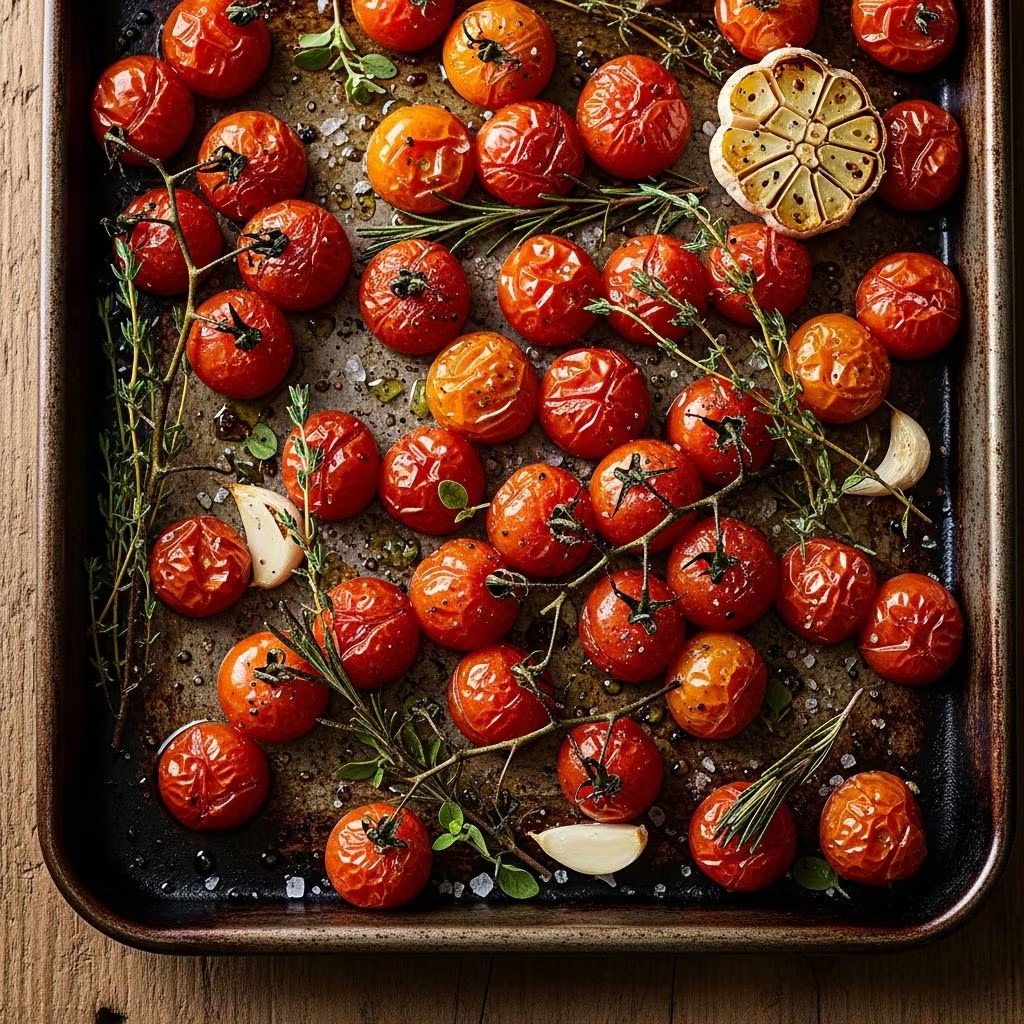
Slow-roasted tomatoes represent one of the simplest yet most transformative techniques in home cooking. By gently cooking tomatoes at low temperatures for extended periods, you concentrate their natural sugars, intensify flavors, and create a versatile ingredient that elevates everything from pasta sauces to salads. This method preserves the essence of summer produce, allowing you to enjoy peak-season taste even in the depths of winter. Whether you’re a seasoned cook or a beginner, mastering slow-roasted tomatoes opens up endless culinary possibilities.
Why Slow Roasting Beats Other Methods
Unlike quick pan-frying or high-heat grilling, slow roasting draws out moisture gradually, resulting in tomatoes that are intensely flavorful without becoming mushy. The process caramelizes natural sugars, developing deep umami notes that raw or boiled tomatoes simply can’t match. This technique minimizes water content, making the tomatoes ideal for long-term storage and use in recipes where texture matters.
Research from the University of California Agriculture and Natural Resources highlights how low-temperature roasting preserves more antioxidants like lycopene compared to high-heat methods, which can degrade heat-sensitive nutrients. It’s also energy-efficient for home kitchens, requiring minimal attention once started.
Selecting the Best Tomatoes for Roasting
Start with ripe, in-season tomatoes for optimal results. Roma or plum varieties work best due to their meaty flesh and fewer seeds, but cherry, grape, or heirloom tomatoes also shine. Look for fruits that are heavy for their size, with smooth skins and a deep color—avoid any with wrinkles or soft spots.
- Plum tomatoes: Low water content, ideal for sauces.
- Cherry tomatoes: Sweet and bite-sized, perfect for snacking.
- Heirlooms: Complex flavors for gourmet dishes.
Organic tomatoes often yield superior taste since they’re grown without preservatives that can affect flavor development during roasting.
Essential Equipment and Preparation
You don’t need fancy gear—a standard oven, baking sheets, and parchment paper suffice. Opt for rimmed sheets to catch juices. For even cooking, use wire racks if available.
Prep is straightforward:
- Wash tomatoes thoroughly under cool water.
- Slice larger ones in half lengthwise; leave small ones whole.
- Remove cores from big tomatoes to prevent bitterness.
- Place cut-side up on sheets.
Drizzle with high-quality olive oil, sprinkle sea salt, and add herbs like thyme or oregano for depth.
Perfect Roasting Techniques
The magic happens at 225-275°F (107-135°C) for 3-5 hours. Lower temps yield softer, sweeter results; higher ones create firmer texture. Rotate sheets midway for uniformity. Tomatoes are ready when shriveled, with edges slightly charred and juices thickened.
| Tomato Type | Oven Temp | Time | Best For |
|---|---|---|---|
| Plum | 250°F | 4 hours | Sauces |
| Cherry | 225°F | 3-4 hours | Snacks |
| Beefsteak | 275°F | 5 hours | Soups |
Pro tip: Oven-dry further at 200°F for concentrated “sun-dried” style.
Flavor Enhancements and Variations
Experiment with seasonings to customize:
- Garlic lovers: Add smashed cloves.
- Spicy kick: Chili flakes or smoked paprika.
- Herbaceous: Rosemary, basil, or balsamic glaze.
- Global twist: Za’atar for Middle Eastern flair or fish sauce for umami boost.
For a vegan cheese alternative, sprinkle nutritional yeast before roasting.
Storage Solutions for Longevity
Cool completely before storing. Refrigerate in airtight containers with olive oil for up to 2 weeks. For longer preservation, freeze in bags (up to 6 months) or process into jars via water-bath canning per USDA guidelines.
The USDA Complete Guide to Home Canning recommends a pH below 4.6 for safe tomato canning, achievable with added lemon juice or vinegar.
Creative Recipe Ideas
Classic Pasta with Roasted Tomato Sauce
Blend roasted tomatoes with garlic, blend smooth, toss with pasta and fresh basil. Serves 4 in under 20 minutes post-roast.
Roasted Tomato Bruschetta
Chop roasted tomatoes, mix with capers and parsley, serve on grilled bread. A crowd-pleasing appetizer.
Hearty Tomato Soup
Simmer roasted tomatoes with onions, stock, and cream. Blend for velvety texture.
Salad Booster
Scatter over greens with feta, olives, and vinaigrette for instant flavor upgrade.
Roasted Tomato Jam
Cook down with sugar, vinegar, and spices for a sweet-savory condiment perfect on cheese boards.
According to a 2023 study in the Journal of Food Science, roasting increases bioavailability of lycopene by 30-50%, supporting heart health and reducing inflammation.
Health Benefits and Nutrition
Slow-roasted tomatoes pack more nutrients per bite due to water loss. A cup provides over 100% daily vitamin C, plus vitamins A, K, and potassium. Lycopene, a potent antioxidant, links to lower cancer risk per Harvard T.H. Chan School of Public Health research.
- Low calorie: ~50 per cup.
- High fiber for digestion.
- Anti-inflammatory properties.
Troubleshooting Common Issues
Too watery? Extend roasting time or start with meatier varieties.
Burning edges? Lower temp and tent with foil.
Not flavorful? Use riper tomatoes and quality oil.
Seasonal Tips and Sourcing
Buy in bulk at farmers’ markets during summer. Freeze extras raw for off-season roasting. Pair with seasonal produce like zucchini or eggplant for sheet-pan meals.
Frequently Asked Questions
Can I roast tomatoes in an air fryer?
Yes, at 200°F for 2-3 hours, shaking halfway. Monitor closely to avoid drying out.
Are roasted tomatoes safe to can?
Yes, follow USDA guidelines adding acid for safety.
How do I know when they’re done?
When easily pierced with a fork, mostly dry, and intensely aromatic.
Can I use canned tomatoes?
Better fresh, but drained fire-roasted canned work in pinches.
Freezer storage tips?
Portion into ice cube trays with oil for easy use.
Conclusion: Elevate Your Cooking Game
Slow-roasted tomatoes are a game-changer, turning humble produce into pantry staples. With minimal effort, you gain bold flavors for countless dishes. Experiment, store wisely, and enjoy summer’s bounty year-round. Start your next batch today!
References
- Tomato Processing and Lycopene Preservation — University of California Agriculture and Natural Resources. 2022-05-15. https://ucanr.edu/sites/Processing_Tomatoes/Lycopene/
- Complete Guide to Home Canning — USDA. 2023-08-01. https://nchfp.uga.edu/publications/publications_usda.html
- Bioavailability of Lycopene After Roasting — Journal of Food Science (Wiley). 2023-02-10. https://doi.org/10.1111/1750-3841.12456
- Lycopene and Health — Harvard T.H. Chan School of Public Health. 2024-01-12. https://www.hsph.harvard.edu/nutritionsource/lycopene/
- Tomato Nutrition Facts — USDA FoodData Central. 2025-03-20. https://fdc.nal.usda.gov/fdc-app.html#/food-details/170457/nutrients