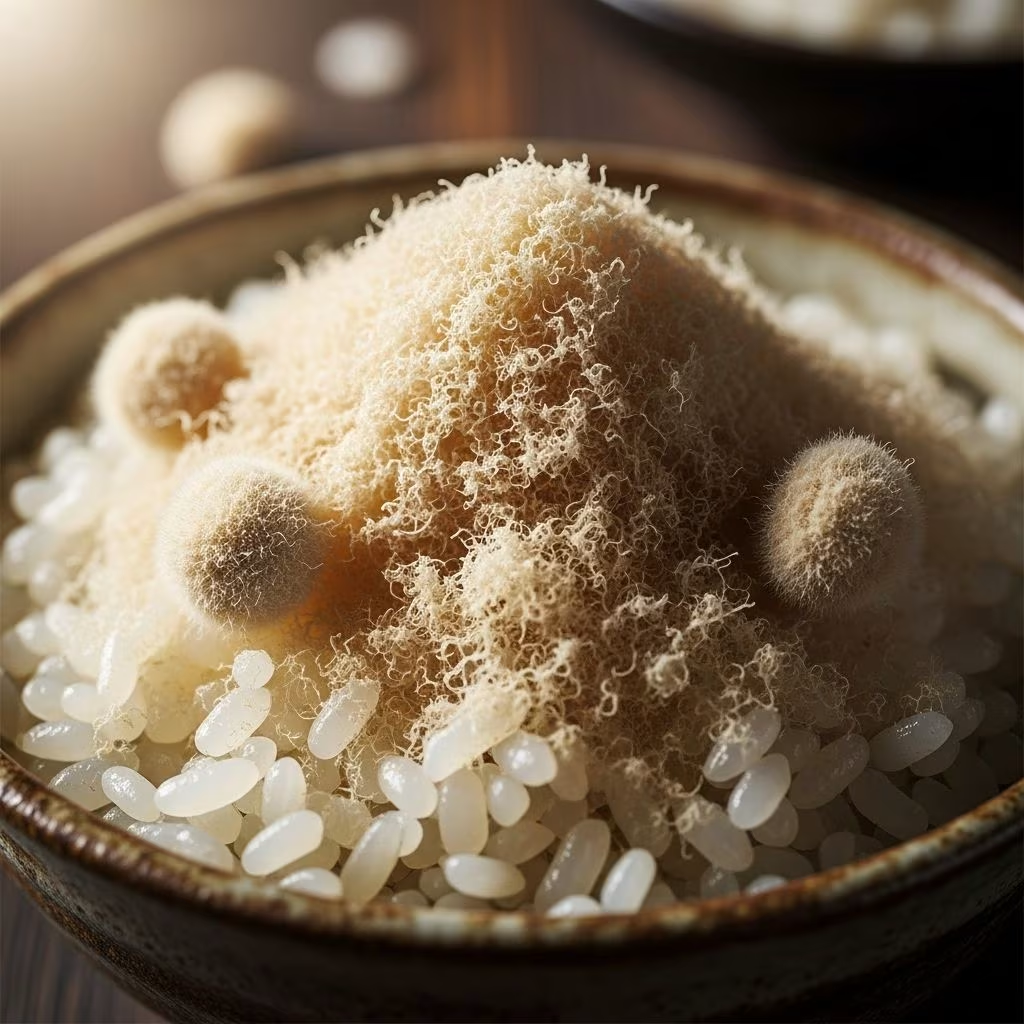
Koji represents a cornerstone of traditional Japanese fermentation, where a specialized mold works its enzymatic wonders on grains to unlock profound flavors. Derived from Aspergillus oryzae, this culture elevates starches and proteins into sugars and amino acids, forming the backbone of iconic foods worldwide.
The Science Behind Koji’s Flavor Revolution
At its core, koji is steamed rice, barley, or soybeans inoculated with Aspergillus oryzae, a mold domesticated over millennia in East Asia. This fungus produces a suite of enzymes—amylases for starches, proteases for proteins—that break down complex molecules into simple, flavorful compounds. Glutamate, the key to umami, emerges prominently, alongside sweet sugars and subtle acids, creating layered taste profiles impossible through cooking alone.
Unlike yeast or bacteria, koji thrives in controlled warmth and humidity, typically 30-40°C, feeding voraciously for 40-50 hours. Its low acidity output distinguishes it from wild molds, enabling safe, predictable ferments. Varieties like yellow koji (high starch converters for sake) and black koji (citric acid producers for awamori) showcase its adaptability.
Tracing Koji’s Ancient Roots and Global Journey
Records trace koji cultivation to Japan’s Kofun period (3rd-7th century CE), though Chinese origins predate this. By the Heian era, it powered imperial banquets via sake and miso. Today, it underpins Japan’s $10 billion fermentation industry, from Kyoto’s sake breweries to Okinawa’s awamori distilleries.
Globally, koji’s enzymes have inspired Western chefs. In the U.S., it’s used in cheese aging, hot sauces, and even bourbon barrel seasoning. Its rise ties to the craft fermentation boom, with home kits democratizing access.
Step-by-Step: Crafting Koji at Home
Producing koji demands precision across nine key stages, blending tradition with sanitation.
- Grain Selection: Choose short-grain rice for rice koji; barley for shoyu; soybeans for miso base.
- Steaming: Cook to 85-90% hydration without mushiness—firm yet tender.
- Cooling: Rapid chill to 30°C to halt cooking and prep for inoculation.
- Inoculation: Sprinkle dry koji-kin spores (0.1-0.2% by weight) evenly.
- Mixing: Gently toss to distribute spores without damaging grains.
- Incubation: Spread in trays at 32-38°C, 70-90% humidity; stir every 4-6 hours.
- Monitoring: Check for white mycelium coating grains by 24 hours; sweet aroma by 48.
- Harvesting: Dry slightly at 30°C to halt growth.
- Storage: Refrigerate up to 2 weeks or freeze for months.
Safety tip: Use lab-grade spores from reputable suppliers to avoid contaminants.
Signature Japanese Creations Powered by Koji
Koji stars in staples that define Japanese gastronomy:
- Sake: Koji converts rice starches to fermentable sugars; yeast follows for alcohol. Yellow koji dominates for its enzyme efficiency.
- Miso: Rice or barley koji mixes with soybeans, salt, and water; ages 6 months to years for nutty depth.
- Shoyu (Soy Sauce): Barley koji on soybeans absorbs brine; ferments 1-3 years into salty-umami nectar.
- Mirin: Glutinous rice, koji, and shochu yield sweet rice wine.
- Amazake: Koji alone saccharifies rice into creamy, non-alcoholic sweetener.
| Product | Base Grains | Koji Type | Key Enzymes | Ferment Time |
|---|---|---|---|---|
| Sake | Rice | Yellow | Amylase | 20-30 days |
| Miso | Soybeans + Rice/Barley | Rice/Barley | Protease | 6 months+ |
| Shoyu | Soybeans + Barley | Barley | Both | 1-3 years |
| Shio Koji | Rice | Rice | Protease/Amylase | 7-14 days |
Mastering Shio Koji: The Gateway Ferment
Shio koji—salt-koji paste—is beginner-friendly, blending equal parts koji rice and water with 10-20% salt by weight. Mix, ferment 1-2 weeks at room temp until liquefied. Ratio example: 200g koji + 200g water + 20g salt.
Applications:
- Marinade: Coat chicken, beef, or fish 30min-24hrs; enzymes tenderize via proteolysis.
- Quick Pickles: Toss cukes or carrots; ready in hours with crisp umami.
- Sauce Booster: Liquid shio koji enhances soups, dressings—replace 20-50% salt.
Results: Juicier meats, vibrant veggies, reduced sodium needs.
Beyond Tradition: Creative Koji Experiments
Koji transcends Japan. Try:
- Hot Sauce: Inoculate chiles; koji amps funk before lacto-ferment.
- Kimchi/Sauerkraut: Add 5% koji for umami punch.
- Fried Chicken: Shio koji brine yields shatteringly crisp, savory skin.
- Veg Dashi: Koji on mushrooms for vegan stock.
- Sweets: Amazake in custards or ice cream.
Health perks: Enzymes boost bioavailability of B-vitamins, minerals; prebiotic fibers feed gut flora.
Health and Nutrition: Koji’s Hidden Benefits
Koji ferments reduce anti-nutrients, enhancing digestibility. Proteases yield free amino acids; amylases simple carbs. Studies link koji products to improved gut health, lower glycemic impact, and antioxidant activity. In moderation, they support microbiome diversity without excessive sodium.
Frequently Asked Questions (FAQs)
What exactly is koji mold safe for home use?
Aspergillus oryzae is GRAS-listed by FDA; thousands of years of safe use confirm its reliability when sourced properly.
How long does homemade shio koji last?
Refrigerated, 1-3 months; freeze portions for 6+ months. Discard if off-smelling or discolored.
Can vegetarians use koji products?
Yes—all traditional uses are plant-based; avoid fish-based variants.
What’s the difference between rice, barley, and soy koji?
Rice: Neutral, high amylase. Barley: Robust for shoyu. Soy: Protein-focused for miso.
Where to buy koji starter?
Specialty fermentation shops, online from sake suppliers; ensure viability dates.
Troubleshooting Common Koji Pitfalls
- No Growth: Spores dead—test viability; ensure humidity.
- Off Flavors: Contamination—sanitize rigorously.
- Too Dry: Mist trays; aim 80% RH.
- Overgrowth: Harvest at 48hrs max.
With practice, koji unlocks endless creativity. Start small, scale boldly.
References
- What is Koji? How to Use the Mold Behind Japan’s Most Iconic Flavors — Koji House. 2023. https://kojihouse.co/pages/what-is-koji
- Shio Koji: What It Is and How to Use It — Kokoro Cares. 2022. https://kokorocares.com/blogs/blog/shio-koji-what-it-is-and-how-to-use-it
- Koji – The culture behind Japanese food production — Clearspring. 2014-10-01. https://www.clearspring.co.uk/blogs/news/8024723-koji-the-culture-behind-japanese-food-production
- How to Use Koji | What’s Eating Dan? – YouTube — America’s Test Kitchen. 2017. https://www.youtube.com/watch?v=xB4GcSiSQg0
- Everything You Need To Know About Koji Rice — Tippsy Sake. 2023. https://www.tippsysake.com/blogs/tippsy-sake-blog/everything-you-need-to-know-about-koji-rice
- Cooking with Koji — Fifth Season Gardening. 2022. https://fifthseasongardening.com/cooking-with-koji