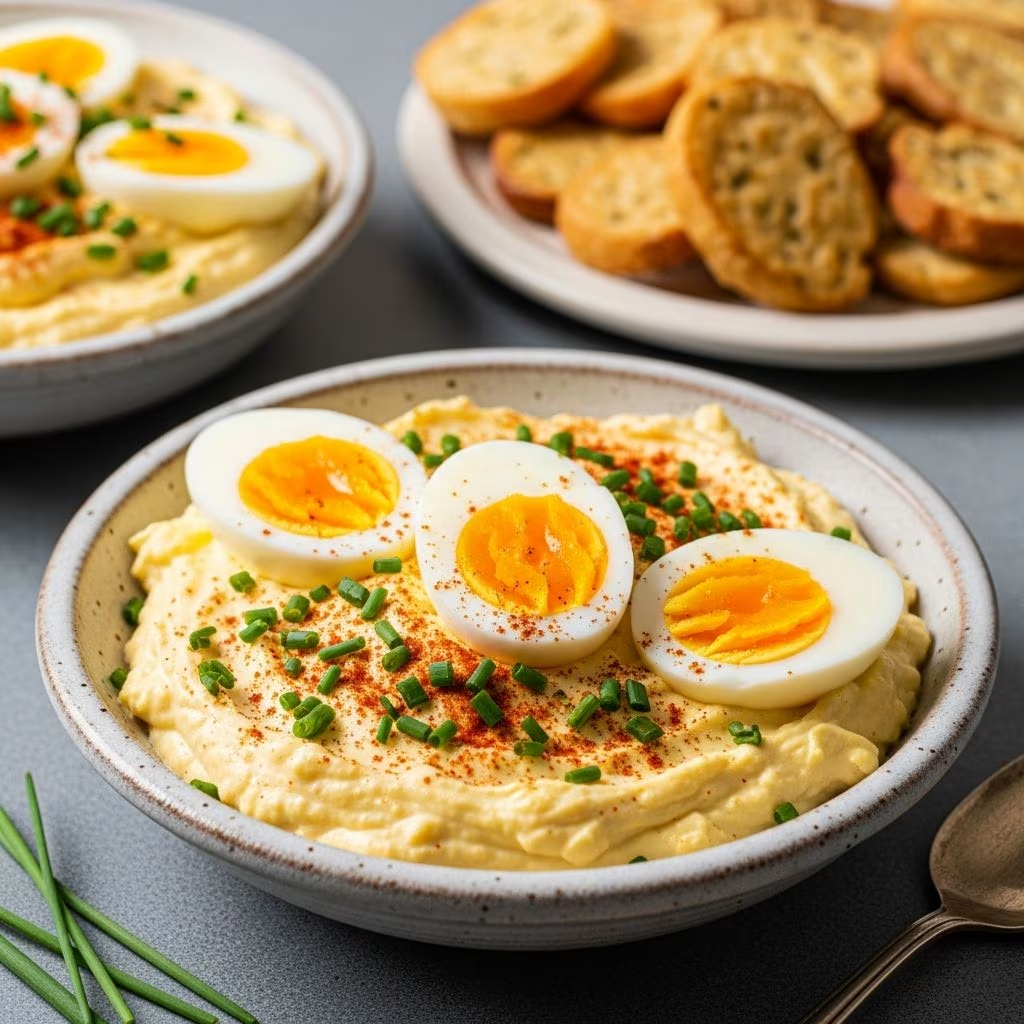
The evolution of classic comfort foods often leads to delightful discoveries in modern entertaining. One such innovation involves reimagining the beloved deviled egg—a staple at holiday gatherings and family celebrations—into a convenient, shareable dip format. This contemporary twist maintains all the tangy, zesty flavors that make deviled eggs irresistible while offering a more practical serving option for social occasions and casual entertaining.
The concept of transforming traditional finger foods into dip format has become increasingly popular among home cooks seeking to streamline meal preparation without sacrificing flavor complexity. By combining the essential components of classic deviled eggs into a single creamy mixture, you create a versatile accompaniment that appeals to diverse palates and dietary preferences.
Understanding the Culinary Foundation of Deviled Preparations
The term “deviled” carries a rich culinary history rooted in the concept of heightened seasoning and bold flavor profiles. When applied to food preparation, deviling refers to the addition of spicy, tangy, or intensely flavored components that create a distinctive taste experience. Traditional deviled eggs exemplify this approach, featuring hard-boiled eggs that are halved, hollowed, and filled with a zesty mixture derived from the cooked egg yolks combined with creamy and pungent condiments.
The transformation of these individual appetizers into dip format preserves the essential flavor architecture while eliminating the need for meticulous plating and presentation. This makes the preparation significantly more accessible for entertaining larger groups and reduces the time investment required for assembly.
Essential Components for Building Your Dip Base
Creating an exceptional deviled egg dip requires understanding how each ingredient contributes to the final texture and flavor profile. The foundation rests on several key components that work synergistically to produce a balanced, crave-worthy result.
Protein-Rich Foundation Elements
- Hard-boiled eggs – These provide the primary protein component and distinctive egg flavor. Using twelve eggs creates a hearty base that yields generous servings for groups.
- Cream cheese – Softened to room temperature, approximately four ounces, this ingredient contributes creaminess and richness while facilitating smooth blending.
- Mayonnaise – This binding agent adds moisture and creates the characteristic velvety texture. Approximately half a cup provides adequate emulsification.
Flavor Enhancement Components
- Mustard varieties – Two tablespoons of yellow mustard delivers tang and depth, though Dijon mustard offers a more sophisticated profile.
- Acidic elements – One tablespoon of pickle juice contributes brightness and complements the egg base, though vinegar serves as an effective alternative.
- Heat elements – One teaspoon of hot sauce introduces subtle warmth without overwhelming heat.
- Seasoning compounds – Kosher salt and fresh pepper balanced at half and quarter teaspoons respectively provide foundation seasoning.
Step-by-Step Preparation Methodology
Phase One: Achieving Perfect Hard-Boiled Eggs
The foundation of excellent deviled egg dip depends on properly prepared hard-boiled eggs. The methodology differs slightly from standard boiling to ensure consistent results and ease of peeling:
- Place room-temperature eggs into a large pot and cover with water until approximately two inches of liquid sits above the egg level.
- Bring the water to a vigorous rolling boil over high heat.
- Once boiling, remove the pot from heat, cover tightly with a lid, and allow eggs to rest undisturbed for exactly twelve minutes.
- After the resting period, carefully pour off the hot water and transfer eggs immediately to an ice bath to arrest the cooking process.
- Once cooled, gently peel away the shells and surrounding membrane to reveal the cooked eggs.
Phase Two: Combining Core Ingredients
Once eggs are prepared and peeled, the next stage involves creating the creamy foundation. You have multiple options for achieving the desired consistency:
Food Processor Method: Add peeled hard-boiled eggs, softened cream cheese, and mayonnaise to a food processor bowl. Pulse intermittently until the mixture reaches a smooth consistency, pausing to scrape down bowl sides as necessary to ensure even blending.
Manual Method: Combine eggs, cream cheese, and mayo in a large mixing bowl. Using a fork or potato masher, work ingredients together until achieving a smooth texture with minimal lumps.
Blender Alternative: If a food processor is unavailable, a standard blender can substitute effectively, though you may need to work in smaller batches.
Phase Three: Seasoning Integration
After establishing your creamy base, gradually incorporate seasoning elements while tasting continuously:
- Add mustard, pickle juice, hot sauce, kosher salt, and black pepper to the combined base.
- Process or blend until all ingredients achieve a uniform, smooth consistency.
- Pause to taste the mixture and adjust seasoning intensities according to personal preference.
- Transfer the completed dip into your serving vessel.
Customization and Personal Flavor Development
The beauty of dip preparation lies in the opportunity for personalization and creativity. Consider these modification options to suit your preferences and available ingredients:
| Flavor Profile | Suggested Modifications |
|---|---|
| Enhanced Spice Level | Incorporate cayenne pepper, sriracha, or additional hot sauce; increase from the standard one teaspoon baseline |
| Tangy Intensity | Replace pickle juice with vinegar varieties; experiment with different vinegar types such as rice or apple cider |
| Herbal Complexity | Add fresh dill, chives, or tarragon; incorporate dried herbs like smoked paprika for depth |
| Smoky Character | Use smoked paprika instead of standard paprika; add bacon pieces for richness |
| Sweet Element | Include sweet pickle relish; add a small amount of honey for subtle sweetness |
Garnishing and Presentation Strategies
The final presentation significantly impacts the dining experience and visual appeal. Consider these garnishing approaches:
- Paprika dusting – A generous sprinkle of standard or smoked paprika across the dip surface adds visual interest and reinforces the deviled egg connection.
- Fresh herb finishing – Finely chopped chives provide color contrast and mild onion notes that enhance the overall flavor profile.
- Textural elements – Crispy bacon pieces, chopped dill pickles, or sliced scallions introduce varied textures and flavor dimensions.
- Spice highlights – A light dusting of cayenne pepper signals heat level and appeals to those seeking additional spice.
Optimal Serving Practices and Accompaniment Suggestions
Deviled egg dip’s versatility extends to serving options and complementary accompaniments:
Vehicle Options for Consumption
- Traditional crackers including saltines, water crackers, or specialty flavored varieties
- Crisp vegetable selections such as celery sticks, carrot batons, cucumber slices, and bell pepper strips
- Toasted bread rounds or crostini for elegant presentation
- Pretzel crisps for those seeking savory crunch
- Pita chips or tortilla strips for contemporary serving options
Storage and Make-Ahead Guidance
Planning ahead simplifies entertaining logistics. The dip can be prepared in advance by transferring the completed mixture into a serving bowl, covering with plastic wrap, and refrigerating for up to two days before serving. Allow approximately thirty minutes for the chilled dip to reach optimal flavor release and slightly softer consistency before presenting to guests.
Nutritional Considerations and Dietary Adaptability
This dip offers inherent nutritional advantages relevant to various dietary approaches. The high protein content from eggs makes it suitable for individuals following ketogenic or low-carbohydrate eating patterns. The absence of grains makes it naturally gluten-free, accommodating those with celiac disease or gluten sensitivity. Vegetarians find this option satisfying as a protein-forward appetizer.
For those monitoring fat intake, lower-fat cream cheese and mayonnaise substitutes can reduce overall caloric and saturated fat content while maintaining reasonable textural properties. Egg white utilization creates a lighter version, though this sacrifices some of the traditional richness associated with deviled egg preparations.
Frequently Asked Questions Regarding Deviled Egg Dip
Can I make this dip without a food processor?
Absolutely. A blender works effectively, though you may need to batch smaller quantities. Alternatively, mashing by hand with a fork or potato masher produces satisfactory results, particularly if you ensure all ingredients reach room temperature beforehand for easier combining.
How far in advance can I prepare this dip?
You can prepare deviled egg dip up to two days before serving. Cover the completed dip with plastic wrap and store in the refrigerator. Remove it approximately thirty minutes before serving to allow flavors to develop fully and texture to soften slightly.
What if I prefer a chunkier texture?
Pulse the ingredients minimally rather than fully blending. Leave some pieces of hard-boiled egg visible throughout the mixture for textural variation and visual appeal.
Are there substitutions for pickle juice?
Various acidic liquids work effectively as substitutes, including apple cider vinegar, white vinegar, rice vinegar, or fresh lemon juice. Each introduces slightly different flavor notes while achieving the desired tangy quality.
How can I make this spicier?
Gradually increase hot sauce beyond one teaspoon, add cayenne pepper to the mixture itself rather than just garnishing, incorporate sriracha, or use a spicier mustard variety like horseradish mustard.
Conclusion: Elevating Entertaining Through Culinary Adaptation
The transformation of classic deviled eggs into dip format represents how traditional recipes evolve to meet contemporary entertaining needs. This preparation maintains authentic flavor profiles while providing practical advantages for hosting larger gatherings. Whether you follow the foundational recipe precisely or personalize it through creative modifications, deviled egg dip delivers consistent results that satisfy guests and streamline your entertaining responsibilities.
References
- Food Safety Guidelines for Egg Preparation — U.S. Food and Drug Administration. 2024. https://www.fda.gov/food/foodborne-pathogens-and-illness/people-most-risk-foodborne-illness
- Nutritional Composition of Eggs and Egg Products — U.S. Department of Agriculture Agricultural Research Service. 2024. https://fdc.nal.usda.gov/
- Gluten-Free Diet Guidelines — Celiac Disease Foundation. 2024. https://celiac.org/about-the-foundation/