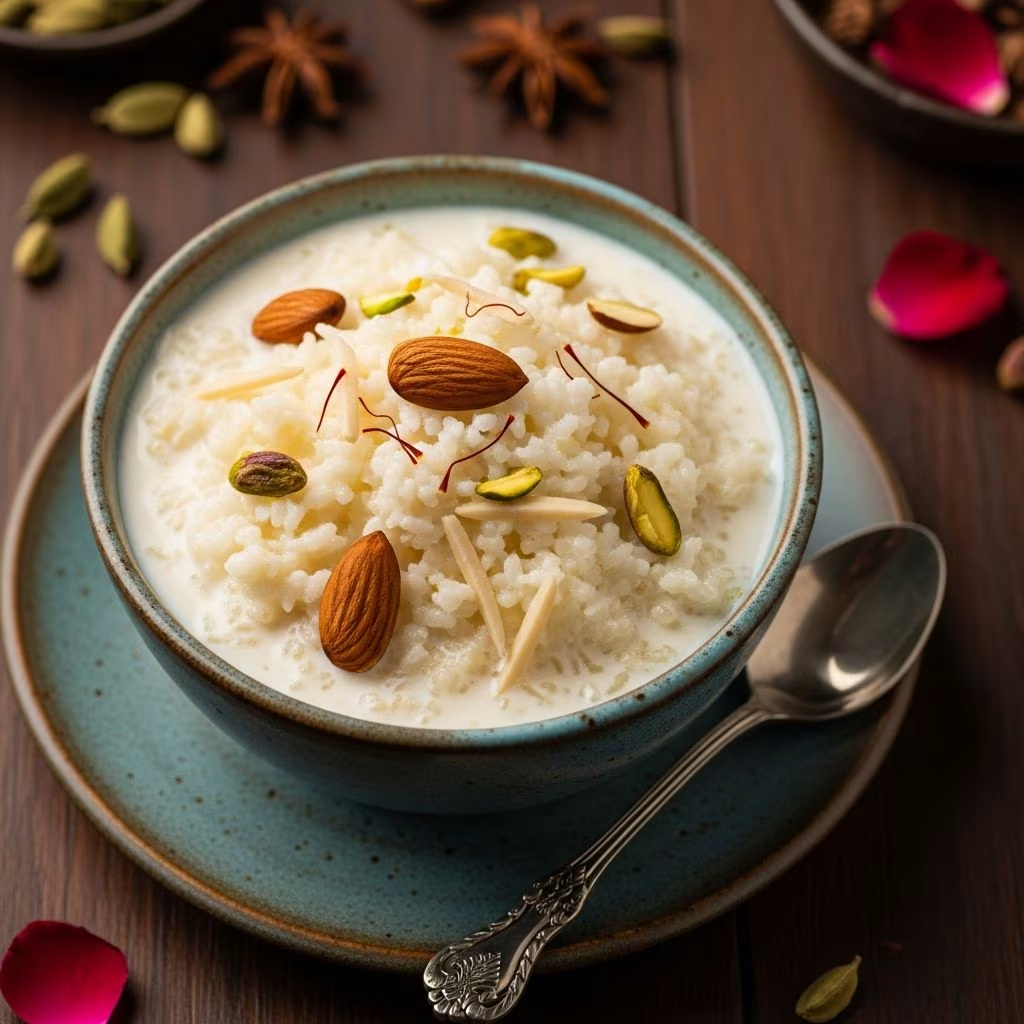
Kheer stands as one of India’s most cherished desserts, combining simplicity with sophistication in a single bowl. This creamy rice pudding has graced Indian tables for centuries, appearing at celebrations, religious ceremonies, and everyday meals alike. The beauty of kheer lies in its humble ingredients transformed through patient cooking into a luxurious, fragrant dessert that satisfies both the palate and the soul.
Understanding Kheer and Its Culinary Significance
Kheer represents far more than a simple rice pudding in Indian cuisine. The dish embodies the intersection of tradition and nourishment, served during Diwali festivities, temple offerings, and family gatherings throughout the Indian subcontinent. Each region offers its own interpretation, yet the core essence remains constant: milk-based comfort in its most refined form.
The preparation of kheer demonstrates fundamental cooking principles that home cooks should master. Unlike rushed desserts, kheer demands attention and patience, rewarding careful technique with exceptional results. This meditative cooking process allows the rice to gradually absorb milk while releasing its starches, creating a naturally creamy consistency without the need for cream or eggs.
Essential Ingredients for Authentic Kheer
The Foundation: Rice Selection
Basmati rice serves as the traditional choice for kheer preparation. This long-grain variety maintains its individual character throughout cooking rather than becoming mushy. The rice should be rinsed thoroughly under cold water until the liquid runs clear, removing excess starch that could cloud the final dish. Many cooks prefer soaking the rice for 20 to 30 minutes before cooking, a technique that promotes even cooking and helps prevent the grains from becoming overly soft.
The Core: Milk and Dairy Components
Whole milk forms the primary component of kheer, with most recipes calling for one to two liters depending on desired thickness. The fat content in whole milk contributes significantly to the pudding’s creamy texture and rich flavor. For those preferring dairy alternatives, coconut milk or almond milk can replace traditional milk while maintaining authentic taste profiles.
Ghee, or clarified butter, plays a supporting but important role in kheer preparation. This ingredient is optional but highly recommended for several reasons. When rice is toasted briefly in ghee before adding milk, it creates a protective coating that prevents the grains from absorbing liquid too quickly and becoming mushy. Additionally, ghee adds subtle richness and prevents milk from burning on the pot’s bottom. A small amount—typically one-half to one teaspoon—suffices for a standard batch.
Aromatic Elements and Flavorings
Green cardamom pods provide kheer with its signature fragrant quality. These should be crushed or split to release their essential oils before cooking. The cardamom infuses the milk during the simmering process, creating depth and complexity. Some cooks prefer ground cardamom added at the end for a more pronounced flavor.
Saffron contributes color and a delicate floral note, though it remains optional. Just a few strands steeped in warm milk before adding to the kheer provides authentic character. Rose water or orange blossom water can be incorporated in tiny quantities—literally two to three drops—to avoid overwhelming the dessert’s subtle balance.
Sweeteners and Finishing Touches
Granulated sugar typically ranges from one-quarter to one-third cup per liter of milk, though personal preference guides the exact amount. Some recipes incorporate sweetened condensed milk as an alternative, which simultaneously adds sweetness and richness.
Nuts and dried fruits provide textural contrast and nutritional value. Golden raisins plump beautifully during cooking, while almonds and pistachios add crunch. These garnishes can be toasted beforehand to enhance their flavor or left raw according to preference.
Step-by-Step Cooking Process
Preparation Phase
Begin by measuring the desired amount of basmati rice into a small bowl. Rinse under cold running water, stirring gently with your fingers, until the water runs completely clear. This typically requires four to six rinses depending on the rice’s initial starch content. Drain thoroughly using a fine sieve to remove excess moisture.
If time permits, soak the drained rice in fresh water for 20 to 30 minutes. This soaking step promotes even hydration and contributes to a more tender final texture. When ready to cook, drain the soaked rice again.
Toasting the Rice
Heat a heavy-bottomed saucepan or Dutch oven over medium heat. Add the ghee, allowing it to melt completely. Once melted, introduce the drained rice along with crushed green cardamom pods. Toast this mixture for one to two minutes, stirring constantly. The rice should become fragrant and take on a slightly golden hue. This toasting process is crucial for developing flavor and preventing mushiness during subsequent cooking.
Milk Addition and Initial Cooking
Pour the measured milk into the pan, stirring well to combine with the rice and ghee. Increase the heat to medium-high and bring the mixture to a boil, which typically takes 5 to 12 minutes depending on starting temperature and milk quantity. Stir frequently during this phase to prevent milk from sticking to the bottom and sides of the pan.
The Simmering Stage
Once the milk reaches a rolling boil, reduce the heat to low. The kheer should now simmer gently for 40 to 50 minutes, with frequent stirring every two to three minutes. This extended cooking allows the rice grains to gradually absorb milk while releasing their starches, creating the characteristic creamy consistency. The milk will visibly reduce during this time, typically by half or more.
After approximately 20 to 25 minutes of simmering, assess the rice’s texture. The grains should be soft and slightly expanded but still maintain their individual shape. At this point, the kheer begins to thicken noticeably. Add sugar and any other mix-ins like raisins and nuts during this phase.
Achieving Desired Consistency
Kheer’s thickness remains a matter of personal preference. Some prefer a more liquid pudding where rice grains float freely, while others enjoy a thick, almost porridge-like consistency. Continue simmering until the desired texture develops. Those preferring extremely creamy kheer may simmer for over an hour, accepting that rice grains will break down considerably.
Final Flavor Adjustments
Remove the pan from heat once the consistency satisfies your preference. Add ground cardamom if using freshly ground pods rather than whole cardamom pods. Stir in rose water or orange blossom water if desired, remembering that even tiny amounts—2 to 3 drops—provide noticeable fragrance.
The kheer will continue thickening as it cools and as rice continues absorbing milk even after heat is removed. To halt this process quickly, transfer the kheer to a bowl and place it in an ice bath. Add additional milk if the pudding becomes thicker than desired after cooling.
Cooking Method Variations
Stovetop Technique
The traditional stovetop method described above remains the most common approach, allowing cooks direct control over consistency and the meditative rhythm of frequent stirring.
Instant Pot Method
Modern cooking allows for Instant Pot preparation. First sauté rice in ghee, then add milk and other ingredients. Use the porridge setting for 20 minutes with natural pressure release. After opening the Instant Pot, stir and add additional milk to achieve desired consistency. Simmer for 2 to 3 minutes on sauté mode to finalize flavors.
Recipe Variations and Substitutions
Dairy-Free Options
Those avoiding dairy can substitute coconut milk or almond milk for whole milk while maintaining authentic flavor profiles. Coconut milk particularly complements kheer’s aromatic spices.
Alternative Rice Choices
While basmati rice represents the gold standard, other long-grain rice varieties can be used if basmati is unavailable. Short-grain rice produces mushier results and requires reduced milk quantity for balance.
Customized Sweetness Levels
Sugar quantities can be adjusted based on personal preference and other ingredients. Sweetened condensed milk offers an alternative sweetening method that simultaneously adds richness. Start with less sugar and add more as needed during cooking.
Nut and Dried Fruit Variations
Beyond traditional raisins, almonds, and pistachios, cooks can experiment with dried dates, dried apricots, cashews, and other nuts. Toasting nuts before adding enhances their flavor.
Frequently Asked Questions
How long does kheer take to prepare?
Total preparation time typically ranges from 1 hour to 1 hour 20 minutes, including soaking time. Stovetop cooking from milk boiling to desired consistency takes approximately 45 to 50 minutes. Instant Pot methods reduce active cooking time significantly, though pressure release adds to total duration.
Can kheer be made in advance?
Yes, kheer stores well in the refrigerator for up to three days in an airtight container. Reheat gently on the stovetop with additional milk if needed, as kheer thickens during storage.
Why is my kheer turning out mushy?
Oversized rice portions, inadequate toasting in ghee, or excessive cooking time can result in mushy kheer. Ensure proper rice rinsing and soaking, toast rice briefly before adding milk, and monitor consistency regularly during cooking.
What’s the difference between kheer and pudding?
While both are milk-based desserts, kheer specifically refers to the Indian rice pudding preparation using basmati rice and aromatic spices like cardamom. Western rice puddings may use different rice varieties and lack the traditional spice profile.
Is kheer typically served hot or cold?
Kheer can be served either hot or chilled, depending on preference and occasion. Many families enjoy it at room temperature or slightly chilled, though freshly prepared warm kheer offers comfort and enhanced aromatic qualities.
Serving Suggestions and Presentation
Kheer reaches its full potential when presented thoughtfully. Serve in individual bowls, garnishing with toasted nuts, a light drizzle of ghee, and a few saffron strands if using. The contrast between creamy pudding and textured nuts provides satisfying complexity.
This versatile dessert complements Indian meals beautifully, cleansing the palate after spiced main courses. It also serves as an impressive conclusion to multi-course dinners or stands alone as an afternoon treat during family gatherings.
Storage and Make-Ahead Guidance
Store leftover kheer in covered containers in the refrigerator for up to three days. The pudding thickens during storage as rice continues absorbing milk. Before serving, gently reheat over low heat on the stovetop, adding milk as needed to achieve desired consistency. Do not microwave, as this can cause uneven heating and curdling.
Kheer can be partially prepared in advance by cooking the rice separately and storing it, then combining with warm milk closer to serving time. However, the traditional approach of cooking rice directly in milk develops superior flavor.
Nutritional Considerations
Kheer provides protein from milk, carbohydrates from rice, and beneficial fats from ghee and nuts. The dessert offers more nutritional value than many Western confections, particularly when prepared with whole milk and generous nut quantities. Portion sizes should remain moderate due to the pudding’s richness and sugar content.
References
- How to Make Kheer (Indian Rice Pudding) — Finding Time for Cooking. Accessed April 2026. https://findingtimeforcooking.com/desserts-sweets/kheer-indian-rice-pudding/
- Creamy Kheer Recipe (Indian Rice Pudding) — Shivani Loves Food. Accessed April 2026. https://shivanilovesfood.com/creamy-kheer/
- Indian Rice Pudding/Kheer — Nik Sharma Cooks. Accessed April 2026. https://niksharmacooks.com/indian-rice-pudding-kheer/
- Kheer: Indian Rice Pudding — Analida’s Ethnic Spoon. Accessed April 2026. https://ethnicspoon.com/kheer-indian-rice-pudding/
- Rice Kheer (Indian Rice Pudding) — Masala and Chai. Accessed April 2026. https://masalaandchai.com/rice-kheer-indian-rice-pudding/
- Rice Kheer (Indian Rice Kheer) — Cook With Manali. Accessed April 2026. https://www.cookwithmanali.com/rice-kheer/
- Instant Pot Rice Kheer | EASY & AUTHENTIC — Ministry of Curry. Accessed April 2026. https://ministryofcurry.com/rice-pudding-instant-pot/