Understanding the Southern Heritage of Hummingbird Cake
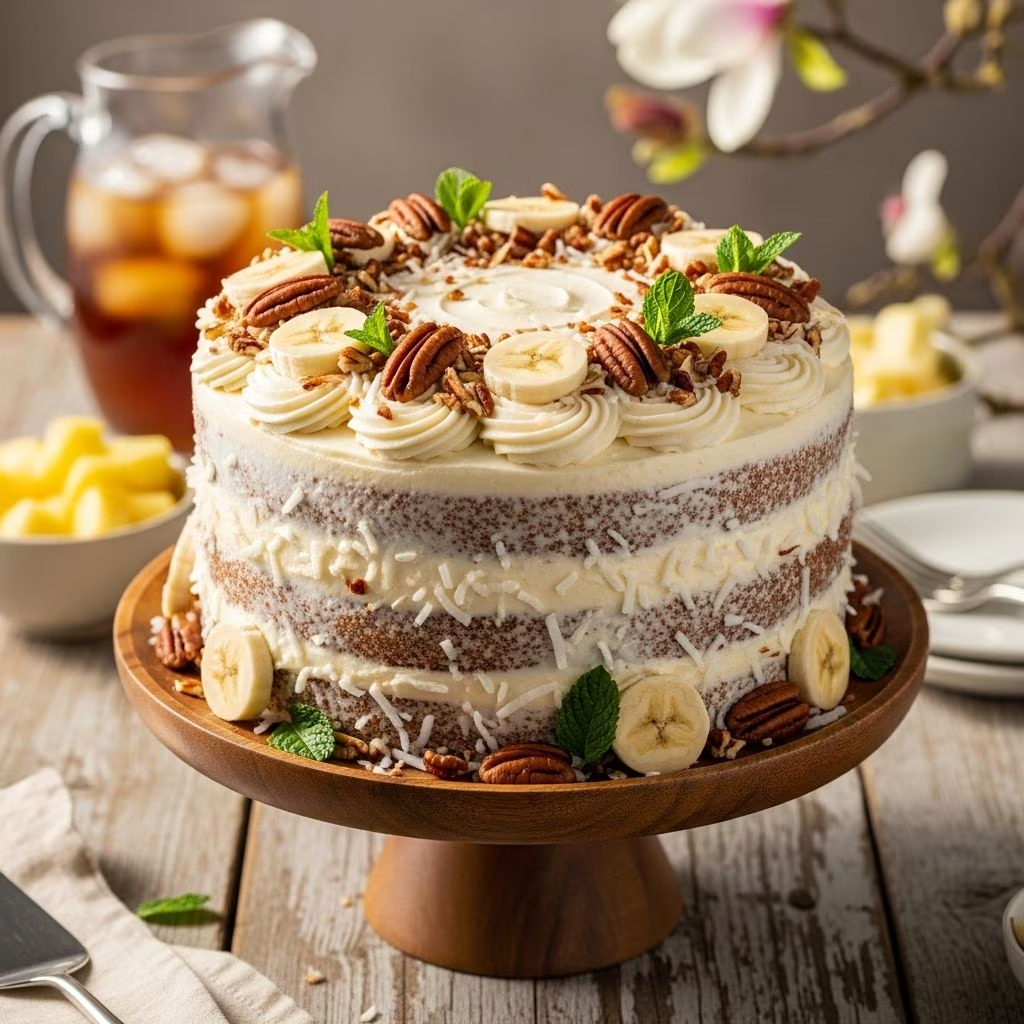
The hummingbird cake represents one of the most cherished desserts in Southern American cuisine. This elegant layer cake has become synonymous with springtime celebrations, family gatherings, and special occasions throughout the region. Its name evokes the delicate nature of the small bird, though the cake itself is anything but fragile—it’s a robust, heavily frosted confection designed to impress even the most discerning palates.
This remarkable dessert combines tropical fruit flavors with warm spices and nutty undertones, creating a multidimensional taste experience. The cake’s popularity stems from its perfect balance of moisture, flavor complexity, and visual appeal. Unlike many cakes that dry out within hours, a properly made hummingbird cake maintains its tender crumb and juicy texture for several days, making it an ideal choice for advance preparation or batch baking.
The Essential Ingredient Foundation
Creating an exceptional hummingbird cake begins with understanding each ingredient’s role in the final product. The foundation of this cake relies on a carefully balanced combination of pantry staples and fresh components that work together to achieve the signature moist texture and complex flavor profile.
Fruit Components and Their Contributions
The two primary fruits in this cake—bananas and pineapple—serve distinct purposes in the batter. Overripe bananas contribute natural sweetness, moisture, and a subtle flavor that acts as a binding agent between other components. The fruit’s starch content helps create the dense, tender crumb characteristic of this dessert. Crushed pineapple, typically canned with its juice intact, provides additional moisture and brightness. The acidity in pineapple juice complements the warm spices while preventing the cake from tasting overly sweet.
- Bananas: Provide moisture and natural binding properties; use when they’re fully ripe with brown spots
- Crushed pineapple: Adds tartness, tropical flavor, and additional liquid to maintain moisture throughout baking
- Pecans: Deliver textural contrast and nutty richness; toasting enhances their flavor profile significantly
Dry Ingredients and Leavening Strategy
All-purpose flour serves as the structural backbone, while dual leavening agents—baking soda and baking powder—work in concert to lift this naturally dense cake. The combination of two leaveners ensures proper rise without creating an overly airy, delicate crumb. Ground cinnamon and allspice introduce warm spice notes that harmonize with the tropical fruits, while salt balances the overall sweetness and enhances flavor perception.
Wet Ingredients and Fat Sources
Vegetable oil contributes neutral flavor and creates the signature moistness that distinguishes hummingbird cake from traditional butter-based layer cakes. Oil’s liquid nature ensures moisture retention better than solid butter alone. Eggs provide structure and binding while adding richness, and vanilla extract rounds out the flavor profile with subtle warmth and depth.
Selecting and Preparing Your Ingredients
Achieving the Perfect Banana Selection
Banana selection dramatically impacts the final cake’s success. Overripe bananas—those displaying significant brown spotting or almost-black peels—contain higher sugar concentration and more developed flavor compounds than yellow bananas. These advanced-stage bananas mash more readily into a smooth puree, distributing evenly throughout the batter. You can prepare bananas in advance by mashing them and freezing in portion-sized containers; simply thaw before using, and the texture works equally well in the batter.
Preparing Pecans for Maximum Impact
Toasting pecans before incorporating them into the batter elevates their flavor complexity significantly. Spread shelled pecan halves on a baking sheet and roast at 350°F for approximately eight minutes, stirring halfway through. This brief toasting process brings out the nuts’ natural oils and intensifies their nutty character without creating bitter, over-roasted flavors. Divide toasted pecans into two portions—one for mixing into the batter and one reserved for garnishing the finished frosting.
Ingredient Temperature Considerations
Room temperature eggs blend more thoroughly with other wet ingredients, ensuring even distribution and better emulsification. Allow eggs to sit at room temperature for 20-30 minutes before baking. Similarly, bringing vegetable oil to room temperature (though this occurs naturally in most kitchens) and using pineapple at room temperature ensures that all wet components blend uniformly without temperature-related separation or uneven mixing.
The Baking Process Simplified
Combining Dry Ingredients
Begin by whisking all dry ingredients—flour, baking soda, baking powder, cinnamon, allspice, and salt—in a large bowl. Thorough whisking aerates the flour and distributes leavening agents evenly throughout, preventing concentrated pockets of baking soda that could create unpleasant metallic flavors or uneven rising.
Preparing Wet Ingredients
In a separate large mixing bowl, whisk together eggs, vegetable oil, granulated sugar, brown sugar, and vanilla extract until the mixture becomes slightly lighter in color and texture. This whisking step incorporates air into the batter while ensuring sugar crystals begin to dissolve. Following this step, fold in mashed bananas and crushed pineapple (including all juice) using a spatula with broad, gentle motions that combine ingredients without deflating the batter.
Combining Wet and Dry Elements
Pour the wet ingredient mixture into the bowl containing dry ingredients. Using a large spoon or spatula, fold the two components together with gentle motions, stirring until flour is just incorporated. Overmixing develops gluten, resulting in a tough, dense cake with an undesirable crumb structure. Fold in the reserved toasted pecans as the final step, ensuring they’re evenly distributed without concentrating in specific areas.
Baking and Doneness Assessment
Divide batter evenly between two greased and floured nine-inch round cake pans (or one larger Bundt pan for a single-layer presentation). Bake at 350°F for 35-40 minutes. The cake is done when a wooden toothpick inserted into the center comes out with only a few moist crumbs; slight moisture at this stage indicates continued carry-over cooking will complete the process as the cake cools. Remove from the oven and allow cakes to cool in their pans for 15 minutes before turning out onto wire racks to cool completely.
Creating the Signature Cream Cheese Frosting
The frosting elevates hummingbird cake from simple to spectacular. This tangy, luxurious topping balances the cake’s sweetness while adding textural contrast and visual appeal.
Frosting Ingredients and Their Functions
| Ingredient | Amount | Function |
|---|---|---|
| Unsalted butter | 1 cup | Creates rich base and provides structure |
| Cream cheese | 8 oz | Adds tangy flavor and luxurious texture |
| Confectioner’s sugar | 3.5-4 cups | Sweetens and creates spreadable consistency |
| Pineapple juice | 2 tsp | Enhances tropical flavor notes |
| Vanilla extract | 2 tsp | Adds depth and aromatic complexity |
| Salt | Pinch | Balances sweetness and enhances flavors |
Preparation Method
Using an electric mixer, beat room-temperature butter and cream cheese together on high speed for 3-5 minutes until the mixture becomes light, fluffy, and pale. This extended beating incorporates air, creating a frosting with superior texture and spreadability. Reduce mixer speed to low and gradually add confectioner’s sugar in three batches, allowing each addition to incorporate fully before adding more. This gradual approach prevents confectioner’s sugar from creating dust clouds around your kitchen.
After all confectioner’s sugar has been incorporated, increase mixer speed to medium-high and add pineapple juice, vanilla extract, and salt. Continue beating for 2-3 minutes until the frosting reaches a spreadable consistency—it should hold peaks when a spoon is lifted but still spread smoothly across cake layers. If the frosting seems too soft, refrigerate for 15-20 minutes; if too stiff, add additional pineapple juice one teaspoon at a time.
Assembly and Finishing Techniques
Once cake layers have cooled completely, place the first layer on a cake plate or serving platter. Apply a generous layer of cream cheese frosting to the top, leaving a half-inch border around the edges. Position the second cake layer on top and frost the top and sides of the assembled cake with remaining frosting. For an elegant presentation, garnish the top with reserved toasted pecans, arranging them in concentric circles or a decorative pattern.
Storage and Longevity
Properly stored hummingbird cake maintains its quality for 4-5 days at room temperature (covered loosely with plastic wrap or kept under a cake dome) or up to one week when refrigerated. The cake’s high moisture content and oil-based structure allow it to remain tender and juicy well beyond the typical shelf life of butter cakes. Before serving refrigerated cake, remove it from cold storage 30 minutes prior to maintain optimal texture and flavor development.
Frequently Asked Questions
Can I use fresh pineapple instead of canned?
Canned crushed pineapple is preferable as it contains juice that contributes necessary moisture to the batter. Fresh pineapple lacks this liquid component and contains an enzyme (bromelain) that can interfere with proper baking. If using fresh pineapple, drain it thoroughly and add additional pineapple juice or milk to compensate for the missing liquid.
What if I don’t have pecans?
Walnuts provide a suitable substitution, though they offer a slightly different flavor profile. Macadamia nuts or almonds also work well. Alternatively, omit nuts entirely if you have allergies, though this removes textural contrast and nutty depth from the finished cake.
Can this cake be made ahead?
Yes, baked cake layers can be wrapped tightly and frozen for up to three months. Thaw at room temperature before frosting. You can also assemble and frost the entire cake, then refrigerate or freeze—though the frosting texture may be affected by extended freezing. Unfrosted layers store better than frosted cakes for long-term freezing.
Why is my cake dense and heavy?
Overmixing the batter develops gluten, creating density. Mix only until ingredients are just combined. Additionally, ensure your leavening agents are fresh—old baking soda or baking powder loses potency over time, resulting in inadequate lift.
Should the frosting include cinnamon?
While cinnamon isn’t in the traditional frosting recipe, some bakers add 1/2 teaspoon ground cinnamon to the frosting for additional spice notes. This is an optional personalization based on preference.
References
- Grand Baby Cakes – Hummingbird Cake Recipe — Grand Baby Cakes. 2024. https://grandbaby-cakes.com/hummingbird-cake-recipe/
- Hummingbird Cake – Sally’s Baking Addiction — Sally’s Baking Addiction. 2024. https://sallysbakingaddiction.com/hummingbird-cake/
- Hummingbird Cake Recipe – Sugar Spun Run — Sugar Spun Run. 2024. https://sugarspunrun.com/hummingbird-cake-recipe/