A Glimpse Into Presidential Breakfast Traditions
The kitchen of the White House has been a source of fascination for generations, offering insights into the personal tastes and preferences of America’s leaders. Among the culinary preferences documented in the National Archives is a treasured family recipe that reflects both simplicity and sophistication. President John F. Kennedy held a particular fondness for a breakfast dish that combined humble ingredients with careful preparation techniques to produce something remarkable. This waffle recipe, preserved through official documentation, reveals how even the most influential figures in American history appreciated classic, unpretentious comfort food.
What makes this recipe particularly noteworthy is not merely its connection to historical significance, but rather how it demonstrates the importance of technique and ingredient selection in transforming a basic breakfast staple into something extraordinary. The recipe has since become the subject of numerous cookbooks, food blogs, and culinary discussions, with enthusiasts eager to replicate the exact experience that graced the presidential table.
The Science Behind the Fluffiness
Understanding why this particular waffle recipe produces such distinctive results requires examining the role of specific ingredients and their chemical interactions. The foundation of achieving that coveted lightness begins with a deliberate choice regarding flour selection. Rather than reaching for all-purpose flour as most home cooks do, this recipe calls for cake flour, a seemingly small substitution that dramatically alters the final outcome.
Cake flour possesses a lower protein content compared to all-purpose or bread flour varieties. This distinction is crucial because proteins in flour develop gluten when combined with liquid and agitation. Gluten creates structure and elasticity, which is desirable in bread products but less favorable in waffles where airiness is the primary objective. By using cake flour, the development of gluten strands is naturally minimized, resulting in a more delicate crumb structure with a lighter texture throughout.
The second critical technique involves the treatment of eggs. Rather than simply mixing whole eggs into the batter, this recipe requires separating the whites from the yolks. The yolks are incorporated into the main batter for richness and binding, while the whites undergo a separate, more rigorous preparation. The egg whites are whipped until they reach stiff peaks, essentially transforming them into a glossy meringue through vigorous aeration. This process incorporates countless microscopic air bubbles into the egg whites’ structure, effectively doubling or tripling their volume. When this whipped mixture is folded gently into the rest of the batter just before cooking, these air pockets remain largely intact, providing the waffles with their signature light and airy crumb.
Key Ingredients and Their Functions
The ingredient list for this presidential recipe is remarkably concise, containing no unnecessary additions or exotic components. Each element serves a specific purpose in the overall composition:
- Butter — Provides richness, flavor, and contributes to browning and crisping on the exterior of the finished waffle
- Sugar — Adds subtle sweetness and aids in the browning process through caramelization
- Eggs — The yolks contribute moisture and act as a binder, while the whites provide structure and volume when whipped
- Buttermilk — Delivers tangy flavor while its acidity reacts with baking powder to enhance leavening and tenderness
- Cake flour — Creates a tender, less dense crumb by limiting gluten development
- Baking powder — Provides additional leavening for increased height and fluffiness
- Salt — Enhances the overall flavor profile and balances sweetness
Step-by-Step Preparation Method
Successfully executing this recipe requires attention to sequence and technique. The preparation begins with creaming softened butter with sugar. This initial step is more than simply combining ingredients; it incorporates air into the mixture through mechanical action, beginning the aeration process that continues throughout preparation. The creaming should continue until the mixture becomes light in color and somewhat fluffy in texture.
Once the butter and sugar have reached the proper consistency, egg yolks are added and the mixture is beaten thoroughly to ensure complete incorporation and further aeration. The next step involves alternately adding the dry ingredients and buttermilk to the butter mixture. This alternating method prevents the formation of lumps and ensures even distribution of all components throughout the batter. The dry ingredients should be sifted before addition to remove any lumps and incorporate additional air.
The critical final step involves preparation of the egg whites and their incorporation into the batter. In a completely separate, scrupulously clean bowl (any trace of fat or yolk will prevent proper whipping), egg whites are beaten until stiff peaks form. The baking powder is typically added to the batter just before the egg whites are folded in, ensuring maximum leavening activity. The folding process must be performed gently to preserve the air bubbles in the whipped whites, using a spatula to cut down through the center of the batter and sweep it up and over the whites, rotating the bowl as you work.
Waffle Characteristics and Expected Results
| Characteristic | Description |
|---|---|
| Texture | Light, airy interior with crispy, browned exterior edges |
| Density | Notably less dense than waffles made with all-purpose flour |
| Flavor Profile | Rich, buttery taste with subtle tang from buttermilk |
| Color | Golden brown with darker, crispy edges |
| Yield | Approximately 6 standard-sized waffles |
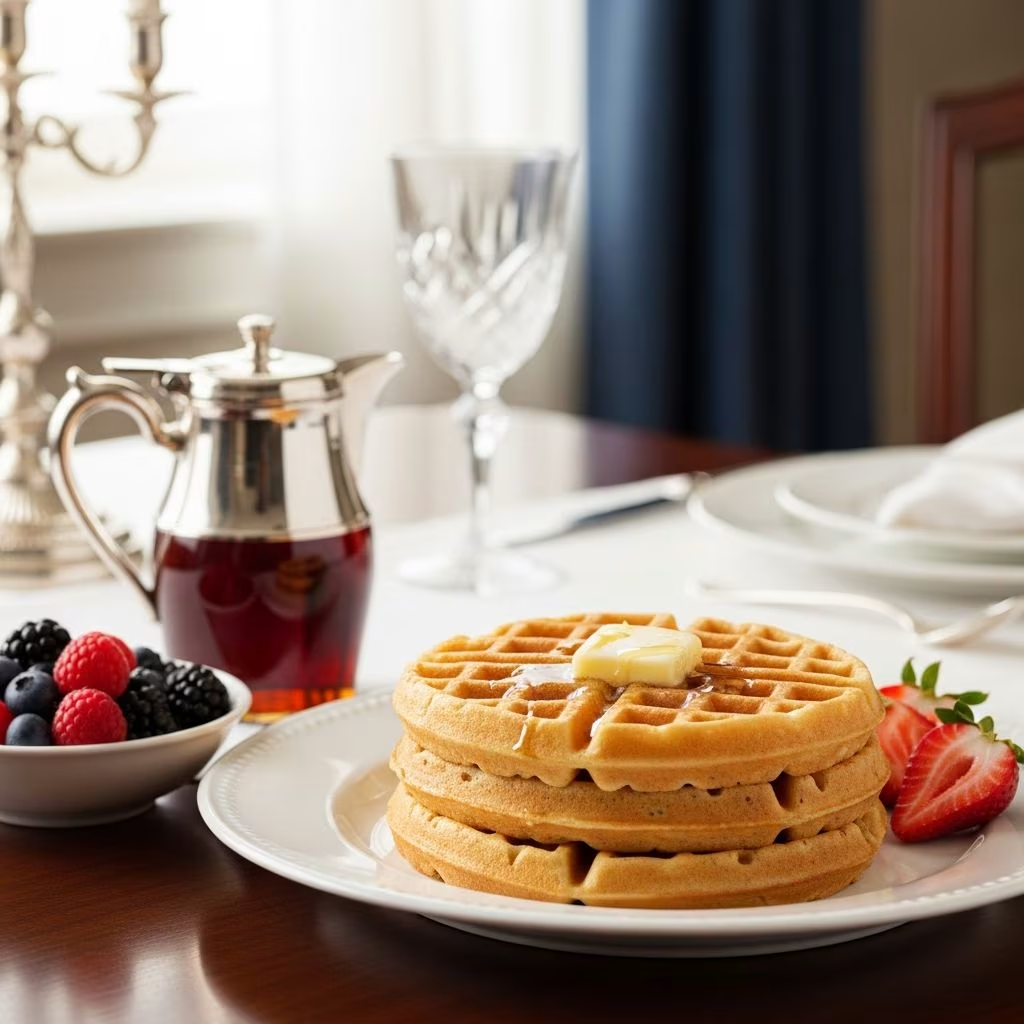
| Serving Suggestion | Topped with warm maple syrup and melted butter |
Historical Significance and Preservation
The preservation of this recipe in the U.S. National Archives speaks to the historical significance attached to even seemingly minor details of presidential life. During Kennedy’s tenure as a senator and later as president, numerous requests arrived from the American public requesting his favorite recipes. Rather than dismissing these inquiries, Kennedy’s office, often with involvement from First Lady Jacqueline Kennedy herself, responded graciously by providing this family waffle recipe. These typed instructions, hastily prepared and archived, represent a tangible connection between the presidency and the American people.
The recipe’s journey from private family kitchen to public domain reflects broader cultural interests in the personal lives and preferences of political figures. Food, as an intimate aspect of daily life, provides unique insights into character and preferences that formal political records cannot capture. This particular recipe demonstrates Kennedy’s appreciation for well-executed traditional American fare rather than exotic or pretentious cuisine.
Variations and Adaptations
While the original recipe remains unchanged in the archives, home cooks have developed various adaptations based on available ingredients and personal preferences. Some variations have emerged from practical necessity or regional differences in ingredient availability.
In situations where cake flour cannot be readily obtained, a reasonable substitute can be created by combining all-purpose flour with cornstarch in a specific ratio. The substitution typically involves replacing one cup of all-purpose flour with three-quarters cup of all-purpose flour mixed with one-quarter cup of cornstarch. While this creates a reasonable approximation of cake flour’s lower protein content, the texture may differ slightly from the original recipe.
Regarding the buttermilk component, some variations mention using regular milk with slight modifications to the baking powder measurement. However, buttermilk’s distinctive tangy flavor and chemical properties make it a preferable component for optimal results. If whole milk must be substituted, slightly reducing the baking powder quantity may prevent excessive rising.
Frequently Asked Questions
What is the primary difference between this recipe and standard waffle recipes?
The most significant distinctions lie in the flour selection and egg preparation. Using cake flour instead of all-purpose flour dramatically reduces gluten development, creating a more tender crumb. Whipping egg whites separately and folding them in at the end introduces substantial air into the batter, producing exceptional fluffiness that standard recipes cannot achieve.
Can this recipe be prepared in advance?
The batter can be partially prepared ahead of time. The butter and sugar can be creamed, and the flour mixture can be combined with the egg yolks and buttermilk hours in advance. However, the egg whites should be whipped and folded in immediately before cooking to preserve their volume and ensure optimal fluffiness. The baking powder should also be added just before cooking to maintain its leavening power.
How important is room temperature for the ingredients?
Room temperature ingredients, particularly eggs, mix more smoothly and incorporate more effectively into the batter. Cold butter may not cream properly, and cold eggs may not incorporate fully into the creamed mixture. Allowing ingredients to reach room temperature before beginning ensures the best texture and consistency in the final product.
What type of waffle iron works best for this recipe?
Standard circular or square waffle irons work well with this batter. The batter’s light, fluffy nature means it tends to rise more than heavier batters, so adequate iron depth is beneficial. Both traditional stovetop and electric waffle irons produce satisfactory results, though electric irons with temperature controls allow for more precise cooking.
Serving Suggestions and Pairings
The original recipe recommended serving these waffles with warm maple syrup and melted butter, a pairing that complements the rich, buttery flavor of the waffles themselves. This classic combination remains the most popular serving method, allowing the quality of the waffles to shine through without competing with elaborate toppings.
For those seeking variation, whipped cream paired with fresh berries offers a lighter alternative that doesn’t overshadow the waffles’ delicate texture. Some contemporary interpretations feature breakfast-style toppings such as crispy bacon, sausage links, or fresh fruit compotes. The light, airy nature of these waffles makes them versatile enough to accommodate various accompaniments without becoming heavy or overwhelming.
Legacy and Cultural Impact
The enduring interest in this recipe decades after its initial circulation demonstrates the lasting appeal of well-executed traditional recipes. Food historians and home cooking enthusiasts continue to prepare these waffles, partly for their exceptional taste and texture, but also for the historical connection they represent. The recipe serves as a reminder that excellence in cooking need not involve complexity, exotic ingredients, or labor-intensive techniques, but rather thoughtful ingredient selection and careful execution of fundamental culinary practices.
This recipe has appeared in numerous cookbooks, food publications, and culinary websites, each presentation acknowledging its presidential origins. The consistent inclusion of this recipe across multiple media formats speaks to its reliability and the reproducibility of outstanding results by home cooks of varying skill levels. What began as a family favorite shared from a senator’s office has become a touchstone recipe representing classic American breakfast traditions.
References
- Food.com — Food.com, Inc. Recipe Database. Accessed April 2026. https://www.food.com/recipe/john-f-kennedy-waffles-513150
- Tasting Table: The Sweet American Staple John F. Kennedy Loved To Eat — Tasting Table. https://www.tastingtable.com/1975510/john-f-kennedy-breakfast-waffle/
- Food Republic: John F. Kennedy’s Go-To Waffle Recipe — Food Republic. https://www.foodrepublic.com/1653167/john-f-kennedy-waffle-recipe-ingredients/
- The Unpeeled Journal: Jackie and John F. Kennedy’s Waffles Recipe — The Unpeeled Journal. https://unpeeledjournal.com/jackie-and-john-f-kennedys-waffles-recipe/
- The Historical Homemaker: President Kennedy’s Homemade Waffles — The Historical Homemaker. March 25, 2023. https://thehistoricalhomemaker.com/2023/03/25/president-kennedys-homemade-waffles/