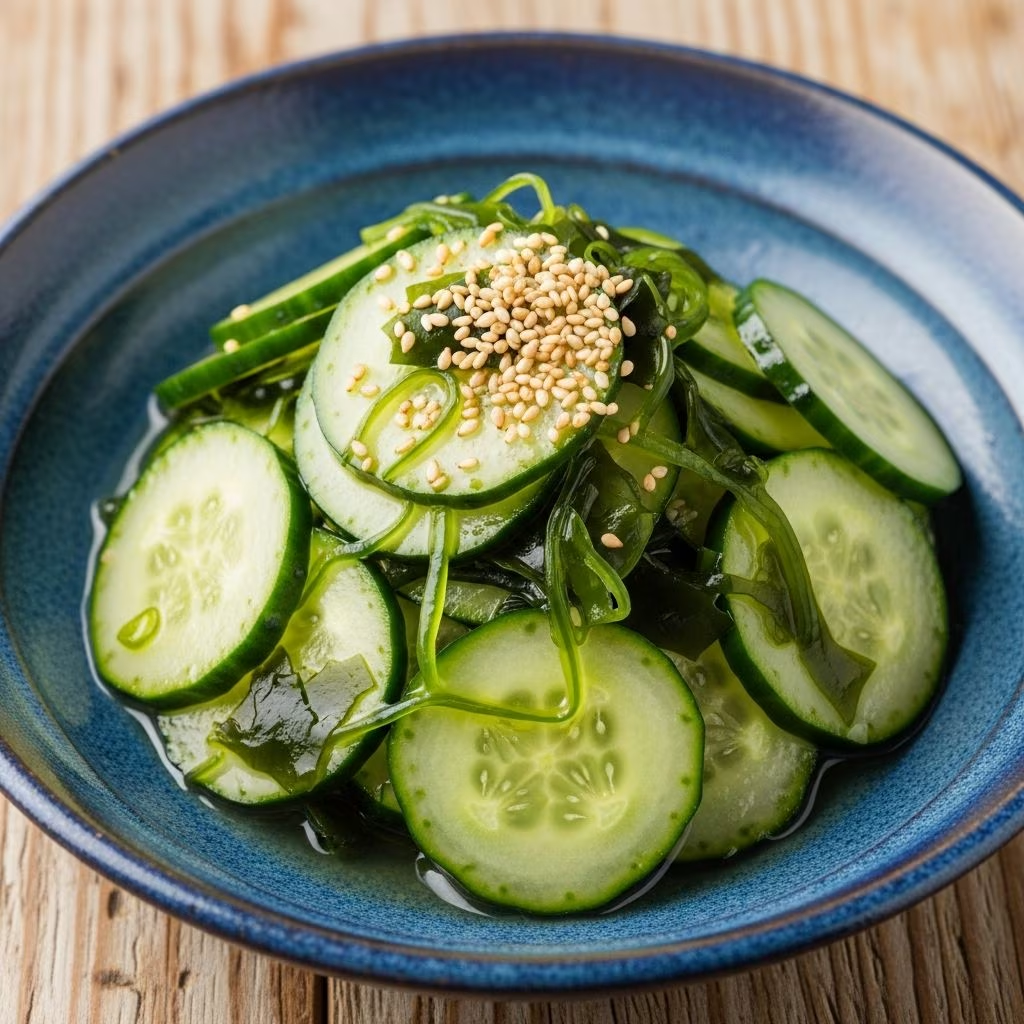
Japanese cucumber sunomono salad stands out as a quintessential side dish in traditional Japanese cuisine, celebrated for its crisp texture and harmonious balance of sweet, tangy, and savory flavors. This simple yet elegant preparation transforms humble cucumbers into a vibrant accompaniment that cuts through richer dishes like grilled fish or teriyaki meats. Rooted in the concept of su (vinegar), sunomono salads emphasize freshness and lightness, making them ideal for summer meals or as a palate cleanser.
Understanding the Essence of Sunomono
Sunomono, translating to “vinegared things,” refers to a family of Japanese salads where vegetables, seafood, or seaweed are lightly marinated in a rice vinegar-based dressing. Cucumbers take center stage in the most popular version due to their high water content and natural crunch, which pairs perfectly with the dressing’s acidity. Unlike heavier Western salads, sunomono prioritizes minimalism—few ingredients allow each element to shine without overwhelming the palate.
Historically, these salads emerged during Japan’s Edo period when vinegar preservation techniques became widespread, offering a way to enjoy seasonal produce year-round. Today, sunomono remains a staple in kaiseki multi-course meals and everyday home cooking, valued for its digestive benefits and low-calorie profile.
Essential Ingredients for Authentic Flavor
Crafting sunomono starts with high-quality, fresh components. Here’s a breakdown of the core ingredients:
- Japanese or Persian Cucumbers: These thin-skinned varieties (about 1 lb or 2-3 cucumbers) hold their shape better than standard ones. Their subtle sweetness enhances the dressing.
- Kosher Salt: Approximately 1/2 to 1 tsp draws out excess moisture, ensuring crunchiness. Diamond Crystal kosher salt is preferred for its flaky texture.
- Rice Vinegar: 2-3 tbsp unseasoned rice vinegar provides the tangy base. Avoid substitutes like white vinegar, which lack nuanced mildness.
- Sugar: 1/2 to 1 tbsp granulated sugar balances acidity with subtle sweetness.
- Soy Sauce: 1 tsp light (usukuchi) or regular soy adds umami depth without darkening the salad.
- Sesame Seeds: 1 tsp toasted white sesame seeds for nutty garnish and texture.
Optional add-ins like rehydrated wakame seaweed (1 tbsp dried), julienned ginger, or crabmeat elevate the dish while keeping preparation simple.
Step-by-Step Preparation Guide
Preparing sunomono takes under 20 minutes, with most time spent on passive salting. Follow these precise steps for optimal results:
- Slice the Cucumbers Thinly: Use a mandoline or sharp knife to cut cucumbers into 1/8-inch (2-3 mm) rounds or half-moons. Uniform thinness ensures even marination and maximum crunch.
- Salt and Rest: Toss slices with kosher salt in a bowl. Let sit 5-10 minutes. This osmosis process expels water, preventing a watery dressing.
- Rinse and Squeeze: Rinse under cold water to remove salt, then squeeze firmly in handfuls or with a towel. Cucumbers should appear translucent and feel dry.
- Whisk the Dressing: Combine rice vinegar, sugar, soy sauce (and ginger if using) in a bowl. Stir until sugar dissolves; no cooking needed for basic versions, though gentle heating speeds dissolution.
- Toss and Marinate: Add squeezed cucumbers (and wakame if using) to dressing. Toss gently, sprinkle sesame seeds, and refrigerate 15-30 minutes. Serve chilled.
Pro Tip: For best texture, consume within hours of preparation—overnight marination softens slices slightly.
Variations to Suit Every Palate
Sunomono’s versatility allows endless tweaks. Experiment with these popular adaptations:
| Variation | Key Additions/Substitutions | Best Pairing |
|---|---|---|
| Seaweed Sunomono | 1 tbsp rehydrated wakame; squeeze excess water | Sashimi or grilled eel |
| Seafood Sunomono | Crab, shrimp, or octopus (4 oz cooked, chopped) | Bento boxes |
| Ginger-Infused | 5g julienned fresh ginger | Fried foods |
| Spicy Kick | 1/2 tsp chili flakes or wasabi | Heavy meats |
| Vegan Basic | Omit soy; use salt for umami | Tofu dishes |
These changes maintain the dish’s light profile while introducing new dimensions.
Nutritional Profile and Health Benefits
A standard serving (1 cup) of sunomono offers approximately 48 calories, making it a guilt-free choice. Cucumbers provide hydration (95% water), vitamins K and C, and potassium for heart health. Rice vinegar aids digestion with acetic acid, potentially stabilizing blood sugar.
- Low-carb (about 8g per serving), keto-friendly.
- Rich in antioxidants from sesame seeds.
- Salt extraction reduces sodium compared to raw cucumbers.
Studies from nutritional databases highlight vinegar-based salads’ role in balanced diets, supporting weight management and gut health when paired with diverse meals.
Perfect Pairings and Serving Suggestions
Sunomono shines as a counterpoint to umami-heavy Japanese dishes:
- With rice bowls (donburi) or noodles (soba/udon).
- Alongside tempura, yakitori, or sushi rolls.
- As a picnic staple or potluck contributor—transport in jars.
Serve in small bowls to mimic izakaya style, garnished with extra sesame or scallions for visual appeal. Pairs beautifully with chilled sake or green tea.
Frequently Asked Questions (FAQs)
Can I make sunomono ahead of time?
Yes, prepare up to 5 hours in advance; store covered in the fridge. For longer, make dressing separately and assemble just before serving to preserve crunch.
What if I can’t find Japanese cucumbers?
Persian or English cucumbers work well; avoid thick-skinned varieties like garden cucumbers, which can be bitter. Peel if necessary.
Is the dressing reusable?
Absolutely—store extra in a jar for up to a week. Shake before using on other veggies like radish or carrots.
How do I achieve the crunchiest texture?
Squeeze aggressively after salting and avoid over-marinating. Use fresh, firm cucumbers picked the same day.
Gluten-free adaptation?
Use tamari instead of soy sauce and confirm rice vinegar is gluten-free (most are).
Storage and Make-Ahead Tips
Store in an airtight container in the fridge for up to 2 days. Drain excess liquid before reheating (though best cold). Freezing is not recommended due to texture loss. For meal prep, portion dressing separately.
Common Mistakes to Avoid
Skipping the salting step leads to diluted flavors. Over-slicing makes slices mushy. Using seasoned rice vinegar alters balance—stick to unseasoned. Taste dressing before tossing; adjust sugar or soy incrementally.
Scaling Up for Crowds
Double or triple ingredients easily. For 6 servings: 2 lbs cucumbers, 6 tbsp vinegar, 1.5 tbsp sugar, 2 tsp soy. Prep in batches to manage squeezing efficiently. Serve family-style from a large platter.
In summary, Japanese cucumber sunomono salad exemplifies effortless elegance in cooking. Its quick assembly belies a depth of flavor that elevates any table. Whether you’re new to Japanese cuisine or a seasoned home chef, this recipe delivers consistent results with pantry staples. Experiment confidently, drawing from tradition to create your signature version.
References
- How to Make Japanese Cucumber Salad (Sunomono) — Sudachi | Japanese Recipes | Yuto Omura. Accessed 2026. https://www.youtube.com/watch?v=iPAWnIuMyro
- Sunomono Japanese Cucumber Salad — Tried Tested and True. Accessed 2026. https://triedtestedandtrue.com/sunomono-japanese-cucumber-salad/
- Japanese Cucumber Salad (Sunomono) (Video) 酢の物 — Just One Cookbook. Accessed 2026. https://www.justonecookbook.com/sunomono-with-cucumber-and-wakame/
- Easy Japanese Cucumber Salad (Sunomono) (VIDEO) — CJ Eats Recipes. Accessed 2026. https://cjeatsrecipes.com/japanese-cucumber-salad-sunomono/
- Japanese Cucumber Salad Recipe (Sunomono) – Sweet & Tangy — Cooking the Globe. Accessed 2026. https://cookingtheglobe.com/japanese-cucumber-salad-recipe-sunomono/
- Sunomono Salad Recipe (Japanese Cucumber Salad) — Hungry Huy. Accessed 2026. https://www.hungryhuy.com/sunomono-japanese-cucumber-salad-recipe/