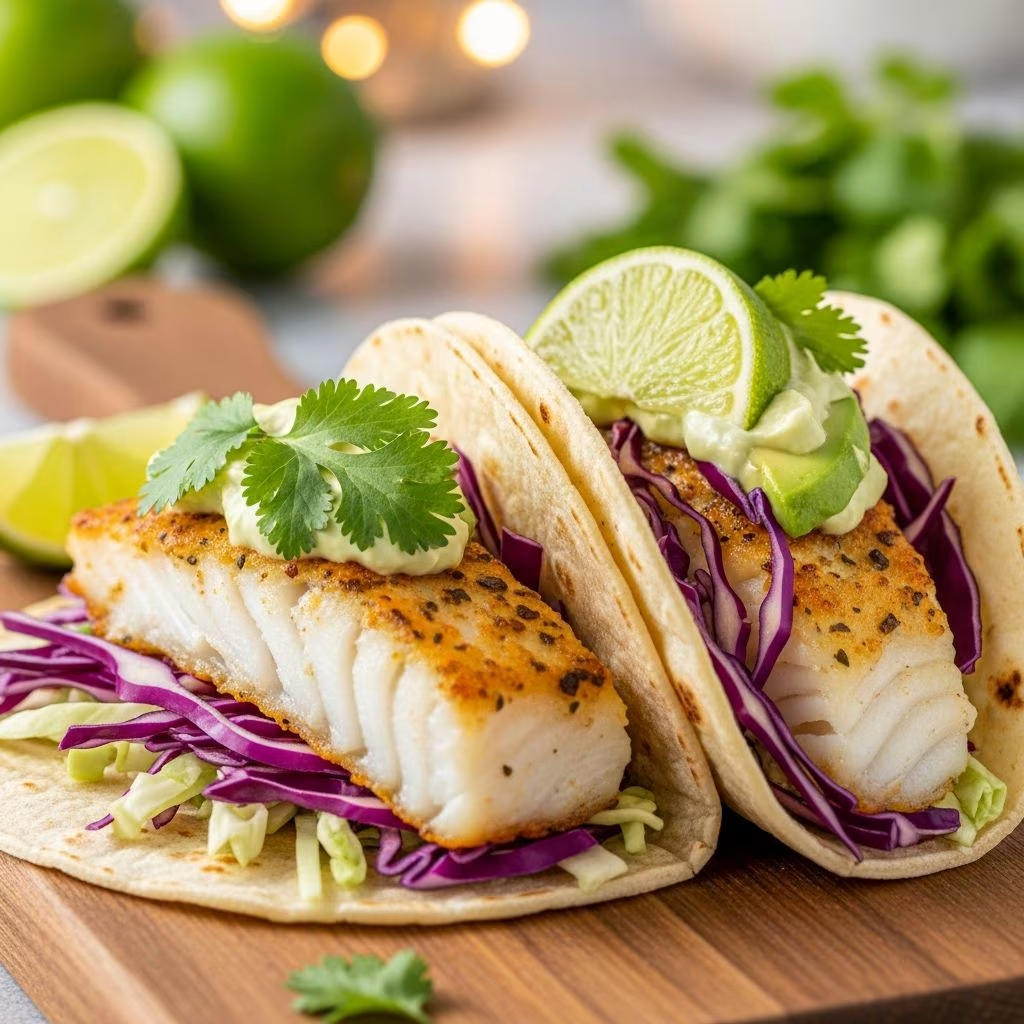
Fish tacos offer a wonderful balance of flavor, nutrition, and simplicity that makes them ideal for home cooks seeking restaurant-quality meals without extensive preparation time. When prepared using baking techniques rather than deep frying, they become an even more accessible option for health-conscious diners. Cod, a mild white fish with a delicate texture, serves as an excellent foundation for this dish, absorbing spice blends while remaining tender and flaky.
Why Cod Works Best for This Dish
Cod possesses several characteristics that make it particularly suitable for taco preparation. The fish’s mild flavor profile allows it to complement rather than overpower the accompanying sauces, slaw, and garnishes. Its firm texture holds up well during baking without becoming dry or falling apart excessively. Additionally, fresh or wild-caught cod provides a sustainable protein source that delivers important nutrients including selenium, omega-3 fatty acids, and B vitamins.
When selecting cod at the market, look for fillets that appear moist and translucent rather than dull or discolored. The flesh should have a subtle oceanic aroma rather than a strong fish smell, which indicates superior freshness. Thickness uniformity matters considerably since it ensures even cooking throughout the baking process.
Essential Preparation Techniques
Success with baked cod fish tacos begins with proper preparation of the fish itself. Before applying any seasonings or heat, pat the fillets thoroughly with paper towels to remove excess surface moisture. This step prevents the fish from steaming rather than baking, which would result in a less flavorful and less attractive final product.
The foundation for seasoning typically involves creating a dry spice blend that adheres to the fish’s surface. Common components include:
- Cumin, which provides an earthy warmth and depth
- Smoked or standard paprika for color and subtle smokiness
- Chili powder to contribute gentle heat and complexity
- Garlic powder and onion powder for aromatic intensity
- Kosher salt and freshly ground black pepper for foundational seasoning
Combining these elements in a small bowl before application ensures even distribution across the fish. Rather than simply sprinkling seasonings over the fillets, gently massage or press the spice mixture into the flesh to maximize flavor penetration and adherence during cooking.
Mastering the Baking Process
The baking technique transforms these tacos into health-conscious meals without sacrificing taste or texture. Preheat your oven to approximately 400 degrees Fahrenheit, allowing it to reach full temperature before the fish enters. This ensures consistent cooking and helps develop a slightly browned exterior.
Place the seasoned cod fillets on a parchment-lined baking sheet, which simplifies cleanup and prevents sticking. Some cooks prefer adding small enhancements such as butter pads and fresh lime slices atop the fish, which infuse additional flavor during baking. The typical baking duration ranges from 10 to 16 minutes depending on fillet thickness, with the fish reaching completion when it flakes easily with a fork and appears opaque throughout.
For those desiring additional browning and textural contrast, broiling for the final 1-2 minutes of cooking creates a lightly caramelized top layer. Monitor carefully during this step to prevent overcooking or charring. The finished fish should break into bite-sized pieces without excessive flaking or disintegration.
Crafting Complementary Sauces and Spreads
The sauce component transforms baked cod tacos from simple to exceptional, providing creaminess, brightness, and complexity that balance the fish’s delicate nature. The most versatile base combines Greek yogurt or mayonnaise with fresh lime juice, which instantly adds tang and prevents heaviness.
Building upon this foundation, professional-quality sauces incorporate:
- Fresh cilantro for herbal brightness and visual appeal
- Minced garlic or garlic powder for savory depth
- Cumin for warm spice that connects with the fish seasoning
- Optional hot peppers such as chipotle or jalapeño for heat and complexity
- Honey in small quantities to balance acidity and add subtle sweetness
Preparing sauces while the fish bakes ensures all components reach optimal temperature and consistency simultaneously. Refrigerating the sauce until serving helps it achieve a texture that neither runs nor sits stiffly on the assembled tacos.
Building the Perfect Slaw Component
Coleslaw provides essential textural contrast and refreshing brightness that prevents the tacos from feeling heavy despite the creamy sauce. Begin with green cabbage as the primary base, shredding it thinly to allow better integration with other ingredients and easier eating. Red cabbage adds visual interest and subtle sweetness if desired.
Complementary slaw additions include:
- Thinly sliced red onion for sharpness and bite
- Shredded red bell pepper for sweetness and crunch
- Fresh cilantro leaves for herbal notes
- A light dressing of lime juice, olive oil, and minimal salt
Preparing the slaw at least 15 minutes before serving allows flavors to meld and vegetables to soften slightly while maintaining their textural integrity. Refrigerating the slaw keeps it crisp and ensures it remains cold when assembled into warm tortillas.
Selecting and Warming Tortillas
The tortilla serves as more than just a vessel; it contributes flavor, texture, and holds all components together. Corn tortillas offer authenticity and subtle flavor that complements fish, while flour tortillas provide sturdiness and mild wheat notes. Some home cooks prefer corn for their stricter adherence to traditional preparation methods.
Rather than serving tortillas cold, warming them immediately before assembly enhances their flavor and pliability. Methods include charring them briefly over a gas flame, warming them in a dry skillet for approximately 30 seconds per side, or wrapping a stack in a damp towel in a warm oven. These techniques also help bring out the tortilla’s natural corn or wheat flavor and prevent them from becoming brittle.
Strategic Assembly and Layering
Constructing tacos with intention ensures each bite contains balanced flavors and textures. The optimal layering sequence places cold, crisp slaw directly on the warm tortilla first, which prevents sogginess while providing a textural foundation. Follow with warm flaked cod, allowing the fish’s residual heat to slightly warm the slaw without wilting it excessively.
Apply the creamy sauce as the next layer, distributing it evenly to ensure every portion receives flavor. Finally, add fresh garnishes including additional cilantro, thin red onion slices, avocado if desired, and a final squeeze of fresh lime juice. This final lime application brightens all flavors and adds final textural interest.
Nutritional Considerations
Baked cod fish tacos present an nutritionally balanced option for health-conscious meal planning. Cod provides substantial protein without excessive fat, supporting muscle maintenance and satiety. The omega-3 fatty acids present in fish support heart and brain health, while the abundance of vegetables in the slaw and garnishes contributes fiber, vitamins, and minerals.
Using Greek yogurt instead of mayonnaise increases protein content further while reducing overall fat. Limiting creamy sauce quantity and emphasizing vegetable toppings shifts the nutritional profile toward lighter meals without sacrificing satisfaction or flavor.
Time-Saving Strategies
These tacos easily come together within 30 minutes, making them ideal for busy weeknight cooking. Purchasing pre-shredded cabbage reduces preparation time significantly, though freshly shredded versions offer superior texture. Gathering and measuring all ingredients before beginning the cooking process, a technique known as mise en place, prevents delays and reduces stress during preparation.
Consider preparing slaw components the morning of serving, storing them separately in the refrigerator to combine just before eating. This advance preparation extends efficiency further while maintaining vegetable crispness.
Frequently Asked Questions
Can frozen cod be used successfully?
Yes, frozen cod works perfectly provided it is thawed completely and thoroughly dried before seasoning and baking. Thawing in the refrigerator overnight produces superior results compared to rapid thawing methods, as it preserves the fish’s delicate texture.
What temperature adjustments are necessary for thicker fillets?
Thicker cod fillets may require 14-16 minutes at 400 degrees Fahrenheit rather than the standard 10-12 minutes. Monitor regularly, as oven temperatures vary. The fish reaches doneness when it flakes easily with a fork and appears completely opaque throughout.
Are there suitable fish alternatives if cod is unavailable?
Snapper, mahi-mahi, halibut, and other mild white fish work excellently as substitutes. Avoid strong-flavored fish such as mackerel or salmon, which would overwhelm the delicate taco balance.
Can the sauce be prepared in advance?
Absolutely. The creamy sauce maintains quality refrigerated for 2-3 days, making it convenient to prepare ahead. Stir well before serving if any separation occurs.
What beverage pairings complement these tacos?
Light, crisp beverages work best, including Mexican lager, crisp white wine, or refreshing lime-based beverages that enhance rather than compete with the fish and spice flavors.
Customization and Variation Ideas
While the traditional preparation works excellently, these tacos welcome creative modifications. Some cooks incorporate mango salsa for tropical sweetness, while others add pico de gallo for fresh tomato brightness. Avocado slices provide creaminess that complements both fish and sauce. Hot sauce additions satisfy those preferring significant heat.
Cajun-spiced preparations offer a different regional flavor profile while maintaining the baking technique’s convenience. Southwest seasonings featuring cumin, coriander, and chili powder create another compelling variation.
Storage and Reheating Guidelines
Leftover baked cod keeps refrigerated for 2-3 days, though eating it fresh yields optimal results. Reheat gently at 350 degrees Fahrenheit for approximately 5 minutes rather than using high heat, which can dry the fish. Store components separately whenever possible to maintain textural integrity until reassembly.
Prepared slaw stores well for several days, while sauces remain quality for similar durations. Tortillas and fresh garnishes should be assembled only immediately before serving.
Final Thoughts on Quick, Quality Dinners
Baked cod fish tacos exemplify how simple cooking techniques combined with quality ingredients and fresh components create satisfying meals that rival restaurant offerings. The straightforward preparation encourages regular rotation into weekly menus while offering sufficient flexibility for experimentation and personal preference. Whether preparing them for family meals or casual entertaining, these tacos deliver impressive results without demanding extensive culinary experience or time commitment.
References
- Nutritional Composition of Atlantic Cod (Gadus morhua) — USDA FoodData Central. 2024. https://fdc.nal.usda.gov/
- Seafood Selection and Safe Handling Guidelines — U.S. Food and Drug Administration. 2023. https://www.fda.gov/food/consumers/safe-food-handling
- Fish Cookery: Temperature and Time Guidelines — National Fisheries Institute. 2024. https://www.aboutseafood.com/
- Omega-3 Fatty Acids and Cardiovascular Health — American Heart Association. 2025. https://www.heart.org/en/healthy-living/healthy-eating/eat-smart/omega-3