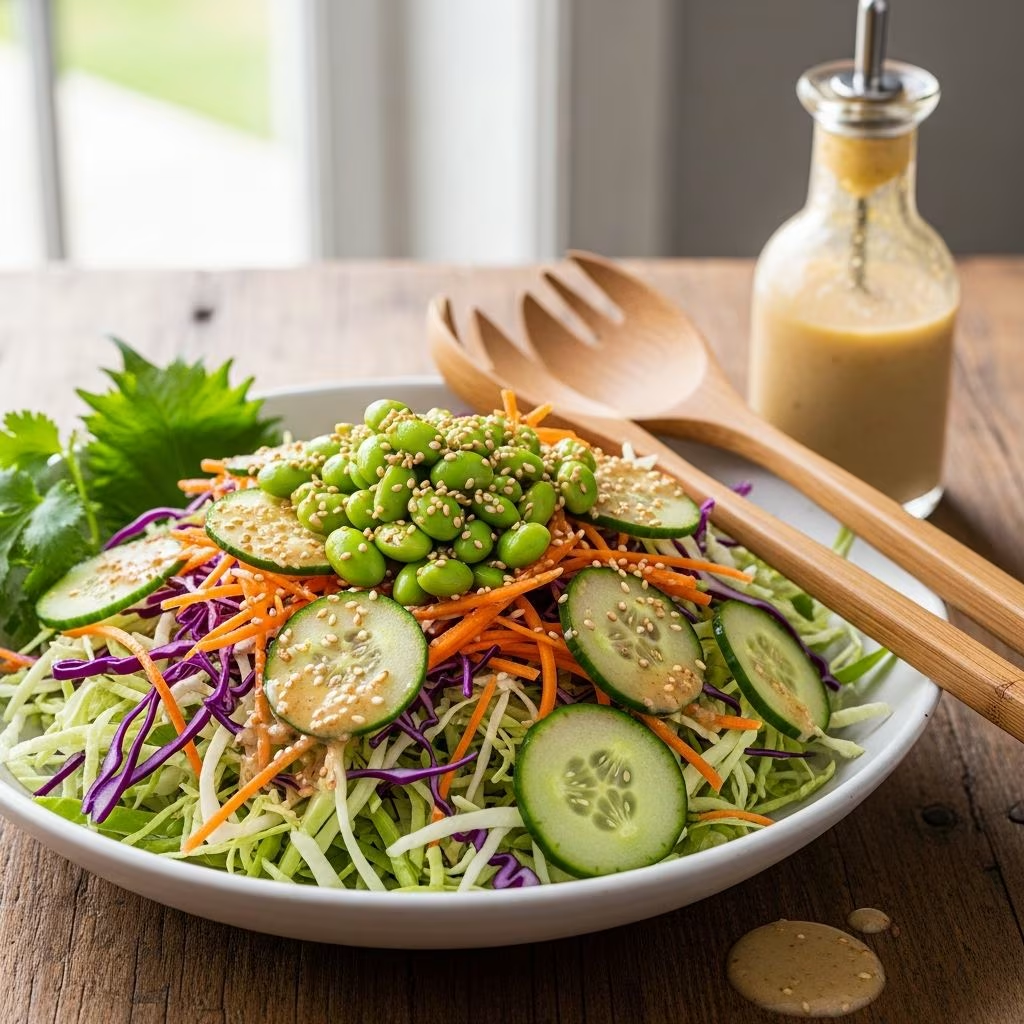
Japanese cabbage salad stands as one of the most versatile and straightforward side dishes in Asian cuisine. This dish combines the satisfying crunch of fresh vegetables with a deeply flavorful dressing that balances umami, acidity, and subtle sweetness. Whether you serve it alongside grilled salmon, fried rice, or tonkatsu, this salad delivers a refreshing contrast that elevates any meal. The beauty of this recipe lies in its simplicity—requiring just minutes of preparation and minimal ingredients that you likely already have in your kitchen.
Understanding the Core Components
Creating an exceptional Japanese cabbage salad begins with understanding each ingredient’s role. The foundation starts with selecting the right cabbage variety. While traditional recipes use standard green cabbage, you can experiment with red cabbage or Napa cabbage for different flavor profiles and textures. The key is choosing a fresh head with a light-colored stem rather than brown or red discoloration, which indicates age.
The preparation of cabbage dramatically impacts the final texture. Rather than chopping roughly, finely shredding the vegetable creates the characteristic delicate strands that absorb the dressing efficiently. Some practitioners prefer using a mandoline for uniform cuts, while others find a sharp knife sufficient for home cooking.
The Dressing Foundation
The dressing transforms simple cabbage into a memorable dish through layered flavors. Japanese soy sauce provides the essential umami base with its rich, salty profile. Rice vinegar contributes bright acidity that prevents the dish from becoming one-dimensional, while toasted sesame oil adds fragrant, nutty notes that distinguish this salad from other Asian preparations.
Sugar plays an underrated role in balancing these elements. Rather than making the salad sweet, it rounds out harsh edges and enhances the natural umami compounds. Fresh garlic adds pungency, while dissolved stock cube contributes additional depth and savory complexity to the dressing.
Ingredient Selection and Substitution Options
Creating variations of this recipe allows you to adapt it to different preferences and dietary needs. Here are common substitutions:
- Cabbage varieties: Angel hair cabbage works beautifully for a more delicate texture, while Napa cabbage brings a slightly sweeter profile. Savoy cabbage offers tenderness without sacrificing crunch.
- Oil options: While toasted sesame oil is traditional, you can substitute light sesame oil if you prefer a more subtle flavor. Avoid using regular vegetable oil, as it lacks the distinctive character this salad requires.
- Vinegar alternatives: Rice vinegar is ideal, but apple cider vinegar or white vinegar work in a pinch, though they produce slightly different tasting results.
- Protein additions: Some versions incorporate sesame seeds exclusively, while others add white sesame seeds or toast them for enhanced nuttiness.
- Fresh elements: Green onions, cucumbers, and ginger can be incorporated for additional freshness and complexity.
Step-by-Step Preparation Technique
Cabbage Preparation
Begin by selecting your cabbage head and removing the outer leaves if they appear damaged or discolored. Finely shred the cabbage using your preferred method—knife, mandoline, or food processor. The goal is creating uniform, thin strands that will readily absorb the dressing without becoming mushy.
For those seeking maximum crispness, submerge the shredded cabbage in cold water for at least 30 minutes. This rehydration process revitalizes the vegetable fibers, creating that signature crisp texture associated with restaurant-quality Japanese cabbage salad. Drain thoroughly and pat dry before dressing to prevent diluting your sauce.
Sesame Seed Preparation
Toasting sesame seeds fresh rather than using pre-toasted versions enhances their aroma and flavor profile. Place sesame seeds in a dry skillet over medium heat, stirring frequently for approximately one to two minutes until they become golden and fragrant. You’ll know they’re ready when the aroma intensifies noticeably. Remove them immediately to prevent burning, as they continue cooking from residual heat.
Dressing Assembly
Combine all dressing ingredients in a separate bowl before mixing with the salad. Whisk together soy sauce, rice vinegar, sesame oil, sugar, minced garlic, and dissolved stock cube. This approach allows flavors to meld and ensures even distribution throughout the salad. If you prefer creamier versions, mayonnaise can be incorporated into the dressing base.
Final Assembly and Serving
Timing matters significantly with this salad. Add the dressing immediately before serving to maintain maximum crispness in the cabbage. Toss thoroughly to coat every strand with the flavorful dressing, then top with toasted sesame seeds and optional garnishes such as chili flakes or chopped chives. Serve immediately for optimal texture and freshness.
Flavor Balancing and Customization
The beauty of Japanese cabbage salad lies in its ability to adapt to personal preferences. Those seeking additional heat can increase garlic quantity or add chili flakes for spiciness. For deeper umami notes, increase the amount of soy sauce or stock cube slightly.
Ginger paste or fresh grated ginger introduces warmth and complexity that complements the other ingredients. Some variations include shredded cucumber and sliced green onions alongside cabbage for textural variety and added freshness. These additions maintain the spirit of the original while creating a more substantial side dish.
Nutritional Profile and Health Considerations
This salad offers impressive nutritional benefits alongside its delicious flavor. A typical serving contains approximately 67 calories, making it an excellent choice for those monitoring caloric intake. The cabbage provides dietary fiber supporting digestive health, while sesame seeds contribute beneficial oils and minerals including calcium and iron.
Cabbage contains compounds that support cellular health, and the fermented soy sauce contributes probiotics that support digestive wellness. Sesame oil provides monounsaturated fats that support cardiovascular function. The garlic and ginger offer antimicrobial and anti-inflammatory properties, making this salad as nutritious as it is delicious.
Storage and Make-Ahead Strategies
While this salad achieves its best texture when served immediately, leftovers remain palatable for up to two days when stored in an airtight container in the refrigerator. The cabbage gradually absorbs more of the dressing flavor, which some prefer, though texture gradually diminishes.
For meal preparation, prepare components separately and combine just before eating. Shredded cabbage stored in water remains crisp for several days, while the dressing keeps refrigerated for up to one week. Toast sesame seeds fresh each time for maximum aroma and flavor impact.
Pairing Suggestions and Serving Ideas
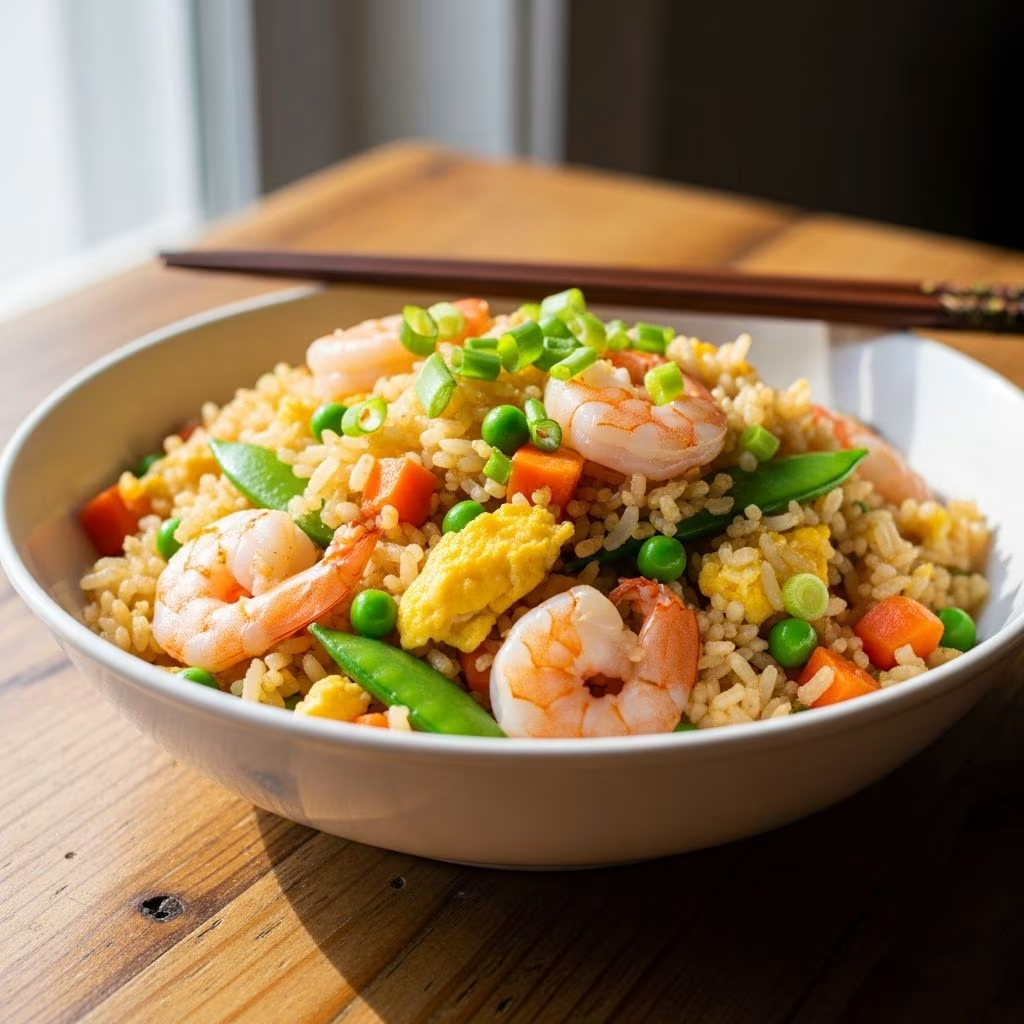
This versatile salad complements numerous main dishes. Serve alongside grilled salmon for a light, refreshing meal that balances rich fish with crisp vegetables. Pair with fried rice for textural contrast, or offer as a palate cleanser between courses at dinner parties.
Tonkatsu, Japanese breaded pork cutlets, traditionally accompany shredded cabbage salad, creating a beloved comfort food combination. The salad’s acidity and crispness cut through richness, making it perfect with fried or grilled proteins.
Common Mistakes to Avoid
Several pitfalls can compromise this otherwise foolproof dish. Oversaturating the dressing creates soggy salad—a minimal amount applied just before serving prevents this. Using old, wilted cabbage produces disappointing texture regardless of other ingredients. Skipping the sesame seed toasting step diminishes the salad’s distinctive flavor profile significantly.
Using stale sesame oil or rancid nuts creates off-flavors that overwhelm the delicate balance. Always check expiration dates on Asian condiments, as they degrade faster than Western counterparts. Finally, preparing the salad too far in advance guarantees texture degradation.
Quick Preparation Timeline
This recipe’s greatest strength is its speed. From start to finish, preparation requires approximately 10 minutes for the simple version. Even with additional vegetables and careful technique, most preparations complete within 15 minutes.
- Minutes 0-3: Shred cabbage and begin dressing ingredient assembly
- Minutes 3-5: Toast sesame seeds and whisk dressing components
- Minutes 5-8: Combine dressing ingredients and begin final assembly
- Minutes 8-10: Toss salad with dressing and garnish with seeds
Frequently Asked Questions
Can I make this salad ahead of time? While the salad maintains palatability for two days refrigerated, it achieves optimal crispness when served immediately. Prepare components separately and combine shortly before serving for best results.
What cabbage varieties work best? Green cabbage is traditional, but Napa, savoy, red, and angel hair varieties all produce excellent results with slightly different flavor and texture profiles.
Is mayonnaise necessary? Traditional recipes omit mayonnaise, but some contemporary variations incorporate it for creamier texture. This remains optional based on personal preference.
How long do sesame seeds stay fresh? Once toasted, sesame seeds are best used immediately. Pre-toasted seeds begin losing flavor within hours. Toast fresh whenever possible.
Can I reduce sodium content? Use low-sodium soy sauce or tamari to lower salt levels while maintaining umami flavor. Reduce the quantity of dissolved stock cube or omit it entirely.
Expanding Your Japanese Salad Repertoire
Mastering Japanese cabbage salad opens doors to exploring related dishes. Cucumber salads with similar dressings, seaweed salads, and edamame preparations all employ comparable flavor principles. Once comfortable with this foundation, experiment with adding proteins like grilled chicken or shrimp, fresh herbs like cilantro or mint, or nuts like sesame and peanuts.
References
- Japanese Cabbage Salad Recipe — Cooked & Loved. 2024. https://www.cookedandloved.com/recipes/japanese-cabbage-salad/
- Japanese Cabbage Salad — Espresso and Lime. 2024. https://espressoandlime.com/japanese-cabbage-salad/
- Japanese Cabbage Salad — Foodie With Family. 2024. https://www.foodiewithfamily.com/japanese-cabbage-salad/
- Japanese Shredded Cabbage Salad — No Recipes. 2024. https://norecipes.com/japanese-cabbage-salad/