Transform a fresh pork leg into a succulent, flavorful ham using time-honored curing methods. Home-curing allows full control over ingredients, resulting in a tender cut infused with custom seasonings that elevates any holiday table. This comprehensive guide draws from proven techniques to ensure safety and delicious results.
Why Choose Home-Cured Over Store-Bought?
Store-bought hams often contain preservatives and artificial flavors, limiting customization. Curing at home yields superior taste with natural spices, reduced sodium if desired, and the satisfaction of a handmade masterpiece. It’s cost-effective for large gatherings and builds essential food preservation skills.
Fresh hams start as uncooked pork legs, bone-in or boneless, weighing 10-15 pounds for family servings. Proper curing prevents spoilage while developing the pink hue and smoky notes associated with classic hams.
Selecting the Perfect Fresh Ham
Opt for a high-quality, skin-on pork leg from a trusted butcher or farm. Bone-in varieties offer richer flavor and easier carving presentation. Ensure the meat is fresh, with firm texture and no off odors. For smaller batches, a 5-7 pound shoulder works well.
- Bone-in ham: Enhances juiciness and visual appeal.
- Boneless: Simpler to slice but may dry out faster.
- Skin-on: Protects during curing; peel before glazing.
Essential Ingredients for Brining and Curing
A balanced brine draws out moisture then reabsorbs it with seasonings, tenderizing the meat. Core components include salt for preservation, sugar for balance, and optional curing salts for color and safety.
| Ingredient | Purpose | Quantity (for 10-15 lb ham) |
|---|---|---|
| Kosher salt | Preservation and flavor base | 3-3.5 cups |
| Brown or white sugar | Balances saltiness, caramelization | 1.5-2 cups |
| Water | Brine medium | 8-10 quarts |
| Juniper berries or pickling spice | Aroma and complexity | 1/2 tbsp – 1 tbsp |
| Pink curing salt #1 (optional) | Prevents botulism, pink color | 1-2.5% of meat weight |
Without curing salt, limit brining to 5-7 days and consume promptly. For longer cures, it’s essential per USDA guidelines for safety.
Mastering the Wet Brine Method
Wet brining submerges the ham fully, ideal for beginners. This process takes 5-10 days depending on size.
- Prepare brine: Simmer 2 quarts water with salt, sugar, and spices until dissolved. Cool completely with ice.
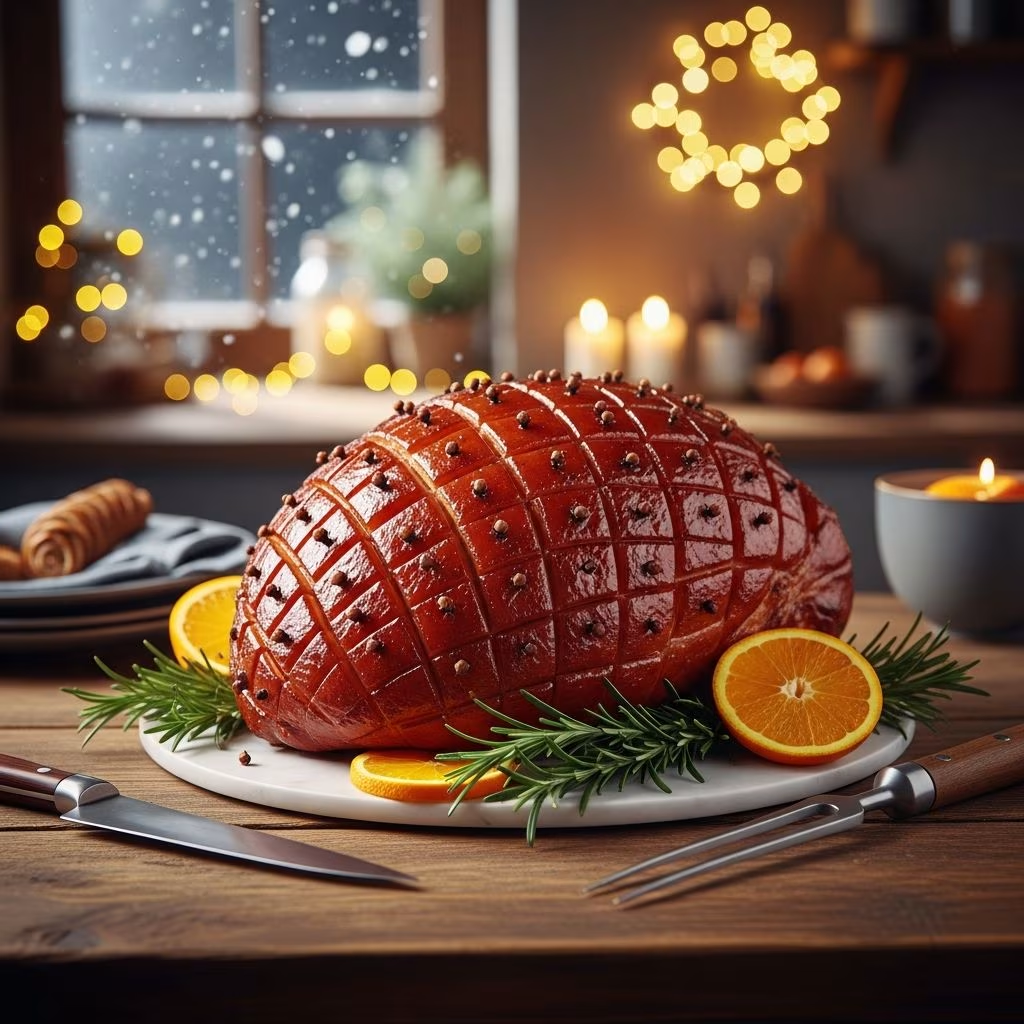
- Prep ham: Score fat cap in diamonds (1-inch grid) for brine penetration. Remove excess skin if desired.
- Submerge: Place in food-grade bucket or bin. Add remaining cold water; weigh down with plate. Refrigerate 5+ days.
- Rinse and dry: Rinse thoroughly 2-5 minutes. Pat dry, air-dry on rack 24-48 hours to form pellicle.
Monitor fridge space; large hams require dedicated shelving. Stir brine daily for even distribution.
Dry Curing: An Alternative Approach
Dry rubs suit smaller cuts or advanced curers, applying salt mixture directly. Rub 2.5% salt and 1.25% sugar per meat weight, plus spices. Wrap and refrigerate 7-14 days, flipping daily. Rinse, dry, and proceed to smoking.
This method concentrates flavors but risks uneven cure in large pieces. Combine with equilibrium brining for precision.
Cooking Your Cured Ham: Baking Basics
Post-curing, low-and-slow baking tenderizes without drying. Preheat oven to 325°F. Place ham in roasting pan, fat-side up. Bake until internal temperature hits 145°F (about 30 min/lb).
Use a probe thermometer for accuracy. Tent with foil if browning too fast. No smoker? Brush with liquid smoke pre-bake.
Smoking for Authentic Flavor
Smoking imparts signature hickory or applewood essence. After pellicle forms, smoke at 225-250°F to 140°F internal, 1-1.5 hours per pound.
- Woods: Hickory for bold smoke; fruitwoods for subtle sweetness.
- Injector method: For faster brine uptake, inject cooled brine into meat.
- Finish: Glaze during final hour, bumping temp to 325°F.
Creating a Show-Stopping Glaze
Glazes caramelize for shiny, sticky crust. Apply in layers after 120°F internal.
| Glaze Type | Key Ingredients | Application Tips |
|---|---|---|
| Classic Honey-Mustard | Dijon, brown sugar, honey, cloves | Baste every 30 min post-120°F. |
| Maple-Brown Sugar | Dark maple, brown sugar, vinegar | Thickens at high heat; watch for burn. |
| Molasses Spice | Molasses, cider, pickling spices | Boosts during smoke phase. |
Boil glaze ingredients to thicken, cool before use. Score fat deeper pre-glaze for adhesion.
Safety First: Curing Guidelines
Food safety is paramount. Maintain fridge below 40°F during brine. Use curing salt #1 for cures under 30 days; #2 for dry-aged longer. Discard brine post-use. Internal 145°F kills pathogens.
For nitrates-free, short brine only on fresh, cold meat. Test smaller batches first.
Storage and Leftovers
Cooked ham keeps 5-7 days refrigerated or freezes 2 months sliced. Reheat covered at 325°F to 140°F with stock.
- Broths: Simmer bone for soups.
- Repurpose: Casseroles, salads, sandwiches.
- Canning: Pressure can chunks for pantry staples.
Pairing and Serving Suggestions
Slice thin against bone for tenderness. Serve with pineapple, scalloped potatoes, or greens. Wines: Off-dry Riesling cuts richness.
Feeds 10-15; scale brine accordingly.
Frequently Asked Questions
Can I cure without pink salt?
Yes, for short brines (5 days), but monitor closely and cook promptly. Pink salt ensures safety and color.
How long does brining take?
5-10 days refrigerated per 10 lbs. Larger needs more time.
What’s the best wood for smoking ham?
Hickory or apple for balance of smoke and fruit.
Can I use a turkey fryer for cooking?
Yes, but monitor temp precisely for even results.
How do I fix an overly salty ham?
Soak in fresh water 12-24 hours, changing twice.
Advanced Variations
Experiment with bourbon glazes, injecting marinades, or dry-aging 30+ days with cure #2. Infuse brines with citrus or herbs for twists.
Word count: 1678 (excluding metadata/HTML tags).
References
- Home Cured Holiday Ham — Simple Living Alaska. 2023. https://www.simplelivingalaska.com/post/home-cured-holiday-ham
- Home-Cured and Smoked Ham Recipe — Chef Billy Parisi. 2024. https://www.billyparisi.com/cured-and-smoked-ham/
- Best From-Scratch Holiday Ham Recipe — Joshua Weissman. 2023. https://www.joshuaweissman.com/recipes/best-classic-holiday-ham-recipe
- THE ULTIMATE Holiday Ham (Cured, Glazed & Smoked) — Adam Witt. 2024. https://www.adamwitt.co/allrecipes/gsi21499ho995w5k8o1x6c9n0mavyv-za9jl-m3f6s-kb3lt
- Home cured ham: how to brine a ham — A Farmish Kind of Life. 2022. https://afarmishkindoflife.com/home-cured-brine-a-ham/