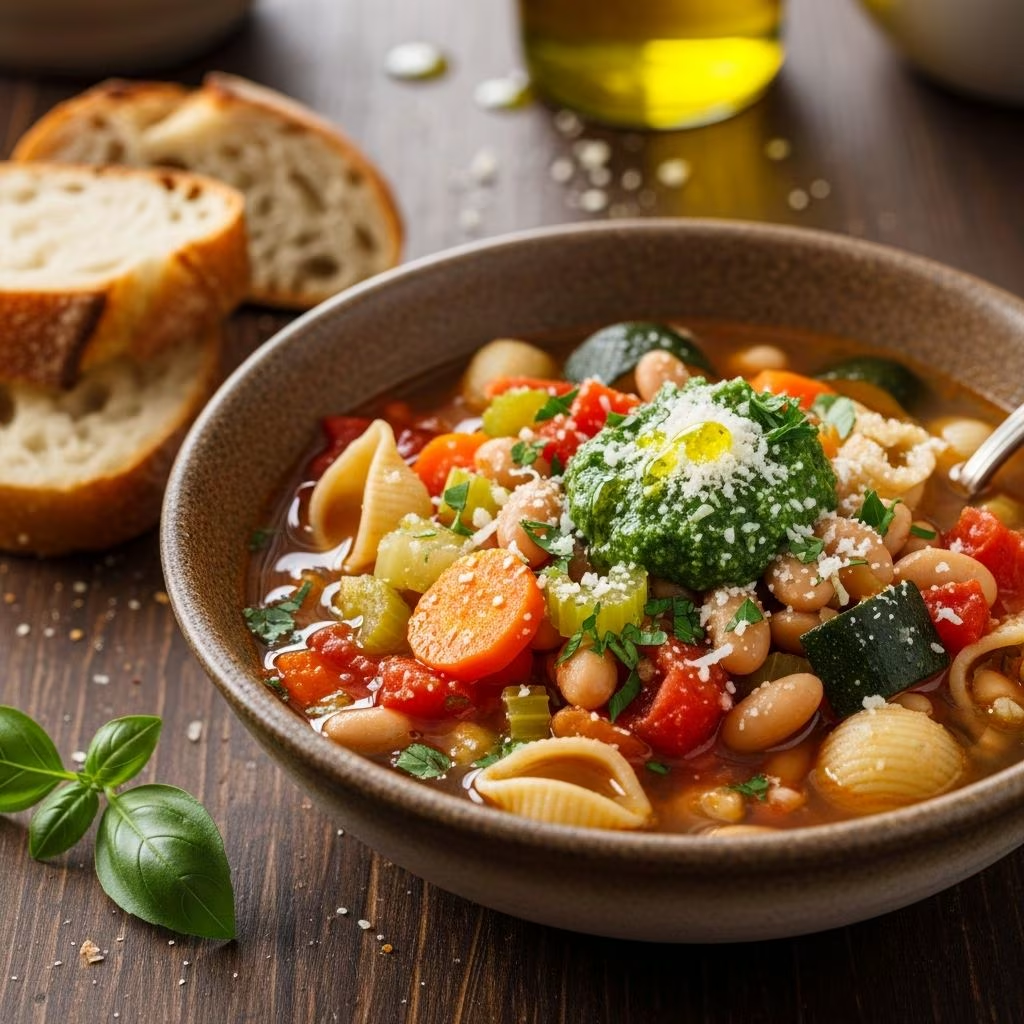
Minestrone soup represents one of the most celebrated dishes in Italian cuisine, and Jamie Oliver’s interpretation has become beloved by home cooks worldwide. This hearty vegetable soup combines fresh seasonal produce, legumes, and aromatic ingredients to create a satisfying meal that works equally well as a light lunch or a warming dinner. Understanding the techniques and components that make this soup exceptional allows you to recreate restaurant-quality results in your own kitchen.
Understanding the Foundation of This Iconic Soup
The brilliance of minestrone lies in its versatility and the way it celebrates whatever vegetables are in season. Jamie Oliver’s approach emphasizes building deep, complex flavors through methodical preparation and the Italian cooking technique known as soffritto. This technique involves slowly frying aromatics and vegetables at low heat to develop an intensely flavored base that provides the foundation for the entire soup. Rather than rushing through the cooking process, taking time to properly develop these foundational flavors transforms the final result from ordinary to exceptional.
The name “minestrone” itself derives from the Italian word “minestra,” meaning soup, with the diminutive suffix suggesting a substantial, hearty version. This soup traditionally showcases whatever produce is available, making it both economical and adaptable to personal preferences and dietary requirements.
Essential Ingredients and Their Selection
Creating an authentic minestrone begins with thoughtfully selecting each component. The vegetable selection typically includes onions, carrots, and celery as the aromatic base, with additional vegetables depending on the season and personal preference.
Primary Vegetables
- Red onions: Two medium onions provide sweetness and create the flavorful base layer
- Carrots: Three medium carrots contribute natural sweetness and texture variety
- Celery: Five sticks add depth and subtle herbaceous notes
- Leeks: Two medium leeks offer a refined onion-like flavor that’s less aggressive than regular onions
- Cabbage: One head or equivalent mixed vegetables provide volume and nutritional value
Proteins and Legumes
Beans serve as the primary protein source in traditional minestrone. Cannellini beans are classic, though borlotti beans and other varieties work equally well. Using dried beans soaked overnight yields superior texture compared to canned alternatives, though canned beans offer convenience without sacrificing quality.
Aromatics and Seasonings
- Fresh garlic cloves, peeled and finely sliced
- Fresh rosemary, chopped into small pieces
- Bay leaves for subtle aromatic complexity
- Fresh basil, with leaves and stalks separated for different cooking stages
- Sea salt and freshly ground black pepper
Broth and Liquid Components
The quality of broth dramatically impacts the final soup’s character. Jamie Oliver recommends using quality gammon or ham stock, though chicken or vegetable broth serves as excellent alternatives. Some variations incorporate a glass of red wine to add depth and subtle acidity that brightens the overall flavor profile.
Preparing Vegetables: The Critical First Step
Successful minestrone preparation begins long before cooking. Proper knife work and organization streamline the cooking process and ensure even cooking throughout the soup.
Prep Strategy
Begin by washing all vegetables thoroughly under running water. Peel onions and carrots, removing any damaged outer layers. Trim celery stalks, removing any strings along the outer edges. For leeks, cut them lengthwise and rinse between layers to remove any trapped soil. Roughly chop onions and carrots into similar-sized pieces to ensure even cooking. Finely chop celery, leeks, and garlic, as these form the soffritto base and benefit from smaller pieces that cook more completely.
Reserve additional vegetables such as zucchini, cabbage, and leafy greens for later stages in the cooking process. This staggered addition preserves their individual flavors and textures rather than allowing them to completely dissolve into the broth.
Building Flavor Through the Soffritto Technique
The soffritto represents the most crucial stage in creating authentic minestrone. This Italian technique of slowly cooking aromatic vegetables releases their natural sugars and develops complex, intense flavors that form the soup’s backbone.
The Soffritto Process
Heat a generous amount of olive oil in a large, heavy-bottomed pot or casserole over medium-low heat. Add the chopped onions, carrots, celery, leeks, and garlic. The key to successful soffritto involves maintaining a low temperature and stirring frequently to prevent browning. The vegetables should become soft and translucent after approximately 15 to 20 minutes, releasing their aromatics into the oil without developing any color.
Some recipes include the bay leaf and fresh basil stalks during this stage, infusing their flavors directly into the base. Keep the heat deliberately low; any browning indicates the temperature is too high, which develops different flavor compounds that can become bitter.
Adding Tomatoes and Wine for Depth
Once the soffritto reaches the proper consistency, add the tomatoes and any red wine called for in your chosen recipe variation. If using fresh plum tomatoes, core them and roughly chop them into chunks. Canned tomatoes should be drained and crushed by hand or with the back of a wooden spoon.
The red wine, when included, should simmer gently for several minutes, allowing the alcohol to evaporate while its complex flavors remain. This stage typically continues for about 15 minutes, allowing the tomatoes and wine to reduce slightly and concentrate their flavors into the base.
Incorporating Beans and Broth
With the flavor base properly established, add the prepared beans and quality broth. If using dried beans, cook them separately until nearly tender before adding to the soup. The addition of liquid dramatically increases the volume, so add it gradually if you prefer a thicker, brothier consistency.
Bring the mixture to a gentle simmer, maintaining a temperature that produces occasional bubbles at the surface rather than a rolling boil. Gentle simmering preserves the integrity of vegetables and develops flavors more effectively than aggressive boiling.
Pasta Integration and Final Cooking
Dried spaghetti or other small pasta shapes are traditional components, with approximately 170 grams being typical for a substantial soup serving multiple people. Break spaghetti into smaller pieces before adding to the pot. The pasta finishes cooking within the soup, absorbing the flavorful broth while adding body and substance.
Add pasta when other vegetables are nearly tender and the broth has developed fully. This typically requires 10 to 12 minutes of simmering, allowing the pasta to reach al dente consistency without becoming mushy. Stir occasionally to prevent pasta from settling and sticking to the pot bottom.
Seasoning and Taste Adjustment
Proper seasoning represents the final crucial step. Begin with conservative amounts of salt, as the broth already contains sodium. Taste the soup periodically during cooking and adjust gradually. Freshly ground black pepper adds pleasant heat without overwhelming other flavors.
Some variations suggest adding a final handful of fresh basil leaves at the very end of cooking, adding bright herbaceous notes that complement the developed flavors without becoming cooked and muted.
Serving Suggestions and Accompaniments
Minestrone reaches its full potential when served thoughtfully. Ladle the hot soup into large bowls, ensuring each serving contains a good proportion of vegetables, pasta, and beans suspended in flavorful broth.
Traditional Accompaniments
- Extra virgin olive oil: A final generous drizzle adds richness and brings forward subtle olive flavors
- Grated Parmesan cheese: Freshly grated cheese adds umami depth and creamy texture
- Fresh basil leaves: Torn or roughly chopped basil provides aromatic brightness
- Crusty bread: Rustic bread or ciabatta provides textural contrast and absorbs the flavorful broth
- Garlic bread: Toasted bread rubbed with garlic cloves and brushed with olive oil creates a more substantial accompaniment
Seasonal Variations and Adaptations
While the core technique remains constant, minestrone welcomes seasonal variations. Spring versions might emphasize tender young vegetables like asparagus, peas, and broad beans. Summer preparations incorporate zucchini, green beans, and fresh tomatoes. Autumn and winter versions benefit from heartier vegetables including chard, spinach, and cabbage.
These variations maintain the essential cooking method while celebrating whatever produce is at peak freshness, ensuring the soup tastes equally satisfying throughout the year.
Storage and Make-Ahead Considerations
Minestrone refrigerates well for up to three days, with flavors actually developing and intensifying as the soup sits. Store in airtight containers to maintain freshness. The soup can also be frozen for up to three months, making it an excellent candidate for meal preparation. Freeze in portion-sized containers for convenient reheating.
Note that pasta continues absorbing broth during storage, potentially creating a thicker consistency. Adding additional broth or water during reheating restores the desired consistency.
Frequently Asked Questions
Can I use canned beans instead of dried?
Yes, canned beans provide convenience without significantly compromising quality. Use approximately one standard can per serving, draining and rinsing before adding. Add canned beans later in cooking than dried beans, as they’re already tender.
What if I don’t have all the vegetables listed?
Minestrone’s strength lies in its flexibility. Use whatever fresh vegetables you have available, adjusting quantities as needed. The cooking technique remains the same regardless of specific vegetable selection.
Is vegetable broth acceptable for this recipe?
Absolutely. While Jamie Oliver often recommends ham or chicken stock, quality vegetable broth produces equally delicious results, making this an excellent vegetarian option.
Can I make this soup in advance?
Yes, prepare the soffritto and add broth, then refrigerate. Add pasta and final vegetables shortly before serving to maintain their texture and prevent over-absorption of broth.
How do I adjust consistency?
Add additional broth to thin a thick soup, or simmer uncovered to reduce and concentrate a thin soup. Individual preference dictates whether you prefer a brothier or thicker consistency.
References
- My minestrone soup — Jamie Oliver Official Recipes. 2024. https://www.jamieoliver.com/recipes/soup/my-minestrone-soup/
- Jamie Oliver’s Spring Minestrone Recipe — The Happy Foodie. 2024. https://thehappyfoodie.co.uk/recipes/spring-minestrone/
- Minestrone Soup | Vegetables Recipes – Jamie Oliver — Jamie Oliver Official Recipes. 2024. https://www.jamieoliver.com/recipes/vegetables/early-autumn-minestrone-minestrone-d-inizio-autunno/
- Wholesome Minestrone Soup — Jamie Oliver Official Recipes. 2024. https://www.jamieoliver.com/recipes/soup/wholesome-minestrone-soup/