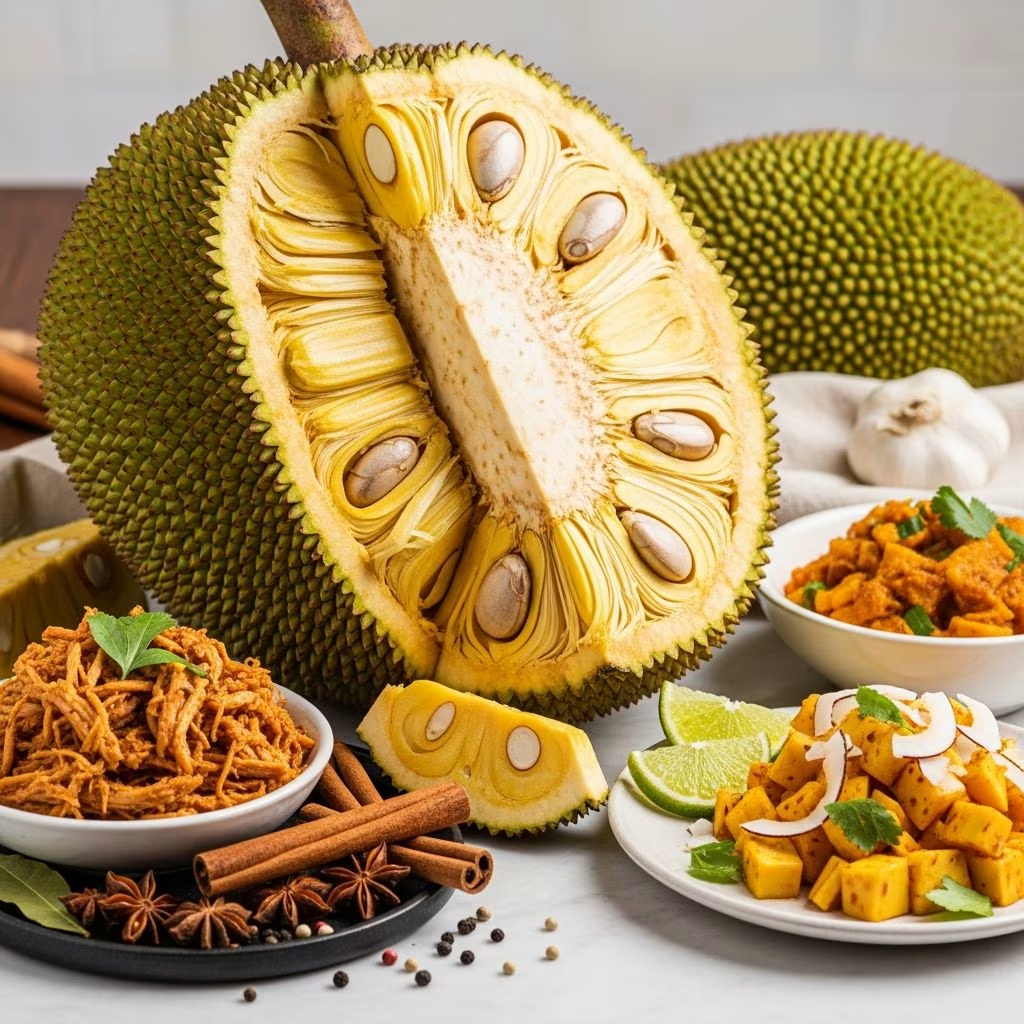
The produce section of grocery stores worldwide has undergone a quiet revolution. Where shoppers once passed by unfamiliar items without a second glance, they now pause to examine an enormous, spiky fruit that seems almost alien in appearance. This fruit is jackfruit, and it has emerged as one of the most significant ingredients in contemporary plant-based cooking. What began as a regional staple in South and Southeast Asia has transformed into a globally recognized ingredient that bridges culinary traditions, nutritional science, and environmental consciousness.
Understanding the Jackfruit: Nature’s Remarkable Specimen
Jackfruit occupies a unique place in the botanical world. As the world’s largest tree fruit, jackfruit demonstrates extraordinary physical proportions that distinguish it from other cultivated produce. Smaller specimens typically weigh between 10 to 15 pounds, while mature jackfruits can reach massive dimensions, with some exceeding 100 pounds in total weight. This substantial size alone makes jackfruit a formidable presence in any kitchen, commanding attention and respect from cooks and consumers alike.
The journey from tree to table begins with understanding the fruit’s ripeness spectrum. The flavor profile and textural properties of jackfruit change dramatically depending on its maturity level at harvest. Young, green jackfruit exhibits a relatively neutral, mild flavor that proves ideal for absorbing surrounding seasonings and complementary ingredients. This characteristic has made unripe jackfruit the preferred choice for savory applications, particularly in meat-alternative preparations. In contrast, mature, ripened jackfruit develops a sweeter character, offering flavor notes reminiscent of tropical fruits like mango and pineapple combined. This natural sweetness positions ripe jackfruit as an excellent candidate for desserts, beverages, and sweet preparations.
Nutritional Composition and Health Implications
Beyond its culinary appeal, jackfruit delivers a substantial nutritional foundation that supports various dietary approaches and health objectives. The fruit contains meaningful quantities of essential nutrients including carbohydrates, vitamins, minerals, and dietary fiber, while maintaining remarkably low fat content. This nutritional balance creates an attractive profile for individuals seeking to increase plant-based food consumption without excessive caloric density.
A single cup of raw jackfruit provides approximately 157 calories, 38.3 grams of carbohydrates, just 1 gram of fat, and 2.5 grams of fiber. The micronutrient profile includes vitamin A, vitamin C, magnesium, and vitamin B6—compounds that support immune function, cellular health, and metabolic processes. Perhaps surprisingly for a fruit, jackfruit contains nearly three times the protein amount found in comparable fruit servings, making it more protein-dense than many alternative plant foods.
The phytonutrient content of jackfruit extends beyond basic vitamins and minerals. The fruit contains beneficial compounds including isoflavones, carotenoids, and flavonoids—substances recognized for their antioxidant and anti-inflammatory properties. Research supports the health-promoting potential of these compounds, suggesting that dietary antioxidants like vitamin C may help protect cellular structures against oxidative stress and reduce chronic inflammation associated with serious health conditions. Additionally, jackfruit qualifies as a low glycemic food due to its fiber content, meaning the fruit is digested gradually, preventing rapid blood sugar fluctuations—a significant advantage for individuals managing glucose levels.
The Protein Question: Managing Expectations
While jackfruit’s protein content exceeds that of most fruits, it remains substantially lower than conventional meat products or concentrated plant-based protein sources. This distinction proves crucial for individuals considering jackfruit as a primary protein source within meal planning. The textural similarity to pulled pork or shredded chicken that makes jackfruit appealing as a meat substitute does not extend to equivalent protein delivery. Consequently, those preparing jackfruit-based dishes should ensure remaining daily food choices contain sufficient protein to meet nutritional requirements, rather than depending exclusively on jackfruit to fulfill protein needs.
Culinary Applications: From Savory to Sweet
The remarkable versatility of jackfruit extends across virtually every culinary application imaginable. In savory preparations, young jackfruit’s neutral flavor and fibrous texture adapt readily to traditional meat-based recipes. Shredded jackfruit substitutes effectively in tacos, sandwiches, and pizza toppings, while also performing admirably in Asian cuisine applications including stir-fries and curry-based dishes. The fruit’s ability to absorb surrounding flavors means that barbecue sauces, marinades, and spice blends impart their characteristics onto the jackfruit, creating dishes that satisfy those seeking meat-like dining experiences without animal products.
Sweet applications showcase different dimensions of jackfruit’s potential. Ripe jackfruit contributes natural sweetness and creamy texture to smoothies, parfaits, and hot cereals. Creative chefs have expanded beyond conventional applications, utilizing various jackfruit components for innovative dessert preparations. Jackfruit flowers, seeds, and processed powders offer textural and flavor dimensions that transform traditional sweets into unique creations. The slight mealiness of jackfruit creates exceptionally creamy ice creams and mousse preparations, while its low liquid content prevents the mushiness that affects fruit-based desserts.
Practical Purchasing and Preparation Guidance
Fresh jackfruit presents significant handling challenges, as the fruit’s size and tough exterior require specialized knowledge and equipment to process effectively. Recognizing these practical limitations, food manufacturers and retailers now offer convenient alternatives that democratize jackfruit access. Canned and frozen jackfruit products eliminate labor-intensive preparation steps, allowing consumers to enjoy the fruit’s benefits with minimal effort. When selecting canned jackfruit, choosing varieties packaged in water or natural juices rather than sweetened syrups ensures nutritional quality and prevents unnecessary added sugar and caloric content.
The commercial market has expanded substantially, with food companies introducing pre-seasoned jackfruit products featuring diverse flavor profiles. These innovations range from chili lime carnitas to Thai curry preparations, providing consumers with ready-to-use ingredients that streamline meal preparation while maintaining culinary sophistication. This accessible entry point has accelerated jackfruit adoption among home cooks and professional chefs alike.
Jackfruit as a Meat Alternative: Understanding the Reality
The most dramatic transformation in jackfruit’s global perception stems from its emergence as a plant-based meat substitute. Cooked young jackfruit develops a fibrous structure remarkably similar to pulled pork or shredded chicken, creating textural experiences that satisfy those accustomed to traditional animal products. This textural similarity, combined with jackfruit’s ability to absorb flavorings completely, enables preparation of convincing meat analogues without actually consuming meat.
However, tempering expectations proves essential. Jackfruit does not taste like meat; rather, it provides a textural foundation that, when properly seasoned and prepared, mimics the eating experience of certain meat preparations. This distinction matters significantly for consumers transitioning toward plant-based diets or experimenting with meat reduction. Those seeking authentic meat flavors will experience disappointment, while those open to novel eating experiences will discover satisfying alternatives that expand culinary possibilities.
The popularity explosion surrounding jackfruit’s meat-substitute applications has somewhat overshadowed the fruit’s other remarkable capabilities. Marketing emphasizing vegan pulled pork and meatless ribs has created a perception that jackfruit serves primarily as a replacement for animal products. This narrow framing, while commercially successful, obscures the fruit’s incredible potential across countless other applications and overlooks important questions regarding sustainability and environmental impact.
Nutritional Comparison: Jackfruit Versus Traditional Protein Sources
| Nutrient | Jackfruit (per cup raw) | Chicken Breast (per 100g) | Beans (per cup cooked) |
|---|---|---|---|
| Calories | 157 | 165 | 215 |
| Protein (g) | ~3 | 31 | 15 |
| Fat (g) | 1 | 3.6 | 1 |
| Carbohydrates (g) | 38.3 | 0 | 39 |
| Fiber (g) | 2.5 | 0 | 15 |
Environmental and Sustainability Considerations
Despite jackfruit’s remarkable properties and growing popularity, important questions regarding environmental sustainability warrant serious consideration. The rapid expansion of jackfruit cultivation and global distribution mirrors the trajectories of other tropical crops like avocados and bananas—trajectories that have raised substantial environmental concerns. Long-distance transportation, cold chain logistics, and agricultural expansion in sensitive ecosystems create environmental costs that merit thoughtful evaluation by conscious consumers.
Additionally, the current market focus on jackfruit’s meat-substitute applications reflects limited understanding of the fruit’s comprehensive potential. Commercial processing concentrates exclusively on the fibrous pulp suitable for meat imitation, neglecting seeds, flowers, and other fruit components that creative chefs have demonstrated possess distinct culinary value. This narrow approach simultaneously overemphasizes jackfruit’s role as meat replacement while underutilizing the fruit’s actual versatility.
Health Benefits Summary
- Immune Support: Rich in vitamin C and other antioxidants that strengthen immune function
- Digestive Health: Substantial fiber content promotes healthy digestion and gut microbiome development
- Blood Sugar Management: Low glycemic index prevents rapid blood glucose fluctuations
- Anti-inflammatory Properties: Phytonutrient compounds reduce chronic inflammation
- Cellular Protection: Antioxidants defend against oxidative stress and age-related cellular damage
- Weight Management: Low fat, high fiber content supports satiety with moderate caloric density
Frequently Asked Questions About Jackfruit
Where does jackfruit originate?
Jackfruit is native to South and Southeast Asia, where it has served as a dietary staple for centuries before gaining international recognition in recent decades.
How should I store jackfruit?
Fresh jackfruit requires cool storage and should be used relatively quickly. Canned and frozen varieties offer superior shelf stability and convenience, remaining viable for extended periods without special handling.
Can jackfruit replace meat completely in my diet?
While jackfruit provides satisfying texture and absorbs seasonings effectively, its protein content remains insufficient for meeting daily nutritional requirements independently. Combining jackfruit with other protein sources ensures adequate nutrition.
What does jackfruit taste like?
Young jackfruit possesses mild, nearly neutral flavor that readily absorbs surrounding seasonings. Ripe jackfruit develops sweeter characteristics reminiscent of mango and pineapple combined.
Are there pre-prepared jackfruit options available?
Yes, commercial preparations including canned, frozen, and pre-seasoned varieties are widely available at grocery retailers, eliminating extensive preparation requirements.
Incorporating Jackfruit Into Contemporary Cooking
For individuals seeking to experiment with jackfruit without committing to extensive preparation, canned or frozen varieties provide immediate access to this versatile ingredient. Simple applications include adding shredded jackfruit to existing recipe frameworks—tacos benefit from the addition, as do sandwiches, grain bowls, and salads. Hot cereal preparations transform with jackfruit additions, while stir-fries and curry dishes accommodate jackfruit seamlessly into existing flavor profiles.
More adventurous cooks can explore jackfruit’s expanding culinary frontier. Flowers, seeds, and pulp each contribute distinct characteristics to specialized preparations. Creating jackfruit essences, powders, and concentrated forms opens possibilities for sophisticated dessert applications. The fruit’s remarkable range of textures and consistencies provides surprising versatility across temperature applications, from frozen preparations to baked goods requiring moisture retention.
References
- Jackfruit Is the Game-Changing Vegan Ingredient That Perfectly Mimics Meat — Philadelphia Dietitian. 2023. https://phillydietitian.com/in-the-media/jackfruit-is-the-game-changing-vegan-ingredient-that-perfectly-mimics-meat-9xmrs/
- 10 Reasons Why We Can’t Get Enough of Jackfruit — PETA. https://www.peta.org/lifestyle/food/jackfruit-recipes/
- How jackfruit opens up new culinary worlds — KTCHNrebel. https://www.ktchnrebel.com/jackfruit-trendfood-vegan-fruit/