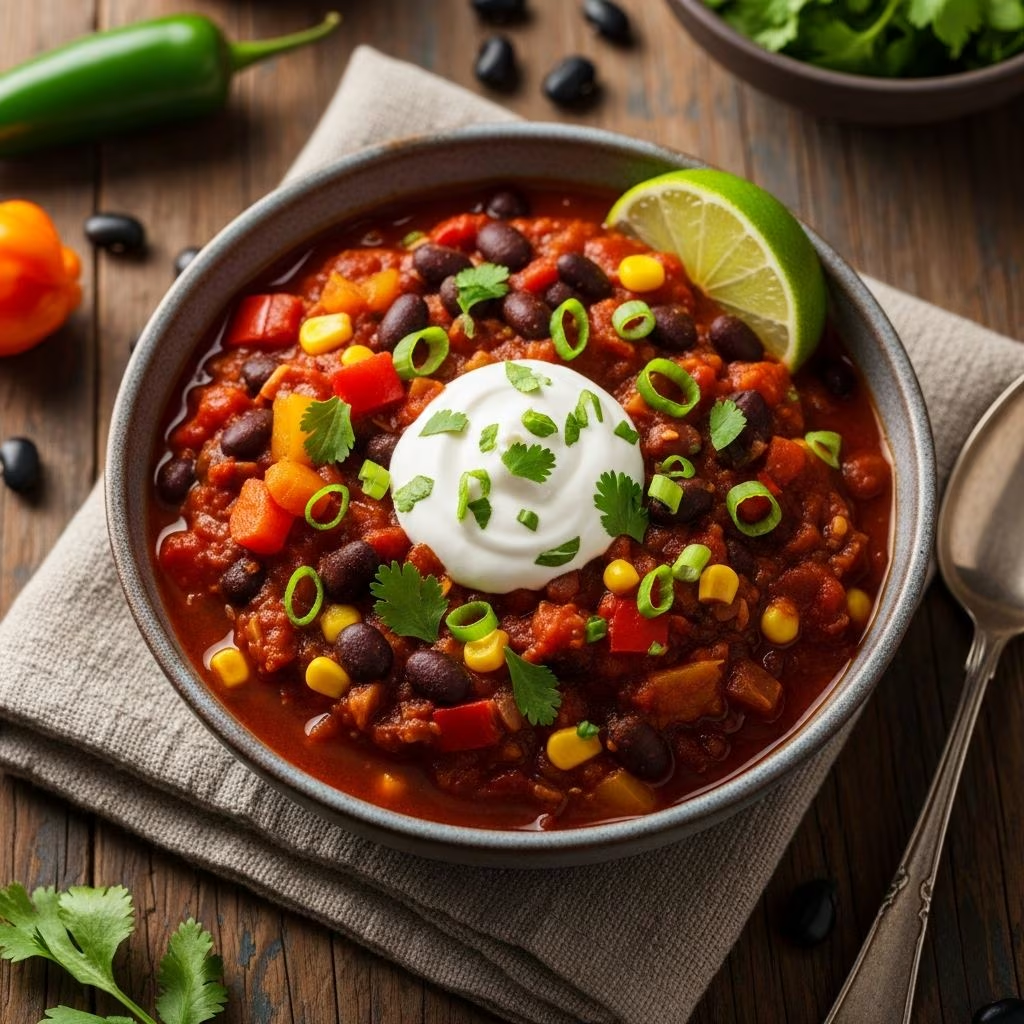
Vegetarian chili has become a staple in modern home cooking, offering a hearty, satisfying meal that doesn’t require meat to deliver robust flavor and substantial nutrition. Black bean chili, in particular, stands out as an accessible entry point for both novice and experienced cooks. The beauty of this dish lies in its versatility—you can prepare it in under 30 minutes using pantry staples, or invest additional time to develop deeper, more complex flavors.
Black beans serve as the foundation of this dish, providing plant-based protein, fiber, and a creamy texture when partially mashed. Combined with aromatic vegetables, warming spices, and tomato-based ingredients, they transform into a comforting meal that rivals traditional meat-based versions in satisfaction and depth.
Understanding the Core Components of This Dish
Before diving into preparation, it’s essential to understand how each ingredient contributes to the final product. The layering of flavors and textures creates a multi-dimensional eating experience that keeps people coming back for seconds.
The Protein Foundation: Black Beans
Black beans form the nutritional and textural backbone of this recipe. Whether using canned or dried beans, they contribute approximately 15 grams of protein per cooked cup, making them an excellent plant-based protein source. Canned beans offer convenience and consistency, while dried beans provide more control over sodium content and cooking time.
When using canned beans, reserve a portion of the liquid—approximately half a cup—before draining. This starchy liquid acts as a natural thickening agent and enriches the overall broth. For a creamier consistency, partially mash some beans using a fork or potato masher, which breaks down the starches without requiring additional cooking time.
The Aromatics: Building Flavor Layers
The foundation of any successful chili begins with sautéing onions and garlic in olive oil until softened and fragrant. This foundational step, taking just three to five minutes, allows the natural sugars in the onions to caramelize slightly, creating a sweet undertone that balances the chili’s spice. Finely minced garlic should be added toward the end of this initial cooking phase to prevent burning, which can introduce bitterness.
Bell peppers—typically red or green varieties—add freshness, natural sweetness, and textural contrast. Diced into uniform pieces, they soften during simmering while maintaining enough structure to provide a pleasant bite. Some variations incorporate jalapeños or other chili peppers for additional heat and complexity.
The Tomato Base: Selecting Your Components
Tomatoes provide acidity, moisture, and umami depth. Most recipes combine tomato sauce with either diced fire-roasted tomatoes or roasted diced green chiles, which add smoky undertones unavailable in regular canned tomatoes. Fire-roasted varieties offer superior flavor development, having been charred to concentrate sugars and create subtle smoky notes.
The choice between different tomato preparations significantly impacts the final flavor profile. Fire-roasted tomatoes contribute depth and complexity, while fresh green chiles introduce a bright, fresh spice that complements the earthiness of black beans.
Spice Selection and Flavor Development
The spice blend distinguishes an ordinary chili from an exceptional one. Understanding each component’s role enables thoughtful customization based on personal preferences.
Essential Spices and Their Functions
| Spice | Amount (approx.) | Flavor Profile | Purpose |
|---|---|---|---|
| Cumin | 1-2 teaspoons | Warm, earthy | Provides foundational warmth and earthiness |
| Chili Powder | 1-3 tablespoons | Spicy, fruity | Adds heat and complexity; blend type varies |
| Oregano (Mexican variety preferred) | 1-2 teaspoons | Peppery, slightly minty | Enhances savory depth; Mexican oregano has stronger flavor |
| Paprika | ½-1 teaspoon | Sweet or smoky | Adds color and subtle sweetness or smokiness |
| Garlic Powder (optional) | ½ teaspoon | Concentrated garlic | Reinforces garlic notes when fresh garlic is insufficient |
Mexican oregano, distinct from Mediterranean oregano, delivers more robust flavor suited to spicy applications. If substituting with regular oregano, reduce the quantity slightly, as it offers milder intensity. Ground cumin provides earthy warmth essential to chili’s character, while chili powder delivers heat and complexity that varies based on the specific blend used.
Some advanced variations incorporate unexpected ingredients like cocoa powder (one-half to one teaspoon) or cinnamon (one-quarter teaspoon) to add subtle depth and sweetness that balances heat and acidity. These ingredients create layers of flavor that reward careful tasting and adjustment.
Step-by-Step Preparation Method
Initial Aromatics Development
Heat one tablespoon of extra-virgin olive oil in a large pot or Dutch oven over medium heat. Once shimmering, add one diced onion and allow it to soften for approximately three minutes, stirring occasionally to promote even cooking. The goal is translucency with light browning at the edges, which indicates proper caramelization has begun.
Add three minced garlic cloves and continue cooking for approximately one minute until fragrant. This brief cooking period prevents garlic from burning while allowing its oils to infuse the oil, creating an aromatic base.
Building the Vegetable Layer
Introduce one diced red bell pepper and continue sautéing for three to four minutes. This step allows the pepper to begin softening while still retaining some crispness. If incorporating additional vegetables like corn or celery, add them now, adjusting cooking time based on desired tenderness.
Introducing Spices and Legumes
Add the spice blend—cumin, chili powder, Mexican oregano, paprika, and salt—to the vegetables. Toast the spices in the oil for approximately one minute, stirring constantly. This blooming process activates the aromatic compounds in dried spices, intensifying their flavors significantly compared to adding them without toasting.
Add three cans of black beans (or three cups cooked beans) along with the reserved bean liquid. Stir in one can of tomato sauce and one can of fire-roasted diced tomatoes with green chiles. Bring the mixture to a simmer, then reduce heat to medium-low.
Simmering and Consistency Development
Simmer the chili for ten to fifteen minutes, stirring occasionally. This duration allows flavors to meld while the sauce thickens naturally as liquid reduces. For a creamier consistency, partially mash some beans against the pot’s sides using a wooden spoon, which releases starches and creates a naturally thickened sauce without requiring cornstarch or flour.
If the chili appears too thick after simmering, add vegetable broth or water in quarter-cup increments until reaching desired consistency. Conversely, if too thin, continue simmering uncovered, which allows excess moisture to evaporate and concentrates flavors.
Finishing Touches
Taste the chili and adjust seasonings accordingly. A squeeze of fresh lime juice brightens flavors and adds complexity that cuts through richness. Additional salt may be necessary, particularly if using low-sodium bean liquid. For additional heat, incorporate fresh jalapeños or hot sauce; for sweetness, consider a tablespoon of maple syrup or brown sugar.
Topping and Serving Suggestions
Black bean chili’s versatility extends to presentation and accompaniments. Toppings not only enhance visual appeal but also add textural contrast and nutritional value.
- Dairy-based toppings: Plain Greek yogurt or sour cream provides cooling creaminess and tangy contrast to spice; shredded cheddar cheese adds richness and umami depth
- Fresh garnishes: Diced red onions add sharp bite; fresh cilantro contributes brightness; diced avocado provides creamy richness
- Textural elements: Crispy tortilla strips add crunch; crushed cornbread crumbles provide sweetness and texture contrast
- Heat components: Jalapeño slices intensify spice; hot sauce allows individual heat customization
- Starch bases: Serve over rice, baked potatoes, or with cornbread for a more substantial meal
Customization and Dietary Adaptations
The fundamental recipe accommodates various dietary preferences and restrictions without sacrificing flavor or satisfaction. Vegans can omit dairy toppings and ensure using olive oil rather than butter if included. Those seeking lower sodium can rinse canned beans and use low-sodium tomato products.
Additional vegetables like corn, carrots, broccoli, or kale can be incorporated to increase nutritional density and bulk. Grains such as quinoa add thickness and additional protein. For those preferring thicker consistency, partial bean mashing or simmering longer allows natural starch release without additives.
Storage and Make-Ahead Strategies
Black bean chili improves as flavors meld over time, making it ideal for meal preparation. Stored in airtight containers, chili maintains quality in the refrigerator for up to five days. For extended storage, freeze in portions for up to three months, with flavor and texture remaining excellent upon reheating.
When reheating, thaw overnight in the refrigerator or reheat directly from frozen over medium heat, adding vegetable broth if necessary to restore desired consistency. The flavor actually deepens during storage as spices continue developing complexity.
Frequently Asked Questions
Can I use dried black beans instead of canned?
Yes, though cooking time increases. Soak dried beans overnight, then cook for approximately one to two hours until tender. Use the cooking liquid as you would canned bean liquid for optimal flavor and natural thickening.
What’s the difference between Mexican oregano and regular oregano?
Mexican oregano offers more robust, peppery flavor with citrus notes, while Mediterranean oregano provides milder, more delicate taste. For chili, Mexican oregano’s stronger profile creates better flavor integration.
How can I make this chili spicier?
Increase chili powder quantity, add fresh jalapeños or chipotles in adobo sauce, incorporate hot sauce, or use a spicier chili powder blend. Start with small increases and taste before adding more.
Is this recipe vegan-friendly?
Yes, the base recipe is completely plant-based. Ensure toppings avoid dairy—use cashew cream, coconut yogurt, or nutritional yeast instead of traditional dairy options.
How long does preparation take?
Active preparation requires approximately ten to fifteen minutes, with total time approximately thirty minutes including simmering. Using pre-minced garlic or pre-chopped vegetables reduces active time further.
References
- Black Beans Nutritional Profile — United States Department of Agriculture (USDA). 2024. https://fdc.nal.usda.gov
- Fire-Roasted Tomatoes and Flavor Development — Journal of Food Science and Technology, Springer Publishing. 2023. https://link.springer.com/journal/13197
- Spice Blooming and Aromatic Compound Activation — International Journal of Gastronomy and Food Science. 2022. https://www.sciencedirect.com/journal/international-journal-of-gastronomy-and-food-science
- Oregano Varieties and Culinary Applications — The Flavor Bible, Karen Page and Andrew Dornenburg. Penguin Random House. 2008. https://www.penguinrandomhouse.com