Salmon steaks offer a delightful alternative to fillets, presenting a cross-section of the fish with the bone intact, creating natural compartments that hold sauces beautifully. When prepared using Italian techniques, these steaks transform into an elegant yet surprisingly accessible dish that rivals restaurant presentations. The combination of high-quality olive oil, fresh herbs, white wine, and simple aromatics reflects the heart of Mediterranean cuisine, where ingredient quality and restraint define sophistication.
Understanding Salmon Steaks and Their Advantages
Unlike fillets, salmon steaks are cut perpendicular to the spine, typically ranging from half an inch to two inches in thickness. This cut offers several culinary advantages that make it particularly suited to Italian-style preparation. The bone structure provides enhanced flavor during cooking, as bones release collagen and minerals that enrich surrounding meat. Additionally, the compact, cylindrical shape ensures even heat distribution, reducing the risk of overcooking the exterior while the interior remains undercooked.
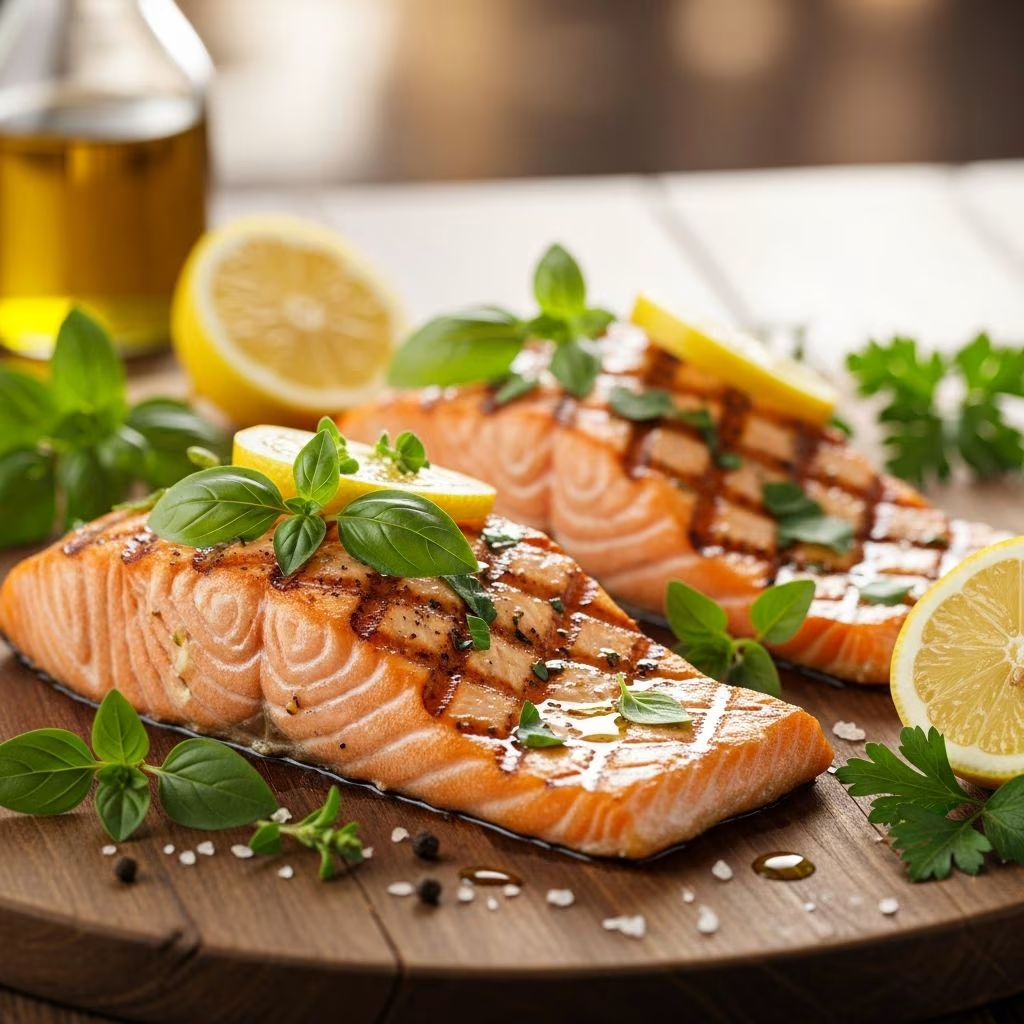
The natural structure of a steak also creates a visual centerpiece on the plate. When grilled, the bone develops an attractive caramelized exterior, while the concentric rings of muscle create an appealing presentation that suggests careful preparation. For Italian cooking, this aesthetic dimension matters—food should nourish both body and eye.
Essential Ingredients for Authentic Italian Preparation
Traditional Italian salmon steak recipes rely on a remarkably short ingredient list, reflecting the regional cooking philosophy of letting quality ingredients speak for themselves.
Core Components
- Extra-virgin olive oil: The foundation of Italian cuisine, olive oil should be flavorful and preferably extra-virgin. Use approximately 2-3 tablespoons for four steaks, as the oil creates an emulsion with other ingredients to form a natural sauce.
- Fresh Italian parsley: Flat-leaf parsley (also called Italian parsley) provides a clean, herbaceous note that brightens fish dishes. Finely minced fresh parsley should be added in two stages during cooking to preserve its delicate flavor.
- Garlic: One to two whole cloves infuse the cooking oil with subtle garlic essence without overpowering the delicate salmon flavor. Whole cloves are preferable to minced garlic, which can burn and turn bitter.
- Dry white wine: A dry white wine such as Pinot Grigio, Sauvignon Blanc, or Vermentino deglazes the pan and creates an acidic element that complements the rich salmon. The wine’s acidity cuts through the fish’s natural oils and brightens the overall flavor profile.
- Black peppercorns: Freshly cracked black pepper provides gentle heat and aromatic complexity. Whole peppercorns are crushed just before cooking to maximize their volatile oils.
- Sea salt: Kosher salt or coarse sea salt should be added judiciously, as both the fish and other ingredients contribute inherent saltiness.
Preparation Techniques for Optimal Results
Selecting and Preparing Your Salmon
Purchase salmon steaks from a reputable fishmonger, requesting steaks of uniform thickness—ideally between one and one-and-a-half inches. Uniform thickness ensures even cooking. Store steaks on ice until ready to cook, ideally within 24 hours of purchase. Before cooking, pat steaks dry with paper towels; excess moisture inhibits proper browning and creates steam that prevents the development of a flavorful crust.
Examine the steaks carefully for pin bones—thin, hair-like bones that may remain after initial processing. These can be easily removed using needle-nose pliers or sturdy tweezers, pulling gently at a slight angle toward the tail.
Equipment Considerations
While the dish is called “grilled” salmon steaks, Italian preparation often employs a large non-stick skillet or well-seasoned cast-iron pan, particularly when outdoor grilling is impractical. A grill pan—a stovetop pan with ridges—provides the visual appeal of grill marks while offering superior temperature control. If using an outdoor grill, ensure the grate is clean and lightly oiled to prevent sticking.
The Cooking Process: A Step-by-Step Approach
Initial Preparation Phase
Begin by heating olive oil and whole garlic cloves in your chosen cooking vessel over medium heat. Allow approximately one minute for the oil to warm and the garlic to release its aromatics. This step requires attentiveness; the goal is fragrant infusion, not browning. If the oil begins to smoke or the garlic turns brown, reduce heat immediately and allow the pan to cool slightly before proceeding.
Searing the Salmon
Gently place the prepared salmon steaks into the heated oil, positioning them carefully to minimize splashing. Cook for 2-3 minutes on the initial side without disturbing the steaks—this allows a golden crust to develop through the Maillard reaction, where proteins and sugars create complex, savory flavors. After this period, carefully turn each steak using a spatula or fish turner. Cook the second side for another 2-3 minutes.
Building Flavor Layers
After turning the steaks, sprinkle half of the minced parsley and half of the cracked peppercorns over the fish. Pour approximately one-quarter cup of dry white wine around (not directly on) the steaks, then increase heat to medium-high. The wine should sizzle gently, creating an aromatic steam that continues cooking the steaks while the alcohol evaporates, leaving behind concentrated wine flavor.
After 1-2 minutes at this higher temperature, turn the steaks one final time. Sprinkle the remaining parsley and peppercorns over the top, then continue cooking for 3-5 minutes, occasionally spooning the accumulated pan liquid (now a light wine-herb sauce) over the steaks. This basting technique, called arroser in French cuisine, keeps the fish moist while building a cohesive sauce.
Determining Doneness
Salmon reaches optimal doneness when the internal temperature reaches 135-140°F when measured with an instant-read thermometer inserted into the thickest part of the steak. At this temperature, the fish remains moist and tender while harmful bacteria are eliminated. Visually, properly cooked salmon should flake easily when tested with a fork, and the translucent raw appearance should be replaced with opaque pink flesh.
Flavor Variations and Italian Regional Adaptations
Herb-Forward Preparations
Regional Italian cuisine celebrates local herbs. In Liguria, basil-based pesto frequently accompanies grilled fish. In Piedmont, a traditional sauce called bagnetto verde combines fresh parsley, basil, hard-boiled eggs, capers, breadcrumbs, red wine vinegar, and olive oil—a complex condiment that transforms simple grilled salmon into something remarkable.
Wine and Marinade Options
While dry white wine remains traditional, some preparations incorporate Italian dressing combined with soy sauce and fresh ginger, creating an East-meets-West fusion that respects Italian technique while embracing global flavors. This variation works particularly well when preparing salmon steaks for guests with adventurous palates.
Complementary Side Dishes and Serving Suggestions
Vegetable Pairings
Italian cuisine emphasizes seasonal vegetables. Spring preparations might feature asparagus dressed with lemon and olive oil, while summer calls for grilled zucchini, eggplant, or tomatoes. Roasted Italian vegetables—fennel, bell peppers, onions—provide textural contrast and nutritional balance to the rich salmon.
Starch Considerations
Serve salmon steaks over creamy polenta infused with Parmesan cheese, alongside orzo pasta dressed with reserved pan sauce and fresh herbs, or with crusty bread suitable for soaking up the aromatic wine sauce. Many Italian preparations, however, forego starch entirely, letting grilled vegetables and salad round out the meal.
Beverage Recommendations
The dry white wine used in cooking pairs naturally with the finished dish. Verdicchio, Pinot Grigio, or Gavi complement salmon’s richness while providing the acidity necessary to refresh the palate between bites. Light rosé wines also work beautifully, offering more body than white wine while maintaining appropriate brightness.
Nutritional Profile and Health Considerations
Salmon provides exceptional nutritional value, delivering high-quality protein, omega-3 fatty acids, and essential vitamins and minerals. A single 8-ounce salmon steak typically contains 50+ grams of protein while remaining relatively low in calories—approximately 300-350 calories depending on cooking fat. The preparation method described here minimizes added fat while preserving salmon’s natural nutritional benefits. The olive oil contributes heart-healthy monounsaturated fats and powerful antioxidants, while fresh herbs add minimal calories but significant phytonutrient density.
Common Preparation Mistakes to Avoid
Overcooking represents the most frequent error; salmon cooks quickly, and residual heat continues cooking the fish even after removal from heat. Remove steaks from heat when they register 135°F internally, allowing carryover cooking to reach the target 140°F.
Burning the garlic and oil creates bitter, acrid flavors that dominate the dish. Maintain medium heat during the infusion phase, watching carefully for any darkening.
Using inferior olive oil or poor-quality fish undermines the entire preparation. Since the recipe depends on ingredient quality rather than complex technique, each component matters tremendously.
Excessive salt added before tasting the finished dish results in over-salted food. Taste carefully before serving, as the wine reduction and salmon’s natural sodium content may provide sufficient salinity.
Make-Ahead Options and Storage
While best served immediately, prepared salmon steaks can be refrigerated for up to two days in an airtight container. Reheat gently at 275°F for 10-12 minutes, covered with foil to prevent drying. The reheated dish will not match the fresh version’s texture but remains perfectly acceptable for lunch preparations.
Frequently Asked Questions
Can I prepare this dish ahead for entertaining?
You can marinate salmon steaks in Italian dressing and soy sauce mixture for up to 30 minutes before cooking, but the fresh herb preparation method described here is best executed just before serving. Advance prep should focus on vegetable preparation and table setting rather than pre-cooking the salmon.
What if I don’t have a grill or grill pan?
A regular non-stick skillet works perfectly well. The cooking technique remains identical; you simply won’t achieve the characteristic grill marks. The flavor profile and doneness will be indistinguishable from outdoor grilling.
Can I substitute the white wine?
Dry white wine is preferred, but in a pinch, dry vermouth, dry sherry, or even chicken broth can substitute. Avoid sweet wines or heavily oaked wines, which imbalance the delicate fish flavors.
How do I know if my salmon is fresh?
Fresh salmon should have firm, moist flesh with a pleasant oceanic aroma—not a strong fish smell. The skin should be shiny and intact, and the fish should spring back when gently pressed.
Can I frozen salmon steaks?
Thaw frozen steaks in the refrigerator for 24 hours before cooking. Do not thaw at room temperature, as this promotes bacterial growth. Properly thawed salmon cooks identically to fresh salmon.
References
- Nutritional Composition of Salmon and Fish Products — United States Department of Agriculture (USDA) FoodData Central. 2024. https://fdc.nal.usda.gov/
- Food Safety Guidelines for Seafood: Internal Temperature Standards — United States Food and Drug Administration (FDA). 2024. https://www.fda.gov/food/foodborne-pathogens-and-illness/
- Maillard Reaction and Fish Cooking Chemistry — Journal of Agricultural and Food Chemistry, American Chemical Society. 2023. https://doi.org/10.1021/acs.jafc
- Mediterranean Diet and Cardiovascular Health Benefits — World Health Organization (WHO) Nutrition and Health Guidelines. 2024. https://www.who.int/