Understanding Satsumas and Their Role in Marmalade Making
Satsuma oranges represent a distinctive variety of mandarin orange with characteristics that make them particularly well-suited for marmalade production. These citrus fruits, which originated in Japan and have been cultivated in Louisiana since the mid-nineteenth century, possess qualities that distinguish them from other orange varieties. The skin of a satsuma is notably loose and pliable, allowing for simple manual peeling without the need for specialized tools. The flesh inside delivers a juicy, naturally sweet profile that forms an excellent foundation for creating balanced marmalade.
The appeal of working with satsumas extends beyond their ease of preparation. Their flavor profile tends toward brightness with subtle complexity, creating a marmalade that captures both sweetness and mild bitterness in harmonious proportion. This characteristic bittersweet quality is what distinguishes genuine marmalade from ordinary fruit jams, giving the preserve its distinctive and sought-after taste dimension.
Selecting and Preparing Your Fruit
The foundation of exceptional marmalade begins with thoughtful fruit selection. When choosing satsumas for your preserve, prioritize specimens that feel firm to the touch with no soft spots, blemishes, or signs of decay. The skin should display a vibrant orange hue, indicating proper ripeness and optimal sugar content. Avoid fruits that appear dull or wrinkled, as these indicate aging that may compromise both flavor and juice yield.
Before processing, wash your selected fruits thoroughly under warm running water, using a soft brush to remove any surface dirt, residue, or agricultural treatments that may have been applied during cultivation. This preparatory step ensures your finished marmalade contains only pure fruit and sugar.
The preparation phase significantly influences your final result. Begin by peeling the satsumas, taking advantage of their naturally loose skin. Reserve the peel from a portion of your fruit—typically about one-third to one-half of your total quantity—as this peel will provide essential texture and bitter complexity to the finished marmalade. Cut the reserved peel into uniform strips approximately one-third of an inch wide, though slight variations are acceptable and create visual interest in the preserve.
Coarsely chop the peeled fruit flesh and place it in your cooking vessel. Remove any seeds you encounter during this process, as seeds can affect both texture and clarity of the final product. Some recipes incorporate additional citrus juice, such as lemon juice, to enhance pectin content and provide flavor complexity.
Essential Equipment and Ingredients
Successful marmalade production requires minimal but specific equipment. A heavy-bottomed saucepan or stockpot serves as your primary vessel, as it distributes heat evenly and prevents scorching during the extended cooking process. A candy or cooking thermometer proves invaluable for determining when your marmalade reaches the proper setting point, typically 220 to 222 degrees Fahrenheit. Additional useful items include a wooden spoon for stirring, clean mason jars for storage, and a small plate reserved specifically for testing doneness.
The ingredient list for satsuma marmalade remains refreshingly simple. You’ll need satsuma oranges as your primary ingredient, supplemented by water, granulated sugar, and optional flavor enhancers. Some recipes include lemon juice to boost natural pectin and add tartness that balances sweetness. Additional optional ingredients might include ginger for warmth, a pinch of salt to enhance flavor perception, or distinctive spirits like bourbon for sophisticated complexity.
The Cooking Process: Achieving Perfect Consistency
Combine your prepared fruit pieces, reserved peel strips, water, and sugar in your cooking vessel. The typical ratio involves approximately two cups each of prepared fruit and sugar, combined with sufficient water to create a workable mixture—usually between one and two cups depending on fruit juiciness. Stir this combination thoroughly to distribute sugar evenly.
Bring the mixture to a vigorous boil over medium-high heat. Once bubbling actively, reduce your heat to medium or medium-low, maintaining a steady simmer for an extended period. This phase typically requires 30 to 45 minutes, during which the peel softens considerably and the fruit breaks down into smaller particles. Stir occasionally during this initial cooking phase to ensure even heat distribution and prevent sticking.
One critical consideration: if your recipe calls for adding sugar after an initial cooking phase, do this before the peel fully softens. Once sugar is incorporated, the peel stops softening, so gauge your timing carefully to achieve your desired peel texture before this point.
After the initial cooking phase, increase heat to medium and allow the mixture to reach a rolling boil. Continue cooking while stirring frequently, watching for visual signs of thickening. This secondary cooking phase may require an additional 30 to 45 minutes. The mixture will gradually darken and concentrate, transforming from a loose fruit suspension into a cohesive preserve.
Determining Doneness and Setting Point
Professional canners rely on thermometer readings to confirm when marmalade has reached the setting point, typically between 220 and 222 degrees Fahrenheit. However, a time-tested alternative method requires no specialized equipment. Place a small plate in your freezer for several minutes until thoroughly chilled. Drop a small spoonful of hot marmalade onto this cold plate and allow it to cool for approximately one minute. Run your finger through the center of the sample. If the marmalade does not immediately flow back into the path your finger created, proper setting has been achieved. If it flows together again, continue cooking and test again at brief intervals.
An important note: marmalade will appear much thinner while hot than it will after cooling. Do not judge doneness based on hot consistency alone, as the preserve continues to set as it cools to room temperature.
Flavor Enhancements and Creative Variations
While pure satsuma marmalade offers exceptional flavor on its own, numerous enhancements can add dimension and interest. Incorporating zest from one lemon alongside its juice introduces bright acidity and aromatic complexity. Fresh ginger, minced fine or preserved in syrup, contributes warmth and subtle spice that complements citrus naturally.
A small pinch of kosher salt enhances overall flavor perception without adding obvious saltiness, making the citrus notes sing more vibrantly. For those seeking sophisticated complexity, one teaspoon of bourbon or vanilla extract stirred in during the final minutes creates subtle depth that elevates the preserve beyond ordinary.
Advanced techniques include charring peel before cooking to develop smoky, burnt-sugar notes that create a more complex flavor profile while taming excessive bitterness. This method involves careful flame exposure before processing begins and produces a notably different—though equally delicious—end result.
Storage and Presentation
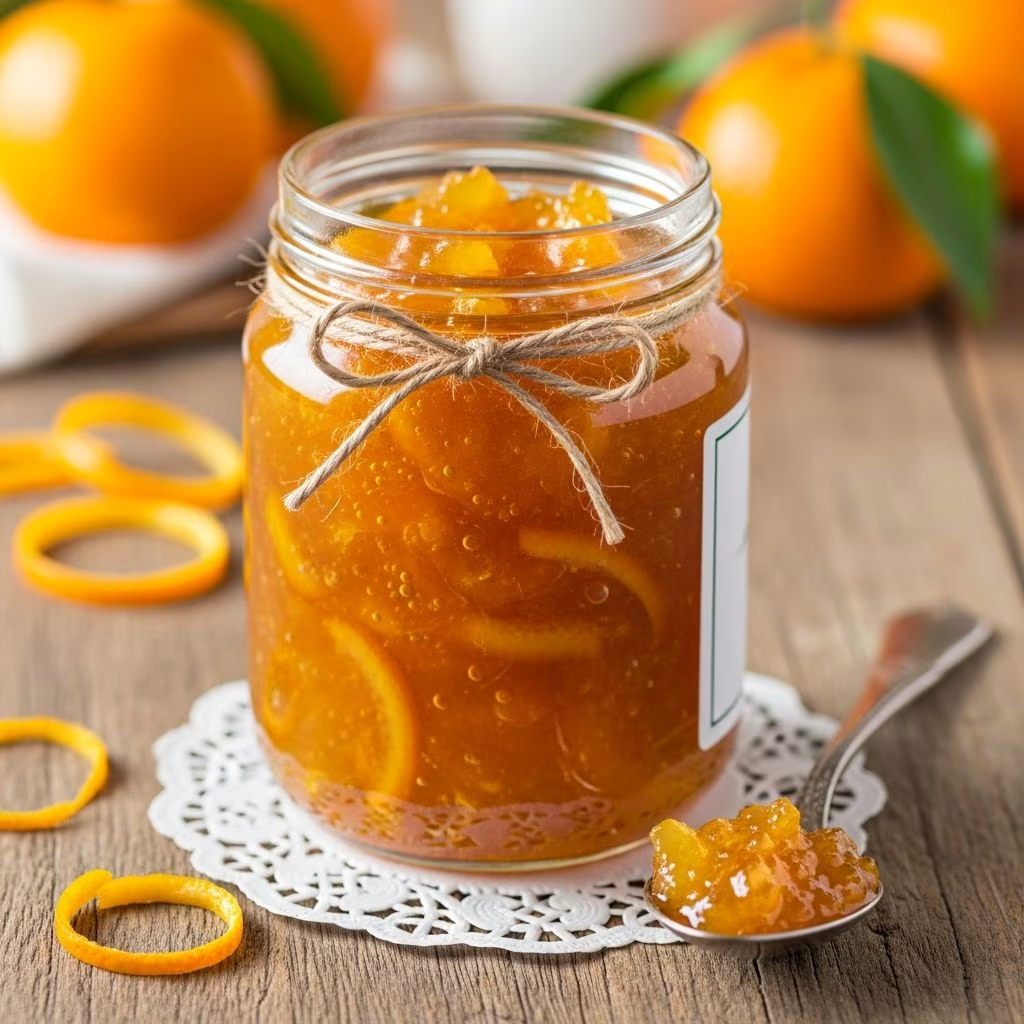
Transfer your finished marmalade into sterilized, clean, and dry mason jars while still hot, leaving approximately one-quarter inch of headspace. This hot-fill method creates a natural seal as the preserve cools. For longer storage or if using the water-bath canning method, process filled jars according to USDA guidelines. Properly sealed marmalade maintains quality for extended periods when stored in a cool, dark location.
Refrigerated marmalade without formal canning processing should be consumed within two to three weeks for optimal flavor and safety, though it may remain palatable longer. The preserve makes an exceptional gift when packaged attractively and tied with decorative ribbon, appropriate for any occasion throughout the year.
Troubleshooting Common Issues
Several situations may arise during marmalade production. If your preserve remains too runny after reaching proper temperature, you may have undercooked it or possessed insufficient natural pectin in your fruit batch. In future batches, increase the proportion of lemon juice or consider adding powdered fruit pectin according to package directions. If your marmalade becomes too stiff and rubbery, you’ve likely cooked it beyond the proper setting point; shorter cooking times in subsequent batches will remedy this issue.
Bitterness that seems excessive can be addressed by reducing the amount of peel included or by changing the water in which peel is pre-boiled to fresh water before combining with pulp—a technique that can be repeated if desired to further reduce bitter compounds while maintaining traditional character.
Frequently Asked Questions
Can I substitute other citrus varieties for satsumas?
Yes. Clementines and mandarin oranges produce similar results, as they share comparable flavor profiles and juice content. Traditional oranges and grapefruits create different flavor outcomes and may require adjusted sugar ratios, as they possess different juice levels and natural pectin content.
What should I do if my marmalade won’t set?
Undercooked marmalade often fails to set properly. Recooking the batch by returning it to boiling and cooking for an additional 15 to 20 minutes frequently achieves the desired consistency. Alternatively, adding commercial fruit pectin according to package directions provides more reliable results.
How long does homemade marmalade keep?
Properly canned and sealed marmalade maintains quality for up to one year when stored in cool, dark conditions. Refrigerated marmalade without formal canning processing should be consumed within two to three weeks.
Can I reduce the sugar content in traditional recipes?
Sugar serves functional purposes beyond sweetness—it acts as a preservative and contributes to proper setting. Reducing sugar by more than 25 percent from traditional recipes often prevents proper setting and reduces shelf life. For lower-sugar versions, use commercial low-sugar pectin designed specifically for reduced-sugar preserves.
Culinary Applications Beyond Toast
While marmalade on buttered toast represents the classic application, this versatile preserve extends far beyond breakfast settings. Spoon it atop creamy cheeses for sophisticated appetizers, glaze roasted pork or chicken during the final cooking minutes, or swirl into plain yogurt for instant dessert. Satsuma marmalade complements coconut shrimp exceptionally well and adds brightness to savory saltine crackers paired with cheese selections.
Adventurous cooks incorporate marmalade into salad dressings, mix it into butter for artisanal toast topping, or layer it into desserts for citrus complexity. Its balanced sweetness and subtle bitterness make it particularly valuable in applications where nuanced flavor proves essential rather than one-dimensional sweetness.
The Satisfaction of Homemade Preservation
Creating marmalade at home represents more than mere food production—it connects contemporary cooks to centuries of preservation traditions while delivering superior flavor to commercially produced alternatives. Homemade versions allow complete control over ingredients, sweetness levels, and flavor profiles, resulting in preserves tailored precisely to personal preference. The process itself offers meditative satisfaction, transforming simple seasonal fruit into shelf-stable treasure suitable for sharing or personal enjoyment throughout the year.
References
- Satsuma Mandarin Marmalade Recipe — Kiya Fries. 2024. https://kiyafries.com/satsuma-mandarin-marmalade/
- Satsuma Mandarin Orange Marmalade — Hot Sweet Spicy Recipes. 2024. https://hotsweetspicyrecipes.com/satsuma-mandarin-orange-marmalade/
- Satsuma Marmalade — Homesick Texan. 2024. https://www.homesicktexan.com/satsuma-marmalade/
- Homemade Satsuma Citrus Orange Marmalade Recipe — Green Thumbs Galore. 2024. https://blog.greenthumbsgalore.com/homemade-satsuma-marmalade/
- Satsuma and Meyer Lemon Marmalade — Delightful Repast. 2024. https://www.delightfulrepast.com/2013/01/satsuma-and-meyer-lemon-marmalade.html
- Satsuma Marmalade Recipe: Louisiana Sunshine in a Jar — Spindle and Spoon Homestead. 2024. https://spindleandspoonhomestead.com/2024/12/14/satsuma-marmalade-recipe-louisiana-sunshine-in-a-jar/
- Flamed Satsuma Peel Marmalade — Our Cook Quest. 2024. http://ourcookquest.com/blog/2014/11/flamed-satsuma-peel-marmalade.html