Understanding the Modern Patty Melt with Italian Sausage
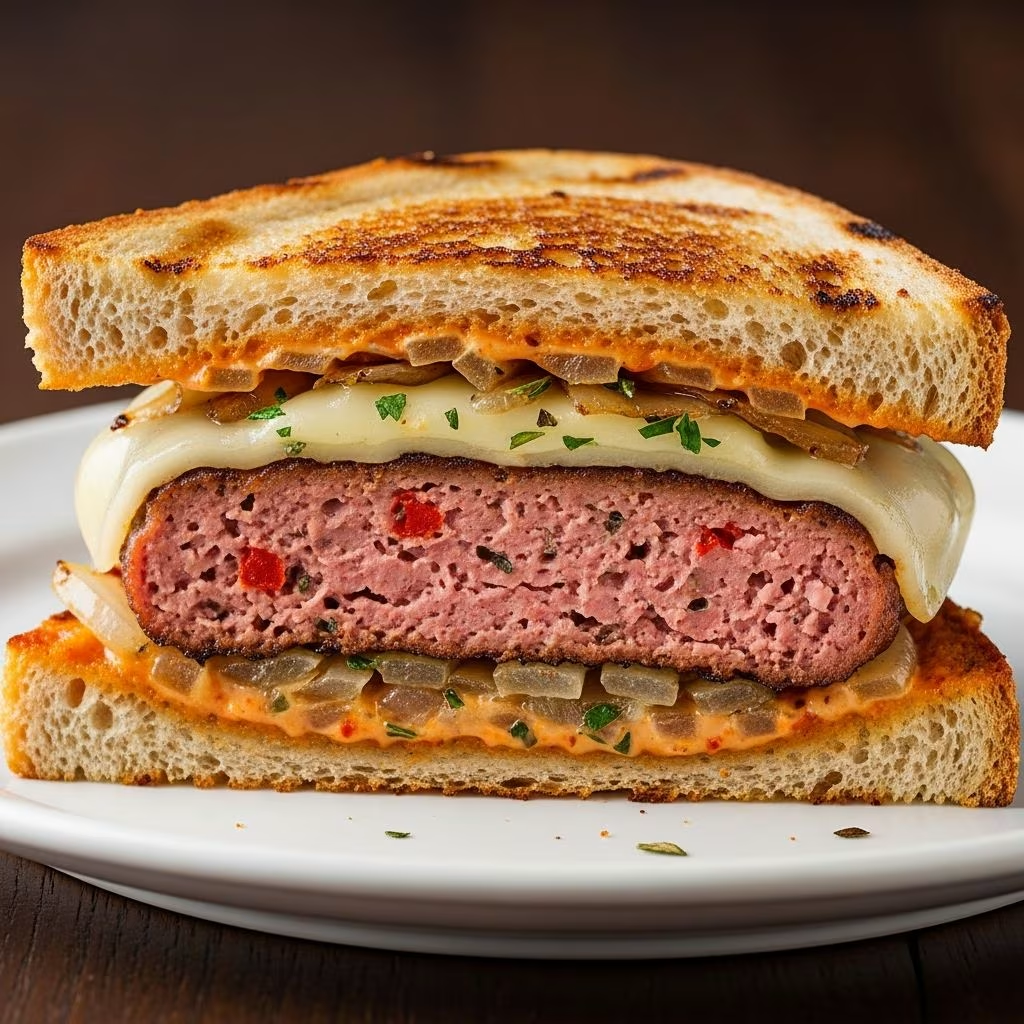
The patty melt represents one of the most satisfying comfort food creations in American cuisine, traditionally featuring a thin beef patty crowned with caramelized onions and cheese between slices of toasted rye bread. However, contemporary culinary approaches have evolved this classic formula by substituting ground Italian sausage as the protein foundation. This evolution introduces an entirely different flavor dimension to the sandwich, leveraging the inherent spice profile and aromatic complexity that quality sausage naturally provides.
Ground Italian sausage comes pre-seasoned with fennel, garlic, paprika, and various herbs that create a richly flavored base requiring minimal additional preparation. When formed into thin, smashburger-style patties and seared until crispy, this protein delivers a more robust and dynamic eating experience compared to conventional beef patties. The textural contrast between the crunchy exterior and juicy interior makes each bite remarkably satisfying.
Essential Components for Your Sausage Patty Melt
Selecting Quality Ground Sausage
The foundation of an exceptional sausage patty melt begins with choosing the right sausage product. Hot Italian sausage works exceptionally well for this application, as the inherent spice level can be further amplified through additional seasonings. When purchasing ground sausage, look for products with a higher fat content, typically between 15-20%, as this ensures the patties remain juicy rather than becoming dry during the searing process.
For those who prefer customizing their spice profile, purchasing plain ground Italian sausage allows for personal flavor adjustments. You can incorporate additional seasonings such as crushed red pepper flakes for heat intensity, smoked paprika for depth and color, and Italian seasoning for herbaceous notes. A typical seasoning enhancement might include half a tablespoon of smoked paprika, one tablespoon of crushed red pepper flakes, and half a teaspoon of Italian seasoning per half pound of sausage.
Bread Selection and Preparation
While traditional patty melts employ rye bread, contemporary variations expand the possibilities. Whole wheat bread provides a nutty flavor and substantial texture that pairs beautifully with Italian sausage’s robust character. Sourdough offers tangy complexity, while ciabatta delivers an airy crumb and crispy crust. Whatever bread selection you make, the surface preparation proves crucial for achieving an ideally toasted exterior.
Creating a garlic-enhanced butter or mayonnaise for toasting elevates the bread component significantly. A simple mixture of mayonnaise combined with garlic powder creates a flavorful spread that adheres well to bread surfaces and promotes even browning. For a more traditional approach, softened butter mixed with minced fresh garlic and a pinch of salt delivers classic results.
Cheese Considerations
Provolone cheese represents an excellent choice for sausage patty melts, offering a semi-firm texture that melts smoothly while maintaining structural integrity. The mild, slightly smoky character of provolone complements rather than overwhelms the sausage’s complex flavors. Using multiple slices ensures thorough coverage of the patty while creating distinct layers of melted cheese that enhance the overall textural experience.
Alternative cheese options include smoked gouda for additional smokiness, fontina for creamy richness, or a combination of provolone and mozzarella for balanced melt and flavor. The key consideration involves selecting cheeses that melt smoothly and complement rather than compete with the sausage’s dominant flavor profile.
Aromatic Additions and Toppings
Caramelized onions remain the traditional accompaniment, their sweet, deep flavor creating perfect contrast to savory sausage and salty cheese. However, roasted red peppers offer an interesting alternative that delivers sweetness with minimal preparation time. These jarred peppers provide a soft bite and complementary flavor without the extended cooking process that caramelization requires.
Fresh arugula introduces peppery contrast and textural variation, while thinly sliced apple adds subtle sweetness and crunch. Some preparations omit sauce entirely, allowing the individual components’ flavors to shine, while others incorporate spicy mayo or aioli for additional depth.
Cooking Techniques for Optimal Results
Preparing Your Cooking Surface
A large griddle, whether a 36-inch Blackstone model or a standard stovetop griddle, provides superior surface area for managing multiple patties simultaneously. Cast-iron skillets work effectively for smaller batch cooking, offering excellent heat retention and browning capabilities. Whichever cooking vessel you select, proper preheating ensures immediate searing when patties make contact with the surface.
Begin by heating your cooking surface over medium-high heat until a drop of water sizzles and evaporates rapidly. This temperature range promotes patty browning while preventing the interior from remaining raw. Lightly grease the surface with oil having a high smoke point, such as vegetable or canola oil.
Forming and Searing Patties
Rather than forming thick burger-style patties, the smashburger technique produces the thin, crispy-edged patties ideal for patty melts. Gently form sausage into balls approximately 2-3 ounces each, then place on the preheated griddle. Using a metal spatula or burger press, firmly smash the patty down to approximately quarter-inch thickness, applying consistent pressure across the entire surface.
This smashing technique accomplishes multiple objectives simultaneously: it increases surface area for browning, ensures even cooking throughout the thin patty, and creates the characteristic crispy edges that make patty melts distinctive. Allow the patty to cook undisturbed for 2-3 minutes until a golden crust develops, then flip and cook the reverse side for an additional minute.
Season patties simply with kosher salt and black pepper, as the sausage already contains substantial seasoning. Adding salt during the searing process rather than during forming prevents the meat from becoming tough and dense.
Managing Onions and Aromatics
For traditional caramelized onions, slice one large sweet onion into thin rings and add to the griddle with a small amount of oil. Allow them to cook slowly over medium heat, stirring occasionally, for approximately 15-20 minutes until deeply golden and soft. This extended cooking process concentrates natural sugars while developing complex flavor.
Alternatively, roasted red peppers require no cooking—simply drain jarred peppers and warm them on the griddle or use at room temperature. Both options complement the sausage beautifully while adding necessary moisture and textural contrast to the finished sandwich.
Toasting the Bread
Spread your prepared garlic butter or mayonnaise mixture on both sides of your bread slices. Place on the griddle over medium heat, allowing each side to cook for approximately 1-2 minutes until golden brown and crispy. The goal involves achieving visible browning and slight crispness while maintaining the bread’s interior softness.
Timing proves important here—bread toasts quickly and can burn rapidly if left unattended. Remove from the griddle once both sides achieve an attractive golden hue and the surface feels crisp to the touch.
Assembly Process and Serving Suggestions
Building Your Sandwich
Begin assembly with your toasted bread as the foundation. Layer one slice of provolone cheese directly onto the bread, then place your seared sausage patty atop the cheese. Add additional cheese slices to cover the patty completely, then distribute your chosen aromatics—whether caramelized onions or roasted peppers—generously across the cheese layer.
Top with final cheese slices to seal the components together, then carefully place the second piece of toasted bread atop the construction. If desired, return the assembled sandwich to the griddle for 30-60 seconds on each side to further meld the cheese and warm the interior components without compromising the bread’s structural integrity.
Complementary Side Dishes
A simple arugula and apple salad provides refreshing contrast to the rich sandwich. Combine four handfuls of fresh arugula with one thinly sliced honeycrisp apple, a quarter cup of grated Parmesan cheese, and a light vinaigrette made from three tablespoons extra virgin olive oil, two tablespoons vinegar, one teaspoon Dijon mustard, one teaspoon honey, and salt and pepper to taste. This salad adds brightness and complexity without overwhelming the palate.
Crispy potato products, whether traditional french fries or seasoned wedges, provide satisfying textural contrast. Alternatively, a simple green salad with vinaigrette offers lighter balance. Beverage selection might include cola for classic pairing or craft beer for more sophisticated accompaniment.
Ingredient Specifications and Measurements
| Component | Quantity (per sandwich) | Notes |
|---|---|---|
| Ground Italian sausage | 3-4 ounces | Hot or mild, depending on heat preference |
| Provolone cheese | 3-4 slices | Approximately 2-3 ounces total |
| Bread | 2 slices | Whole wheat, rye, or sourdough |
| Caramelized onions | 2-3 tablespoons | Or 2 tablespoons roasted red peppers |
| Garlic butter or mayo | 1-2 tablespoons | For toasting bread |
Frequently Asked Questions
Can I make these patties ahead of time?
Yes, formed patties can be refrigerated for up to 24 hours before cooking. Place them on parchment paper to prevent sticking. You may also freeze formed patties for up to three months; thaw in the refrigerator before cooking for best results.
What cooking equipment works best for this recipe?
A griddle provides excellent surface area for cooking multiple patties simultaneously, while a cast-iron skillet offers superior heat retention for smaller batches. A regular stovetop pan works acceptably, though it limits the number of patties you can cook at once.
How spicy should the final product be?
This depends entirely on personal preference. Start with the sausage’s inherent spice level and add crushed red pepper flakes gradually, tasting as you progress. A half tablespoon creates mild heat for most palates, while one tablespoon produces noticeable spice.
Can I substitute the cheese?
Absolutely. Smoked gouda, fontina, mozzarella, or cheddar all work well. Choose cheeses that melt smoothly and complement the sausage’s flavor profile rather than competing with it.
Is sauce necessary?
Many excellent patty melts omit sauce entirely, allowing the individual components’ flavors to shine. However, spicy mayo, aioli, or even mustard-based spreads can enhance the experience if desired.
Troubleshooting Common Issues
Dry patties: This typically results from using low-fat sausage or overcooking. Select sausage with appropriate fat content and avoid cooking beyond medium doneness. The patties should remain slightly pink in the center for maximum juiciness.
Unevenly cooked patties: Ensure your cooking surface reaches adequate temperature before adding patties and maintain consistent heat throughout cooking. Avoid moving patties excessively, as this disrupts crust formation.
Burnt bread: Reduce heat to medium if bread browns too quickly. Ensure your butter or mayonnaise spread is not too thick, as excessive coating accelerates browning.
Cheese not melting: Cover the patty with cheese immediately after searing and allow residual heat to melt it, or briefly cover the griddle with a lid to trap steam and accelerate melting.
Scaling Recipes for Different Occasions
The basic formula scales effectively for feeding any number of people. For a single sandwich, use 3-4 ounces sausage and 2-3 slices cheese. For four servings, increase all ingredients proportionally but manage cooking in batches if your griddle space limitations require it.
When cooking for larger groups, prepare components ahead: form and refrigerate patties, caramelize onions in advance, toast bread just before serving, and assemble sandwiches to order for optimal freshness and temperature. This approach ensures each sandwich reaches the table at peak quality.
References
- Smashburger Technique and Cast Iron Cooking — America’s Test Kitchen. 2024. https://www.americastestkitchen.com
- Italian Sausage Composition and Flavor Profiles — The Spruce Eats. 2024. https://www.thespruceeats.com
- Cheese Melting Points and Selection for Cooking — Serious Eats. 2023. https://www.seriouseats.com
- Caramelization Process and Heat Management — Food & Wine Magazine. 2024. https://www.foodandwine.com
- Griddle Cooking Equipment and Maintenance — Bon Appétit. 2024. https://www.bonappetit.com