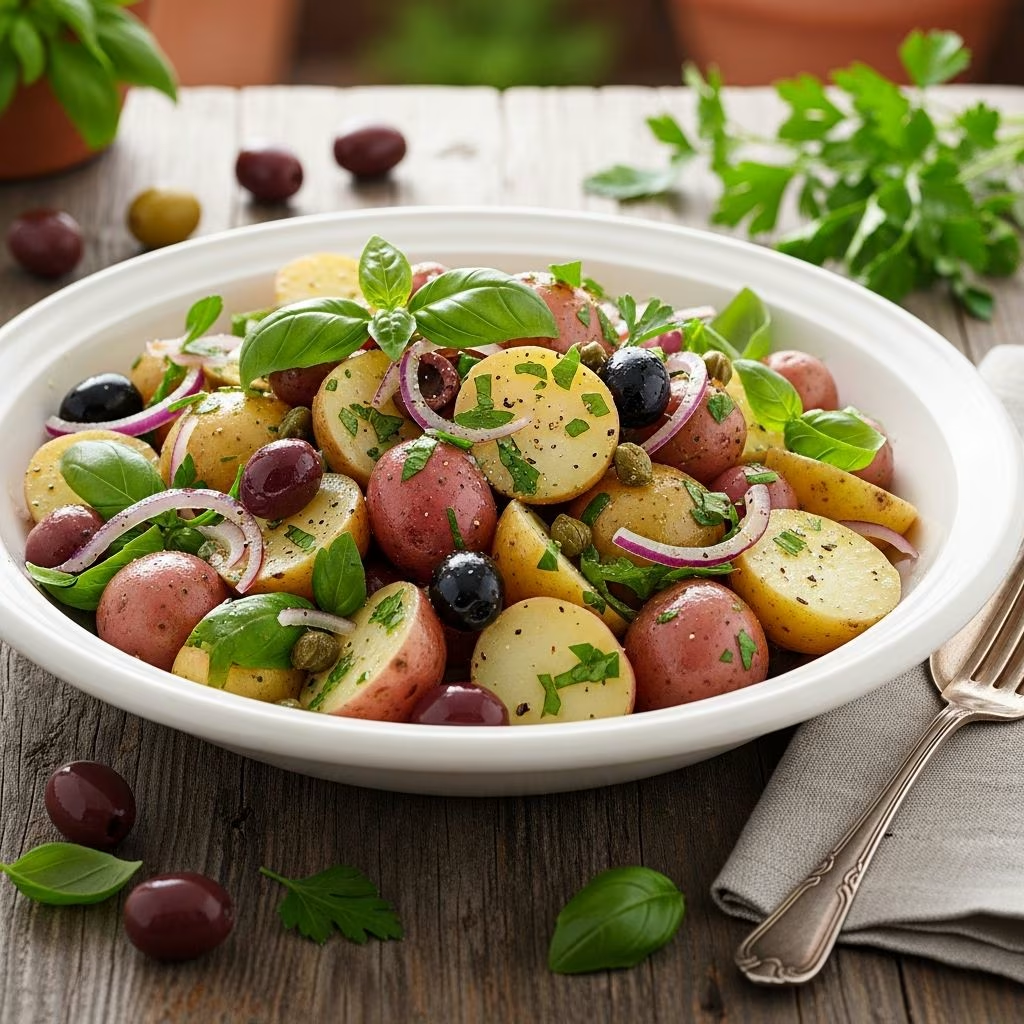
When warm weather arrives, the appeal of heavy, mayonnaise-laden potato salads fades in favor of lighter, more refreshing alternatives. An Italian-inspired version using a vibrant vinaigrette offers exactly what summer dining demands: bright flavors, fresh ingredients, and satisfying substance without the heaviness. This traditional approach celebrates quality olive oil, tangy wine vinegar, and the natural earthiness of potatoes combined with garden-fresh vegetables and aromatic herbs.
Understanding the Foundation: Why This Salad Works
The success of an Italian potato salad lies in its fundamental approach to flavor building. Rather than masking ingredients with creamy dressing, this preparation method allows each component to shine individually while contributing to a cohesive whole. The potatoes serve as a neutral canvas that readily absorbs the surrounding vinaigrette, while fresh vegetables add textural contrast and visual appeal.
The absence of mayonnaise creates several advantages. The salad remains lighter and more digestible, making it an excellent choice for outdoor gatherings in warm weather. It also develops more complex flavor over time as vegetables continue to release their juices and infuse the dressing, meaning the salad actually improves when prepared several hours ahead or even the day before serving.
Essential Ingredients and Their Roles
Selecting the Right Potatoes
Potato variety significantly impacts the final texture and eating experience. Baby potatoes or waxy varieties like Yukon gold potatoes hold their shape during cooking and maintain a pleasant firmness rather than becoming mealy. Red potatoes offer similar benefits with a naturally thin skin that requires minimal peeling. New potatoes, harvested early in the season, provide optimal flavor and texture for this application.
The size of potato pieces matters considerably. Cutting them into bite-sized chunks or halves ensures even cooking and allows for better dressing absorption. Smaller pieces also create more surface area for the vinaigrette to coat, resulting in more intensely flavored bites throughout the salad.
Building a Balanced Vinaigrette
The dressing forms the backbone of this dish. A traditional Italian vinaigrette combines several essential elements:
- Extra virgin olive oil provides richness and carries fat-soluble flavors
- Red wine vinegar or white wine vinegar contributes acidity and brightness
- Fresh garlic minced finely adds pungency and depth
- Dried oregano or fresh basil establish authentic Mediterranean character
- Salt and cracked black pepper enhance all flavors
- Optional red pepper flakes introduce subtle heat
The ratio of oil to vinegar typically follows the classic three-to-one proportion, though this can be adjusted based on personal preference and the acidity of specific vinegar brands. Whisking the vinaigrette vigorously ensures proper emulsification, creating a cohesive dressing rather than separated layers.
Fresh Vegetables and Aromatics
Cherry tomatoes halved lengthwise retain their shape better than diced larger tomatoes and provide bursts of sweet-tart flavor. Red onions or shallots sliced thin offer sharp, peppery notes that balance richer components. Some preparations include green beans blanched until tender-crisp for textural variety and a subtle vegetable earthiness.
Fresh herbs elevate the dish from simple to sophisticated. Chopped parsley provides mild herbal notes, while fresh basil adds aromatic sweetness. Oregano, whether dried or fresh, reinforces the Italian identity of the preparation. These elements work together to create layers of flavor that develop throughout the salad’s refrigeration period.
Step-by-Step Preparation Technique
Cooking the Potatoes Properly
Begin by placing halved or chunked potatoes into a large pot and covering them with cold water by approximately two inches. This approach ensures even cooking throughout the potato pieces. Bring the water to a rolling boil over medium-high heat, then season generously with salt. The potatoes should simmer for approximately 10 to 15 minutes, depending on size and variety, until easily pierced with a fork but still maintaining structural integrity.
Avoid overcooking, as mushy potatoes will not hold their shape during tossing and will result in a compromised texture. Testing with a fork at regular intervals ensures you catch the ideal doneness point. Once cooked, transfer the potatoes to a bowl using a slotted spoon, reserving the cooking water if incorporating green beans.
Preparing Fresh Ingredients
While potatoes cool slightly, prepare remaining components. Halve cherry tomatoes lengthwise, slice red onions or shallots into thin half-moons, pit and halve quality olives like Castelvetrano varieties, and chop fresh herbs to the desired consistency. Preparing all ingredients before assembly streamlines the final combination process and prevents any components from becoming overcooked or deteriorating.
Incorporating Green Beans (Optional)
If using green beans for additional texture and visual appeal, trim them and add to the reserved boiling water after removing the cooked potatoes. Green beans require only 2 to 3 minutes of boiling to achieve a tender-crisp texture. Immediately transfer blanched green beans to an ice bath to halt the cooking process and preserve their vibrant color and snappy texture.
Final Assembly and Dressing
Combine the cooled potatoes with prepared vegetables, olives, and fresh herbs in a large serving bowl. Pour the prepared vinaigrette over the assembled ingredients and gently toss to distribute dressing evenly. Taste and adjust seasoning as needed, adding additional salt, vinegar, or pepper to achieve desired flavor balance. The potatoes will continue absorbing dressing as the salad sits, so initial seasoning may require adjustment before serving.
Flavor Development and Make-Ahead Benefits
Unlike mayonnaise-based potato salads that reach peak flavor immediately upon assembly, an Italian version continues developing complexity as it refrigerates. The potatoes absorb more dressing, vegetables release additional juices that mingle with the vinaigrette, and herbs infuse their essential oils throughout the preparation. Many cooks find this salad superior when prepared 4 to 6 hours ahead or even the day before serving.
This make-ahead quality proves invaluable for entertaining. The salad can be prepared during the morning or previous day, then simply removed from refrigeration shortly before serving time. A quick toss and flavor adjustment immediately before presentation ensures optimal texture and taste.
Creative Variations and Personalization
Protein Additions
While the base recipe stands excellently as a vegetable-focused side dish, several protein options complement the Italian flavor profile. Hard-boiled eggs contribute richness and nutritional substance. Diced Italian salami adds smoky, savory depth. White beans or chickpeas introduce creaminess and plant-based protein. Grilled chicken breast or flaked tuna transform the salad into a complete meal.
Vegetable Substitutions
Regional and seasonal availability allows for ingredient flexibility. Artichoke hearts add tender, slightly nutty flavor. Cucumber contributes refreshing crispness. Bell peppers in various colors provide sweetness and crunch. Roasted eggplant introduces smokiness and depth. Capers deliver briny, umami-rich accents.
Herb and Seasoning Adjustments
Fresh dill, tarragon, or chives offer alternative aromatic profiles while maintaining Italian sensibility. Lemon zest brightens the vinaigrette without introducing additional liquid. Dijon mustard adds subtle depth and helps emulsify the dressing. Crushed fennel seeds echo Mediterranean cooking traditions.
Serving Suggestions and Pairings
An Italian potato salad functions excellently as a side dish for grilled proteins, complementing the char and smokiness of barbecued chicken, fish, or vegetables. Its light acidity cuts through rich preparations, making it particularly suitable alongside fatty cuts or cream-based main courses. The salad transitions seamlessly from casual picnics to more formal outdoor entertaining.
Consider serving the salad at room temperature or slightly chilled, rather than ice-cold from the refrigerator, to allow flavors to fully express themselves. Room temperature preparations showcase the nuances of quality olive oil and fresh herbs more effectively than chilled versions.
Storage and Keeping Quality
Covered and refrigerated, an Italian potato salad maintains excellent quality for 3 to 4 days. The vinaigrette-based preparation naturally preserves the ingredients better than mayonnaise-based alternatives, which can develop off-flavors after extended storage.
If preparing significantly ahead, consider storing the potatoes and dressing separately, combining them no more than 4 to 6 hours before serving. This approach prevents the potatoes from becoming overly soft or the vegetables from releasing excessive liquid. Fresh herbs and delicate vegetables can be added at the final moment if maximum freshness and texture are priorities.
Frequently Asked Questions
Can Italian potato salad be served warm?
Absolutely. Serving the salad while potatoes and green beans retain residual warmth creates a different but equally satisfying experience. The warm preparation allows the dressing to coat ingredients more thoroughly while enhancing herb flavors.
How do I prevent the salad from becoming soggy?
Ensure potatoes are fully cooled before combining with vegetables to prevent excess condensation. Use a vinaigrette ratio that provides adequate flavor without oversaturating ingredients. If preparing far in advance, combine potatoes with dressing separately from delicate vegetables until closer to serving time.
Can this salad be made vegetarian or vegan?
Yes, the base recipe is naturally vegetarian. Ensuring all optional protein additions are plant-based makes it vegan-friendly. Omit any cheese additions and verify all vinegar varieties contain no animal products.
What type of olives work best?
Castelvetrano olives provide buttery, mild flavor without excessive brine. Kalamata olives offer earthier, more assertive character. Black or green olives work well depending on preferred intensity. Avoid heavily brined olives that will overpower delicate ingredients.
Can I make the dressing without garlic?
Certainly. The dressing will shift toward milder, cleaner flavor profiles. Consider compensating with additional fresh herbs or a touch of Dijon mustard for complexity.
Conclusion
An Italian potato salad represents a sophisticated yet accessible approach to summer entertaining. By understanding ingredient selection, proper cooking technique, and flavor development principles, anyone can create an impressive dish that improves with advance preparation and satisfies diverse palates. The absence of mayonnaise allows natural flavors to shine while creating a lighter, more refreshing alternative to traditional versions. Whether served at casual gatherings or elegant outdoor events, this Mediterranean-inspired salad offers dependable excellence and flexible adaptability to regional preferences and ingredient availability.
References
- Potato Cooking and Texture: A Guide to Potato Varieties — University of Idaho College of Agricultural and Life Sciences. 2023. https://www.uidaho.edu/
- Vinaigrette Emulsification and Food Science — Cook’s Illustrated Magazine, America’s Test Kitchen. 2024. https://www.cooksillustrated.com/