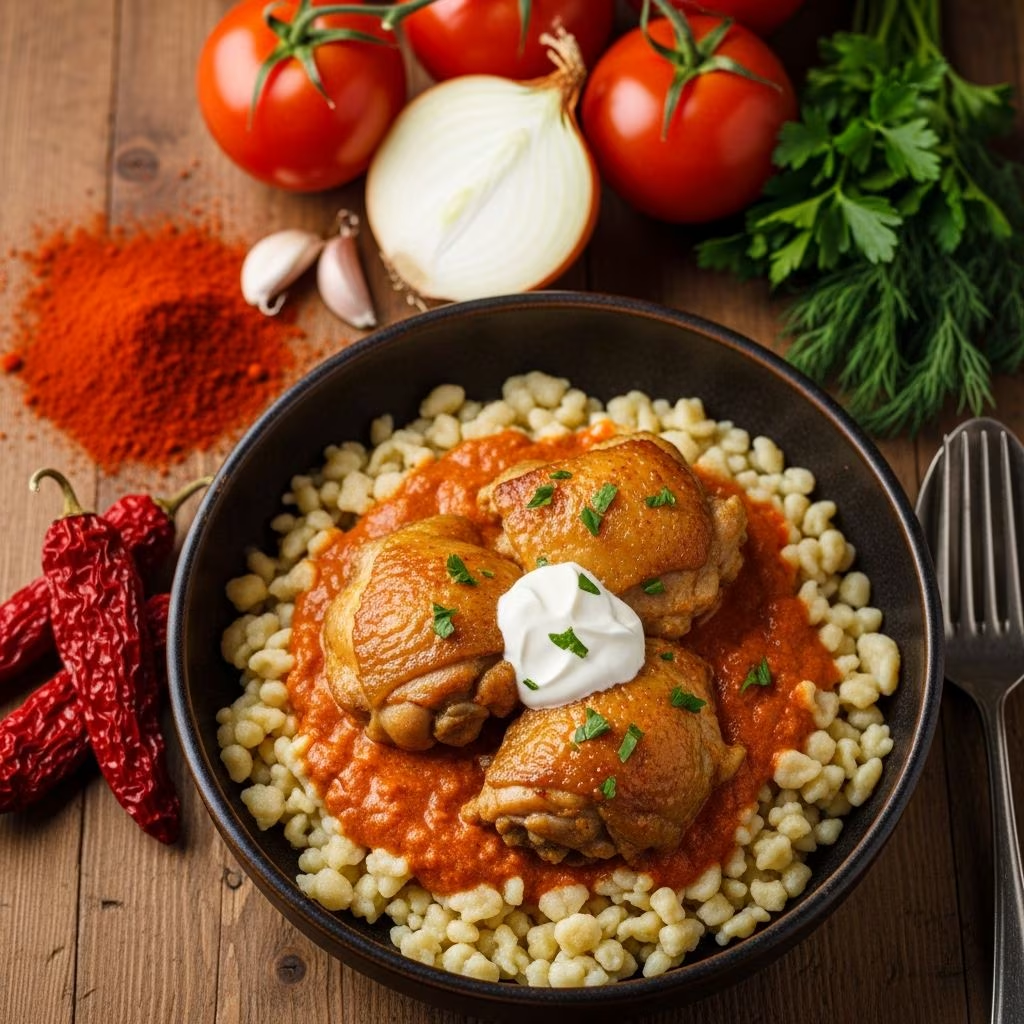
Hungarian chicken paprikash stands as one of the most iconic comfort dishes in Eastern European cuisine, representing centuries of culinary tradition and home cooking excellence. This rustic yet elegant preparation transforms simple, affordable ingredients into a sophisticated dining experience that has graced family tables for generations. The dish embodies the essence of Hungarian food culture—hearty, flavorful, and deeply satisfying without pretension.
Understanding the Roots and Heritage of This Treasured Dish
The origins of chicken paprikash trace back to the peasant kitchens of Hungary, where resourceful cooks developed this recipe as a practical solution to utilizing tougher cuts of poultry. Dating to approximately the 18th or 19th century, the dish evolved from necessity into a national treasure. What began as an economical preparation method transformed into a refined culinary art form, earning its place as a staple of Hungarian cuisine and eventually gaining international recognition as a symbol of Eastern European gastronomy.
The evolution of this dish reflects the broader history of Hungarian cooking—a culture where slow-cooked, layered flavors take precedence over quick preparation. The inclusion of sour cream and paprika, both fundamental to Hungarian cuisine, represents the agricultural traditions and trade relationships that shaped the region’s food identity. Today, chicken paprikash remains a bridge between traditional family recipes and modern restaurant cuisine, maintaining its authentic character while adapting to contemporary cooking preferences.
The Essential Ingredient That Defines the Dish
While the name might suggest otherwise, the most critical ingredient in authentic chicken paprikash is not the chicken—it is the paprika itself. Hungarian sweet paprika carries a distinctive flavor profile that cannot be replicated by ordinary paprika available in most supermarkets. This crucial distinction separates an authentic paprikash from a mediocre imitation.
The difference lies in origin, processing method, and flavor intensity. Hungarian paprika derives from specific pepper varieties grown in the Szeged and Kalocsa regions, where climate and soil conditions create peppers with superior sweetness and depth. The careful drying and grinding process preserves the paprika’s complex flavor compounds, resulting in a product that imparts warmth, subtle sweetness, and aromatic richness to any dish.
When shopping for paprika, look specifically for packaging labeled “Hungarian sweet paprika” or “Hungarian paprika.” The color should be vibrant red, and the aroma should be distinctly paprika-forward when you open the container. Investing in high-quality paprika directly impacts the final dish’s flavor, making this one ingredient worth the extra effort and cost.
Selecting and Preparing Your Chicken
The choice between bone-in, skin-on chicken pieces and boneless, skinless chicken depends on your preferences and cooking approach. Bone-in, skin-on pieces, typically consisting of thighs, drumsticks, and breasts, deliver superior flavor and create a richer sauce through collagen breakdown during the braising process. The skin crisps during browning, adding textural contrast and additional depth.
Boneless, skinless chicken thighs offer convenience and faster cooking times while maintaining superior moisture compared to chicken breasts. The higher fat content in thighs prevents the meat from becoming dry during extended cooking, though they require slightly shorter braising times than bone-in pieces.
Regardless of your choice, preparation begins with thorough drying. Pat chicken pieces with paper towels until completely dry—this crucial step ensures proper browning and develops the flavorful crust that characterizes authentic paprikash. Wet chicken will steam rather than sear, resulting in pale, flavorless meat.
Mastering the Cooking Technique
The Browning Stage
The foundation of exceptional paprikash begins with proper browning. Heat your heavy pot or Dutch oven over medium-high heat and add enough lard, olive oil, or another cooking fat to coat the bottom. Traditional preparations often employ lard for its superior browning capabilities and authentic flavor contribution, though olive oil provides a more contemporary alternative.
Once the fat reaches the proper temperature—just before it begins smoking—carefully add the dried chicken pieces in a single layer. Resist the temptation to move them immediately; allow 3-4 minutes for proper color development on the first side. Flip each piece and brown the other side for an additional 3-4 minutes. Work in batches if necessary to avoid overcrowding, which reduces temperature and prevents browning.
This browning stage accomplishes multiple objectives simultaneously. The Maillard reaction creates complex flavors and aromatic compounds that persist throughout the cooking process. The developed crust provides textural contrast in the finished dish, and the rendered fat enriches the sauce base.
Building the Aromatic Foundation
Transfer the browned chicken to a clean plate and reduce heat to medium. In the same pot with the remaining fat and browned bits (known as fond), add your sliced onions. This traditional starting point for paprikash provides sweetness that develops during cooking and creates a textural component in the finished sauce.
Stir the onions frequently, cooking until they achieve a golden, translucent appearance—approximately 6-8 minutes. The onions should become quite soft and release their natural sugars into the cooking fat. Add minced garlic during the final minutes of onion cooking, stirring constantly for about one minute to prevent burning while allowing the garlic flavor to distribute throughout the fat.
If your recipe includes tomato paste, add it now, stirring continuously for 2-3 minutes to deepen its flavor and eliminate any raw taste. Some traditional preparations incorporate fresh tomatoes or tomato paste depending on regional variations and personal preference.
Incorporating the Paprika
Here arrives the most delicate step in the entire process. Remove the pot from direct heat before adding your paprika. This crucial precaution prevents the paprika from burning, which transforms its complex flavor into bitter, acrid notes that ruin the entire dish.
Stir the paprika into the onion mixture thoroughly, ensuring every surface receives coating. Wait one minute, allowing the spice to bloom and release its aromatic compounds. This blooming process intensifies the paprika’s flavor and distributes it evenly throughout the fat and aromatics.
Creating the Braising Liquid
Pour in your chicken broth or stock, scraping the pot’s bottom with a wooden spoon to incorporate all the flavorful browned bits. Return the chicken pieces to the pot, positioning them so they nestle into the liquid. The liquid should partially submerge the chicken; it should not completely cover the pieces.
Bring everything to a gentle simmer, then reduce heat to low. Cover the pot with the lid slightly ajar, allowing controlled steam escape while retaining adequate moisture. This low-and-slow braising method—the hallmark of authentic paprikash preparation—gently tenderizes the chicken while developing layered flavors throughout the sauce.
Simmer for 15-20 minutes for boneless pieces or 20-30 minutes for bone-in chicken, until the meat becomes fork-tender and pulls easily from bones if applicable. The exact timing depends on piece size and thickness.
The Final Component: Tempering and Adding Sour Cream
As the chicken nears completion, prepare your cream enrichment in a separate small bowl. Combine sour cream with a small amount of flour or cornstarch, whisking until completely smooth. This prevents lumps when adding cold sour cream to hot sauce—a common pitfall that mars otherwise excellent paprikash.
Temper the cream mixture by slowly adding a few tablespoons of hot sauce to the bowl while whisking constantly. This gradual warming brings the sour cream closer to the sauce temperature, reducing the shock that causes curdling.
Remove the pot from heat and stir the tempered cream mixture into the sauce, whisking continuously until fully incorporated and smooth. Return to medium heat and bring to a gentle simmer, stirring frequently, for 2-3 minutes until the sauce thickens slightly.
Taste the finished paprikash and adjust seasoning with salt and pepper as needed. Return the chicken pieces to the sauce if they were removed, ensuring they receive thorough coating before serving.
Ingredient Overview and Substitution Guide
| Ingredient | Purpose | Substitution Options |
|---|---|---|
| Hungarian Sweet Paprika | Provides the distinctive flavor and color | No acceptable substitute; use authentic Hungarian paprika |
| Chicken | Main protein component | Pork or beef can work; adjust cooking times accordingly |
| Onions | Sweetness and aromatic base | Shallots provide milder flavor; yellow onions offer standard flavor |
| Sour Cream | Creates richness and tang in sauce | Greek yogurt or crème fraîche offer similar results |
| Chicken Broth | Braising liquid base | Vegetable broth or water with additional seasoning |
| Cooking Fat | Browning medium and flavor contribution | Olive oil, butter, or vegetable oil |
Perfect Serving Suggestions and Accompaniments
Traditional Hungarian accompaniments provide contrast and balance to the rich, creamy paprikash sauce. Wide egg noodles represent the most common choice, their tender texture and buttered coating complementing the sauce perfectly. The pasta’s subtle richness doesn’t overwhelm the paprika flavors.
Spaetzle—tiny German egg dumplings—offer another authentic option, particularly in regions where German-Hungarian cultural influence shaped local cuisine. These tender dumplings absorb sauce beautifully while adding an interesting textural element.
Creamy mashed potatoes provide a rustic alternative that emphasizes the comfort food aspects of this dish. The potato’s starchy texture absorbs the paprika sauce while contributing earthy flavor notes.
Rice, polenta, or simple crusty bread also serve as effective vehicles for the flavorful sauce. The choice depends on your regional preferences and desired formality level—rustic bread suggests a casual family meal, while spaetzle or egg noodles present a more refined presentation.
Garnish finished paprikash with fresh chopped parsley or chives, adding brightness and visual appeal. A dollop of additional sour cream on individual portions offers diners control over richness level and provides a cooling counterpoint to the paprika’s warmth.
Storage, Reheating, and Make-Ahead Strategies
Chicken paprikash improves with time as flavors meld and develop further depth. Store leftovers in airtight containers in the refrigerator for up to four days. The dish also freezes exceptionally well for up to three months, making it ideal for advance meal preparation.
When freezing, allow the paprikash to cool completely before transferring to freezer-safe containers, leaving slight headspace for expansion. Thaw overnight in the refrigerator before reheating. Reheat gently on the stovetop over medium-low heat, stirring occasionally, until heated through. Avoid high temperatures that might cause the sour cream to break or separate.
For make-ahead convenience, prepare the entire dish through the simmering stage up to two days in advance. Refrigerate until ready to complete with the sour cream addition and final seasoning adjustments.
Frequently Asked Questions
Why is my paprikash sauce too thin or too thick?
Thickness depends on the ratio of liquid to solids and the simmering duration. If the sauce appears too thin after cooking, remove the chicken and simmer the sauce uncovered for an additional 5-10 minutes, allowing excess moisture to evaporate. If too thick, whisk in additional broth gradually until reaching desired consistency.
Can I make this dish with chicken breasts instead of thighs?
While possible, chicken breasts tend to become dry and stringy during extended braising. If using breasts, reduce cooking time to 10-15 minutes maximum. Boneless, skinless chicken thighs offer superior results with extended cooking.
What should I do if my sauce curdles when adding the sour cream?
Curdling occurs when cold sour cream hits hot sauce too quickly. Always temper the sour cream with a small amount of hot sauce first, whisking constantly. If curdling has already occurred, strain the sauce through a fine-mesh sieve, pressing solids gently to extract flavorful liquid. Discard solids and proceed with the recipe.
Is there a difference between Hungarian paprika and regular paprika?
Significant differences exist in flavor, color intensity, and origin. Hungarian paprika provides deeper, more complex flavor with subtle sweetness, while standard paprika often tastes flat and one-dimensional. The origin and processing methods create these substantial differences, making Hungarian paprika essential for authentic results.
Can I prepare this dish in a slow cooker?
Yes, with modifications. Brown the chicken and sauté aromatics using a skillet first, then transfer everything to a slow cooker. Cook on low for 6-8 hours. Add the sour cream mixture during the final 30 minutes of cooking, stirring well to incorporate.
Variations and Regional Interpretations
While the classic preparation remains relatively consistent, regional variations reflect local ingredients and preferences. Some Hungarian regions incorporate bell peppers into the sauce base, adding sweetness and subtle texture variation. Others include mushrooms for earthiness and umami depth.
The sauce can be adjusted in richness by varying the sour cream quantity—some prefer a lighter sauce with less sour cream, while others embrace a more luxurious, cream-forward preparation. Experimenting within these parameters allows personalization while maintaining the dish’s essential character.
References
- Chicken Paprikash (Paprikás Csirke) — The Daring Gourmet. Accessed April 2026. https://www.daringgourmet.com/chicken-paprikash-paprikas-csirke/
- Hungarian Chicken Paprikash Recipe (Paprikás Csirke) — Fare Isle. Accessed April 2026. https://fareisle.com/hungarian-chicken-paprikash/
- Chicken Paprikash: The Epitome of Eastern European Comfort Food — The Cozy Apron. Accessed April 2026. https://thecozyapron.com/chicken-paprikash/
- Creamy Chicken Paprikash with Dumplings — Sip and Feast. Accessed April 2026. https://www.sipandfeast.com/chicken-paprikash-dumplings/
- Hungarian Chicken Paprikash – Chef Lindsey Farr — Chef Lindsey Farr. Accessed April 2026. https://cheflindseyfarr.com/hungarian-chicken-paprikas-homemade-spaetzle/