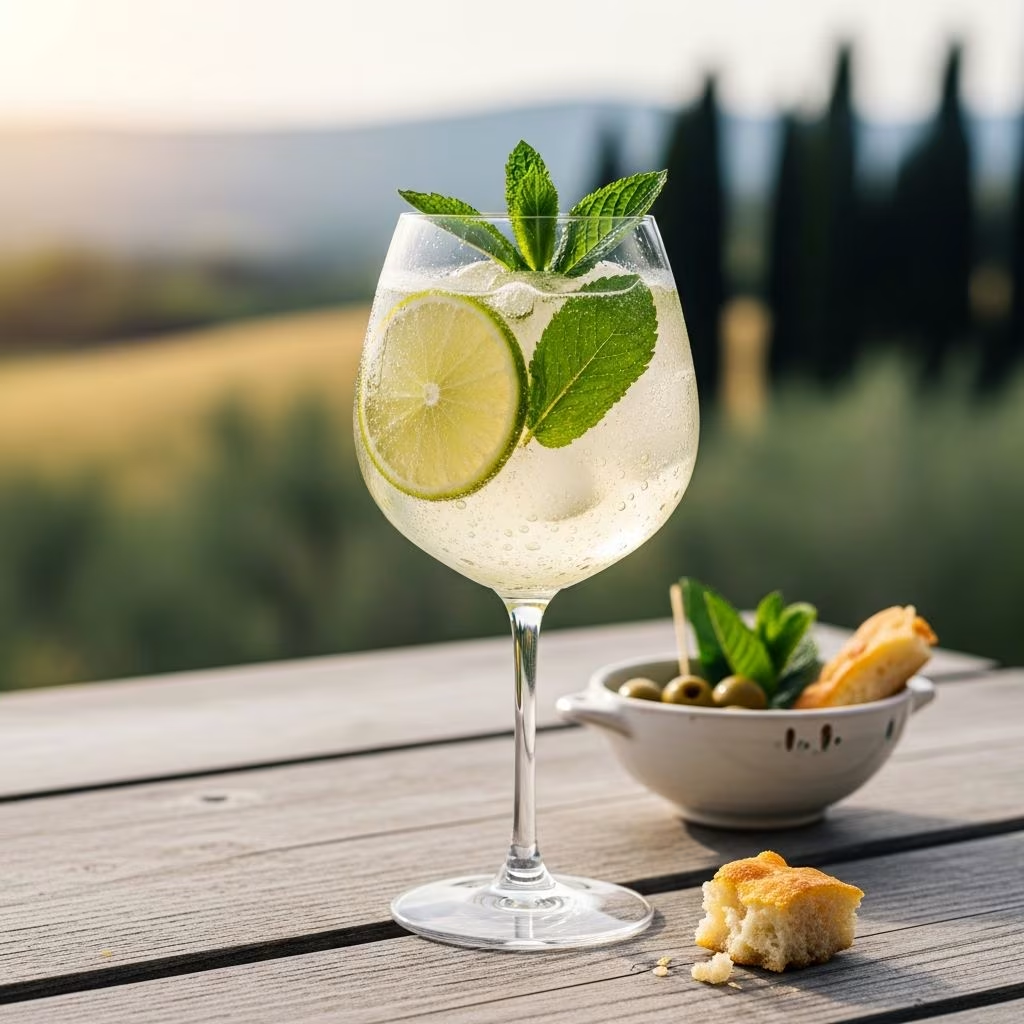
The Hugo Spritz represents one of Europe’s most elegant and refreshing aperitivo options, combining the sophistication of Italian bartending with straightforward, accessible ingredients. This sparkling wine cocktail has gained momentum among those seeking alternatives to more heavily-promoted spritz varieties, offering a delicate balance of floral and citrus notes that make it ideal for warm-weather entertaining or quiet evening moments.
Understanding the Hugo Spritz’s Origins and Evolution
The Hugo Spritz emerged from the distinctive Alpine terroir of Northern Italy, specifically the South Tyrol region of Alto-Adige, where it was crafted in 2005 by bartender Roland Gruber. This region’s unique climate and agricultural characteristics proved instrumental in developing the drink’s flavor profile. The Alto-Adige area benefits from naturally abundant elderberry plants that flourish during summer months, providing the foundational inspiration for this sophisticated cocktail.
Interestingly, the original formulation of this drink incorporated lemon syrup before transitioning to the elderflower-based variation we recognize today. This evolution reflects how bartenders refined the recipe to better showcase the region’s most abundant botanical resources. The name itself—pronounced “OOH-go” by Italians—carries Alpine heritage and distinguishes it from other spritz family members.
Since its introduction, the Hugo has gradually expanded beyond European borders, though it remains significantly less recognized in North American markets compared to its more commercially promoted competitors. The drink’s slow ascent to international recognition reflects its status as a bartender’s choice rather than a mass-market creation.
Core Ingredients and Their Roles
Understanding each component of the Hugo Spritz proves essential for executing the drink with proper balance and flavor emphasis:
- Elderflower Liqueur: St-Germain and similar quality elderflower liqueurs form the botanical backbone. These liqueurs contribute the signature floral character that distinguishes the Hugo from other sparkling cocktails. The elderflower provides a delicate sweetness without overpowering the palate.
- Prosecco: Dry Italian sparkling wine serves as the primary liquid base. The wine’s inherent dryness balances the floral sweetness, while its fine bubbles create the characteristic lightness associated with aperitivo culture.
- Carbonated Water: Club soda, soda water, or sparkling water provides additional effervescence and volume while diluting the alcohol content to appropriate aperitivo levels. This component ensures the drink maintains refreshing qualities.
- Fresh Mint: Beyond aesthetic appeal, mint leaves release aromatic compounds through gentle muddling that become integrated into the drinking experience. The herb’s cooling properties complement warm weather consumption.
- Citrus Garnish: Lemon or lime wheels finish the presentation while contributing subtle aromatic oils to each sip.
Selecting Quality Components for Superior Results
The simplicity of the Hugo Spritz means component quality directly impacts the final product. When choosing Prosecco, opt for bottles labeled “Brut” or “Extra Brut” to ensure dryness that prevents the drink from becoming overly sweet. Look for Prosecco from the Veneto region, Italy’s primary production area, which typically offers consistent quality at reasonable price points.
For elderflower liqueur, St-Germain remains the traditional choice, though alternatives like St. Elder provide similar characteristics. These liqueurs typically contain around 20% alcohol by volume and benefit from being stored in cool, dark conditions before use.
Regarding carbonated water, premium club soda or natural sparkling water produces superior results compared to tonic water, which introduces quinine bitterness that contradicts the drink’s delicate profile. Some bartenders prefer mineral-based sparkling waters for their subtle flavor contributions.
Execution: Technique and Method
Creating an exceptional Hugo Spritz requires understanding the importance of each procedural step:
- Begin by placing fresh mint sprigs into a large wine glass—this glassware choice matters, as the wider surface area accommodates ice and ingredients while allowing proper aromatic release.
- Add the elderflower liqueur directly to the mint, then perform gentle muddling—this action should release the herb’s oils without crushing the leaves into fragments. Allowing the mixture to rest for 2-5 minutes permits flavor infusion before proceeding.
- Fill the glass generously with ice cubes, which serve multiple functions: they chill the drink, provide dilution through melting, and maintain temperature throughout consumption.
- Pour the Prosecco over the ice, followed immediately by the sparkling water. Some bartenders prefer pouring the sparkling wine first, adjusting technique based on personal preference.
- Gently stir the components together, avoiding aggressive mixing that could cause excessive carbonation loss or herb fragmentation.
- Finish by garnishing with additional fresh mint and a citrus wheel, positioning the garnish to contribute aromatic compounds as the drinker raises the glass.
Proportional Variations and Personal Preferences
While the classic spritz family maintains a recognized 3:2:1 ratio of sparkling wine, liqueur, and soda water, the Hugo accommodates personal adjustments based on taste preferences. The traditional formulation suggests 1.5 ounces elderflower liqueur, 2 ounces Prosecco, and 2 ounces sparkling water.
Those preferring a lighter alcohol content might increase the sparkling water to 2 ounces while reducing the elderflower liqueur to 1 ounce, creating a more refreshing, less spirit-forward version. Conversely, individuals who favor more pronounced floral characteristics may employ heavier elderflower liqueur proportions, though this risks overwhelming the drink’s delicate balance.
| Variation Type | Elderflower Liqueur | Prosecco | Sparkling Water | Character |
|---|---|---|---|---|
| Classic Hugo | 1.5 oz | 2 oz | 2 oz | Balanced, traditional |
| Prosecco-Forward | 0.5 oz | 4 oz | 1 oz | Light, wine-dominant |
| Spirit-Forward | 2 oz | 3 oz | 1 oz | Floral, stronger |
| Low-Alcohol | 1 oz | 2 oz | 3 oz | Refreshing, approachable |
Innovative Adaptations and Creative Explorations
Bartenders and home enthusiasts continue developing variations that maintain the Hugo’s essential character while introducing novel flavor dimensions. Some experiments incorporate lemon balm syrup as an alternative to traditional elderflower, providing herbaceous complexity. Others explore bitter aperitivo flavors by incorporating light liqueurs that add depth without overshadowing the drink’s fundamental elegance.
The St-Germain Spritz represents an intentional simplification that removes mint and lime elements, allowing the elderflower and wine to command attention. This variation suits occasions where a more streamlined approach appeals to the drinker’s preferences.
Non-alcoholic interpretations substitute elderflower syrup for liqueur, maintaining the botanical profile while eliminating alcohol content. These versions work well for inclusive entertaining where diverse beverage preferences require accommodation.
Optimal Serving Contexts and Occasions
The Hugo Spritz functions excellently as an aperitivo, the Italian tradition of pre-dinner beverages intended to stimulate appetite and conversation. Its moderate alcohol content and refreshing qualities make it suitable for afternoon gatherings, summer celebrations, or casual social occasions.
The drink particularly shines when enjoyed outdoors during warm weather, where its cooling effects and light character provide genuine respite. The elegant presentation and sophisticated flavor profile also suit refined entertaining scenarios, from garden parties to sophisticated dinners.
Timing considerations matter significantly—the Hugo performs best when enjoyed within 10-15 minutes of preparation, before excessive ice melting dilutes the flavors or excessive carbonation loss flattens the texture.
Common Questions About Hugo Spritz Preparation
Frequently Asked Questions
What distinguishes the Hugo Spritz from an Aperol Spritz?
The Hugo emphasizes elderflower’s delicate floral notes, while the Aperol Spritz centers on bitter aperitivo characteristics with orange undertones. The Hugo generally presents as lighter and more botanical, whereas Aperol-based drinks offer darker, more bitter profiles.
Can I prepare Hugo Spritz ahead of time for entertaining?
Preparing components in advance works well, but combining them immediately before serving ensures optimal carbonation and temperature. Pre-mixing results in flat, diluted drinks unsuitable for serving.
What glassware best suits this cocktail?
Traditional large wine glasses or specialty aperitivo glasses work optimally, as their wider opening accommodates ice and garnishes while allowing aromatic appreciation. Avoid narrow glasses that restrict ingredient distribution.
Does the type of sparkling water affect the final taste?
Mineral-based sparkling waters contribute subtle mineral notes that complement the floral character, while neutral club soda provides clean effervescence without competing flavors. Personal preference determines the ideal choice.
How should I store elderflower liqueur between uses?
Keep St-Germain and similar liqueurs in cool, dark storage away from direct sunlight. Properly stored bottles maintain quality for years, with no need for refrigeration unless preferred for serving temperature.
Essential Takeaways for Hugo Spritz Mastery
Creating superior Hugo Spritz cocktails relies on respecting ingredient quality, understanding technique nuances, and appreciating the drink’s cultural heritage. The cocktail’s simplicity permits no shortcuts—each component matters equally in the final result.
Whether serving at casual gatherings or refined occasions, the Hugo Spritz delivers consistent satisfaction through its delicate balance of floral, fruity, and refreshing characteristics. Its emergence from Alpine Italy reflects regional terroir expressed through accessible, elegant preparation. By understanding proportions, technique, and component selection, any bartender or home enthusiast can master this sophisticated aperitivo, offering guests an experience that transcends typical cocktail offerings.
References
- Hugo Spritz Recipe — Bonappeteach. Accessed April 2026. https://www.bonappeteach.com/hugo-spritz-recipe/
- Hugo Spritz — Amy’s Nutrition Kitchen. Accessed April 2026. https://www.amysnutritionkitchen.com/hugo-spritz/
- Hugo Spritz Recipe — Love and Lemons. Accessed April 2026. https://www.loveandlemons.com/hugo-spritz/
- St-Germain Hugo Spritz — St-Germain Liqueur. Accessed April 2026. https://www.stgermainliqueur.com/us/en/cocktails/hugo-spritz/
- Hugo Spritz: Your Aperitif of the Summer — Wonder & Sundry. Accessed April 2026. https://wonderandsundry.com/hugo-spritz/
- Hugo Spritz Recipe – Italian Elderflower Spritz, Aperitivo Time!! — Steve the Bartender. Accessed April 2026. https://stevethebartender.com.au/hugo-spritz-drink-recipe/